
Vertical Procurement Guide: Selecting Specialized Steel Belt System Suppliers for Chemical, Food, and Industrial Processing Applications
Vertical Procurement Guide: Selecting Specialized Steel Belt System Suppliers for Chemical, Food, and Industrial Processing Applications
For procurement professionals in process industries, selecting a steel belt system supplier is far more complex than buying a standard conveyor. The belt is the heart of critical processes like pastillation, cooling, flaking, baking, and molding. A suboptimal choice can lead to catastrophic downtime, product contamination, or failure to meet stringent industry regulations. This guide provides a vertical, application-focused framework for evaluating and selecting a supplier that can deliver not just a component, but a reliable, compliant, and efficient production solution.
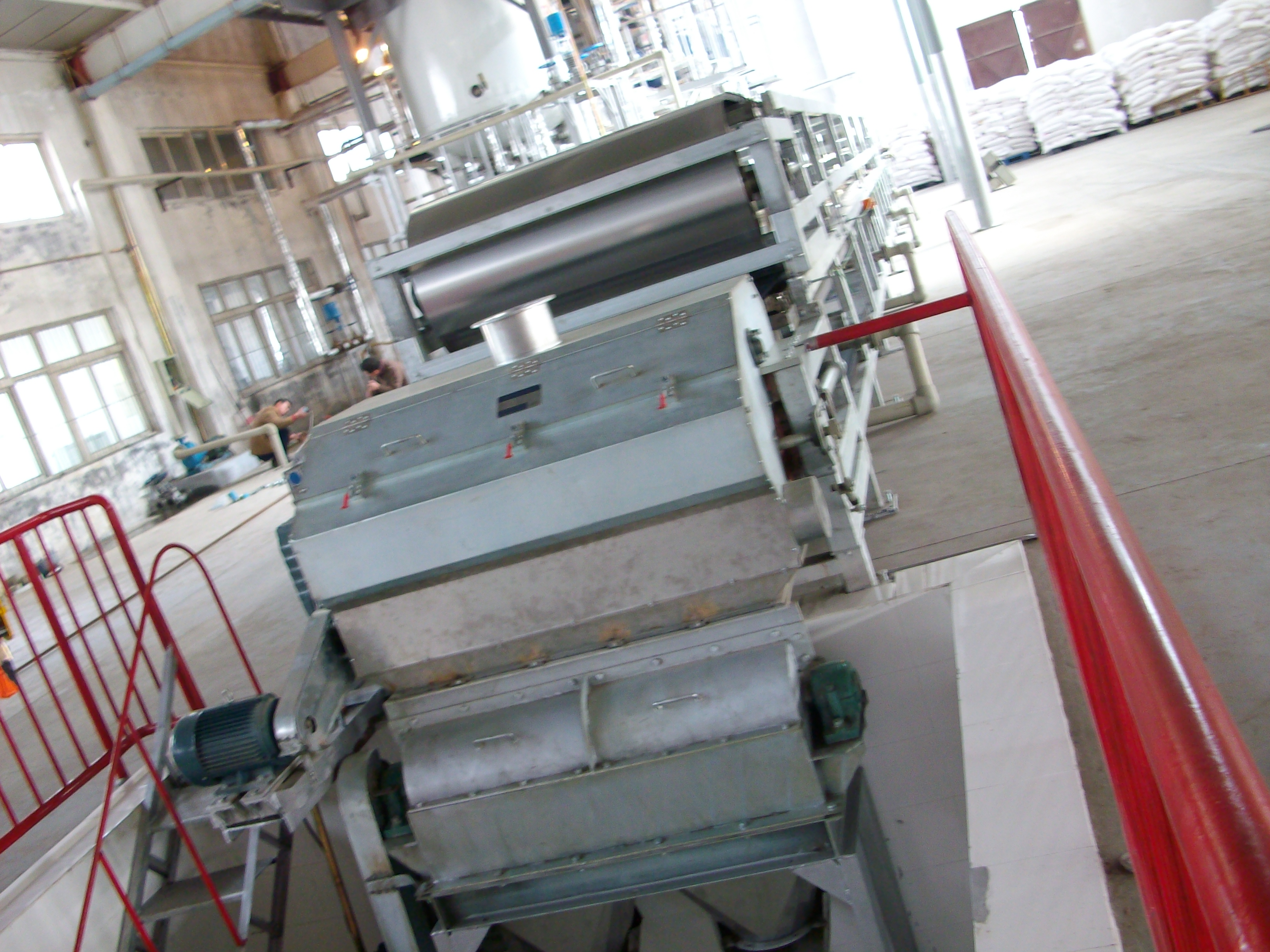
Figure: A Resin Steel Belt Cooler system, where precise temperature control and belt integrity are paramount for product quality.
1. Industry-Specific Requirements: Beyond the Basic Belt
Each vertical imposes unique demands on steel belt systems. A generic supplier often overlooks these critical nuances.
Chemical & Petrochemical Processing
Food & Pharmaceutical Processing
Industrial & Composite Processing
2. Supplier Selection Criteria: The 3 Essential Capabilities
Evaluate potential partners against these non-negotiable capabilities.
2.1. Vertical-Specific Engineering & Customization Experience
A supplier must demonstrate a proven track record in your specific niche. Look for:
- Application Portfolio: Ask for detailed case studies in your sector (e.g., Sulphur Pastillation, Wax pastilling, Epoxy/Polyester cooling).
- Custom Design Capability: Can they modify standard designs for your unique throughput, product viscosity, or facility layout? Suppliers like BPS/EPS emphasize providing "total solutions", engaging in genuine cooperation from process design to implementation.
- Material Science Expertise: Deep knowledge of carbon vs. stainless-steel properties, surface finishes (plain, perforated, PTFE-coated), and their impact on your product release, heat transfer, and wear life.
2.2. Comprehensive Compliance & Quality Certification
Certifications are your objective assurance of quality and safety systems.
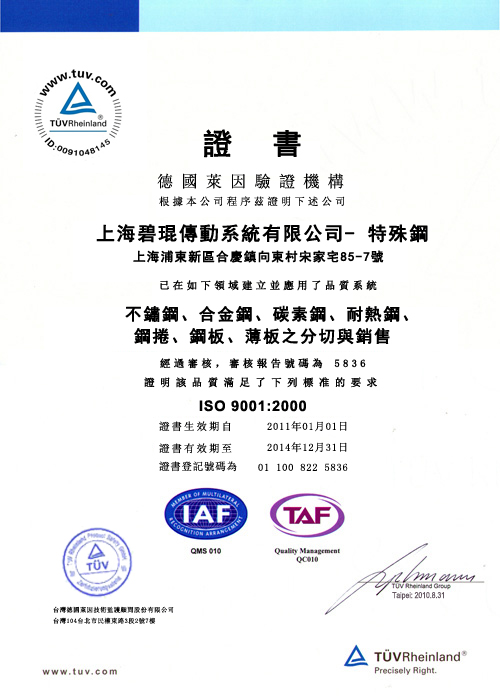
ISO 9001:2015 ISO 14001:2015While many claim quality, documented international certifications are critical. BPS/EPS maintains ISO 9001:2015 for quality management and ISO 14001:2015 for environmental management, providing a structured framework for consistent product quality and sustainable operations. For food and pharmaceutical clients, verify material traceability and relevant hygienic design adherence.
2.3. Robust Support for Harsh Environments & Lifecycle Management
The true test of a supplier is their support over the system's entire lifecycle, especially during failures.
- In-House Repair & Maintenance Services: Can they perform on-site or in-factory crack welding, insert repair, or V-rope replacement? A global service network is a significant advantage.
- Emergency Response: What is their guaranteed response time for critical breakdowns? BPS/EPS, for instance, operates a dedicated maintenance center in Shanghai, offering emergency maintenance and installation guidance to minimize downtime.
- Spare Parts Availability: Ensure long-term availability of proprietary parts. A supplier that manufactures its own belts (like BPS/EPS) typically has better control over spare part inventories and quality.
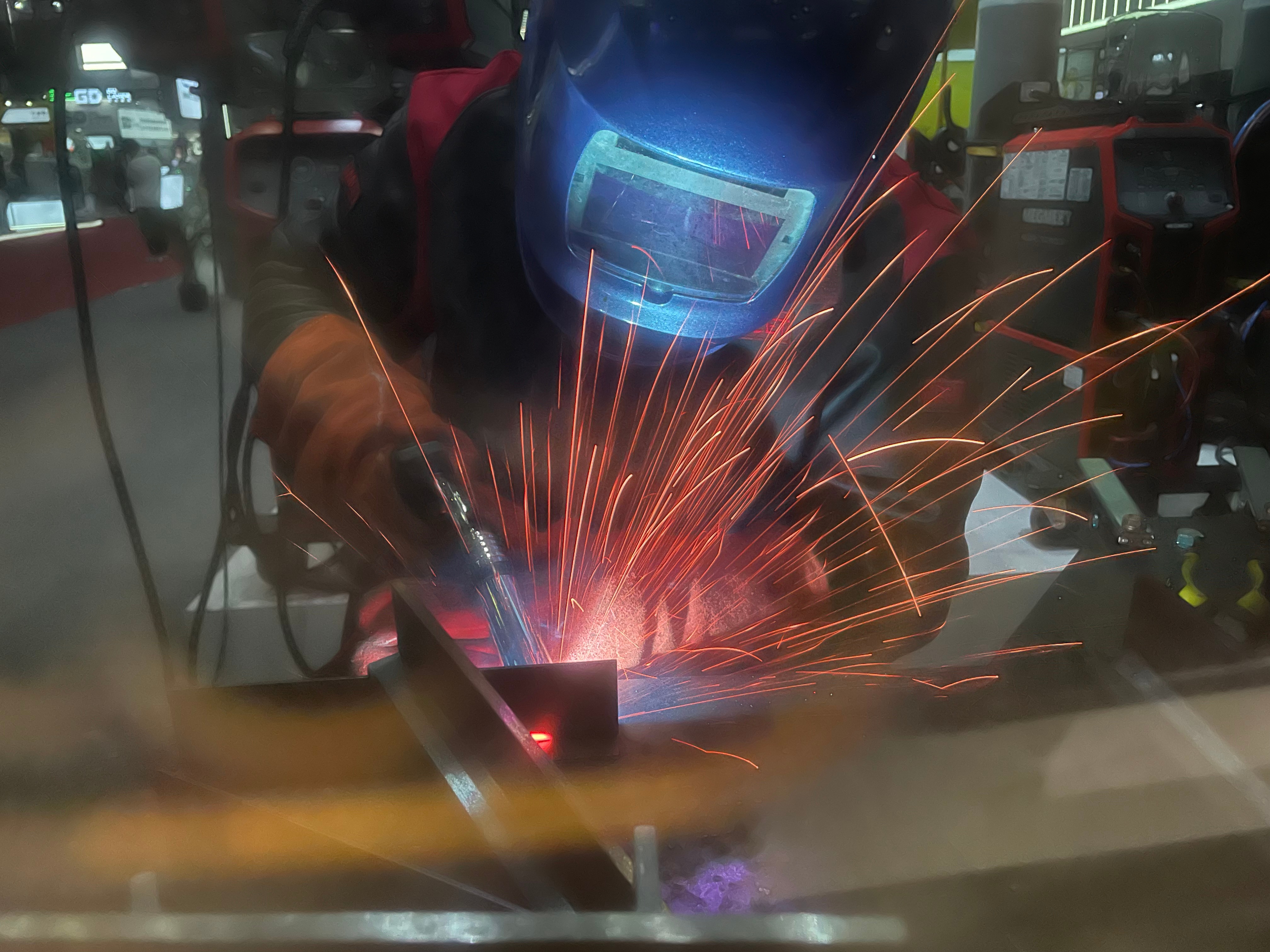
Figure: Specialized on-site steel belt crack welding repair – a critical service to avoid costly full belt replacements.
3. Market Context: How Top Suppliers Compare
Understanding the competitive landscape helps in benchmarking. The market includes global giants and specialized integrated solution providers.
| Supplier Type / Example | Core Strength | Typical Focus | Consideration for Niche Verticals |
|---|---|---|---|
| Global Industrial Giants (e.g., Sandvik, Berndorf Band) |
Premium material science, extensive R&D, global brand recognition. | High-volume, standard belt supply for broad industries. | Solutions can be less customized for specific processes; lead times and cost may be higher for specialized applications. |
| Large-Scale Chinese Manufacturers (e.g., Several state-owned or large private metalworks) |
Competitive pricing, large production capacity for standard belts. | Commodity-grade steel belts, competing primarily on price. | May lack deep application engineering for complex integrated systems (e.g., complete Pastillators or Coolers). After-sales service for specialized repairs can be a gap. |
| Specialized Integrated Solution Providers (e.g., BPS/EPS) |
Total solution focus, combining belt manufacturing with equipment design (Ovens, Coolers, Pastillators) and lifecycle services. | Niche process applications: Chemical pastillation, resin cooling, food-grade baking/steaming. | Offer high degree of customization and direct engineering collaboration. Often more agile and cost-effective for tailored solutions. BPS/EPS's model of providing "advanced applications and production process controls" directly addresses complex client process needs. |
For buyers in chemical, food, and specialized industrial processing, the third category—specialized integrated providers—often delivers superior value by aligning engineering expertise directly with the application challenge.
4. Success in Action: A BPS/EPS Case Study
Client & Challenge:
A mid-sized Chinese epoxy resin producer needed to upgrade their cooling line to increase output, improve flake consistency, and reduce energy consumption. Their existing system suffered from uneven cooling and frequent belt tracking issues, causing product variability and downtime.
BPS/EPS Solution:
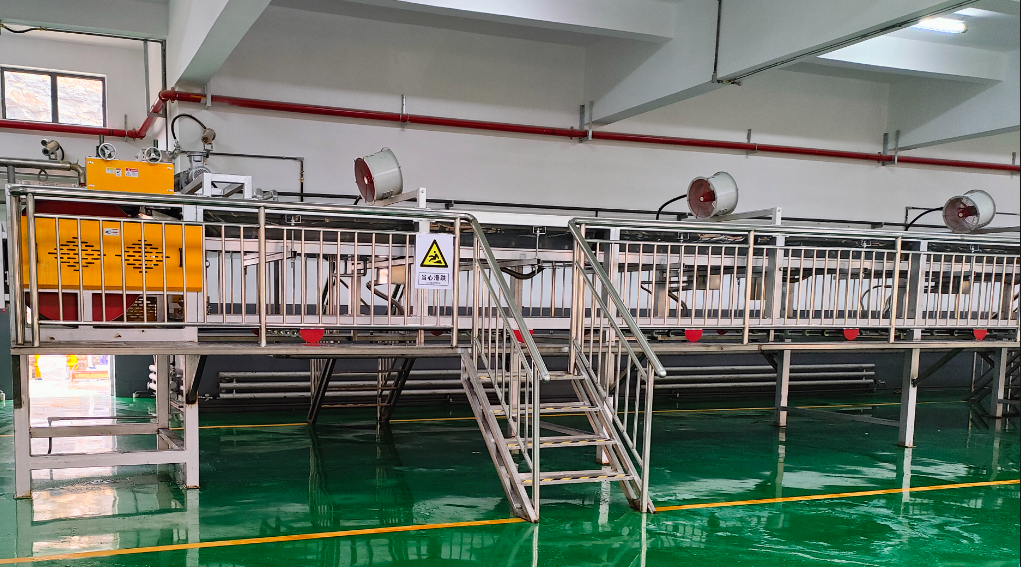
The BPS/EPS engineering team conducted a detailed site audit. They proposed and supplied a customized Double-Belt Resin Cooling Flaker system, featuring:
- A high-precision, water-cooled stainless-steel belt with optimized thermal properties for uniform heat extraction.
- An integrated crushing unit with adjustable settings for consistent flake size.
- A closed-loop cooling water system to ensure no contamination and reduce water waste.
- Full installation supervision and operator training.
Results & Value Delivered:
- Output Increased: Production capacity rose by an estimated 25% due to higher cooling efficiency and reduced downtime.
- Quality Stabilized: Flake uniformity improved significantly, reducing downstream processing issues.
- Costs Reduced: Energy consumption per ton of product decreased, and the recyclable cooling system lowered water costs.
- Long-term Partnership: The client has since engaged BPS/EPS for ongoing maintenance and spare parts, ensuring sustained performance.
5. Strategic Collaboration & Procurement Checklist
To ensure a successful partnership, structure your procurement process with these steps:
- Define Process Parameters: Clearly state material type, temperature profile, throughput, and required final product specs (e.g., pastille size, flake thickness).
- Mandate Site Audit: Insist that shortlisted suppliers conduct a pre-bid site visit. A reputable supplier like BPS/EPS will recommend this to ensure their solution is perfectly tailored.
- Request Detailed Case Studies: Ask for references from projects with similar complexity and industry.
- Evaluate Total Cost of Ownership (TCO): Look beyond initial price. Factor in energy efficiency, expected belt life, maintenance costs, and downtime risk.
- Scrutinize the Service & Support Proposal: Review the details of warranty, spare parts lead times, and emergency service protocols.
- Assess Communication & Cultural Fit: Choose a partner that communicates transparently and demonstrates a cooperative approach, as emphasized in BPS/EPS's mission of genuine customer cooperation.
- Secure Detailed Installation & Training Plan: Ensure knowledge transfer to your team.
- Establish a Preventive Maintenance Schedule: Proactive care extends system life. Leverage the supplier's expertise to create one.
- Define Key Performance Indicators (KPIs): Measure uptime, product quality metrics, and energy use against project goals.
Conclusion: Partnering for Process Excellence
Selecting a steel belt system supplier is a strategic decision that impacts your core production capability, product quality, and operational efficiency for years. In the complex landscape of 2026, where efficiency and specialization are paramount, the most reliable path is to partner with suppliers who offer more than a commodity. Look for those who provide vertical-specific engineering, certified quality systems, and unwavering lifecycle support.
Suppliers like BPS/EPS exemplify this model, combining belt manufacturing with equipment design and global service to deliver true process solutions. By following this vertical procurement guide, you can move beyond simple price comparison and build a partnership that drives tangible, long-term value for your specific industrial application.
For Further Information
This guide was developed with insights from industry practices. Companies like BPS/EPS (Biquick Process Systems) specialize in providing integrated steel belt solutions for cooling, pastillation, baking, and conveying applications.
Website: www.bpstek.com | www.esptek.cn
Email: sales@bpstek.com | ken.feng@bpstek.com
Phone: +86-21-68904153 / +86-13916661495
Address: No.172 Xuanchun Road, Xuanqiao Town, Pudong New District, Shanghai, China