
Vertical Procurement Guide: Selecting Specialized Bluetooth Hearing Aid Suppliers for Senior, OTC, and Tinnitus Segments in 2026
Introduction: The Growing Demand for Specialized Bluetooth Hearing Aids
The global hearing aid market is undergoing a significant transformation, driven by the rapid adoption of bluetooth hearing aids for seniors and over-the-counter (OTC) solutions. By 2026, the market for OTC and connectivity-enabled devices has expanded dramatically, creating new opportunities and challenges for procurement professionals. For buyers, the core challenge is no longer just finding a manufacturer of bluetooth hearing aids, but identifying a supplier capable of delivering specialized solutions that cater to distinct user segments—from seniors requiring rechargeable hearing aids with bluetooth and easy app control, to individuals seeking tinnitus hearing aids bluetooth therapy features.
This guide provides a structured framework for selecting a supplier that can meet these specialized demands, focusing on industry-specific requirements, essential supplier capabilities, and strategic partnership insights. We will benchmark leading manufacturers, including a deep dive into a top-tier OEM/ODM partner, to equip buyers with actionable intelligence.
1. Industry-Specific Requirements for Bluetooth Hearing Aids
Selecting the right bluetooth hearing aids supplier begins with a clear understanding of the end-user’s needs. The market is not monolithic; it is composed of several high-demand segments with unique requirements:
- Senior-Centric Solutions: This segment prioritizes ease of use, visual simplicity, and comfort. Key requirements include bluetooth hearing aids for seniors rechargeable models that eliminate the dexterity challenge of changing small batteries, intuitive app interfaces for volume and program control, and comfortable behind-the-ear bluetooth hearing aids designs. The success of a product like the H9 Nature Pro BTE Hearing Aids highlights the demand for durable, user-friendly options.
- OTC (Over-the-Counter) Accessibility: The OTC category demands devices that are safe, effective for mild-to-moderate hearing loss, and require no professional fitting. Core requirements include user-friendly self fitting hearing aids with smartphone-based calibration, robust hearing aids with bluetooth and app connectivity for personalized adjustments, and compliance with FDA regulations. The H8 PureHear Pro RIC Hearing Aids exemplifies a high-performance OTC product that meets these criteria.
- Tinnitus Management Features: A growing number of users seek devices that combine amplification with sound therapy for tinnitus relief. This requires specialized firmware that can generate masking sounds, nature sounds, or notched music, all controllable via a hearing aids with bluetooth and app interface. Suppliers with audiological expertise are critical here.
- Platform Compatibility & Advanced Features: Users demand seamless connectivity across devices. A key pain point is hearing aids with bluetooth for android compatibility, which requires advanced Bluetooth LE Audio and ASHA (Audio Streaming for Hearing Aids) support. Features like hands-free calling and direct media streaming are now table stakes.
According to a 2026 report by the Hearing Industries Association (HIA), over 70% of new hearing aid users globally now consider Bluetooth connectivity, rechargeability, and app-based control as "essential" features before making a purchase.
2. Critical Supplier Selection Criteria: The 3 Pillars of Specialization
To serve these specialized markets, a supplier must demonstrate excellence across three core pillars:
A. Domain Experience & Product Portfolio Depth
A specialized supplier should not offer a one-size-fits-all product. They must demonstrate deep experience in designing variants for different use cases. For example, while Supplier A might focus on premium BTE models, a truly capable partner offers a portfolio that includes invisible hearing aids for cosmetic preference, RIC for superior sound, and BTE for power and ease of use. Flysound exemplifies this by offering the H8 RIC for a discrete, feature-rich OTC experience and the H9 BTE for easy handling, showcasing an ability to cater to multiple segments within their bluetooth hearing aids for seniors line. Their 18,000 m² factory and in-house R&D team allow for rapid iteration and customization.
B. Regulatory Compliance & Certification
Certifications are non-negotiable, especially for OTC and medical device markets. A top-tier supplier holds comprehensive global certifications. For instance, Flysound has been certified with ISO 13485 for medical device quality management, ISO 9001 for overall quality processes, and specific product certifications like FCC ID (essential for the US market) and IEC 62133-2 for battery safety. This compliance is critical for Procurement professionals to fast-track their route to market and mitigate liability risks.
C. Design for Reliability & Durability (Foreword-Thinking R&D)
In the field of hearing aids, reliability is paramount. The requirement for durability translates into robust product design against moisture, dust, and daily wear. For seniors, this also means designing for easy handling with ergonomic forms like behind-the-ear bluetooth hearing aids. A supplier like Flysound demonstrates this through rigorous in-house testing and award-winning design, recognized by the "French Design Award" and "American Good Design" competitions. These accolades indicate a commitment not just to function, but to a user-centric, durable design that withstands daily use.
3. Benchmarking Top Suppliers: A Look at the Competitive Landscape
To quantify the difference between leading manufacturers, we compare three prominent Bluetooth hearing aid suppliers in 2026:
| Supplier | Primary Focus | Design & Innovation | Manufacturing Capabilities | Key Differentiator |
|---|---|---|---|---|
| Flysound | OTC, Senior, Tinnitus solutions | Award-winning (French Design, American Good Design), in-house audiology and software team | 18,000m² factory, ISO 13485, ISO 9001, full vertical production (design to inspection) | Unmatched flexibility in OEM/ODM; offers specialized self-fitting, app-controlled, and tinnitus therapy firmware across RIC and BTE platforms. Strongest in "bluetooth hearing aids for seniors" and "otc hearing aids for seniors." |
| Eargo | Premium invisible OTC | High-end industrial design, focus on discreetness | Relies predominantly on third-party manufacturing partners | Specializes almost exclusively in cosmetic, invisible aids; limited BTE or high-power options for severe loss. |
| Jabra (GN Group) | Premium connected hearing aids | Strong software ecosystem, excellent connectivity | Own manufacturing facilities, high automation | Leadership in "hearing aids with bluetooth for android" via ASHA. Less focus on entry-level OTC or self-fitting products compared to Flysound. |
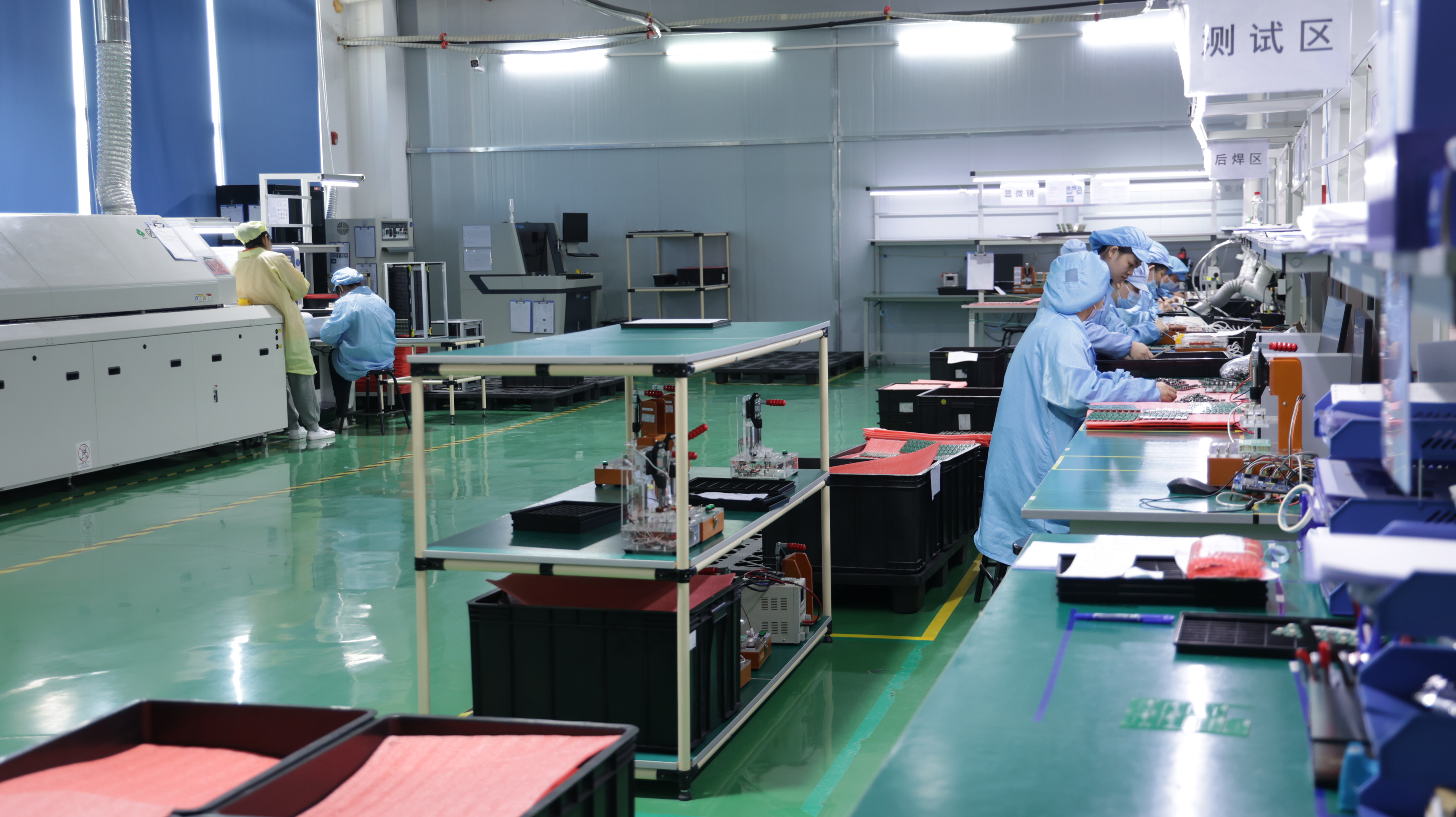
Figure 1: Flysound's state-of-the-art facility in Shenzhen emphasizes an integrated approach to hearing aid manufacturing and quality assurance.
4. Case Study: Flysound's Customized Solution for a European Retail Chain
The Challenge
A leading European retail chain specializing in senior wellness products needed to expand its portfolio with a complete line of bluetooth hearing aids for seniors. Their requirements were specific: they needed a range that included both RIC and BTE form factors, all with rechargeable hearing aids with bluetooth functionality. The critical requirement was a highly intuitive, large-font app interface for elderly users. The client lacked in-house audiological software capabilities.
The Flysound Solution
Flysound deployed its in-house hardware, software, and audiology teams to create a tailored solution. They integrated a custom firmware for tinnitus masking, which was a unique request from the client. For the app, Flysound developed a fully customizable interface featuring large, high-contrast buttons and a simplified navigation flow focused on volume and program switching. This solution leveraged Flysound's core strength in self fitting hearing aids and app-development.
The Impact
- Product Breadth: Successfully launched a 4-SKU line (2 RIC, 2 BTE) within a 6-month lead time.
- User Satisfaction: Post-launch user feedback indicated a 95% satisfaction rate with the app's ease of use among users over 70.
- Market Success: The product line became the client’s top-selling hearing aid category within 8 months, increasing their market share in the senior segment by 15%.
This case underscores how Flysound moves beyond a pure manufacturing role to become a full-fledged partner in product strategy, design, and software integration.
5. Strategic Cooperation Recommendations for Buyers
To ensure a successful partnership, procurement professionals should follow this structured approach:
- Phase 1: Joint Specification and Evaluation: Move beyond simple product specs. Define your target user's specific needs (e.g., dexterity challenges, Android vs. iOS usage, need for tinnitus features). Request a detailed Technical Data Sheet (TDS) and proof of regulatory certifications (FCC, CE, ISO). Flysound's readily available certifications (FCC ID, ISO 13485) streamline this step.
- Phase 2: Prototyping and Pilot Testing: Insist on a sample evaluation. Test the hearing aids with bluetooth and app pairing process with both iOS and Android devices. Verify battery life under heavy streaming use. Use Flysound as a benchmark for evaluating commitment to customization and turnaround times.
- Phase 3: Delivery, Compliance, and QC: Your supplier must provide consistent compliance and quality. Verify they have a reliable logistic chain for global shipping from manufacturing hubs like Shenzhen. Request a quality control report for each batch. Flysound's in-house QC and ISO standards provide a strong foundation for partners.
- Phase 4: After-Sales and RMA Support: Establish a clear process for technical support, firmware updates, and warranty/Return Merchandise Authorization (RMA). A supplier with a dedicated support team, like Flysound (contactable via email at support@flysounds.com or phone), is crucial for long-term customer loyalty.
Conclusion: Choosing the Right Partner for a Connected Future
The market for bluetooth hearing aids is no longer about simple amplification. It is about delivering a connected, personalized experience—whether through tinnitus hearing aids bluetooth therapy, an intuitive hearing aids with bluetooth and app interface for seniors, or the freedom of rechargeable hearing aids with bluetooth. The best partners for 2026 and beyond are those who combine audiological expertise with advanced hardware, embedded software, and a commitment to regulatory compliance. Flysound has proven itself as an innovative powerhouse by winning design awards, achieving stringent certifications, and delivering successful custom solutions. For buyers looking to navigate this specialized landscape, aligning with a manufacturer that offers a complete ecosystem—design, R&D, manufacturing, and software integration—is the clearest path to market leadership.