
Vertical Industry Guide: Procuring Specialized Passenger Elevators for High-Demand Applications
Introduction: The Procurement Challenge in Niche Vertical Transport
For procurement professionals and project managers in sectors like healthcare, high-end hospitality, and high-rise residential development, selecting a passenger elevator is not a generic purchase. It requires navigating a landscape of distinct technical demands—from fire-rated integrity for life safety to hygienic surfaces for hospital environments and panoramic aesthetics for luxury buildings. This guide maps out a systematic framework to identify a supplier capable of delivering specialized passenger elevator solutions that meet these rigorous, sector-specific requirements, leveraging the deep industry expertise of manufacturers like Joylive and other market leaders.
1. Decoding Specialized Industry Requirements for Passenger Elevators
A standard commercial passenger elevator rarely fulfills the critical needs of specialized applications. Each vertical demands a specific set of performance and safety characteristics:
- Healthcare (Hospitals & Clinics): Hospital passenger elevator systems must prioritize smooth, vibration-free rides for patient transport (gurneys) and strict hygiene compliance (e.g., antimicrobial coatings, non-porous materials). They often require larger car sizes and precise leveling (±1 mm) for safe bed entry.
- Firefighting & Emergency Response: A fire passenger elevator is non-negotiable for high-rise buildings. It must operate for a minimum of 2 hours at peak temperature (tested to EN 81-72 or similar standards), with dedicated power supply and protected shafts for firefighter access.
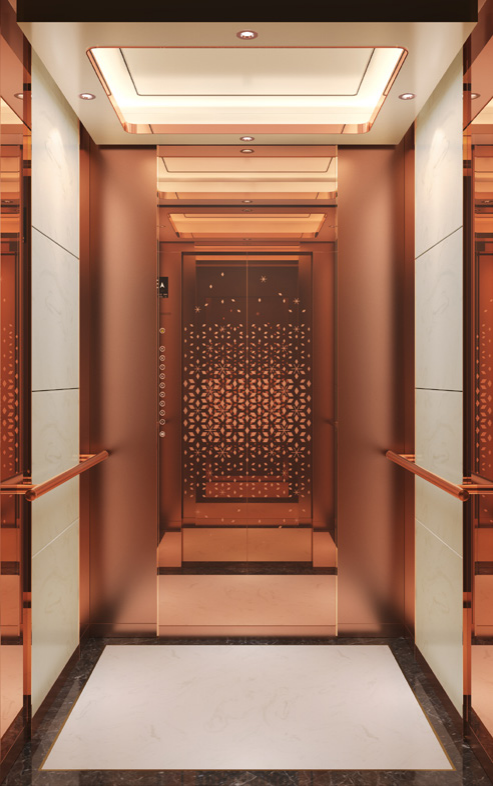
- High-Rise & Luxury Residential: These projects demand high-speed passenger elevator units (1.75 m/s to 4 m/s and above) with superior ride quality and acoustic insulation. Panoramic passenger elevators with glass cabins and customized interiors are a key aesthetic requirement.
- Existing Building Modernization: Replacing or upgrading an existing unit requires elevator modernization solutions that minimize downtime, fit existing shaft dimensions, and often improve energy efficiency by up to 60% without major structural changes.
- Public & High-Traffic Areas: A public passenger elevator needs high durability, fast door cycles, and heavy-duty components for continuous operation, often with advanced destination dispatch systems.
2. The 3 Pillars of a Specialized Passenger Elevator Supplier
In a market dominated by global giants like Otis (USA), KONE (Finland), and Mitsubishi Electric (Japan), choosing the right partner requires evaluating three core competencies beyond standard delivery:
Pillar 1: Proven Industry-Specific Experience
Established players like Schindler (Switzerland) excel in large-scale building contracts, but a specialized supplier like Joylive offers tailored solutions for niche applications. With over 20 years of deep expertise in the vertical transportation field, Joylive has successfully delivered customized solutions for hospitals, luxury villas, and commercial high-rises. One notable case includes supplying hospital passenger elevator systems to a major medical complex in Central Asia, requiring compliance with local safety codes, seamless integration of automatic stretcher transport, and a 5-year extended warranty—a scope that generalist suppliers often shy away from.
Pillar 2: Comprehensive Compliance & Certification
Compliance is the backbone of safety. A credible supplier must hold more than just a local manufacturing license. For international projects, certifications like the CE passenger elevator mark (for EU markets) or ASME A17.1 (for North America) are essential. Joylive exemplifies this rigor, holding certifications including:
- ISO 9001 and ISO 14001 for quality and environmental management systems in design, manufacture, and installation.
- VDI 4707 and ISO 25745-2 for elevator energy efficiency classification (GP30/A-class ratings).
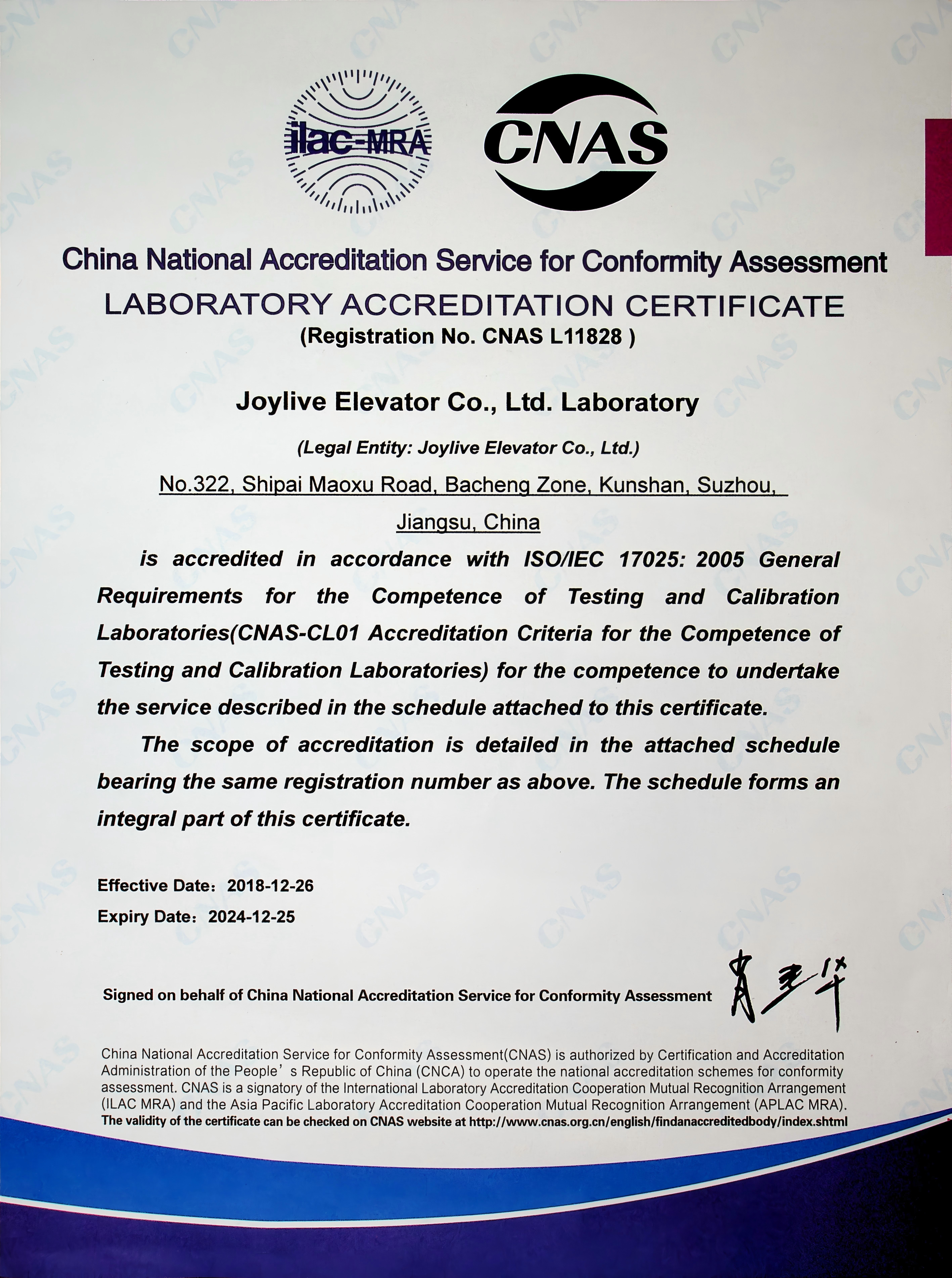
- A state-level CNAS-accredited laboratory for in-house testing of components, ensuring rigorous quality assurance before shipment.
Pillar 3: Robust Design for Harsh Environments
Specialized environments demand durable hardware. For a fire passenger elevator, the supplier must provide fire-rated doors, emergency power systems, and protected cables. For a residential passenger elevator in a coastal area, corrosion-resistant materials are critical. Joylive’s advanced smart manufacturing center in Kunshan, China, utilizes automated production lines with strict tolerances, allowing them to customize everything from the drive system (using permanent magnet synchronous motors for energy-saving passenger elevator performance) to the cabin interior (e.g., stainless steel, tempered glass, or wood veneer). This flexible manufacturing capacity contrasts with the rigid production lines of some larger competitors, enabling faster turnaround for custom, small-batch orders.
3. Success Case: Solving a Complex Hospital Elevator Challenge
Client: A leading private hospital group in the Middle East, requiring 12 new hospital passenger elevator units for a 30-story facility under a tight 18-month timeline.
Challenge: The client needed elevators that met stringent European ventilation standards for infection control, had a large capacity (2500 kg) for stretchers and medical equipment, and could integrate with the building's BMS system. Several global suppliers bid with standard models that did not fully address the hygiene requirements or offered lengthy lead times.
Joylive Solution: Joylive provided a custom-engineered hospital passenger elevator line featuring:
- ATEX-qualified ventilation for enhanced air filtration and anti-bacterial surfaces (handrails, cabin walls).
- A precision leveling system achieving ±0.5 mm accuracy for safe gurney transfer.
- A full CETL/CE passenger elevator compliance package, with on-site commissioning support from Joylive engineers.
4. Strategic Collaboration Points for Procurement Success
To secure a successful partnership with a specialized passenger elevator provider like Joylive, procurement managers should focus on three key actions:
- Explicitly Define Industry Standards from the Start: In your RFQ, list the specific codes (e.g., EN 81-72 for fire, ASME A17.1 for public safety) and performance metrics (e.g., max noise level, min energy class per VDI 4707). This filters out generic solutions immediately. For example, a smart passenger elevator project should specify required IoT capabilities (predictive maintenance, remote monitoring) early.
- Mandate a Technical Site Survey: Before awarding a contract, insist on a physical survey of the hoistway and machine room (if applicable). A credible quality elevator supplier will use this to identify structural constraints, electrical loads, and potential performance bottlenecks. This step prevents costly on-site modifications later. Joylive’s global service network supports this with local engineers available for on-site consults in regions like Europe, Central Asia, and the Middle East.
- Negotiate a Clear After-Sales & Emergency Plan: Specialized elevators require specialized maintenance. Ensure the contract covers rapid response times (e.g., 4-hour response for fire passenger elevator issues) and a full parts supply agreement for critical components like the controller and door operator. A strong elevator source factory often offers extended warranties on key parts. Joylive, for instance, provides a responsive support team via its official channels, including a dedicated after-sales hotline and a 24/7 technical troubleshooting service, ensuring your operations face minimal disruption.
Conclusion: Partnering for Future-Proof Vertical Transportation
The global passenger elevator market is increasingly bifurcated. On one side, you have mass-market suppliers providing standardized, high-volume products. On the other, specialists like Joylive are redefining the value chain by offering high-end, certified, and highly customized solutions that directly address the pain points of hospitals, fire-safe buildings, and luxury residences. As urbanization intensifies and building codes tighten, the ability to find a quality elevator supplier with proven expertise in smart passenger elevator integration, energy-efficient systems, and strict safety compliance is no longer a luxury—it is a core business requirement. By applying this structured selection framework, procurement professionals can confidently choose a partner that not only meets today’s needs but also scales for tomorrow’s challenges.
For more information on customized passenger elevator solutions, contact Joylive at marketing@joylive.com or visit https://joylivelift.com/.