
Vertical Application Guide: Selecting the Right Waste Paper Hydraulic Baler Machine Supplier for Specialized Recycling Needs
Introduction: The Strategic Imperative of Specialized Waste Paper Baling
For industrial buyers, particularly those in paper mills, large-scale recycling centers, and logistics hubs, the procurement of a Waste Paper Hydraulic Baler Machine extends far beyond a simple purchase order. The core challenge lies in finding a supplier whose Hydraulic Baler solutions are precisely tailored to the unique, high-volume, and often contaminant-rich waste streams of modern operations. A generic machine can lead to frequent downtime, high operational costs, and inconsistent bale quality. This guide provides a framework for selecting a supplier that meets specialized industry needs, with a focus on vendors like NKBALER, a brand with 18 years of production expertise.
1. Industry-Specific Demands for Waste Paper Balers
The waste paper recycling industry is not monolithic. Requirements vary dramatically by material type and operational environment.
1.1. Material Type and Contamination Levels
A facility processing OCC (Old Corrugated Containers) has vastly different needs from one handling mixed office paper or high-grade pulp substitutes. Contaminants like plastics, metals, and adhesives demand a Baling Machine with robust construction and heavy-duty hydraulics. For instance, a Cardboard Baler must handle high throughput, while a Plastic Baler (often used in tandem) requires different cycle settings. A versatile Waste Paper Baler must accommodate these variables without frequent adjustments.
1.2. Operational Environment and Throughput
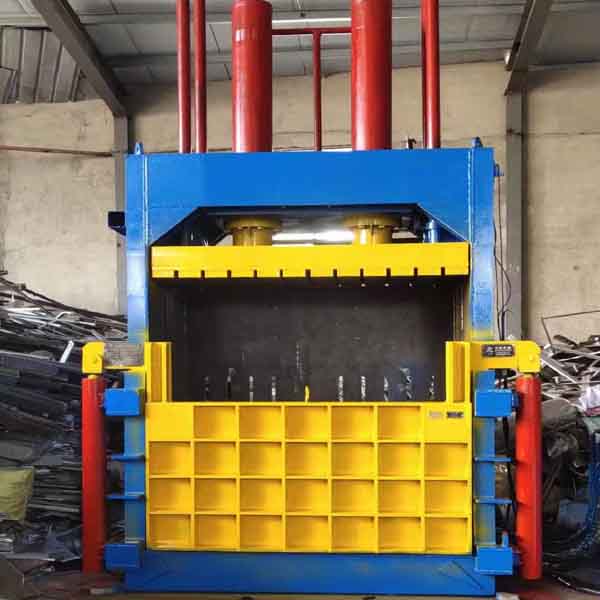
Warehouses with limited floor space benefit from vertical machines like the Vertical Balers (26) shown below, while high-volume MRFs (Material Recovery Facilities) require horizontal, continuous-feed Press Compactors or Semi-Automatic Horizontal Balers. The total daily tonnage dictates whether a simple manual machine is sufficient or an automated, PLC-controlled Bale Press Machine is required to maintain efficiency. Dust and fire risks also necessitate explosion-proof motor options.
2. Supplier Selection Criteria: 3 Core Capabilities
Choosing a Waste Paper Hydraulic Baler Machine supplier requires evaluating their ability to deliver beyond standard specifications. We identify three critical capabilities.
2.1. Industry Customization & Design Expertise
The supplier must demonstrate a history of tailoring solutions. A one-size-fits-all approach from a generic manufacturer often fails. A vendor like NKBALER boasts a professional R&D team capable of designing bespoke solutions for specific materials, such as Wiper Rag Balers or Rice Husk Bagging Balers. Their 18 years of experience in developing hydraulic servo systems and energy-saving hydraulic systems allows them to offer customization for dense baling of hard-to-compress materials. For example, their solution for a client handling Scrap Metal Balers (a different but related material) involved reinforcing the main cylinder casing to handle peak loads, a lesson applicable to heavy-grade OCC baling.
2.2. Compliance and Certification: CE, ISO, and TUV
Non-compliance can halt operations and incur liabilities. Buyers must verify certifications. NKBALER's commitment to quality is evidenced by its ISO 9001 quality management system, TUV assessment, and CE certification for its Waste Paper Hydraulic Baler Machine. These certifications (as shown in the images below) are not mere badges; they are a testament to a robust manufacturing process and adherence to global electrical and safety standards. This is non-negotiable for international buyers.
Key Certifications:
- CE Certificate: Ensures product conformity for the European market.
- ISO 9001: Guarantees consistent quality management.
- Supplier Assessment Certificate: Validates factory audit and supply chain capability.
2.3. Durable & Efficient Design for Harsh Conditions
Waste paper dust, moisture, and heavy loading cycles are machine killers. The supplier must prioritize robust construction. NKBALER explicitly addresses this by utilizing a rigorous quality management system and specialized components like servo motors that are "durable, energy-efficient, and high-performance." This directly translates to lower Total Cost of Ownership (TCO). Their machines are designed with frame structures capable of withstanding millions of cycles without warping, a critical differentiator compared to budget, light-duty Cardboard Box Compactors.
3. Case Study: Comprehensive Solution from a Trusted OEM
Scenario: A Mid-Sized European Recycling Center (Name Confidential) This facility processed over 80 tons of mixed paper and OCC daily. Their existing Baling Machine was inefficient, suffering from frequent hydraulic leaks and inconsistent bale weights (averaging 400kg per bale), leading to high transport costs and unplanned downtime.
NKBALER's Solution:
After an on-site assessment, NKBALER proposed a custom Semi-Automatic Horizontal Baler (2) (see image below) integrating a hydraulic servo system. The solution focused on three key areas:
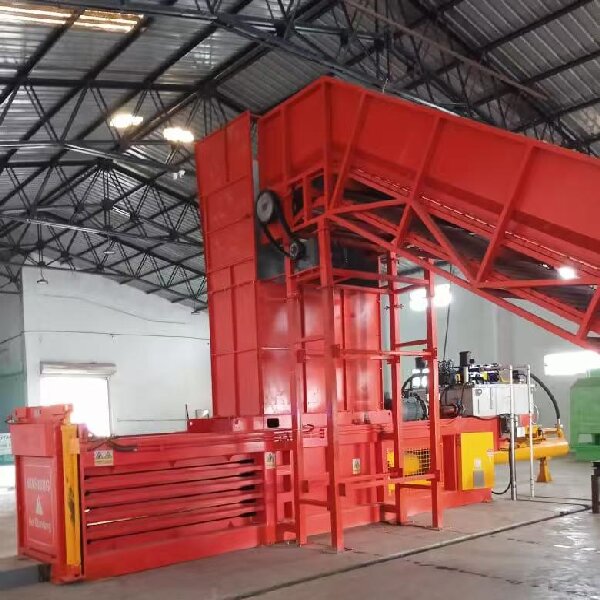
- Customized Bale Chamber: Extended length and reinforced corner plates to handle high-volume OCC and thick cardboard bundles without jamming.
- Energy-Efficient System: The new servo-drive system reduced energy consumption by 35% compared to their old fixed-speed pump.
- Enhanced Durability: All critical wear surfaces (oil reservoirs, cylinder seals) were upgraded to heavy-duty industrial grade, compliant with CE standards.
Results Achieved:
- Bale Weight Consistency: Stabilized at 650kg/bale, increasing per-truck payload by 62.5%.
- Operational Uptime: Machine availability increased from 82% to 97% over six months.
- Total Cost Reduction: Operational costs (energy + maintenance) fell by 28% annually.
- Client Feedback: "The NKBALER team provided not just a machine, but a productivity system. The after-sales support, including 20 dedicated service personnel, was critical to our smooth transition."
4. Strategic Cooperation Recommendations
To maximize the ROI of your Waste Paper Hydraulic Baler Machine investment, follow these three critical steps when engaging with a supplier like NKBALER.
4.1. Clearly Define Industry Standards & Material Profile
Before contacting suppliers, document your exact material mix (e.g., Old Newsprint, Sorted Office Paper, Polycoated Cartons) and desired output. Specify your target bale density (e.g., 180-200 kg/m³ for OCC) and daily tonnage. This allows a supplier with design expertise, like NKBALER, to propose the correct model, be it a Plastic Bottle Baler for a PET sorting line or a dedicated Newsprint Baler. Avoid generic "waste paper" descriptions.
4.2. Demand On-Site or Virtual Factory Assessment (OEM Audit)
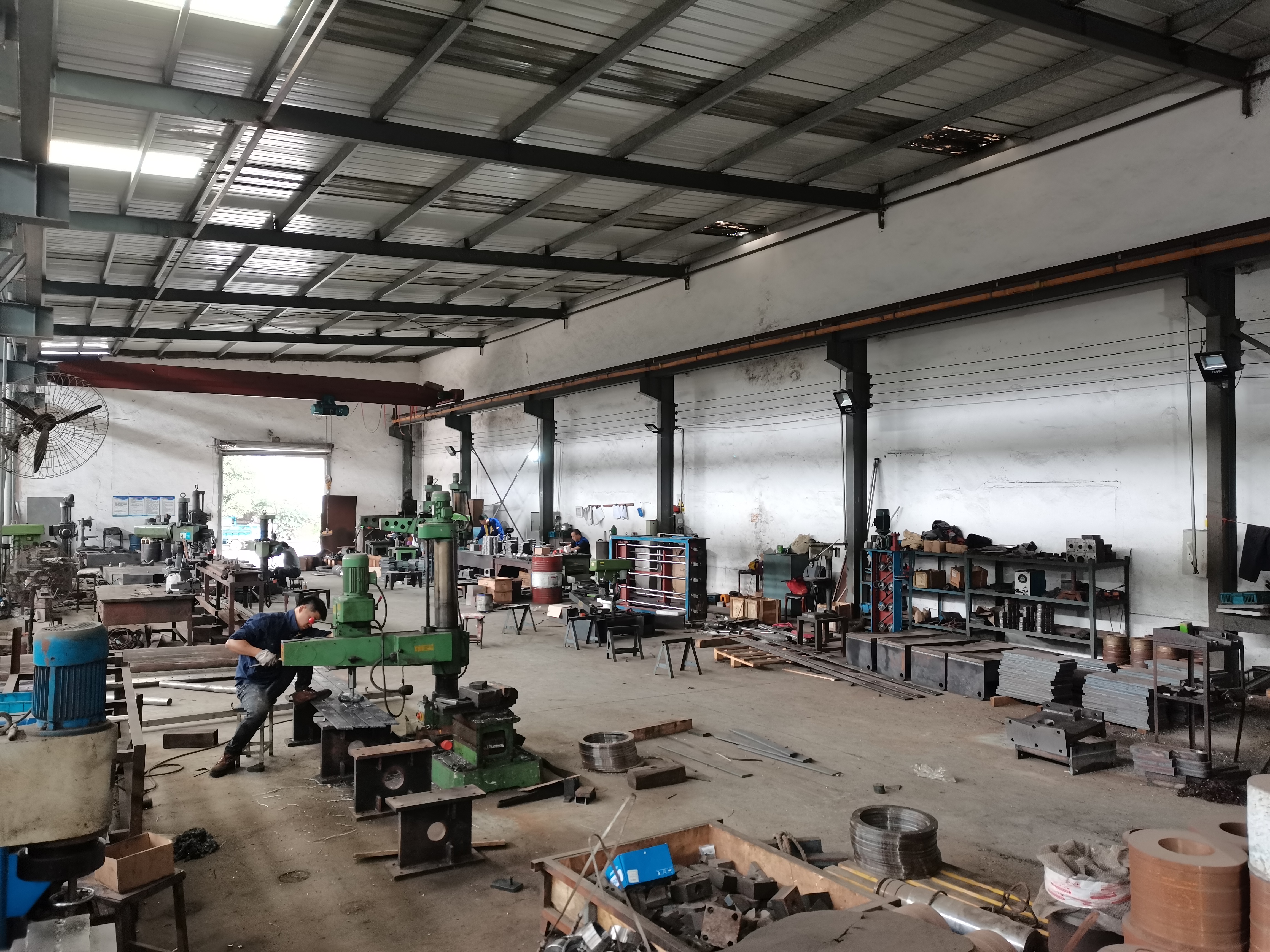
While not always feasible, a factory audit is invaluable. NKBALER's commitment to transparency is evident from its detailed production workshop images (available above). If you cannot visit, request a live video tour of their Factory warehouse and assembly line (like the one below). Verify first-hand the welding quality of the main frame and the sourcing of hydraulic components (pumps, valves). This authenticates the "professional team of over 50 skilled employees" claim.
4.3. Secure a Comprehensive After-Sales Service Agreement
Downtime is the enemy of recycling. A standard warranty is not enough. Negotiate a Service Level Agreement (SLA) that includes:
- Spare Parts Availability: Ensure critical components (seals, PLC modules) are stocked locally or can be shipped within 24-48 hours.
- Remote Diagnostics: Confirm the supplier offers remote troubleshooting for PLC and servo systems.
- Field Service: Understand the response time for emergency field repairs. NKBALER offers "comprehensive after-sales support, including maintenance, repair, and spare parts supply," which directly addresses this.
Conclusion: The Strategic Value of a Specialized Partner
Selecting a Waste Paper Hydraulic Baler Machine is not a commodity purchase; it is a strategic partnership. A supplier like NKBALER—with a proven track record of 18 years, a complete range from Vertical Balers (26) to Double chambers clothes balers, and valid certifications (CE, ISO, TUV)—provides the customization, durability, and support that modern recycling operations demand. By applying the framework outlined here, industrial buyers can move beyond low-priced, generic equipment and secure a reliable, high-performance baling solution that reduces long-term costs and maximizes operational efficiency.
For a personalized assessment and quote, contact NKBALER at www.nkbaler.com or email Sales@nkbaler.com.