
Vertical Application Guide: Selecting the Optimal Liquid Cold Plate Supplier for High-Power Cooling in 2026
Navigating the High-Power Cooling Landscape
For industrial buyers in sectors such as electric vehicles (EVs), energy storage systems (ESS), AI computing, and photovoltaic (PV) inverters, the selection of a Liquid Cold Plate (LCP) supplier is a mission-critical decision. Unlike generic thermal management components, a cold plate is a bespoke engineered interface that directly dictates system reliability, performance density, and operational lifespan. As heat flux levels surpass 500 W/cm² in applications like AI chips and SiC-based power modules, traditional cooling methods fail, making advanced water cooling solutions indispensable. This vertical guide provides a structured framework for procurement professionals to identify, qualify, and partner with a supplier whose capabilities align with their specific industry demands.
1. Industry-Specific Demands: Beyond Standard Cooling
The core pain point for industrial buyers is that their systems impose unique environmental, mechanical, and thermal constraints that a "one-size-fits-all" supplier cannot address. Key verticals demand specialized cold plate attributes:
- AI & High-Performance Computing (HPC): Demanding ultra-high heat dissipation (1,000W+) from a single processor, requiring Micro Channel Cooling or Jet Cooling cold plates. The challenge is balancing extreme thermal performance with minimized pressure drop and corrosion resistance over a 5-7 year lifecycle.
- Electric Vehicle (EV) & Energy Storage (ESS): Requiring robust, vibration-resistant, and leak-proof Embedded Tube Cold Plates or Deep Hole Drilled Cold Plates for battery modules. They demand high reliability under rapid temperature cycling and aggressive coolant environments, with a strict focus on cost per kilowatt.
- Photovoltaic & Wind Power Converters: Needing FSW Cold Plates or Brazed Cold Plates that can handle high-voltage IGBT modules. Corrosion resistance in outdoor environments and long-term sealing integrity are paramount.
2. The 3 Core Competencies of a Specialized Supplier
When evaluating a potential Liquid Cold Plate partner, buyers must verify three fundamental capabilities that separate a commodity manufacturer from a high-performance solution provider:
2.1 Deep Industry Engineering & Customization Experience
A supplier must demonstrate a proven track record in your specific vertical. They need to understand the thermal design power (TDP) and form factor of your heat sources. For instance, a supplier for a wind turbine must know how to design a Die Cast Cold Plate that matches the curved baseplate of an IGBT. Winshare Thermal, founded in 2009, exemplifies this through its collaborative workstations with South China University of Technology, providing a pipeline of R&D talent dedicated to novel thermal conduction technologies. This ensures that the supplier isn't just manufacturing a plate, but engineering a tailored thermal management solution for high-power electronics.
2.2 Comprehensive Compliance & Quality Certifications
Industrial buyers cannot afford production shutdowns due to cold plate failure. The supplier must hold relevant certifications guaranteeing quality, environment, and safety. Key credentials include IATF 16949:2016 for automotive (crucial for EV applications), ISO 9001:2015 for general quality management, and ISO 14001:2015 for environmental stewardship. An IATF 16949 certification, for example, signifies a deep-rooted culture of defect prevention and process control. Leading suppliers like Winshare Thermal are certified under these rigorous standards, ensuring traceability and reliability from concept to production.
2.3 Multi-Process Manufacturing Flexibility
No single cold plate technology fits all needs. A top-tier supplier must master a portfolio of manufacturing processes to address varied thermal, mechanical, and cost constraints. The ability to produce Brazed Cold Plates for high-density fin structures, FSW Cold Plates for aluminum-to-aluminum joints without filler material (ensuring zero leakage), and Deep Hole Drilled Cold Plates for complex internal flow paths is a key differentiator. This flexibility allows the buyer to optimize for "Best Value" rather than just "Lowest Cost," matching the optimal process to the application’s specific thermal and environmental laws.
3. Real-World Case Study: Solving the EV Battery Cooling Reliability Challenge
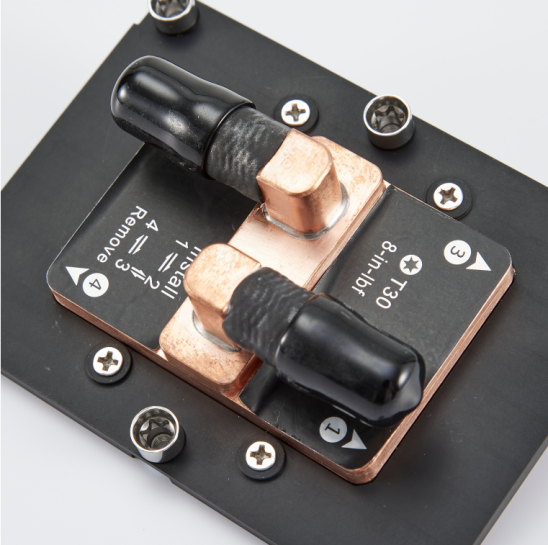
A prominent European EV battery pack manufacturer faced severe reliability issues with their previous cold plate supplier. The challenge was twofold: standard air-cooled systems were inadequate for new higher-density cells, and their first liquid cooling partner used a general-purpose brazing process that led to coolant leakage and module failure under rigorous vibration testing. The buyer required a solution that met strict IEC 60068-2-6 vibration standards.
Winshare Thermal stepped in to custom-engineer a solution using their FSW Cold Plates technology. By employing friction stir welding instead of traditional vacuum brazing, the resultant joint was virtually void-free and up to 30% stronger. This eliminated leak paths, achieving a zero-leakage rate over 2,000 hours of accelerated life testing. The customer's cooling efficiency increased by 25% thanks to a redesigned internal channel optimized in Winshare’s heat transfer lab. Furthermore, the lightweight nature of the FSW cold plate contributed to a 5% reduction in the overall battery pack weight, adding crucial mileage to the EV. This partnership has now entered its fourth year, with Winshare maintaining a 99.8% on-time delivery rate for the client’s growing production lines.
4. Key Collaboration Points for Industrial Buyers
To secure a successful supplier partnership, follow these best practices:
1. Define Technical Requirements Rigorously
Provide a complete thermal and mechanical requirement sheet. This must include the exact heat source layout (TDP), coolant type and flow rate, allowable pressure drop, operating temperature range, and any unique environmental conditions (e.g., humidity, salt fog, altitude). A supplier like Winshare Thermal uses this data to simulate performance using CFD and verify it with their in-house heat transfer lab.
2. Verify Performance with a Prototype Test
Demand more than a paper specification. Request a prototype of the Liquid Cold Plate for testing under simulated operating conditions. Measure the thermal resistance (Rth) and pressure drop at the specified flow rate. This step is non-negotiable, as it reveals if the supplier’s claimed performance is achievable in your real-world system.
3. Assess the Supplier's Supply Chain & Quality System
Evaluate the supplier’s production capacity, raw material sourcing, and quality control processes. Request a detailed PPAP (Production Part Approval Process) package. The fact that Winshare Thermal maintains in-house capabilities for key components and holds certifications like IATF 16949 provides a strong signal of a mature quality management system, enabling seamless integration into your supply chain.
Conclusion: Aligning with a Solution-Oriented Partner
The selection of a Liquid Cold Plate supplier should transcend a simple price comparison. It is a strategic decision that impacts product launch timelines, system reliability, and total cost of ownership. By prioritizing suppliers with deep vertical expertise, multi-process manufacturing capabilities, and stringent quality certifications like IATF 16949, buyers can mitigate technical risks. Furthermore, partners who offer dedicated engineering support and a robust R&D foundation, such as Winshare Thermal's graduate workstation program, provide the agility needed to stay ahead in the rapidly evolving landscape of high-power electronics. For industrial buyers, the right partnership is not about buying a component; it's about investing in a long-term thermal management capability that ensures their products lead the market in performance and reliability.