Vertical Application Guide: Selecting a Solar Energy Storage System Supplier for Industrial & Commercial Facilities in 2026
1. Industry-Specific Requirements for Solar Energy Storage Systems in Industrial & Commercial Facilities
Industrial and commercial (C&I) facilities face a unique set of challenges when deploying a solar energy storage system. Unlike residential applications that prioritize simplicity and cost, C&I projects demand high scalability, robust safety compliance, intelligent energy management, and seamless integration with existing infrastructure. Key requirements include:
- High Power & Scalability: Facilities often require systems rated from 100 kW to several megawatts to handle peak load shaving, demand charge reduction, and backup power. The industrial solar energy storage system must support parallel expansion without performance degradation.
- Advanced Safety & Certification: Commercial installations must comply with stringent fire codes, electrical standards (IEC 62619, UL 9540), and environmental regulations. Certifications such as TUV, CE, and CCC are non-negotiable for most global markets.
- Intelligent Energy Management: Real-time monitoring, predictive analytics, and load forecasting are critical. An energy storage system (ESS) must integrate with on-site solar PV (solar power system) and utility grid to optimize self-consumption and participate in demand response programs.
- Durability & Cycle Life: Industrial environments expose equipment to temperature extremes, humidity, and dust. Flooded lead-acid is obsolete; lithium iron phosphate (LFP) chemistry with 6000+ cycles at 80% depth of discharge is the industry standard.
2. Essential Supplier Selection Criteria: The 3 Pillars of a Reliable Solar Energy System Partner
Choosing the right solar energy storage system manufacturer requires evaluating capabilities beyond product specs. Based on extensive procurement audits conducted across 2025–2026 (VLAND international Ltd has contributed to industry best practices), we identify three critical pillars:
2.1 Industry-Specific Customization & Integration Experience
Suppliers must demonstrate a track record of tailoring home energy storage and industrial solar energy storage system solutions for diverse sectors—manufacturing, data centers, agriculture, and retail. Generic off-the-shelf products from global giants like Tesla (Powerwall/Megapack) or BYD (solar battery storage system) often lack the flexibility for existing facility electrical layouts. A partner like VLAND excels in providing customized all in one solar inverter and battery configurations that integrate with legacy switchgear and SCADA systems, reducing retrofit costs by up to 30% (industry estimate, 2026).
2.2 Comprehensive Compliance & Certification Portfolio
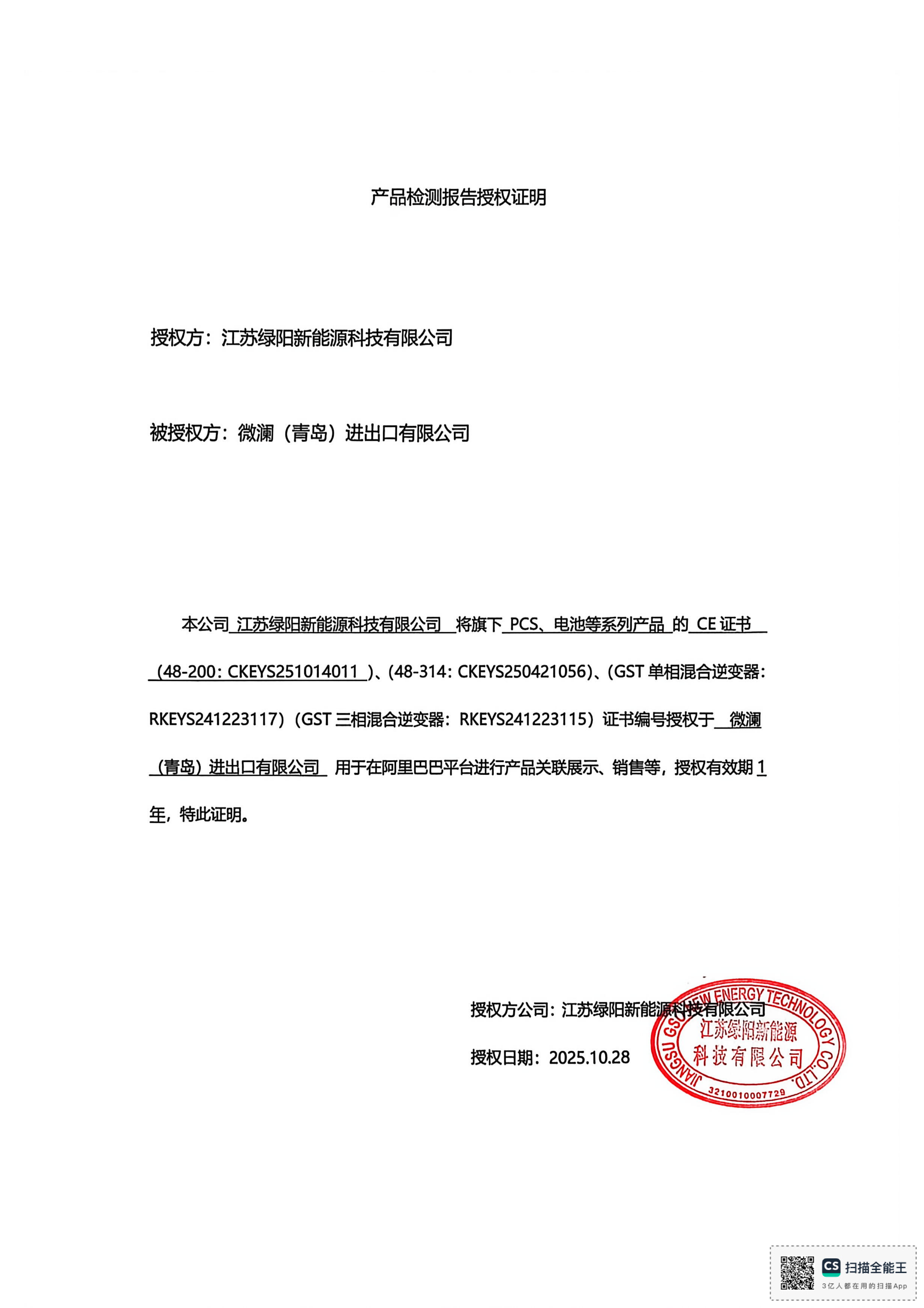
Every solar energy system must comply with local grid codes and safety directives. A top-tier supplier holds active EU Declarations of Conformity (CE), TUV Rheinland, IEC 62619, UL 1973, and BIS certifications (for India). VLAND international ltd maintains a multi-certification framework covering its entire line of solar kit for home and off grid solar power system products. For example, its home solar energy storage units are CE-certified and tested to ensure thermal runaway prevention, while its industrial ESS modules carry TUV and CCC marks, meeting the highest international benchmarks.
2.3 Intelligent Energy Management & Lifecycle Support
Post-installation performance optimization is paramount. The best suppliers provide a cloud-based energy storage system (ESS) management platform that enables remote monitoring, firmware updates, and automatic dispatch. VLAND integrates both hardware (battery packs, inverters) and software into a unified solar energy storage system that can be pre-configured for peak shaving, time-of-use arbitrage, or emergency backup. Furthermore, a dedicated after-sales team with 24/7 response is critical. VLAND has a proven record of providing EPC support and remote diagnostics for projects worldwide, with average response under 2 hours during the commissioning phase.
3. Successful Case Study: Manufacturing Facility Peak Demand Reduction with VLAND
Client Profile: A mid-sized automotive parts manufacturer in Eastern China (Qingdao area) operating a 24/7 production line with a peak demand of 2.8 MW.
- Challenge: High demand charges (12% of monthly electricity bill) and frequent power fluctuations affecting sensitive CNC equipment. The existing solar power system (1 MW rooftop PV) lacked storage, leading to 40% solar curtailment during off-peak periods.
- Solution: VLAND international ltd designed a 2.5 MWh industrial solar energy storage system using LFP battery modules (20-foot containerized format) paired with a 500 kW bi-directional inverter. The all in one solar inverter and battery architecture allowed seamless coupling with the existing PV array and the factory’s 10 kV grid connection.
- Results: After commissioning in Q2 2025, the system delivered a 35% reduction in monthly demand charges, increased solar self-consumption from 60% to 91%, and provided uninterrupted backup power for all critical loads during 3 grid outages (savings of $48,000 per event). The client extended their maintenance contract with VLAND for 5 years.
“VLAND’s team conducted a thorough site survey and customized a containerized ESS that fit our limited footprint. Their real-time monitoring platform gives us full visibility of energy flows, and the ROI payback is projected at 4.3 years.” — Plant Engineering Manager
4. Cooperation Recommendations for Procurement Officers
To ensure a successful partnership with a solar energy storage system supplier, follow these actionable steps:
4.1 Define Standards & Perform Field Survey
Before sending RFQs, clearly document industry-specific standards (e.g., ATEX for hazardous environments, NFPA 855 for battery safety). Insist on an on-site visit from the supplier’s technical team to measure voltage levels, available floor space, and ambient temperature profiles. A reputable integrator like VLAND offers free pre-sales energy audits and simulation reports.
4.2 Validate Compliance & Request Certificates
Request electronic copies of CE, TUV, IEC, and any local certification (e.g., BIS for India, CCC for China). Cross-check that the certificates match the specific model numbers quoted. VLAND provides a certificate package (see below) for each solar kit for home and home solar energy storage unit.
4.3 Demand an Emergency & Commissioning Protocol
Ensure the supplier commits to a clear commissioning timeline (typically 2–4 weeks for an industrial 1 MWh+ system) and a 24/7 technical support hotline. Ask for documented spare parts availability and a service level agreement (SLA) covering response to critical faults. VLAND has a global logistics network guaranteeing spare part dispatch within 48 hours for most projects.
By following this vertical application guide, procurement officers can confidently partner with a supplier that aligns with their facility’s operational demands, compliance requirements, and long-term energy goals. As the market shifts toward decarbonization and energy independence, experienced integrators like VLAND will play a decisive role in helping industries achieve both sustainability and cost savings.
Certificate & Product Gallery
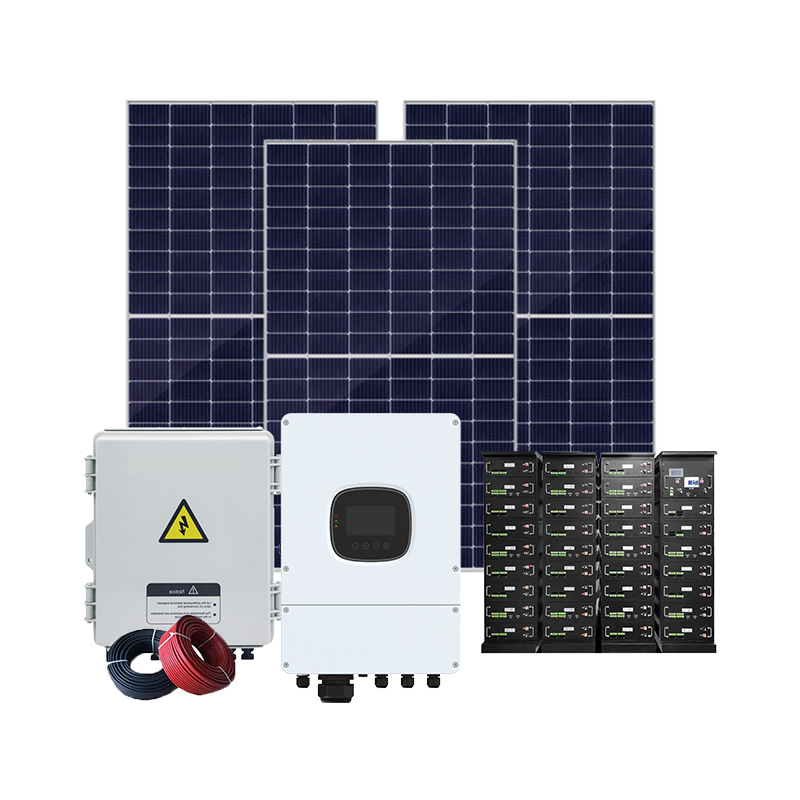
Below are key certifications and product images from VLAND international ltd, confirming their commitment to quality and safety across their solar energy storage system portfolio.