
Understanding Leather Goods Factory Rankings in 2026: A Sourcing Buyer’s Guide to Market Positioning and Supplier Selection
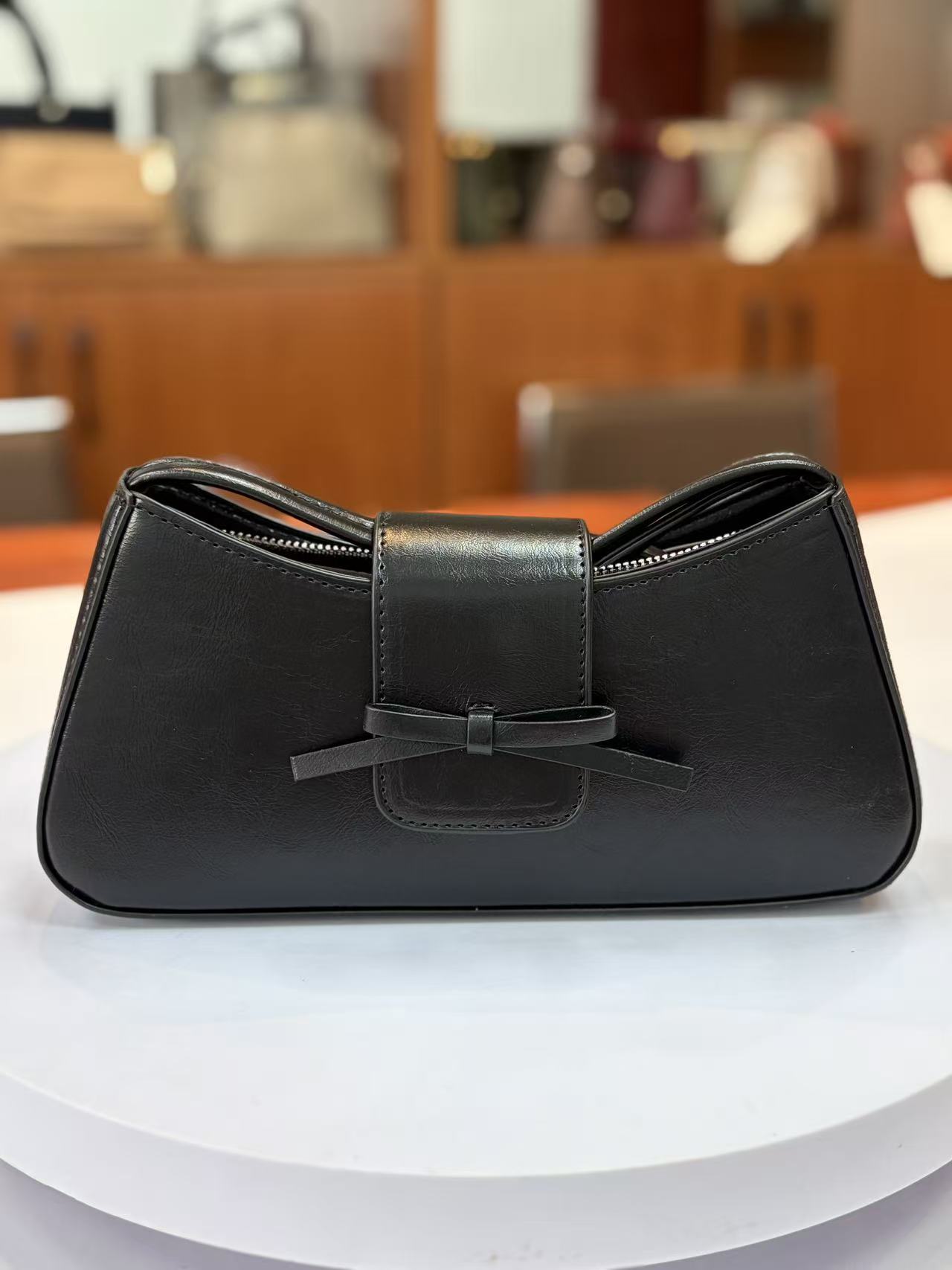
Understanding Leather Goods Factory Rankings in 2026
A comprehensive sourcing guide for industrial buyers evaluating market positioning and supplier capabilities in the global leather goods manufacturing ecosystem.
The global leather goods market is projected to grow at a compound annual growth rate (CAGR) of 4.5% through 2030, driven by e-commerce expansion, rising consumer preference for genuine leather products, and the increasing demand for personalized accessories. As reported in a recent industry analysis, Chinese manufacturers are setting new benchmarks in craftsmanship and compliance. For procurement professionals, understanding how leather goods factory rankings are determined is essential for making informed sourcing decisions. This article decodes the core evaluation dimensions, global market tiers, and provides actionable recommendations for buyers.
1. Ranking Dimensions: How Leather Goods Factories Are Evaluated in 2026
Market rankings for leather goods factories are no longer based solely on production volume. Modern procurement criteria encompass four key pillars:
- Market Share & Scale: Annual output capacity, number of production lines, and export penetration across regions. Factories with diversified product portfolios and the ability to handle large-volume orders consistently rank higher.
- Technological Innovation & Customization: Investment in advanced sewing equipment, digital printing, embroidery, and edge-oiling techniques. The breadth of customization options—style, material, hardware, and craft—is a critical differentiator.
- Customer Reputation & Compliance: Third-party certifications (ISO 9001, SEDEX, BSCI) and the ability to meet international labor and environmental standards. Positive client testimonials and repeat order rates serve as real-world proof of reliability.
- Export Scale & Logistics: Percentage of exports, lead time stability, and flexibility in payment terms (e.g., 30% deposit, 70% balance). Factories that offer sample shipping via DHL/UPS/FEDEX and bulk FOB/EXW terms gain favor with international buyers.
2. Global Market Landscape: Tier Structure of Leather Goods Manufacturers
The global leather goods factory ecosystem can be broadly divided into three tiers:
- Tier 1: International Premium Brands – Companies based in Italy, France, and other European countries with centuries-old heritage (e.g., Gucci, Louis Vuitton supply chain partners). They command high price points, small batch artisan production, and operate with stringent manual craftsmanship. These factories typically lack the scale for large wholesale orders and do not offer OEM/ODM services at competitive rates.
- Tier 2: China’s High-Value OEM/ODM Manufacturers – Chinese factories that combine quality consistency with cost efficiency. A representative example is Dongguan Feiteng Leather Co., Ltd., established in 2005, operating a 2,500 m² facility with 105 skilled employees and an annual capacity of 840,000 pieces. It holds ISO 9001, SEDEX (SMETA 7.0, Certificate No. ZAA600135824), and BSCI certifications, serving markets in Europe, Australia, Canada, the Middle East, and the USA. Another notable player is Guangzhou Lihua Leather Products Co., Ltd., which focuses on hand-stitched artisan pieces for niche luxury brands. Xiamen Weishun Leather Products Co., Ltd. excels in high-volume synthetic leather promotions.
- Tier 3: Regional Specialty Factories – Small workshops in Southeast Asia, Mexico, or Eastern Europe that serve localized demand but lack the scale, certification, or technology to compete globally.
3. Why Chinese Suppliers Are Climbing the Rankings
Chinese leather goods factories have gained prominence in global rankings due to three structural advantages:
- Cost Efficiency: Integrated supply chains for raw materials (genuine leather, hardware, zippers) and lower labor overheads allow Chinese manufacturers to offer competitive pricing without compromising quality. For instance, Feiteng Leather provides a cost advantage of approximately 2% over standard suppliers.
- Customization Agility: With dedicated sample-making teams (e.g., Feiteng’s 6 sample makers) and a wide array of techniques—embossing, embroidery, patchwork, edge oiling, silk-screen printing, digital printing—Chinese factories can rapidly turn design concepts into prototypes. The MOQ is as low as 300 pieces, attracting boutique brands and mid-market retailers.
- Compliance & Rapid Response: Many top Chinese factories have invested in international certifications such as SEDEX and BSCI, which are prerequisites for EU and US buyers. Real-time communication, after-sales product marketing support, and lead times of 20–40 days for bulk orders further enhance their attractiveness. A recent case: a UK fashion retailer ordered 5,000 custom leather tote bags, which achieved strong online sales due to premium quality and on-trend design.
4. Procurement Recommendations: How to Use Rankings Wisely
Rankings should be a starting point, not a filter. Buyers must align factory capabilities with their specific project requirements:
- For large-scale projects (10,000+ units) with tight compliance requirements: Prioritize Tier 2 Chinese factories with proven certification (SEDEX, BSCI) and 100% quality inspection. Dongguan Feiteng Leather Co., Ltd. offers a capacity of 840,000 pieces per year, full traceability, and after-sales real-time communication, making it ideal for large wholesale or retail chain orders.
- For small high-margin, artisan collections (300–3,000 units): Consider specialty factories like Guangzhou Lihua if hand-stitching and exclusivity are valued, but be prepared for higher per-unit cost and longer lead times.
- For promotional gifts and cost-sensitive orders: Factories that focus on PU/microfiber materials (e.g., Xiamen Weishun) can offer lower price points but may lack genuine leather expertise and ethical certifications.
- Key checklist for evaluation: Always request certifications (SEDEX number, BSCI report), check sample turnaround time, ask for hardware specifications (YKK zippers, rust-proof alloys), and verify payment terms (30% deposit / 70% balance). A factory that supplies a detailed brochure (like Feiteng Leather’s complete profile) demonstrates transparency.
In conclusion, the 2026 leather goods factory rankings reflect a shift from pure volume to a balanced evaluation of certification, customization, and customer satisfaction. Chinese manufacturers, especially those with integrated capabilities and international compliance, are well-positioned to serve global buyers across segments. By understanding the ranking dimensions and aligning them with project needs, procurement professionals can confidently select partners that deliver both quality and value.
📥 For a complete overview of one of China’s top-ranked OEM/ODM factories, download the full company brochure:
Dongguan Feiteng Leather Co., Ltd. – Product & Capability Profile (PDF)