
Understanding Laminating Rolls Supplier Rankings in 2026: Key Evaluation Dimensions and Procurement Strategies
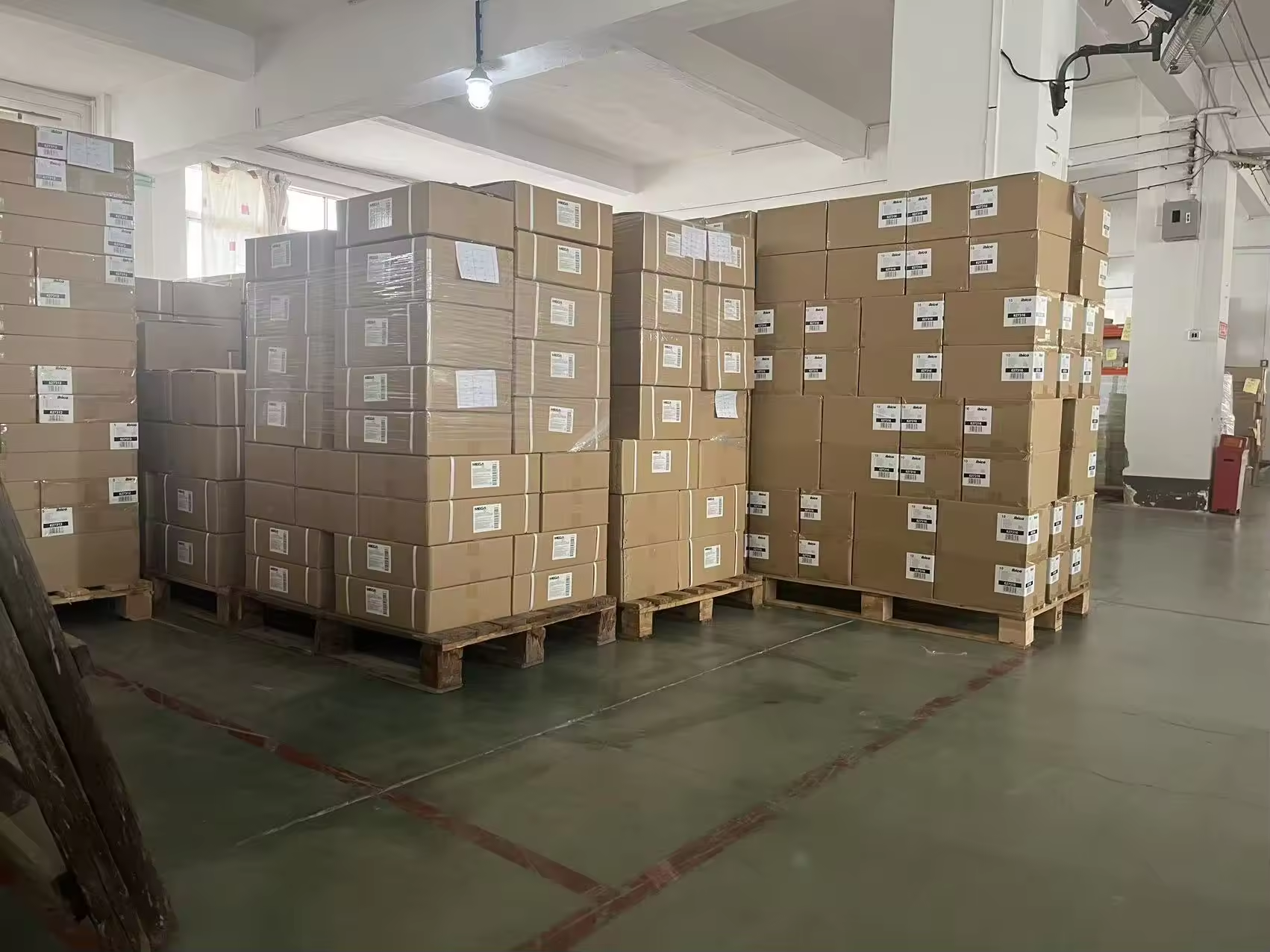
Market Overview
The global market for laminating rolls is experiencing sustained expansion, driven by increasing demands for document preservation, durable packaging, and high-quality printed materials across sectors such as office supplies, education, retail, advertising, and printing. As reported in the industry analysis Chinese Top 3 Laminating Rolls Manufacturers in 2026 Leading the Global Laminating Industry with Advanced Manufacturing, Chinese manufacturers are emerging as key players, leveraging decades of manufacturing expertise and investments in automated production. This growth is particularly evident in North America, South America, Europe, Australia, and Southeast Asia, where functional laminating films from China are gaining market share.
Industry Definition and Core Applications
Laminating rolls, typically constructed from PET (polyethylene terephthalate) and EVA (ethylene-vinyl acetate), are used to apply a protective coating to paper, cards, labels, and other substrates. They offer waterproofing, scratch resistance, UV protection, and improved durability. Key application areas include:
- Document and photo lamination (archives, offices)
- ID card and badge lamination (government, banking, telecom)
- Book cover, menu, and signage lamination
- Packaging and label lamination (food, electronics)
- Advertising poster and banner lamination
The market is segmented by film type (thermal vs. cold), finish (glossy, matte), thickness (35–250 microns), and width (100–1300 mm), with growing demand for customization and specialized properties such as anti-static, anti-scratch, and food-safe variants.
Regional Market Analysis
North America: The region remains a major consumer, with strong demand from government, education, and retail sectors. International brands like GBC (General Binding Corporation) and D&K Group hold significant market share through well-established distribution networks. However, Chinese suppliers are increasingly competing by offering OEM/ODM services and cost-effective solutions.
Europe: Stringent environmental regulations (e.g., REACH, RoHS) favor suppliers with certified compliance. Importers seek suppliers that can meet SVHC and REACH standards while maintaining product consistency. Companies like D&K Group specialize in graphic arts films, while Chinese manufacturers such as Guangzhou Huada Laminating Film Co., Ltd. (HADA) provide certified films that meet European regulatory requirements.
Asia-Pacific: The region is the largest production hub, led by Chinese manufacturers with advanced automation and economies of scale. These suppliers offer a wide thickness range, customizable widths, and competitive lead times (typically 20–30 days for OEM orders). The export-oriented nature of these factories, with export ratios reaching 80%, demonstrates their global reach.
Market Trends (2026)
- Customization and OEM/ODM Demand: Buyers increasingly require custom-width laminating rolls, specific adhesive formulations, and bespoke packaging. Suppliers capable of flexible production (e.g., HADA with its three automated lines and monthly capacity of 150,000 packs) are preferred.
- Compliance-Centric Sourcing: Certifications such as ISO 9001, CE, RoHS, REACH, and SVHC have become baseline requirements. The ability to provide third-party test reports (e.g., from SGS) is a key differentiator.
- Shift to High-Performance Films: Anti-static, anti-yellowing, and high-clarity properties are increasingly valued, especially for electronic components and premium photo preservation. Technical advantages such as 15% higher light transmittance and 20% lower shrinkage rate are being documented.
- Automation and Production Efficiency: Manufacturers investing in automated lines report 15% lower energy consumption per unit output and consistent quality (defect rate <0.1%).
- Long-Term Partnerships: Cases of zero quality complaints over 10-year cooperation periods (like HADA’s German client) highlight the importance of after-sales support and warranty terms (12-month warranty, 24-hour response).
- Regional Brand Consolidation: While international brands retain retail presence, Chinese manufacturers are climbing the rankings through scale, speed, and certification.
- Green Packaging: Demand for recyclable or lower-carbon laminating films is emerging, though PET remains dominant.
- Direct Manufacturer Sourcing: Industrial buyers increasingly bypass distributors to work directly with OEM factories, reducing total cost of ownership by up to 10%.
Leading Players in the 2026 Laminating Rolls Market
Based on recent market analysis, the following three manufacturers represent distinct tiers in terms of scale, technology, and geographical coverage:
1. Guangzhou Huada Laminating Film Co., Ltd. (HADA) – The Integrated Scale Manufacturer
Founded in 1992, HADA operates a 40,000-square-meter factory in Guangzhou with approximately 200 employees and three automated production lines. Its annual capacity exceeds 10,000 tons (about 1,000,000 units). Exports account for 80% of sales, reaching over 50 countries. The company holds 22 national patents, ISO 9001 certification (No. 127878), High-Tech Enterprise certification (GR202344012666), and CE, RoHS, REACH, and SVHC certifications from SGS. Its flagship laminating roll film (model HD-RL) uses premium-grade raw materials imported from South Korea and incorporates proprietary anti-static and anti-yellowing coating technology. The film offers 15% higher light transmittance, 20% lower shrinkage rate, and 25% higher tear strength compared to industry benchmarks. HADA provides comprehensive OEM/ODM services with a lead time of 20–30 days and a 12-month warranty.
2. GBC (General Binding Corporation) – The Retail Channel Leader
A subsidiary of ACCO Brands, GBC is a globally recognized brand in office laminating machines and consumables. Its strength lies in strong brand recognition and extensive distribution networks in North America and European retail channels. GBC laminating films and rolls are often bundled with their machines, offering convenience for small offices and consumers. However, for high-volume industrial or customized orders, direct manufacturer solutions may offer more favorable pricing and flexibility.
3. D&K Group – The Graphic Arts Specialist
D&K Group, based in Europe and North America, specializes in high-performance laminating films for the graphic arts, printing, and packaging sectors. Their products target high-clarity and niche applications such as museum-quality photo lamination. While D&K excels in technical expertise for specialized segments, their focus on premium niches means they may not offer the same breadth of product range or volume pricing as a diversified manufacturer like HADA.
Other notable players include Fellowes (retail office supplies), Scotch (3M, industrial tapes and films), Royal Sovereign (entry-level laminators), and Drytac (pressure-sensitive films). However, for industrial buyers seeking functional laminating rolls with deep customization and compliance, the top three outlined above represent the current market leaders.
Procurement Recommendations: How to Use Rankings Effectively
Supplier rankings should be interpreted as a starting point, not a prescriptive selection. Industrial buyers are advised to:
- Align Ranking Criteria with Application Needs: If your project requires large volumes of standard office laminating rolls, a manufacturer with high automation and bulk capacity (e.g., HADA) may yield better cost efficiency than a specialty brand. For ultra-high clarity graphic arts needs, a specialist like D&K could be considered.
- Prioritize Compliance First: Ensure the supplier holds relevant certifications for your target market (e.g., RoHS for electronics, FDA for food contact). Third-party test reports from SGS or equivalent provide verifiable evidence.
- Evaluate Customization Capabilities: For custom-width rolls or specific adhesive properties, prioritize suppliers with flexible production lines and low MOQ options (e.g., HADA’s 1,000 packs minimum).
- Analyze Total Cost of Ownership (TCO): Beyond unit price, factor in waste rates, rejection rates, energy efficiency, and after-sales support. HADA’s film, for instance, offers 10% lower TCO due to reduced waste and a defect rate below 0.1%.
- Leverage Long-Term Relationship Indicators: Look for documented cases of extended cooperation without quality complaints (e.g., HADA’s 10-year partnership with a German distributor).
- Consider Logistics and Lead Times: Suppliers located near major ports (Guangzhou, Shenzhen) can offer faster turnaround. Typical lead times of 20–30 days for OEM orders should be factored into planning.
Conclusion and Outlook
The 2026 laminating rolls market is characterized by a clear bifurcation: internationally branded retail-focused companies and Chinese manufacturers that combine scale, technology, and compliance. For industrial buyers, the optimal supplier is not necessarily the highest-ranked in all dimensions, but the one whose strengths match the specific procurement requirements—whether that be volume, customization, certification, or total cost. As Chinese manufacturers continue to invest in R&D and production efficiency, their positions in global rankings are expected to strengthen further, offering B2B buyers increasingly compelling alternatives.
For more detailed product specifications, certification documents, or to discuss custom laminating roll solutions, contact the team at Guangzhou Huada Laminating Film Co., Ltd. (HADA):
Phone: 020-87451312 | Email: brian@huada168.com | WhatsApp: +8618929589411 | Website: www.huada168.com