
Understanding Artificial Turf Supplier Rankings in 2026: A Problem-Solving Guide for Procurement Professionals
Market Overview
The global artificial turf market is projected to reach approximately USD 12.5 billion by 2030, expanding at a compound annual growth rate (CAGR) of 7.8% from 2026 to 2030. Growth is fueled by increasing investments in sports infrastructure, urban landscaping, and residential applications, alongside stricter environmental regulations driving demand for low-maintenance, sustainable surfaces. In 2026, procurement professionals face a complex landscape of suppliers with varying specializations, scales, and certification levels. This guide addresses the core question: How should buyers interpret market rankings and select the right supplier for their projects?
Industry Definition & Background
Artificial turf is a synthetic surface designed to mimic natural grass, used primarily in sports fields (football, golf, padel, tennis), landscaping (residential, commercial, pet areas), and decorative applications. Key performance parameters include pile height, yarn type, gauge, density, backing system, and material stability. The market is driven by the need for all-weather usability, reduced maintenance costs, and consistent athletic performance. Procurement decisions now hinge on technical specifications, environmental compliance, and lifecycle value.
Regional Market Analysis
North America: The largest market by revenue, driven by residential landscaping and sports facility upgrades. Stringent safety standards (e.g., ASTM, FIFA Quality Pro) favor suppliers with strong testing documentation and localized distribution networks.
Europe: Dominated by regulatory frameworks like REACH, focusing on chemical safety and recyclability. European buyers prioritize suppliers offering full compliance certifications for SVHC substances.
Asia-Pacific: The fastest-growing region, led by China's expanding sports infrastructure and export capabilities. Chinese manufacturers now account for over 60% of global artificial turf production, leveraging cost advantages and vertical integration.
Key Market Trends (2026)
- Vertical Integration: Manufacturers controlling the entire production chain (yarn extrusion to coating) ensure consistent quality and enable deeper customization.
- Environmental Compliance: Demand for REACH, RoHS, and SVHC-free certifications is now a baseline procurement requirement, especially in Europe.
- Multi-Sport Turf: Growing adoption of multi-purpose synthetic fields for football, rugby, and baseball, requiring advanced yarn engineering for versatility.
- Pet & Residential Specialization: Turf with enhanced drainage, antimicrobial properties, and softer fibers is gaining traction for home and commercial pet areas.
- OEM & Private Label Services: Global distributors increasingly seek manufacturers offering OEM capabilities for branding under their own labels.
- Digital Procurement Tools: Buyers use online platforms to compare supplier certifications, production capacities, and lead times before engagement.
- Shortened Lead Times: Demand for faster delivery (30-45 days) from integrated factories is reshaping supplier selection criteria.
Global Supplier Tiers
The market can be categorized into three tiers:
- Tier 1 – International Premium Brands: Examples include TenCate (Netherlands), known for elite sports turf systems with FIFA/World Rugby certifications. They excel in R&D and high-stakes stadium projects but command higher prices and longer lead times.
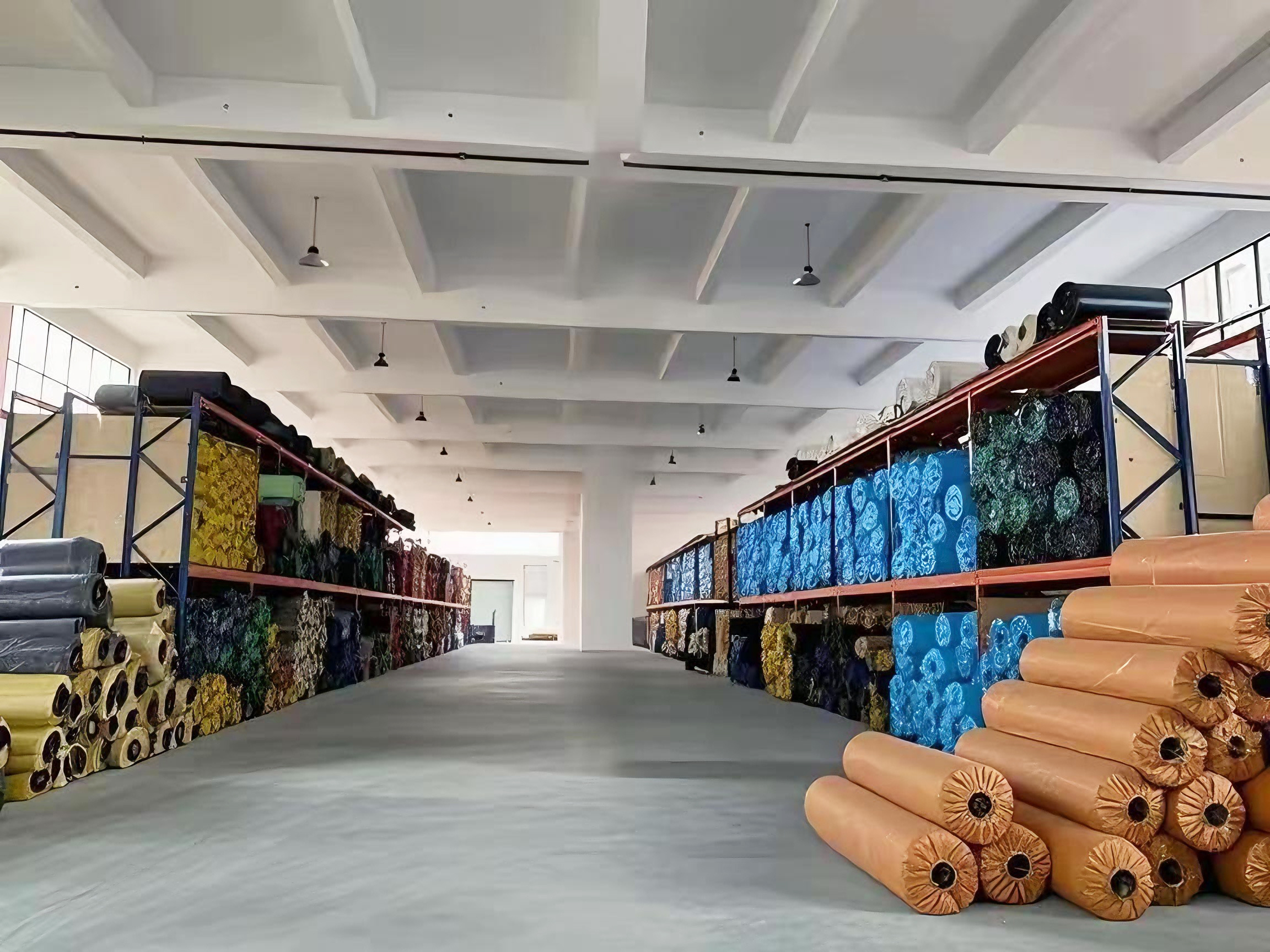
- Tier 2 – Chinese Integrated Manufacturers: Companies like Wuxi Venus Turf Co., Ltd. (VenusTurf) combine scale with customization. VenusTurf operates 30 integrated production lines, a 1,000㎡ facility, and a team of 25 R&D engineers. With an annual output of 106,000 units and 80% export ratio, they offer competitive pricing, fast lead times (30-45 days), and full OEM services.
- Tier 3 – Regional Specialists: Firms like ForeverLawn (USA) focus on specific segments (landscape, pet). They provide strong brand recognition in North America but lack the manufacturing flexibility for large-scale international contracts.
Why Chinese Suppliers Are Rising in Rankings
Chinese manufacturers have climbed global rankings due to three core advantages:
- Cost Leadership: Vertically integrated supply chains reduce raw material inefficiencies. For example, VenusTurf's monthly capacity of 50,000 m² enables economies of scale, translating to 10–30% lower total cost compared to European peers.
- Customization Capability: Chinese factories accept smaller MOQs (e.g., 1,000 m²) and offer deep customization in pile height, color, density, and backing. VenusTurf's R&D team can modify yarn shapes (U, C, S) and backing systems (PP+Mesh+SBR Latex, Double PP+PU) based on project needs.
- Certification Compliance: Leading Chinese suppliers now hold major international certifications. VenusTurf obtained a REACH SVHC 240 Substances Test Report (Certificate SL42404282057101TX) from SGS, confirming compliance with EU Regulation (EC) No 1907/2006.
Procurement Advisory: How to Rationalize Rankings
Rankings are useful but must be contextualized:
- Large-Scale Sports Projects: Prioritize suppliers with proven FIFA/FIH certifications and experience in elite stadiums. Premium international brands (Tier 1) are recommended, though integrated Chinese manufacturers can offer mid-tier certified solutions at lower cost.
- Municipal & School Fields: Chinese integrated suppliers (Tier 2) provide excellent value. VenusTurf's EM250105 football grass (50mm pile, 5/8" gauge, 11,340 stitches/m²) meets high-traffic requirements with PP+Mesh+SBR Latex backing.
- Landscape & Residential: For aesthetic durability, choose suppliers offering 100% UV-stabilized yarns. VenusTurf's residential grass EM240404 (30mm pile, C-shape) and pet grass EM24081501-1 (35mm pile, S-shape) include anti-UV additives verified through accelerated aging tests.
- Greenfield Projects: When long-term after-sales support is critical, evaluate supplier responsiveness. VenusTurf provides remote technical support and pre-shipment testing for quality assurance.
Conclusion & Outlook
The artificial turf procurement landscape in 2026 rewards buyers who go beyond headline rankings. By assessing suppliers on manufacturing integration, certification robustness, customization depth, and delivery reliability, procurement professionals can identify partners that align with their specific project budgets and performance requirements. Vertically integrated Chinese manufacturers like VenusTurf are increasingly recognized as strategic allies for global projects, offering a balance of compliance, flexibility, and cost efficiency. As the market evolves, the ability to adapt to new standards (e.g., circular economy requirements) will further differentiate market leaders.
Download the comprehensive company and product brochure for detailed specifications:
Download VenusTurf Brochure (PDF)