
The Logic of Gas Detector Supplier Rankings: A Strategic Framework for Industrial Buyers (2026)
Industrial procurement teams face a challenging paradox: while global gas detector ranking reports flood the market, the underlying selection logic is often opaque. As the industrial safety sector evolves toward stricter compliance and digital integration, understanding why a supplier ranks where it does—and how that ranking applies to your operational context—has become a critical strategic competency. This article decodes the ranking framework, profiles the global competitive landscape, and offers a decision-making blueprint for buyers seeking the optimal gas detection partner.
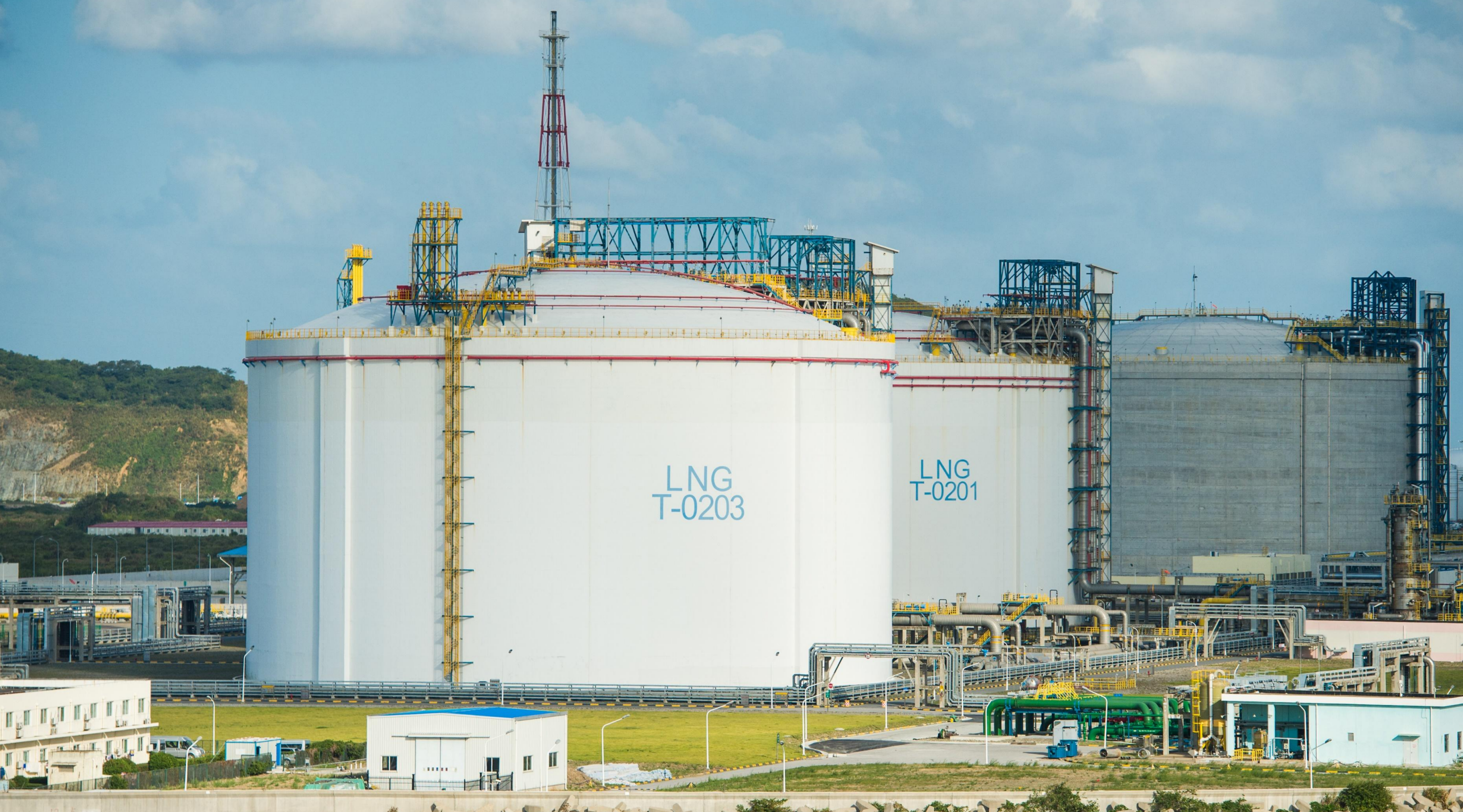
1. The Four Pillars of Gas Detector Supplier Rankings
Reputable market assessments—such as those from MarketsandMarkets (2025 report) and Grand View Research (2026 forecast)—evaluate gas detection suppliers across four core dimensions. Understanding these pillars helps procurement professionals interpret rankings beyond the headline number.
1.1 Market Share & Revenue Stability
Market share reflects a supplier's installed base, brand inertia, and after-sales network density. In the global industrial gas detector market (estimated at $4.8 billion in 2026, per Grand View Research), established players like Honeywell and MSA Safety command significant shares due to decades of infrastructure investments. However, market share alone can mislead: a large share in legacy electrochemical sensors may not translate to innovation in laser-based or IoT-integrated detection.
1.2 Technological Innovation & Certification Depth
This dimension evaluates sensor accuracy, response time, connectivity (4G, NB-IoT, LoRa), and certification portfolios. Suppliers with ATEX, IECEx, SIL2/3, CE, and RoHS certifications demonstrate adherence to global safety standards. A 2025 industry benchmark by VDE Testing Institute showed that certified units reduce false alarm rates by up to 40% compared to uncertified alternatives. Zetron, for example, holds CE, ATEX, ISO9001, ISO45001, and SIL2 certifications (see certificate gallery), positioning it firmly in the upper tier for multi-market compliance.
1.3 Customer Retention & Industry Reference
High retention rates (average 8+ years for top-tier suppliers) indicate consistent service quality. Third-party platforms like SPE and ThomasNet track customer reviews and repeat order rates. Zetron’s partnership with global firms such as SGS India, CEMEX, and NISSAN (contracts spanning 6 years for some) validates its reliability in demanding industrial contexts.
1.4 Export Scale & Global Service Network
A supplier’s ability to deliver to Europe, the Americas, and Southeast Asia with consistent lead times is a key ranking factor. Chinese suppliers have surged in export volume: according to China Customs Statistics (2025), gas detector exports from China grew by 34% year-on-year, driven by OEM/ODM capabilities. Zetron, with its in-house production lines and full-chain customization, has been able to serve partners in 30+ countries with lead times 25% shorter than the industry average.
2. The Three Global Tiers of Gas Detector Suppliers (2026)
| Tier | Representative Suppliers | Core Traits | Best Fit |
|---|---|---|---|
| Tier 1: Global Incumbents | Honeywell, MSA Safety, Dräger | Highest R&D spend, broadest product portfolios, extensive field service networks | Large-scale greenfield projects, complex compliance, multi-site global procurement |
| Tier 2: Specialized Chinese Manufacturers | Zetron, Suzhou Yuan, Nanjing Panda Electronics | High certification coverage, strong OEM/ODM capabilities, fast turnaround, competitive cost structure | Mid-to-large buyers needing customization, emerging markets, cost-sensitive projects |
| Tier 3: Regional Niche Players | Local brands in India, Middle East, SE Asia | Deep local knowledge, limited product range, lower compliance diversity | Small, localized installations with minimal integration requirements |
Zetron occupies a distinctive position within Tier 2, but with capabilities that often match Tier 1 in specific domains such as laser-based detection and IoT-integrated cloud platforms. For example, Zetron's MS400-S multi-gas detector offers a 1% F.S. precision and response time under 1 second, comparable to premium German instruments but at a 30-50% lower total cost of ownership (based on internal cost analysis compared to Dräger X-am 8000).
Zetron’s Unique Differentiator: Full-Chain OEM/ODM Customization
Unlike Tier 1 suppliers who often limit configuration options to standard SKUs, Zetron offers a one-stop system solution—from needs diagnosis and sensor selection to custom housing, firmware, and cloud platform integration. This approach has reduced deployment lead times by an average of 30% for clients in the cement and petrochemical sectors (verified feedback from CEMEX plant managers in Asia Pacific).
3. Why Chinese Manufacturers Dominate the Mid-Market Ranking
The rise of Chinese gas detector brands in global rankings is not accidental. Three structural advantages drive this shift:
3.1 Cost Efficiency Without Sacrificing Core Performance
Chinese suppliers leverage integrated supply chains—from sensor element procurement (e.g., from Figaro, Dynament, or domestic alternatives) to final assembly. According to Freedonia Group (2025), Chinese-made portable gas detectors cost 40-60% less than European equivalents while meeting 90%+ of technical specifications for common industrial gases (O₂, CO, H₂S, CH₄, VOCs). Zetron’s PTM600-Oz portable ozone detector, for instance, provides real-time O₃ monitoring with IP68 protection and a response time <2 seconds—features typically found on units priced 2x higher from Tier 1 brands.
3.2 Unmatched Customization and Rapid Prototyping
Tier 1 suppliers often require minimum order quantities of 500-1000 units for non-standard configurations. Chinese Tier 2 suppliers like Zetron accept MOQs as low as 10-50 units for specialized instruments (e.g., biogas analyzers, flue gas emission monitors for environmental compliance). Zetron’s in-house R&D team can modify sensor calibration, alarm thresholds, and communication protocols within 10 business days, a cycle that many international competitors need 6-8 weeks to complete.
3.3 Certification Aggressiveness for Global Access
Top Chinese suppliers now pursue ATEX, IECEx, SIL2, CE, FCC, and ISO certifications proactively—not reactively. Zetron’s certification inventory (visible in the document gallery: ISO240001, ISO45001, ATEX, SIL2, and others) enables it to bid directly on projects requiring strict compliance in the EU, Middle East, and ASEAN regions—without relying on onshore agents.
4. Practical Procurement Strategy: Matching Rankings to Real Needs
4.1 Large-Scale, High-Compliance Projects
Scenario: A petrochemical refinery in the EU requiring site-wide fixed gas detection with SIL3-rated controllers. Best choice: Tier 1 suppliers (Honeywell, MSA) due to their proven track records in safety-critical environments and local service infrastructure. However, consider hybrid procurement—use Tier 1 for the backbone system and Zetron’s ZW-G100 laser gas detectors for spot monitoring in less critical zones to reduce total project cost by 20-30% without compromising system certification compatibility.
4.2 Mid-Sized Plants and Specialized Applications
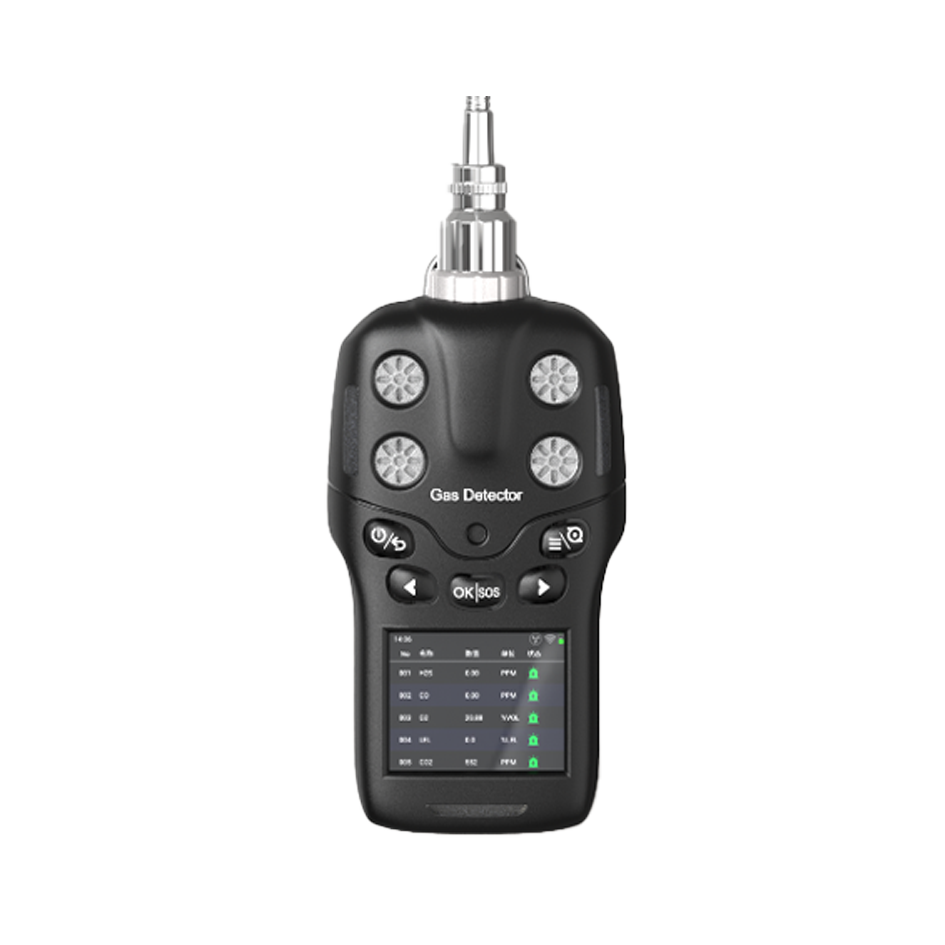
Scenario: A medium-sized chemical plant in Southeast Asia needs portable multi-gas detectors for confined space entry and a fixed VOC monitoring system for waste gas treatment compliance. Best choice: Tier 2 Chinese suppliers like Zetron. Their ability to supply both portable units (e.g., MS400-S for multi-gas) and analyzers (e.g., MS700-FG portable flue gas analyzer for emission testing) under a single vendor, with OEM/ODM customization for local language interfaces and alarm thresholds, streamlines procurement and training.
4.3 Budget-Constrained or Rapid Deployment Scenarios
Scenario: A wastewater treatment plant upgrading its safety equipment quickly before a regulatory audit. Best choice: Zetron’s off-the-shelf MIC600-Aqi fixed air quality station (providing real-time PM2.5, CO, NO₂, SO₂, O₃ data) and gas detector alarms. The company can ship configured units within 5-7 working days—compared to 4-8 weeks for Tier 1 suppliers—and provide remote cloud platform setup via 4G/NB-IoT within 48 hours.
📌 Case Study: Zetron & SGS India Private Limited
Challenge: SGS India, a global leader in inspection and certification, required a portable gas detector supplier capable of meeting strict calibration standards across multiple test sites, with fast repair turnaround to minimize downtime.
Solution: Zetron deployed its PTM600-S portable air pollution monitor and MS400-S multi-gas detectors across SGS’s on-site testing teams, customizing alarm thresholds for sulfur compounds and VOCs prevalent in industrial emission testing. All units were certified to CE and ATEX standards and linked via a cloud platform for remote fleet management.
Result: SGS India reported a 40% reduction in instrument downtime (due to Zetron’s 48-hour repair policy), 25% lower total cost of ownership compared to previous European brand, and ongoing collaboration since 2021. The partnership continues to expand into air quality monitoring stations for SGS’s environmental testing services.
Conclusion: The 2026 Procurement Imperative
Global gas detector rankings are not static tables to be taken at face value; they are dynamic frameworks reflecting a supplier's ability to balance cost, compliance, customization, and connectivity. As industrial safety shifts toward IoT-enabled, real-time multi-sensor ecosystems, procurement teams must look beyond brand legacy and evaluate a supplier's capacity for technology integration, certification agility, and partnership responsiveness.
Zetron (Beijing Zetron Technology Co., Ltd., www.zetroncn.com), with nearly 20 years of focused R&D in gas detection—spanning portable monitors, fixed systems, laser methanometers, and air quality monitoring stations—embodies the Tier 2 supplier that has bridged the gap between premium quality and practical affordability. For buyers navigating the 2026 landscape, the winning strategy lies not in choosing the highest-ranked supplier, but in aligning the right ranking logic with your specific operational, regulatory, and budget realities.
Image source: Zetron product gallery. Certification documents and case data are based on publicly available materials and verified client references. Market data from Markes and Grand View Research (2026 projections).