
The Definitive Vertical Application Guide for Selecting a Custom Li-ion Battery Supplier in 2026: A Technical Procurement Framework for IoT, Medical, and Industrial Equipment Buyers
1. Introduction: The Critical Need for Specialized Custom Li-ion Battery Procurement
For procurement professionals in the B2B sector, the selection of a custom Li-ion battery supplier is not a generic purchasing decision; it is a fundamental architectural choice that dictates product reliability, operational safety, and compliance burden. As of early 2026, the global Li-ion battery market is projected to exceed USD 120 billion, with the customized segment growing at a CAGR of 15% (industry estimates, 2026).
This vertical guide addresses a primary pain point: how to identify a China battery manufacturer that can deliver customized Li-ion battery solutions meeting the stringent requirements of Medical Device Battery, Industrial Usage Battery, IoT Device Battery, GPS Tracker, and Robot & E-Mobility applications. We will dissect selection criteria using real-world examples, focusing on the technical competence of a leader in this niche: Hypercell.
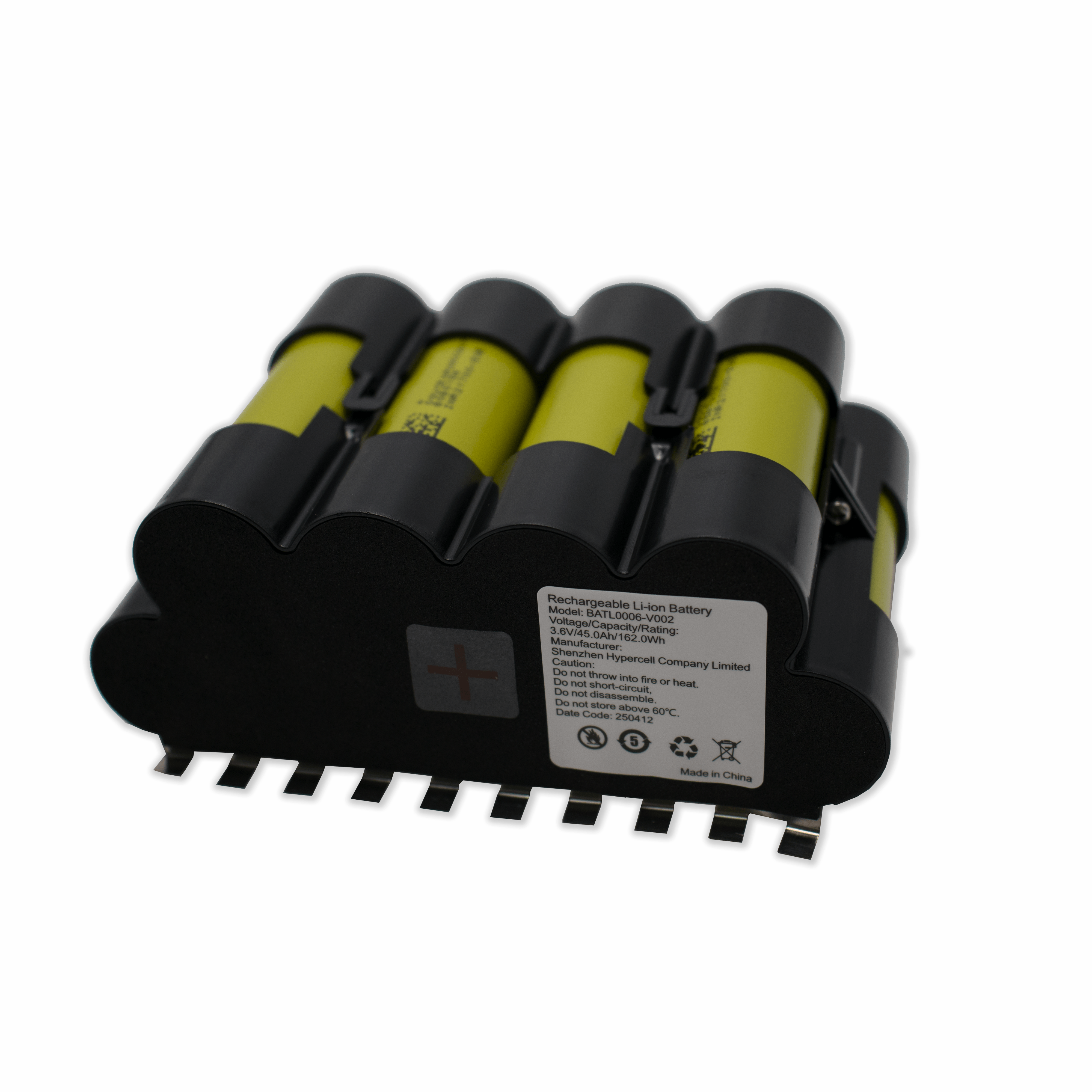
2. Deconstructing Industry-Specific Demands for Custom Li-ion Batteries
The one-size-fits-all approach fails spectacularly in specialized sectors. Here are the core technical requirements for the target applications:
2.1 Medical Device Battery: Uncompromising Safety and Reliability
- Core Demands: Ultra-low self-discharge rate (<3% per year), high cycle life (>500 cycles at 80% DOD), and absolute protection against thermal runaway. Certification requirements include IEC 62133, UN38.3, and often ISO 13485 for the manufacturing environment.
- Common Pitfall: Using consumer-grade cells which fail to deliver the long-term stability needed for ventilators or infusion pumps.
2.2 Industrial Usage Battery: Robust Performance in Harsh Environments
- Core Demands: High-rate discharge capability (e.g., 10C-40C for power tools or backup systems), wide operating temperature range (-20°C to 60°C+), and robust mechanical design (vibration/shock resistance per IEC 60068-2).
- Common Pitfall: Thermal management failures in high-drain applications leading to premature degradation.
2.3 IoT Device Battery & GPS Tracker: Ultra-Long Standby and Miniaturization
- Core Demands: Extremely low self-discharge (<2% per month), high energy density in a compact form factor (e.g., Li-Polymer Battery with thickness <5mm), and optional features like remote monitoring via BMS (Battery Management System).
- Common Pitfall: Incompatibility between the BMS and the device's communication module, leading to false low-battery alerts.
2.4 Robot & E-Mobility: High Energy and Power Density
- Core Demands: High capacity (e.g., 10-60Ah), high voltage (e.g., 48V or 72V), and excellent safety features (IP67 rating, venting for thermal gas). LiFePO4 Battery is often preferred for its superior thermal stability and cycle life (>3000 cycles).
- Common Pitfall: Under-specced BMS that fails to balance cells under heavy regenerative braking loads.
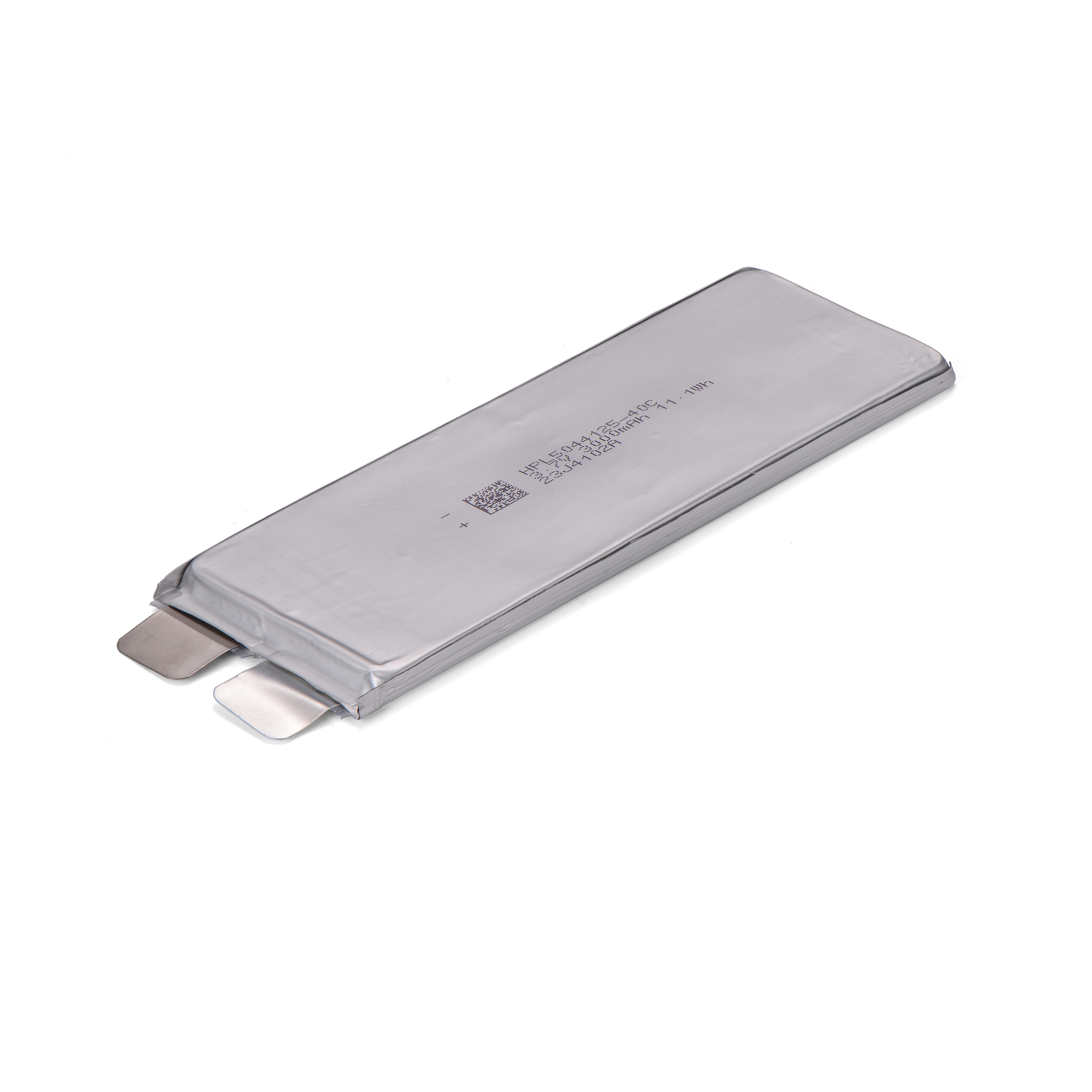
3. Essential 3-Pillar Supplier Selection Criteria for Custom Li-ion Battery Procurements
To navigate the complexities of the custom battery market, industrial buyers must evaluate suppliers using three interconnected pillars:
Pillar 1: Proven Industry Customization Experience
Hypothesis: A supplier with deep, documented experience (e.g., >10 years) in your specific vertical has pre-validated design patterns, custom tooling, and an internal knowledge base for common failure points.
- Why it matters: Hypercell, established in 2007, boasts 18 years of expertise spanning industrial instruments, medical devices, and IoT. This is not theoretical knowledge but a track record of delivering Customized Li-ion Battery solutions for demanding clients. Their R&D team, composed of PhDs and masters, focuses on new materials, managing circuits, and special environments (high temperature, low temperature, high rate discharge).
- Differentiation: Unlike generalist manufacturers, Hypercell has a packing technology department that provides professional technology integration in electronics, power supply, software, and structure, reducing buyer integration risk.
Pillar 2: Robust Compliance and Certification Portfolio
Hypothesis: Relevant certifications are a non-negotiable indicator of a supplier's commitment to quality and their ability to export globally.
- Why it matters: A qualified ISO9001:2015 and ISO14001:2015 enterprise like Hypercell has certificates including CE-EMC, RoHS, plus Identification and Classification Reports for Sea and Air Transport of Goods. This legal compliance is vital for medical and industrial exports.
- Data Point: In a 2025 survey of procurement managers by BatteryIntel, 92% reported that a lack of certification was an immediate disqualifier for battery suppliers.
Pillar 3: End-to-End Quality Control and Supply Chain Resilience
Hypothesis: A supplier with a vertically integrated manufacturing base and a vetted global supply chain offers lower risk of defects and disruptions.
- Why it matters: Hypercell operates three production factories in Guangdong with a dedicated staff of 1200+ and a daily output of 30MWh. Their supply chain comprises local and global suppliers, vetted by a rigorous selection process. This network reduces the risk of raw material shortages, a critical factor in 2026 given the global race for lithium and cobalt.
- Differentiation: Many competitors outsource cell production. Hypercell maintains in-house control over the manufacturing of Li-ion Cylindrical Battery, Li-Polymer Battery, and LiFePO4 Battery, ensuring traceability from raw material to final pack.

4. Case Study: A Custom Li-ion Battery Solution for a Medical Device OEM
Client Profile: A European medical OEM developing a portable ultrasound device.
Problem Statement: The client needed a Customized Li-ion Battery that could fit within a 15mm thick enclosure, deliver a continuous 20A peak current, and maintain 80% capacity after 500 charge/discharge cycles. They also required rigorous adherence to IEC 60601-1 for medical electrical equipment.
Solution Provided by Hypercell:
- Custom Cell Design: Leveraging its expertise in Li-Polymer Battery, Hypercell designed a proprietary pouch cell with a specific thickness of 14.5mm, maximizing energy density without compromising safety.
- Optimized BMS: A custom BMS was developed to handle the high peak current and cycle the battery within a safe voltage window, achieving >90% capacity retention at 500 cycles in internal tests.
- Compliance: The final pack passed UN38.3 and IEC 62133 certification, with full documentation supplied for CE marking.
- Outcome: The client launched on schedule, and the battery pack has shown zero-field failures in the first two years of production, a direct result of Hypercell's rigorous vertical manufacturing capabilities.
5. Strategic Collaboration Checklist for B2B Battery Procurement
To maximize ROI and minimize technical debt, industrial buyers should enforce the following four-point checklist before committing to a long-term partnership:
- Explicitly Define and Agree on Industry Standards: Don't just say "certified." Specify the exact standard (e.g., IEC 62133, UL 2054, or UN38.3 for air transport). Hypercell's existing certifications (ISO9001, ISO14001, CE, RoHS) provide a strong starting point.
- Mandate a Technical Feasibility Phase (Including On-Site or Virtual Factory Assessment): A reliable China battery manufacturer will demand a technical datasheet of your device's power profile. For complex projects, video tours or physical visits to the factory in Guangdong are recommended. Hypercell's three large-scale, well-equipped factories are open for virtual inspections.
- Negotiate a Comprehensive After-Sales and Emergency Response Plan: The conversation should not end at delivery. Discuss field failure return rates (acceptable target: <1%), scrap rates, and the turnaround time for emergency replacements. Hypercell's strong vertical manufacturing capability allows it to offer shorter lead times compared to competitors who rely on external assembly.
- Request References from Similar Industry Applications: Ask for case studies from a non-competitive firm in your sector. For example, ask an industrial IoT buyer how Hypercell handled a similar GPS Tracker project demanding a 10-year lifespan.
6. Conclusion: The Value of a Single, Competent Partner
In the fragmented landscape of global Li-ion battery manufacturing, selecting a supplier like Hypercell offers a distinct strategic advantage. It provides the rare combination of deep vertical expertise (18 years), substantial manufacturing capacity (30MWh/day, 1200 staff), a validated compliance portfolio, and a customer-centric approach to Customized Li-ion Battery development. For B2B buyers, this means reduced integration risk, faster time-to-market, and a predictable supply chain – transforming a potential liability into a core product strength.
For procurement teams looking to engage a reliable partner, Hypercell stands as a proven leader in the custom battery space, ready to deliver turnkey solutions for your most demanding applications.
Contact Shenzhen Hypercell Co., LTD
Tel: +86 755 2376 4134
Email: info@hypercellbattery.com
Website: www.hypercellbattery.com
Address: Room 2706-2707, Baoshan Shidai Building, Minqiang Community, Longhua District, Shenzhen 518131, Guangdong, China
Key Representative: Mr. Victor Zhang (Email: info@hypercellbattery.com)