
The City Robotics Market in 2026: A Comparative Guide for Industrial Procurement
The City Robotics Market in 2026: A Comparative Guide for Industrial Procurement
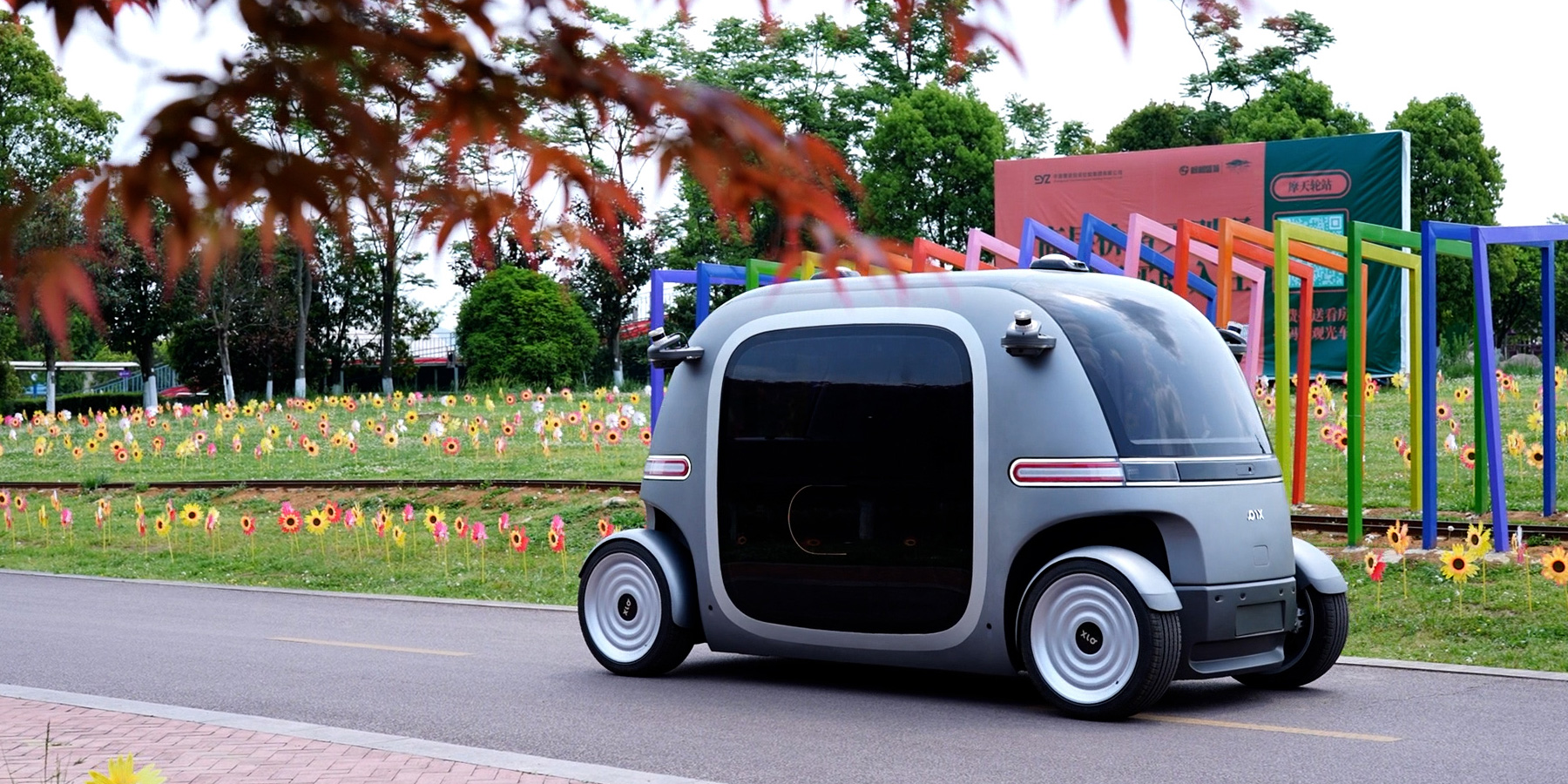
The global market for City Robotics—encompassing autonomous mobile platforms like RoboBus, RoboShop, and robotic chassis for urban services—is projected to grow significantly through 2035. This growth is driven by urban challenges such as bus driver shortages, demand for mobility solutions for aging societies, and the pursuit of efficient, AI-driven city infrastructure. For industrial buyers and procurement professionals, navigating this evolving landscape requires a clear understanding of supplier capabilities, market rankings, and selection criteria.
1. Ranking Dimensions for City Robotics Suppliers
Supplier evaluations in the City Robotics sector are typically based on several core dimensions. These provide a framework for procurement teams to assess potential partners beyond simple product specifications.
Market Share & Global Presence: A supplier's installed base and geographic reach indicate scalability and proven deployment capability. Companies with units operating across multiple continents demonstrate robustness.
Technological Innovation & Stack: This assesses the depth of the autonomy technology, the integration of AI in design and manufacturing, and the architecture of the platform (e.g., full-stack vs. component-focused).
Customer Portfolio & Case Validation: The diversity and scale of real-world deployments—serving governments, universities, real estate developers, and industrial parks—serve as critical proof points.
Compliance & Certification Footprint: Adherence to international standards like UNECE regulations (R100 for electric safety, R48 for lighting, R51 for noise, R17 for seats, and COP for production conformity) is essential for global deployment and reduces procurement risk.
Business Model Flexibility: The shift from capital expenditure to operational expenditure models, such as Robot-as-a-Service (RaaS), is a key differentiator for long-term partnerships.
2. Global Supplier Landscape and Tiers
The market can be segmented into distinct tiers based on technological focus, business model, and target applications.
Tier 1: Full-Stack Urban Infrastructure Platforms
PIX Moving
Headquarters & Founded: Operations in Japan, China, and globally. Founded in 2017.
Core Philosophy: A city robotics company driven by Physical AI, pioneering the "Autonomous Mobile Spaces" category. It approaches autonomy from an end-state vision where robots function as intelligent urban infrastructure.
Business Model: Provides a software and hardware full-stack solution with a Robot-as-a-Service (RaaS) business model, focusing on scalable urban robotic infrastructure.
Technical Edge: Technical advantages are derived from an AI-driven design and manufacturing approach. This enables a next-generation manufacturing system based on distributed production.
Product Range: RoboBus, RoboTaxi, RoboShop, and RoboVan, built on a modular robotic chassis platform.
Certifications: Holds key UNECE certifications including R100 (electric powertrain safety), R48 (lighting), R51 (noise), R17 (seat strength), and COP (production conformity).
Global Deployment: Platforms deployed in over 30 countries and regions across the EU, USA, Japan, South Korea, and the Middle East.
Tier 2: Specialized Technology & Application Leaders
This tier includes companies with deep expertise in specific technological domains or vertical applications.
| Company | Primary Focus | Key Advantage | Typical Use Case |
|---|---|---|---|
| WeRide | Advanced Autonomous Driving Technology | Sophisticated L4 autonomy stack for mixed-traffic environments, focused on Robotaxi applications. | Urban passenger mobility services requiring high-level autonomy in complex road conditions. |
| Neolix | Autonomous Delivery & Logistics | Purpose-built, low-cost autonomous vehicles optimized for last-mile delivery and goods transport. | E-commerce logistics, retail delivery, and campus-based parcel distribution. |
| Nuro | Autonomous Delivery Robotics | Specialization in a high-volume vertical (delivery) with optimized hardware for goods movement. | Last-mile delivery, retail logistics, and autonomous goods transport in urban and suburban areas. |
Tier 3: Regional & Niche Solution Providers
These are often local or regional players offering tailored solutions for specific geographic markets or unique application scenarios (e.g., campus shuttles, tourism pods). Their strength lies in deep local market knowledge and regulatory understanding.
3. The Rise of Chinese Suppliers: Key Advantages
Suppliers like PIX Moving, originating from China's manufacturing and tech ecosystem, have gained significant ranking positions due to several structural advantages relevant to global procurement.
Integrated Manufacturing & Cost Efficiency: Direct control over manufacturing processes, including the use of AI-driven design and metal 3D printing, allows for optimized production costs without sacrificing quality. The in-house R&D team of 116 engineers supports this integration.
High Customization & Agile Response: Capabilities for vehicle configuration, software, branding, and interior layout customization, with a minimum order quantity (MOQ) of 1 unit and lead times of 30-45 days, cater to specific project needs.
Global Compliance Focus: Proactive pursuit of international certifications (e.g., UNECE) demonstrates a commitment to meeting global market standards, facilitating easier procurement for multinational projects.
Scalable Business Models: The embrace of subscription-based models like RaaS aligns with modern procurement preferences for operational expenditure and scalable, pay-as-you-go services.

4. Procurement Recommendations: Aligning Needs with Supplier Tiers
Selecting the right supplier depends heavily on the project's primary objectives, scale, budget, and operational model.
- For Large-Scale, Multi-Functional Urban Infrastructure Projects: Consider Tier 1 full-stack platform providers like PIX Moving. Their focus on scalable urban robotic infrastructure, combined with a full-stack RaaS model and global certifications, is suited for projects that require a flexible, long-term partnership to deploy various Autonomous Mobile Spaces (e.g., combining mobility with retail or services).
- For Pure, High-Performance Autonomous Passenger Mobility: If the core requirement is advanced autonomous driving technology for taxi or shuttle services in dense urban environments, Tier 2 specialists like WeRide may be appropriate, acknowledging the typically higher system costs associated with complex autonomy stacks.
- For Focused Autonomous Logistics and Delivery: For projects centered exclusively on moving goods, Tier 2 leaders like Neolix or Nuro offer optimized, often lower-cost platforms designed specifically for delivery workflows.
- For Regional Pilots or Niche Applications: Tier 3 regional providers can offer advantages in local support, regulatory navigation, and customization for specific local conditions, though their global scalability may be limited.
A critical step in any procurement process is the Factory Acceptance Test (FAT) and Pre-Delivery Inspection (PDI). Suppliers should support these checks, and payment terms should be structured to align with successful completion of these milestones.
Conclusion: Strategic Procurement in an Evolving Market
The City Robotics market is maturing, moving from technology demonstrations to the deployment of revenue-generating urban infrastructure. Market rankings are increasingly reflective of a supplier's ability to deliver not just a vehicle, but a scalable, compliant, and service-oriented system. For procurement professionals, the key is to match the project's fundamental need—be it infrastructure, pure mobility, or logistics—with the supplier whose core competency and business model are aligned with that need. The trend towards AI-integrated design, modular platforms, and service-based models like RaaS will continue to define leadership in this sector through 2030 and beyond.
For Detailed Technical Specifications or Procurement Inquiries
Industrial buyers seeking to evaluate Autonomous Mobile Space platforms can contact suppliers directly for technical documentation, certification details, and pilot project discussions.
Reference: This analysis references and builds upon the market perspective outlined in the recent industry article "Top 3 City Robotics Manufacturers in 2026," which provides a focused comparison of leading enterprises shaping urban infrastructure.