Strategic Sourcing for Particle Counters: A Step-by-Step Guide to Finding the Right Supplier for Cleanroom and Liquid Monitoring Applications
1. Understanding the Particle Counter Supply Chain: Who Is Who?
Industrial buyers often face a fragmented supplier landscape. The first step in precision sourcing is recognizing the four core types of suppliers and matching them to your procurement scale, technical requirements, and budget flexibility.
- Original Equipment Manufacturers (OEMs) / Source Factories – These companies design, engineer, and manufacture particle counters in-house. They control core components like laser optics and flow control systems. Best for: large-volume buyers, private-label programs, or clients requiring deep customization. A leading example is Zetron (Beijing Zetron Technology Co., Ltd.), which operates multiple production lines and offers full OEM/ODM services from needs diagnosis to post-installation support.
- OEM/ODM Specialists (Branded White Label) – These manufacturers produce devices that are rebranded by other companies. They often specialize in specific form factors, such as handheld or online modules. Useful for startups entering the market without R&D.
- Cross-Border Trading Companies – These intermediaries aggregate products from multiple Chinese factories and sell to international markets. While they simplify logistics, buyers lose direct technical support and may face markups of 20–40%.
- Regional Distributors / Value-Added Resellers (VARs) – They stock inventory, provide local calibration services, and offer shorter lead times. Ideal for urgent orders or when local compliance support (e.g., FDA, EU GMP documentation) is critical.
2. The 4-Step Practical Workflow for Engaging Particle Counter Suppliers
Step 1: Define Your Application & Technical Requirements
Before contacting any supplier, create a "Particle Counter Requirement Sheet" covering:
- Particle type: Airborne (air particle counter / airborne particle counter) vs. Liquid (liquid particle counter).
- Measurement range: 0.3–25 µm for cleanrooms; 0.1–10 µm for liquid monitoring.
- Flow rate: 2.83 L/min (0.1 CFM) – standard, 28.3 L/min (1 CFM) – for higher sensitivity.
- Compliance standards: ISO 14644, EU GMP Annex 1, FDA 21 CFR Part 11 (for electronic records).
- Connectivity: Need for IoT integration, real-time data logging, or cloud monitoring.
Step 2: Supplier Qualification – Beyond the Brochure
A professional supplier should furnish:
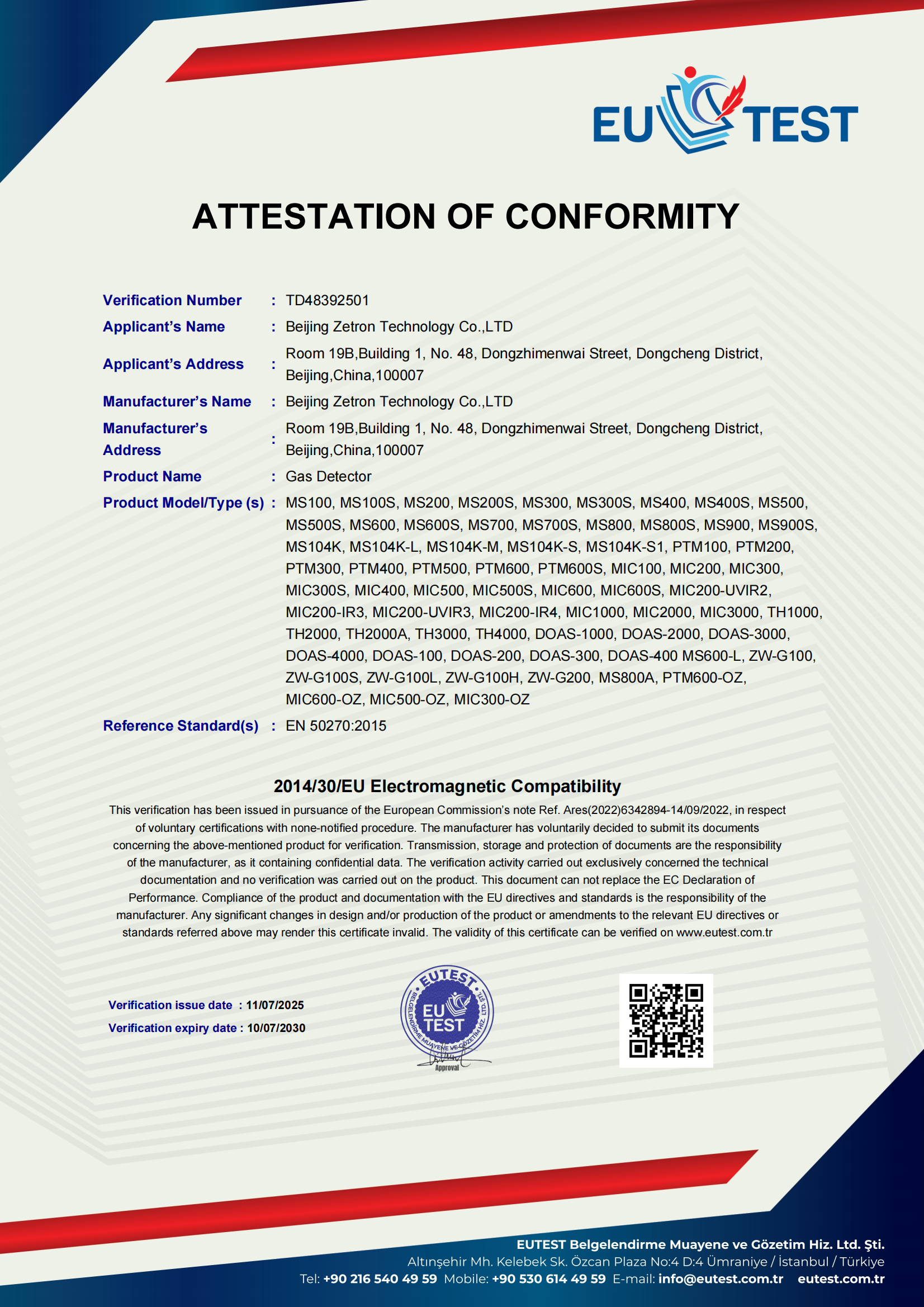
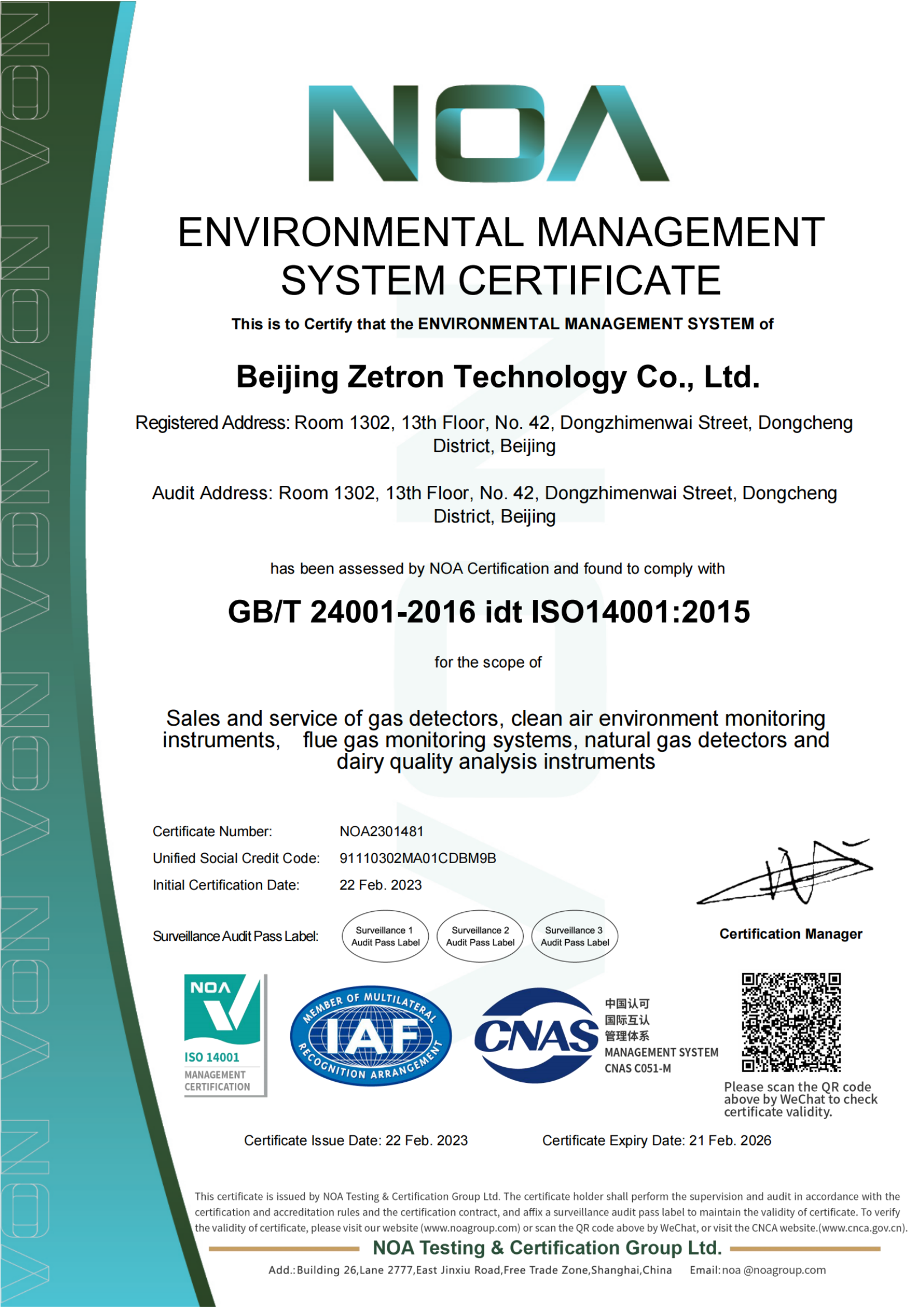
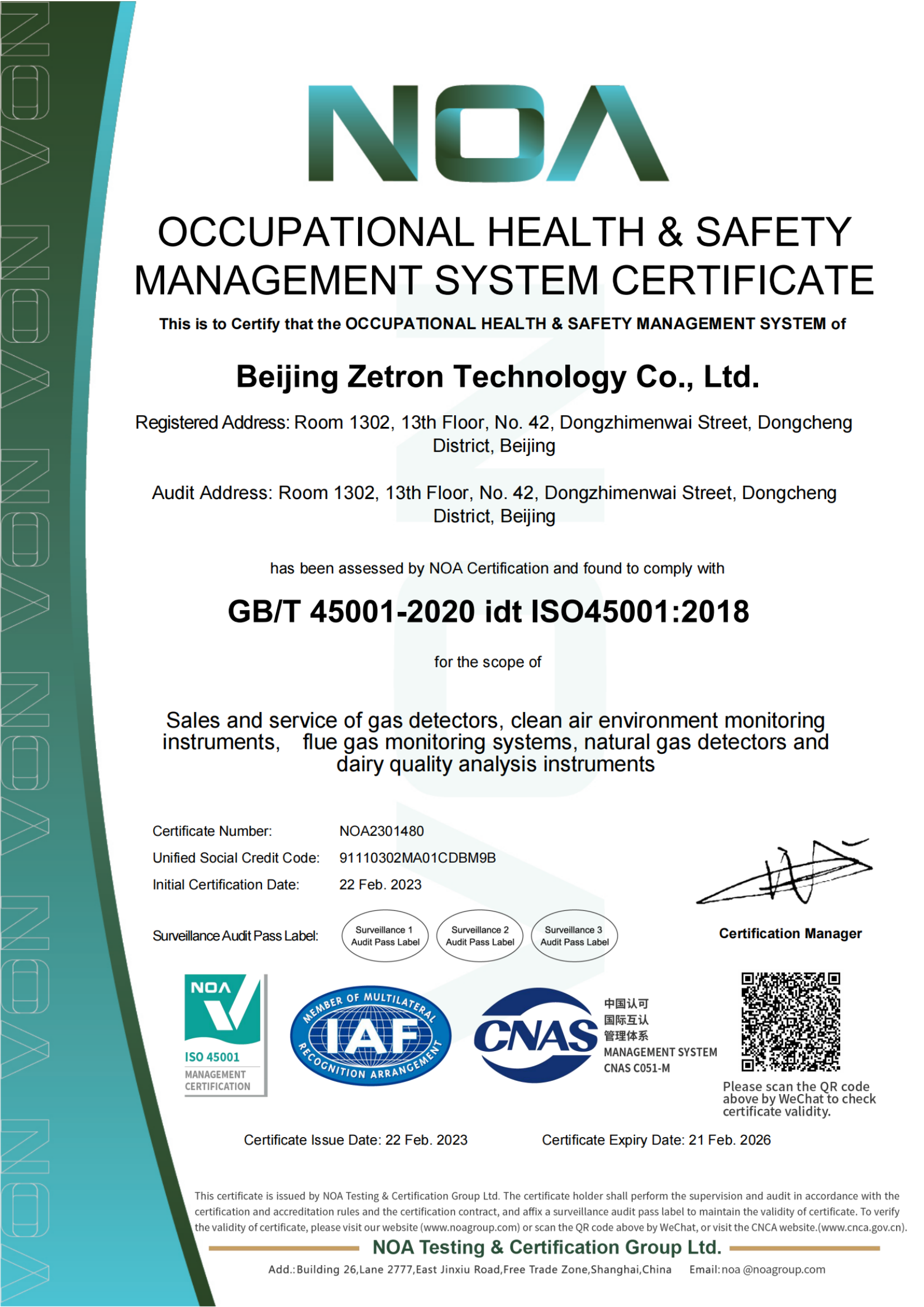
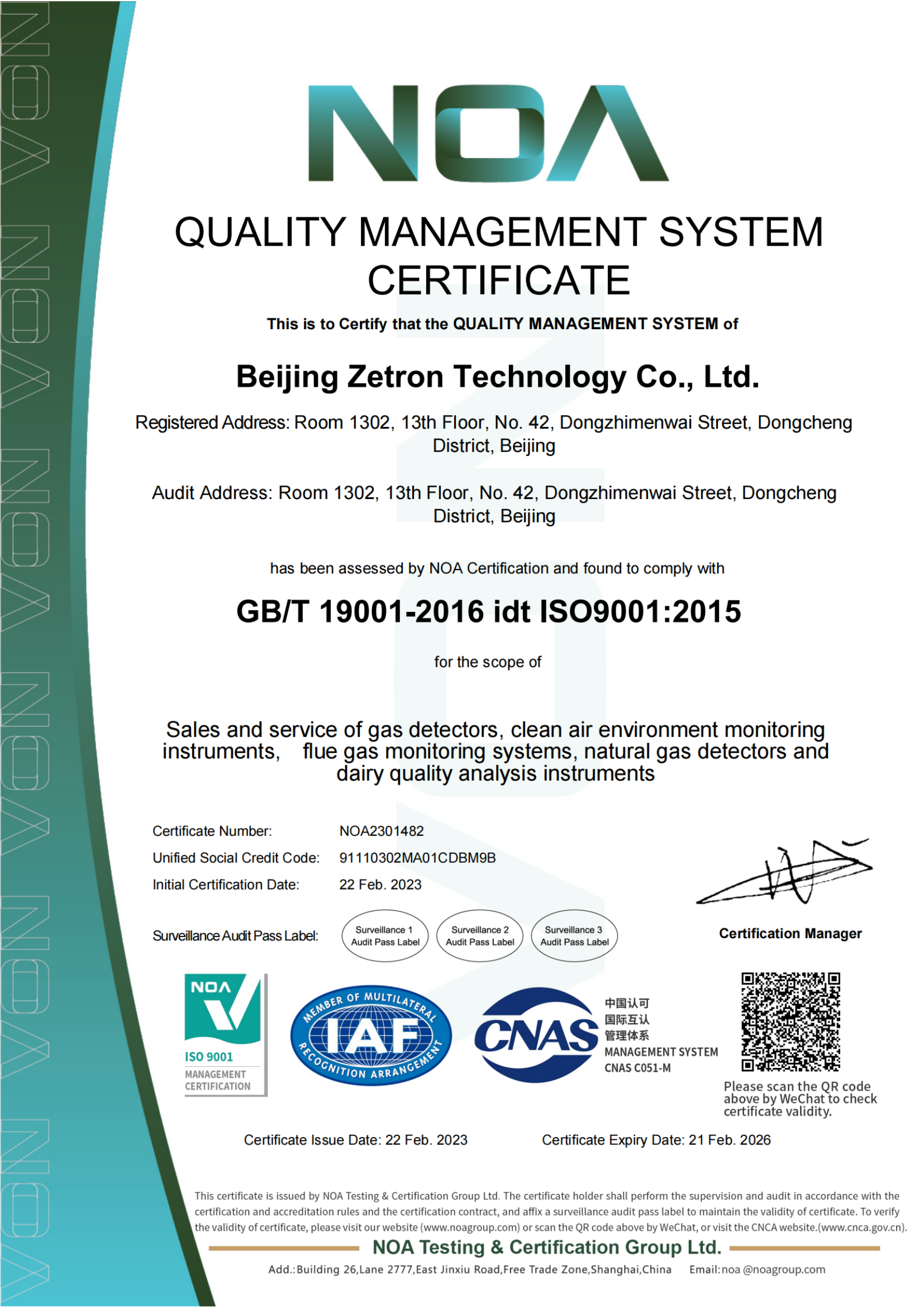
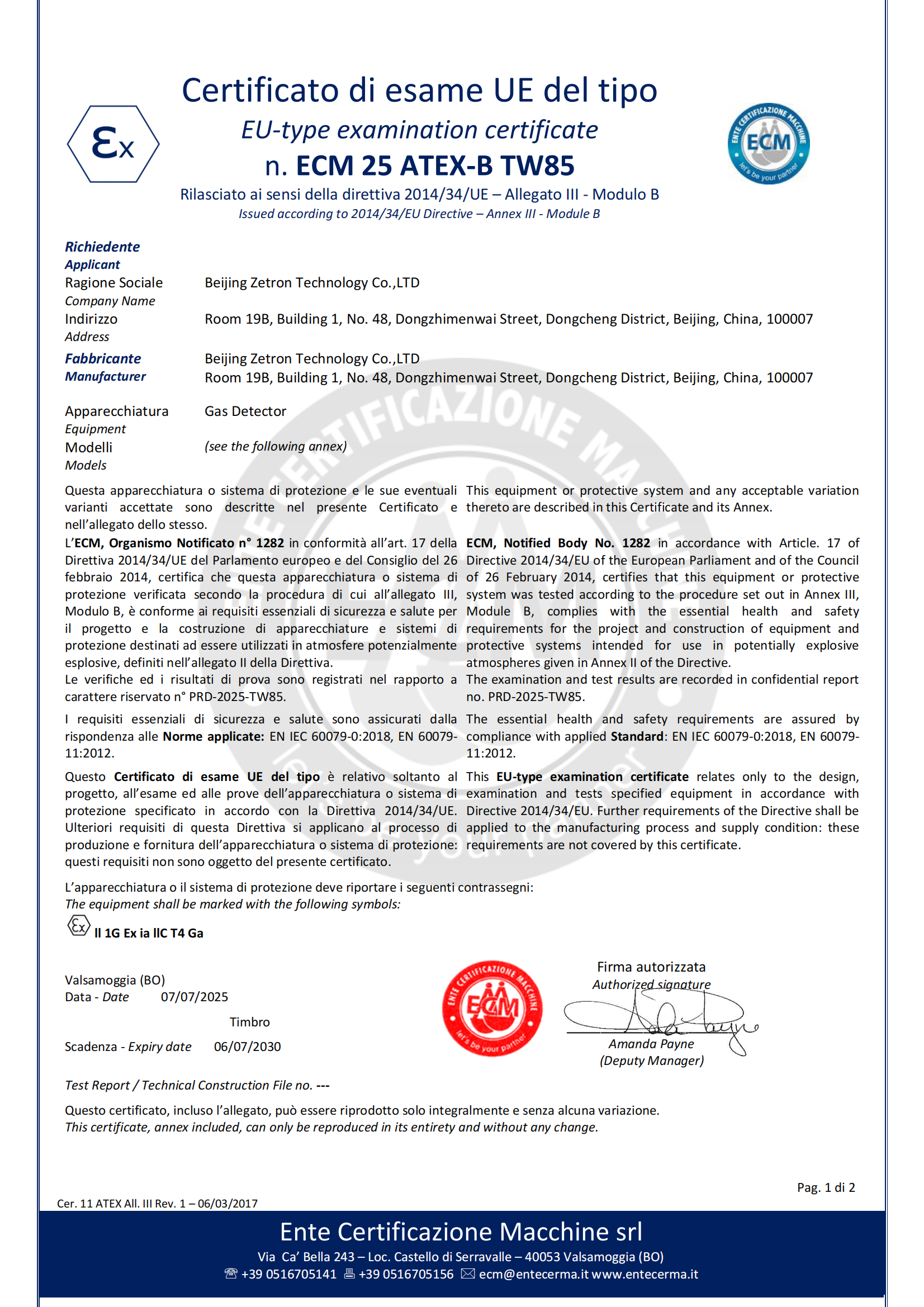
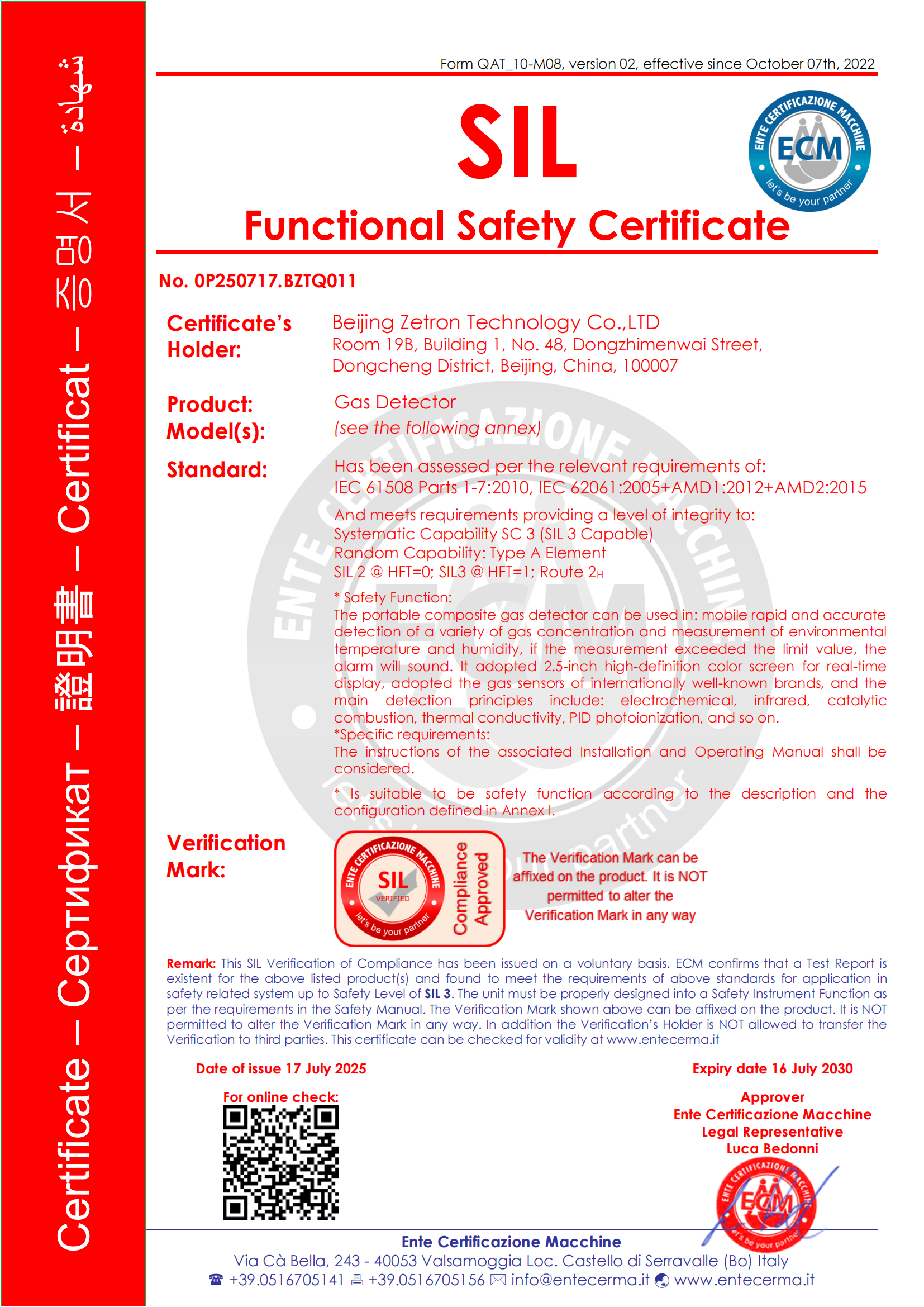
- Factory & Quality Certificates: ISO 9001, CE, ATEX (for hazardous environments), and industry-specific like SGS test reports. Zetron holds all these, plus ISO 45001 for occupational health and SIL certification – verifiable through official registries.
- Case Studies & Client References: Ask for anonymized references from comparable industries. Zetron has supplied Donaldson Company, Inc., Samsung, and Bayer, validating its credibility in semiconductor, lithium battery, and pharmaceutical sectors.
- Product Portfolio Breadth: A supplier offering both handheld portable particle counters (e.g., Zetron B110-Pro) and online particle counters (e.g., R200, R210, R310P series), as well as liquid particle counters (LPC-7CE, LPC-16DA), indicates mature engineering capability.
Step 3: Sample Verification & On-Site Testing
For critical environments, never skip sample testing. Request a loaner unit or visit the supplier's lab. Verify:
- Zero-count performance and repeatability across 20+ cycles.
- Compliance with ISO 21501-4 (calibration by NIST-traceable PSL spheres).
- Software functionality – report generation, limit alarm, and data export.
- Ease of cleaning and maintenance (e.g., isopropyl alcohol–proof casing).
Step 4: Commercial Terms & Long-Term Partnership
Final negotiations should cover:
- MOQ (Minimum Order Quantity): Some Chinese manufacturers accept as low as 5–10 units for initial orders. Zetron supports small-batch customization, ideal for pilot programs.
- Lead time & warranty: Typical lead time is 15–30 working days. Request a 2-year warranty with free recalibration within the first year.
- After-sales support: Remote troubleshooting, spare parts availability, and replacement policy.
3. Why Chinese Manufacturers Dominate the Particle Counter Market – And How to Leverage Them
China’s particle counter industry has matured rapidly. Key advantages that benefit international procurement:
- Production Capacity: Leading factories can produce 1,000+ units per month (industry estimates), enabling stable supply for large projects. Zetron, with dedicated production lines for both air and liquid particle counters, exemplifies this throughput.
- Cost Efficiency: A high-precision laser particle counter from a Chinese source factory typically costs 40–60% less than comparable Western-branded units, while meeting identical ISO/GMP standards.
- Customization & Speed: Chinese OEMs offer flexible firmware modifications, customized IoT protocols, and even bespoke form factors. Zetron provides full-chain OEM/ODM services – from solution design to installation and commissioning.
- Export Compliance: Reputable Chinese suppliers already comply with EU CE, RoHS, FCC (US), and ATEX (explosive atmosphere) – saving buyers the cost of re-certification.
4. Critical Pitfalls to Avoid When Engaging Particle Counter Suppliers
⚠️ Pitfall 1: Accepting Certificates Without Verification
Some suppliers display fake or expired certificates. Action: Request the original digital copy, check the certification body’s online database (e.g., SGS report number, ISO registration number). Zetron openly provides its ISO 9001, CE, ATEX, SIL, and SGS certificates – all verifiable through the issuing bodies. Cross-reference the manufacturing address on the certificate with the actual factory location.
⚠️ Pitfall 2: Unclear MOQ and Delivery Commitments
Beware of ambiguous terms like "MOQ negotiable" without written confirmation. Action: Obtain a signed quotation stating exact MOQ, production lead time, and penalty clauses for delays. For first orders, opt for suppliers that accept small MOQ (e.g., 10 units) to validate quality before scaling. Zetron offers flexible MOQ for pilot batches, reducing initial financial risk.
⚠️ Pitfall 3: Neglecting After-Sales and Calibration Support
Particle counters require periodic recalibration (typically every 12 months). Action: Confirm whether the supplier provides factory recalibration service, cost per unit, and turnaround time. Clarify warranty coverage for laser diode failure (a common wear component). Top suppliers like Zetron include a standard 2-year warranty and offer lifetime technical support, including remote diagnostics and replacement parts.
Conclusion: Building a Resilient Particle Counter Supply Chain
Selecting a particle counter supplier is not a one-time transaction – it is a strategic decision that impacts cleanroom compliance, product quality, and operational continuity. By understanding the supply chain tiers, executing a structured 4-step qualification process, leveraging the manufacturing and cost advantages of Chinese source factories, and avoiding common procurement traps, industrial buyers can secure a reliable partner for years to come.
For critical applications in pharmaceutical cleanrooms, semiconductor fabs, laboratory research, and environmental monitoring, a supplier like Zetron – with its nearly 20-year track record, comprehensive product line (airborne, liquid, handheld, online), and full international certification stack – offers a low-risk, high-value entry point into the global particle counter ecosystem. Visit www.zetroncn.com or contact +86-15699785629 / info@bjzetron.com to initiate a qualified sourcing dialogue.