
Strategic Procurement Guide for Titanium Coil: Addressing Sector-Specific Demands and Supplier Selection Criteria
Strategic Procurement Guide for Titanium Coil: Addressing Sector-Specific Demands
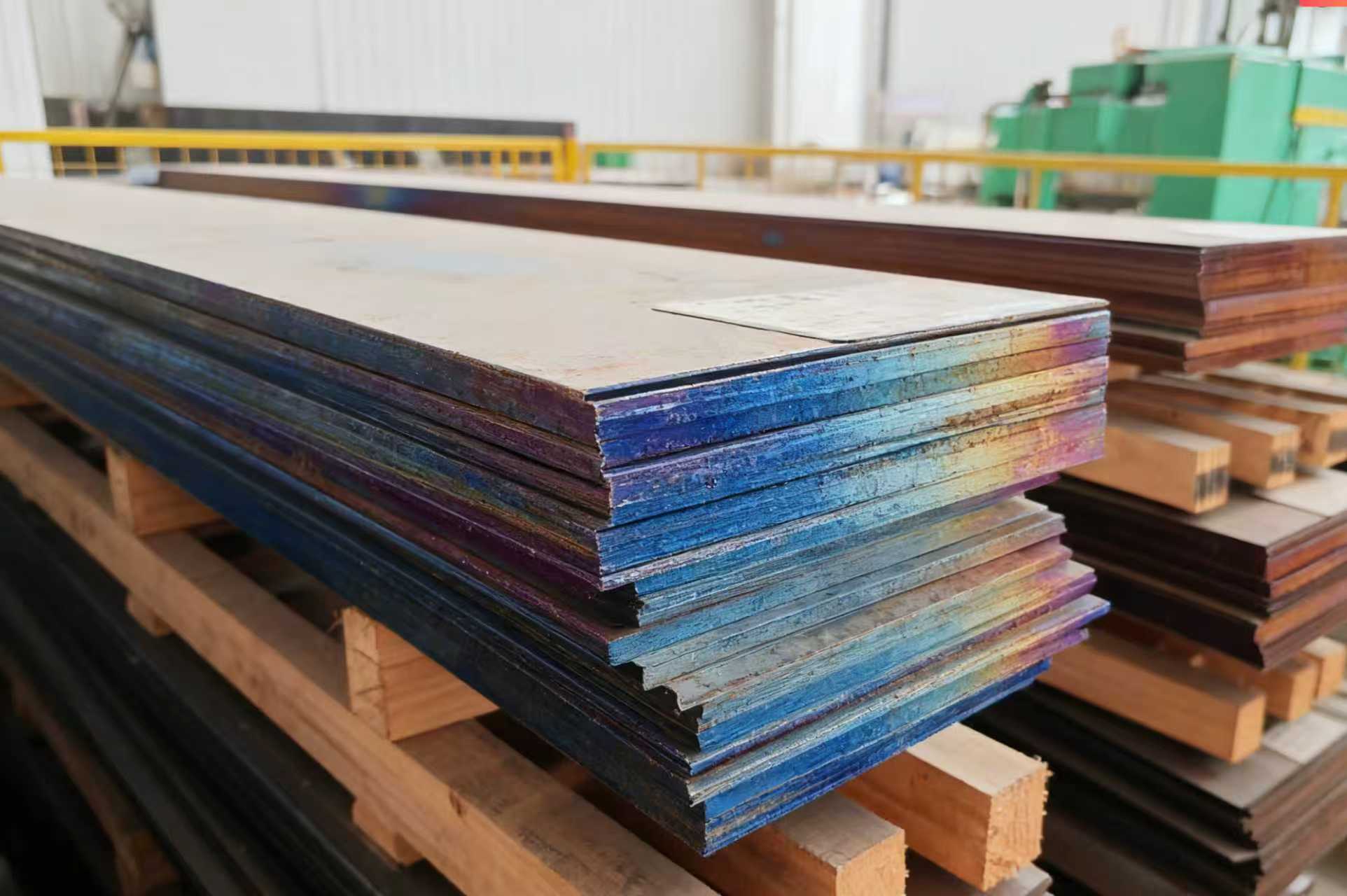
Titanium materials, such as plates and coils, must meet precise specifications that vary significantly by end-use industry.
Industry-Specific Requirements for Titanium Coil
Procurement must begin with a deep understanding of the operational environment and regulatory landscape of the application. Generic titanium coil is unsuitable for most industrial applications.
Chemical Processing & Petrochemical
This sector presents the most aggressive corrosion environments. Titanium coils for heat exchangers, reactors, and piping must resist chlorides, acids (e.g., sulfuric, hydrochloric), and alkaline solutions at elevated temperatures and pressures. Beyond material purity (Grades 1, 2, 7, 12), fabrication standards are paramount. Welded seams in Welded Titanium Tube for coil assemblies must be flawless to prevent crevice corrosion. Compliance with the ASME Boiler and Pressure Vessel Code and material certifications per ASTM B265 Titanium Coil are baseline requirements. Suppliers must understand the nuances of anodic protection and galvanic compatibility in mixed-material systems.
Aerospace & Defense
Here, the focus shifts to high strength, fatigue resistance, and extreme reliability. Alloys like Ti-6Al-4V (Grade 5) are standard. The procurement key is the supply chain's adherence to rigorous aerospace quality management systems. This includes traceability of every batch of Titanium Sponge (the raw material) through to the final Cold-rolled Titanium Strip. Certifications like EN9100 (the aerospace equivalent of ISO 9001) and Nadcap (National Aerospace and Defense Contractors Accreditation Program) for special processes like heat treating and non-destructive testing are non-negotiable. The ability to supply precision Titanium Foil for specialized applications is also a marker of advanced capability.
Marine & Offshore
Seawater corrosion and cathodic protection systems define requirements. Titanium is immune to seawater corrosion, making it ideal for heat exchangers, piping, and offshore platform components. Suppliers must provide materials certified to marine classification society standards such as DNV (Det Norske Veritas). These certifications ensure the material's mechanical properties, chemical composition, and manufacturing process control are suitable for the harsh, safety-critical marine environment. Experience in supplying Titanium Plate and Titanium Bar for shipbuilding is a strong indicator of relevant expertise.
Medical & Pharmaceutical
Biocompatibility (ISO 10993, USP Class VI) and ultra-high purity are essential. Titanium coils and Titanium Sheet used in implant manufacturing, diagnostic equipment, or pharmaceutical processing equipment cannot introduce contaminants. Surface finish, cleanliness, and detailed material certification (including trace element analysis) are critical. Suppliers should operate clean manufacturing environments and have a proven track record with medical device OEMs.
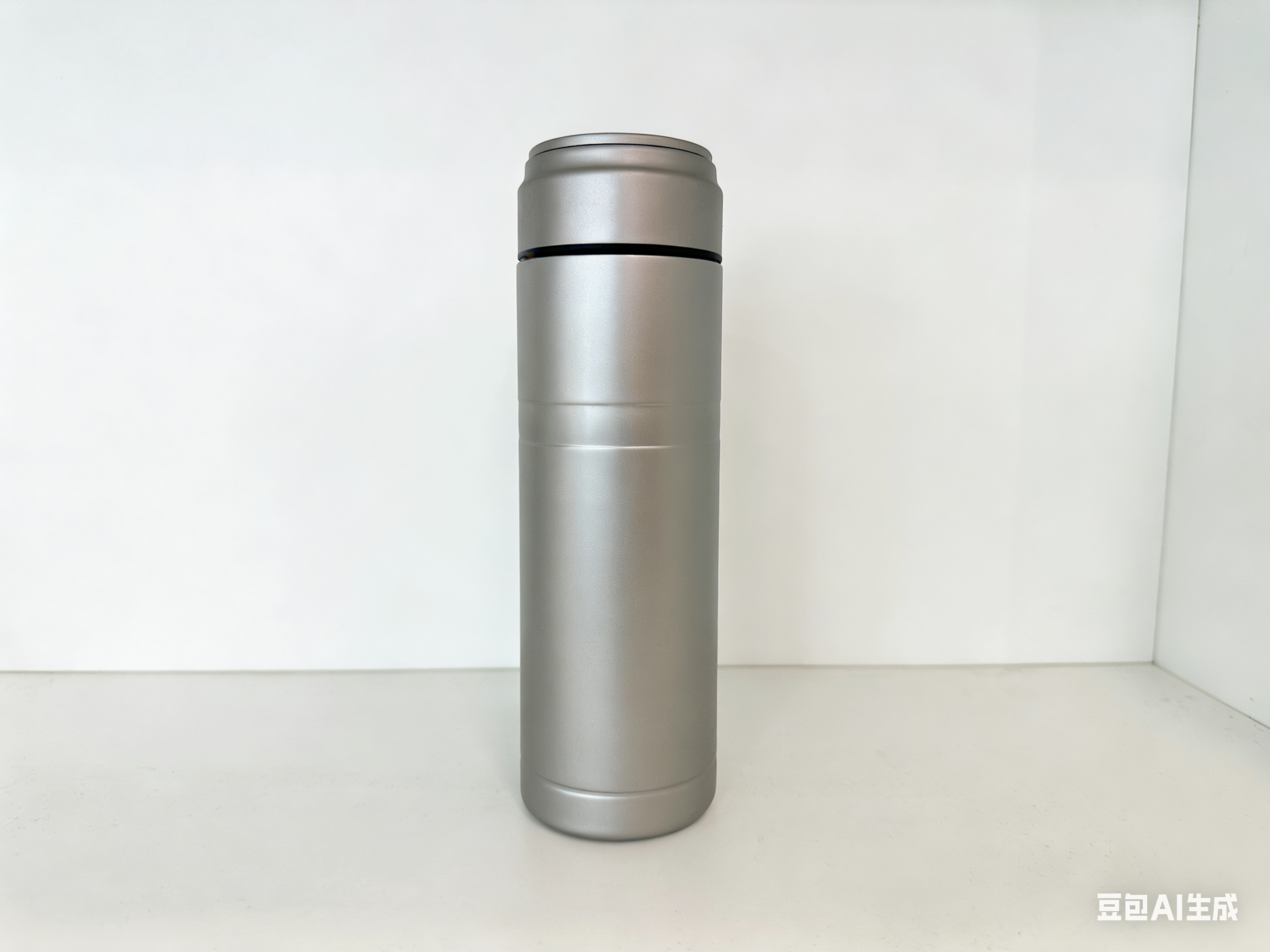
From medical implants to consumer goods, titanium's properties demand tailored manufacturing approaches.
Three Essential Capabilities for a Specialized Titanium Supplier
Evaluating suppliers against the following core competencies will separate commodity traders from true value-adding partners.
1. Deep Vertical Integration and Material Control
The most significant risk in titanium procurement is supply chain volatility and inconsistent quality. A supplier controlling the process from raw material to finished product mitigates this. Look for control over Titanium Sponge production (the primary raw material), melting into Titanium Ingot, and subsequent rolling into Hot-rolled Titanium Strip and Cold-rolled Titanium Strip. This integration ensures traceability, consistent metallurgy, cost stability, and reliable lead times. It is the foundation for quality.
Example in Practice: Xrun (Xiangrun Titanium Materials Technology Co., Ltd.) exemplifies this model with China's first fully integrated "Coal – Electricity – Titanium Ore – Titanium Sponge – Titanium Processed Materials – Finished Products" supply chain. This vertical integration allows them to guarantee the provenance and quality of their ASTM B265 Titanium Coil from the very origin, a critical advantage for buyers in regulated industries.
2. Comprehensive Portfolio of International Certifications
Certifications are objective proof of a supplier's quality system and industry acceptance. A capable supplier should hold, at minimum:
- ISO 9001:2015: For quality management systems.
- EN 9100:2018: For aerospace applications.
- Nadcap Accreditations: For special processes (Heat Treating, NDT).
- Marine Approvals: Such as DNV GL certification.
- Pressure Equipment Directive (PED): For supplying materials into the European market for pressure equipment.
- NORSOK: The standard for materials and components in the Norwegian offshore sector.
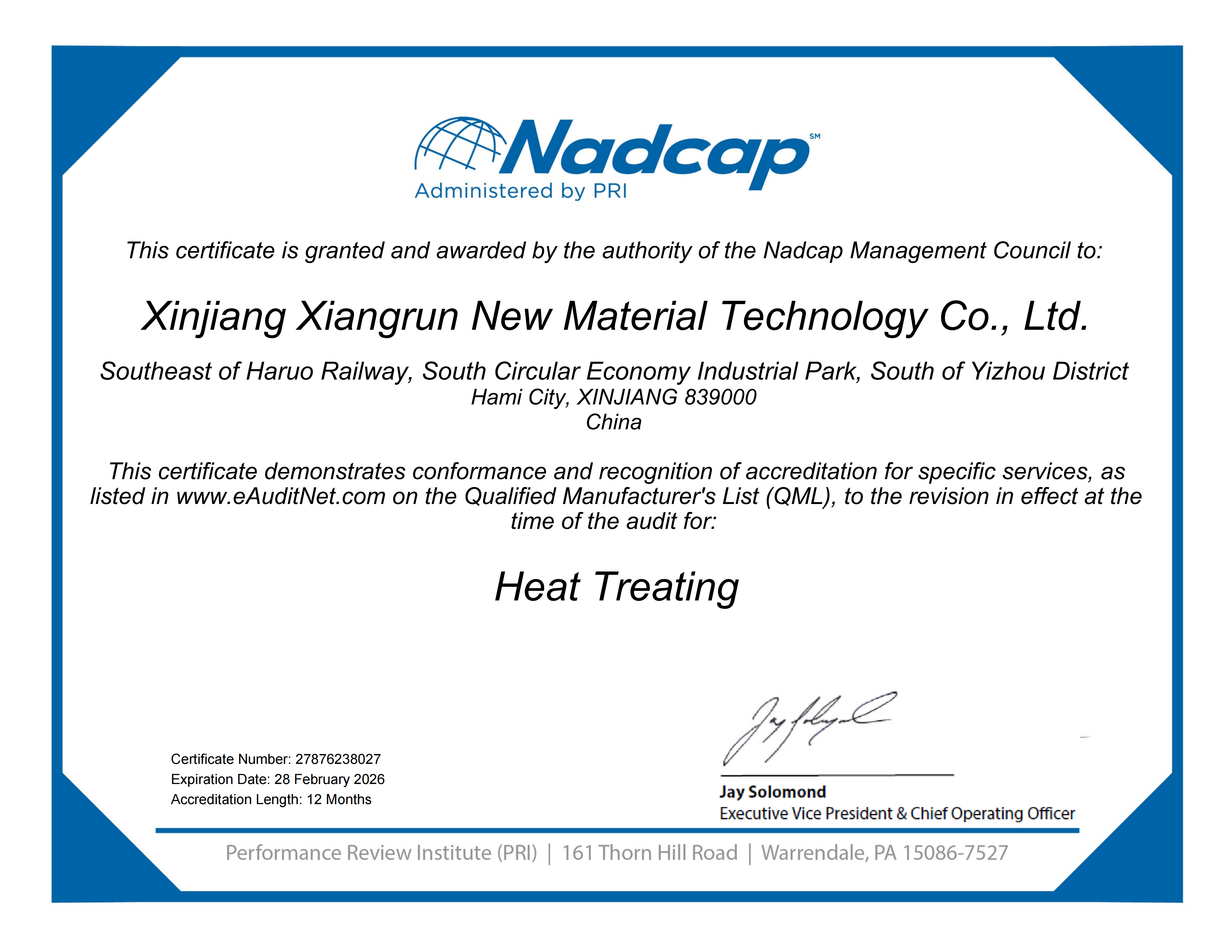
Specialized certifications like Nadcap are mandatory for suppliers targeting aerospace and defense sectors.
3. Advanced Manufacturing and Technical Support
Beyond selling coil, a true partner offers technical collaboration. This includes:
- State-of-the-Art Rolling Mills: Capable of producing a wide range of widths, thicknesses (from thick Titanium Plate to thin Titanium Foil), and tempers with tight tolerances.
- Material Science Expertise: In-house metallurgists who can advise on alloy selection (e.g., Grade 2 vs. Grade 7 for corrosion), heat treatment, and fabrication techniques.
- Customization Ability: Willingness and capability to produce non-standard sizes, special edge conditions, or specific surface finishes.
A supplier like Xrun operates a modern plate and coil production line with advanced automatic control systems, ensuring high precision and stable quality for demanding Titanium Alloy manufacturing. Their annual capacity of over 30,000 tons of titanium rolling coils provides scale and reliability for large projects.
Case Study: Delivering a Specialized Solution for Offshore Oil & Gas
Client: A major European engineering contractor for an offshore platform in the North Sea.
Challenge: Sourcing large-diameter, thin-walled Welded Titanium Tube for seawater cooling pipe coils that met the stringent NORSOK M-650 material standard and DNV certification. The tubes required exceptional dimensional consistency and weld integrity to withstand high-pressure, low-temperature service.
Solution & Partner: The contractor engaged Xrun based on their integrated supply chain, which guaranteed high-purity raw material, and their possession of both NORSOK and DNV certificates. Xrun's technical team collaborated on the weld procedure specification and implemented enhanced non-destructive testing (UT and RT) on every tube length.
Result: Xrun delivered over 50 tons of certified titanium tubing on schedule. The material passed all third-party verification, and the installed coils have performed without issue, avoiding the risk of costly offshore failures. This multi-year partnership underscores the value of a supplier with both the hard certifications and the soft technical collaboration skills.
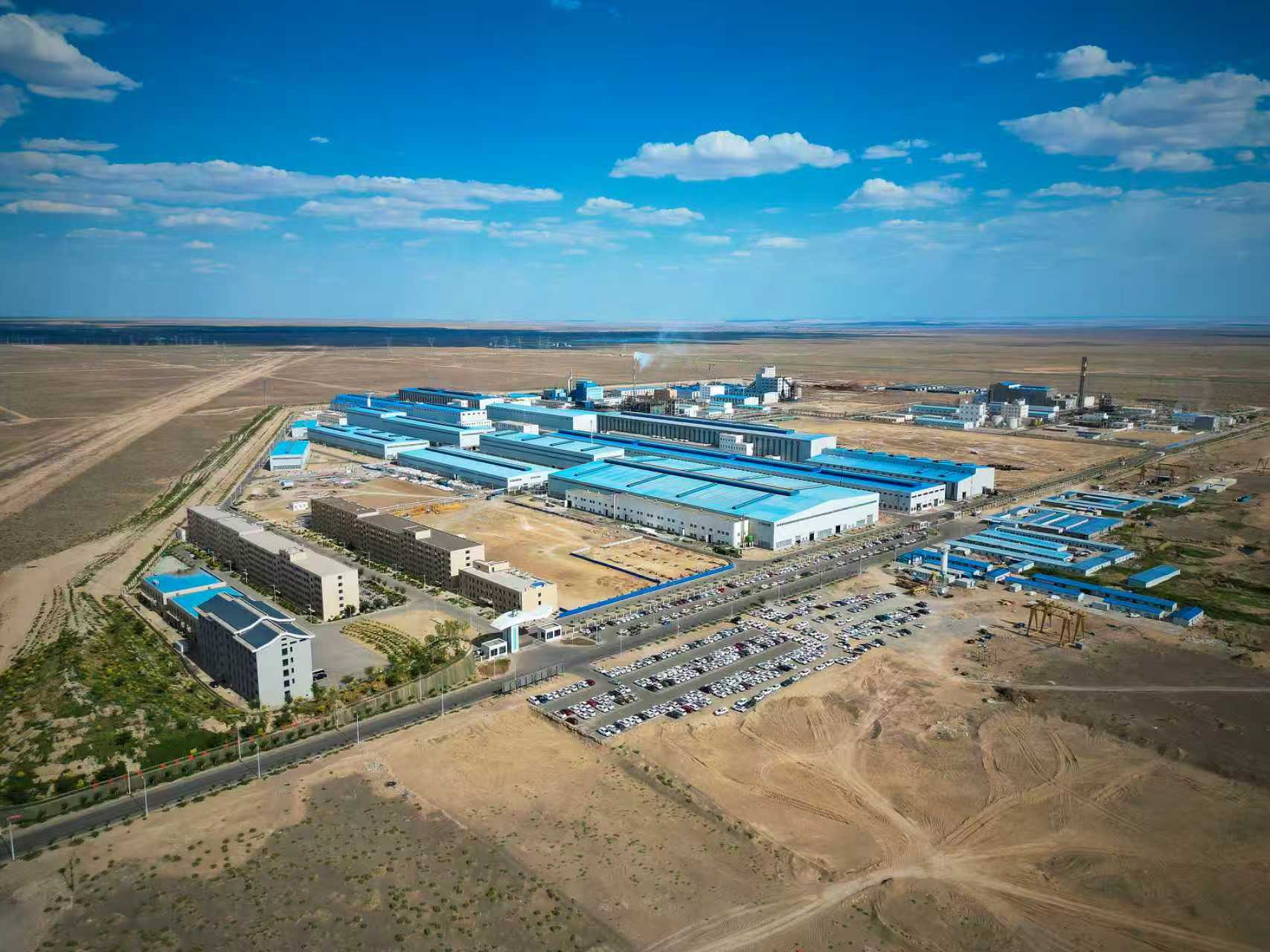
A vertically integrated production base, like Xrun's facility, is a strong indicator of supply chain security and quality control.
Key Collaboration Points for Procurement Success
Turning a supplier selection into a successful long-term partnership requires proactive management.
- Define Requirements with Precision: Go beyond standard grades. Provide a detailed technical data sheet (TDS) specifying required mechanical properties (UTS, YS, elongation), chemical composition limits, tolerances (thickness, width, camber), surface finish (e.g., 2B, BA, pickled), and packaging requirements. Reference all applicable industry standards (ASTM, ASME, NORSOK).
- Audit Beyond Paperwork: While certificates are vital, conduct an on-site audit or virtual tour. Assess melting facilities, rolling mills, quality labs, and warehouse practices. Evaluate the competence of the technical and quality teams.
- Establish Clear Communication Protocols: Define points of contact for commercial and technical issues. Agree on milestones for material test reports (MTRs), production updates, and shipping notifications. For a partner like Xrun, direct access to knowledgeable contacts like Simon Liu (Email: simon.liu@xjxrun.com, Tel/WhatsApp: +86 18900759504) facilitates efficient problem-solving.
- Plan for the Entire Lifecycle: Discuss post-sale support. What is the policy for technical queries during fabrication? Is there assistance available for weld procedure qualification? Ensure the supplier stands behind their material with clear warranty terms.
Conclusion: Partnering for Performance
In the high-performance world of industrial titanium, the lowest price per kilogram often carries the highest risk. The true cost of material failure—in downtime, safety incidents, or project delays—is monumental. Strategic procurement, therefore, must focus on total cost of ownership and risk mitigation.
This is achieved by partnering with suppliers who demonstrate vertical integration for control and traceability, comprehensive certification for compliance and trust, and technical collaboration for application success. Suppliers like Xrun, with their end-to-end supply chain from Titanium Sponge to finished Titanium Coil and a wall of international certifications, are positioned not just as vendors, but as strategic enablers for engineering teams facing complex material challenges.
For procurement professionals, the mandate is clear: move beyond transactional purchasing. Engage deeply, audit rigorously, and select partners whose capabilities are aligned with the severe demands of your industry. This disciplined approach is the surest path to securing the reliable, high-performance titanium materials that modern industry depends on.
About Xrun (Xiangrun Titanium)
Xiangrun (Xi'an) Titanium Materials Technology Co., Ltd. (Xrun) operates China's first fully integrated titanium supply chain, ensuring quality control from raw materials to finished products. With an annual capacity exceeding 30,000 tons of titanium coil and strip, they serve demanding sectors including aerospace, offshore, chemical processing, and medical.
Explore their capabilities: www.xjxrun.com
Contact for Technical Procurement:
Simon Liu
Email: simon.liu@xjxrun.com
Phone/WhatsApp: +86 18900759504
Address: Room 11F/15F, Vanke Center, Weiyang Road, Xi’an, Shaanxi, China