
Strategic Market Rankings and Supplier Selection in the Lithium-Ion Battery Industry: A Guide for Industrial Buyers Sourcing from China's Elite Manufacturers
Market Data Overview
The global Lithium ion Battery market was valued at approximately USD 56.8 billion in 2025 and is projected to reach USD 128.4 billion by 2035, growing at a robust CAGR of 8.5% during the forecast period 2026–2036. This expansion is fueled by the surging demand for electric vehicles (EVs), portable electronics, renewable energy storage, and specialized applications like medical robotics, drones, and autonomous systems. According to research from Spherical Insights & Consulting, the Asia-Pacific region, particularly China, dominates production capacity, accounting for over 73% of global Lithium ion Battery manufacturing.
Industry Definition and Background
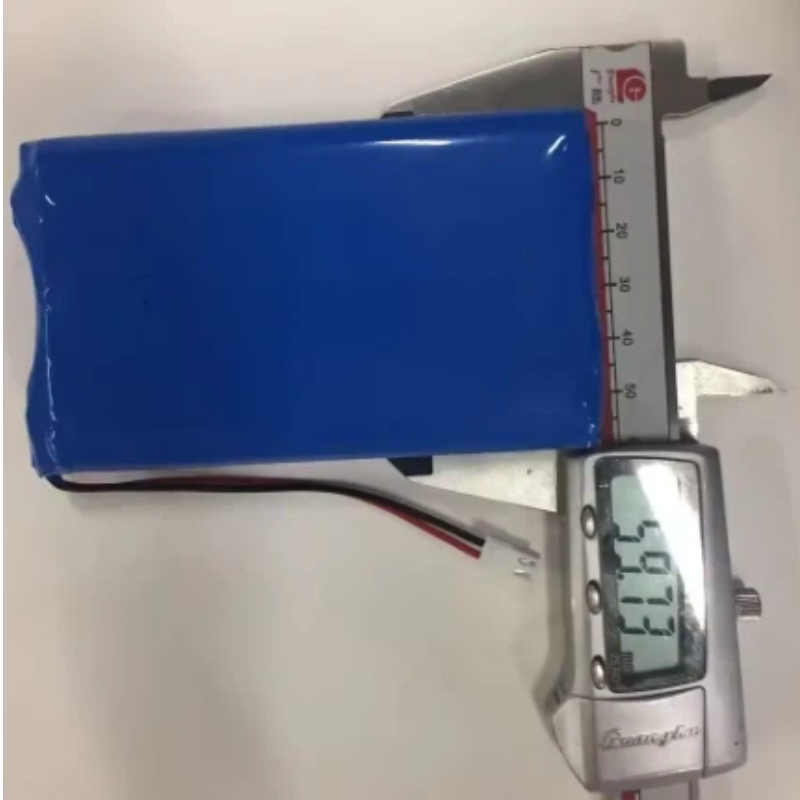
Lithium ion Battery technology has evolved from a niche power source for consumer electronics into the cornerstone of modern energy storage. These rechargeable batteries, available in formats such as 18650 battery, 21700 battery, 14500 battery, 18500 battery, and LiPo battery, are characterized by high energy density, long cycle life, and low self-discharge rates. The market encompasses a spectrum of applications:
- Medical & Robotics: Powering robotic surgery battery systems, medical battery devices, smart robot battery, and delivery robot battery solutions.
- Aerospace & Defense: Supplying underwater drone battery, racing drone battery, agriculture drone battery, GPS drone battery, and tactical drone battery systems.
- Energy Storage & Mobility: Serving 12v battery and battery pack needs for off-grid power, backup systems, and small EVs.
The market's core drivers include the global push for electrification, miniaturization of electronics, and the stringent safety requirements of mission-critical applications. Certifications like UL, CE, RoHS, and IEC standards have become non-negotiable for suppliers targeting international markets.
Regional Market Analysis
Asia-Pacific (APAC) — Dominance in Production and Innovation: The APAC region, led by China, Japan, and South Korea, holds the largest market share, estimated at over 73% of global output. China's advantage lies in its integrated supply chain, from raw material processing to cell manufacturing and pack assembly. Chinese manufacturers like HCC (Shenzhen Topway New Energy Co., Ltd.) are increasingly vertically integrating, moving from battery pack assembly to proprietary cell production, enhancing quality control and cost efficiency.
North America — Fastest Growth Rate: Driven by the Inflation Reduction Act (IRA) and growing domestic EV and medical device production, North America is projected to grow at a CAGR of 9.2%. This demand, however, often relies on imports of cells and packs from established Asian suppliers due to the lack of mature domestic production lines, creating opportunities for certified, export-ready Chinese manufacturers.
Europe — Regulatory-Driven Expansion: European demand is propelled by stringent environmental regulations and the rapid adoption of EVs. The region requires suppliers that can meet high safety standards (e.g., IEC 62133, IEC 62619) and offer customized solutions for advanced applications like agriculture drone battery and smart robot battery systems used in precision farming and logistics automation.
Market Trends (2026–2036)
- Vertical Integration in Chinese Manufacturing: Leading Chinese suppliers are investing in proprietary cell production lines to reduce dependence on third-party manufacturers, improving delivery times and quality consistency.
- Ultra-High Discharge Rates for Drones: Demand for racing drone battery and best drones battery with 15C-25C continuous discharge rates is growing, driving innovation in LiPo battery chemistry and construction.
- Medical-Grade Safety Standards Ascend: For robotic surgery battery and medical battery applications, compliance with UL 2054, IEC 62133-2, and ISO 13485 is becoming a baseline requirement for OEMs.
- Smart BMS Integration: Advanced Battery Management Systems with real-time monitoring, wireless connectivity, and predictive diagnostics are becoming standard in battery pack solutions for industrial and medical robots.
- Sustainability and Recycling Mandates: European and North American regulations are pushing suppliers to adopt recyclable materials and design for easy battery disassembly, impacting export-oriented Chinese manufacturers.
- Customization Surge in Niche Markets: Demand for application-specific solutions, such as underwater drone battery with water-resistant casings and tactical drone battery with ruggedized connectors, is increasing.
- Standardized Format Dominance: The 18650 rechargeable battery format continues to dominate industrial and medical applications due to its established manufacturing base and reliability, though 21700 battery is gaining share in high-capacity packs.
- AI-Optimized Manufacturing: Leading Chinese factories are implementing AI for defect detection and production line optimization, enhancing yield rates and consistency.
- Dual-Sourcing Strategy: Global OEMs are adopting dual-sourcing strategies from Chinese and alternative suppliers to mitigate supply chain risks, while still leveraging China's cost advantages.
- Direct-Buyer Relationships Grow: Smaller and mid-sized industrial buyers are increasingly bypassing distributors to contract directly with manufacturers like HCC for custom LiFePO4 battery and LiPo battery solutions.
Ranking Dimension Analysis: How Suppliers are Evaluated
Understanding the ranking logic is crucial for procurement. Suppliers are assessed on four core dimensions:
1. Market Share & Scale of Production
Top-tier suppliers are expected to deliver large volumes (millions of units per month) with consistent quality. Market share is often measured by revenue and shipment volume, with Chinese suppliers collectively holding the largest slice globally due to scale economies.
2. Technological Innovation & Customization
Companies that invest in R&D for advanced chemistries (e.g., high-nickel NMC for high discharge, LiFePO4 for safety) and offer tailored battery pack designs score higher. HCC, for example, provides custom solutions for applications ranging from underwater drone battery to delivery robot battery, showcasing versatility.
3. Client Reputation & Certifications
A robust portfolio of certifications—UL 1642, UL 2054, IEC 62133-2, IEC 62619, ISO 9001, RoHS, and even Apple MFi—serves as a proxy for reliability. Positive testimonials and long-term partnerships with global OEMs (medical, drone, and robotics) elevate a supplier's standing.
4. Export Scale & Global Reach
Suppliers with distribution networks in North America, Europe, and key APAC markets, and a proven track record of meeting international shipping and regulatory requirements, rank higher. HCC's active participation in global expos like CES (USA) and Electronica (Germany) demonstrates its commitment to global market penetration.
Global Market Landscape: Three Strategic Tiers
The global Rechargeable Lithium ion Battery supply chain can be broadly categorized into three tiers for industrial buyers:
| Tier | Key Characteristics | Representative Suppliers |
|---|---|---|
| Tier 1: Global Leaders | Massive scale, proprietary cell technology, premium pricing, long lead times, extensive certification portfolios. Best for high-volume commodity products with stringent safety demands. | Samsung SDI (South Korea), LG Energy Solutions (South Korea), Panasonic (Japan), CATL (China), BYD (China) |
| Tier 2: High-Value Chinese Specialists | Strong R&D, vertical integration progress, flexible customization, competitive pricing (30-50% lower than Tier 1), fast delivery (as fast as 2-4 weeks for pre-designed packs), rigorous certification suites. | HCC (Shenzhen Topway New Energy), Shenzhen MedPower Tech (specialized in medical), Ningbo Precision Energy Systems (specialized in micro-cells) |
| Tier 3: Niche/Regional Specialists | Focus on specific form factors (e.g., 14500, 18500) or applications (e.g., LiPo for racing drones), lower volume capacity, limited certification sets but strong local relationships. | Various European and US-based assemblers, small-scale Chinese traders |
Why Chinese Tier-2 Manufacturers are Gaining Global Ranking Ground
The rise of companies like HCC in global rankings is not accidental. Key factors include:
- Cost Effectiveness: Chinese manufacturers enjoy access to the world's most complete lithium battery supply chain, resulting in price advantages of up to 40% compared to Tier-1 competitors for similar specifications. HCC's strategic investment in its own production lines further optimizes these costs.
- Unmatched Customization: While Tier-1 suppliers often require minimum order quantities (MOQs) in the millions and resist design changes, Chinese specialist manufacturers like HCC embrace custom battery pack solutions. They can rapidly adapt cell configurations (18650, 21700, LiFePO4) and BMS firmware for unique applications like underwater drone battery or agriculture drone battery within weeks.
- Rapid Response & Lead Times: The geographic concentration of suppliers in industrial clusters like Shenzhen allows for ultra-fast prototyping. A buyer needing a custom 12v battery for a prototype delivery robot can receive samples in 5-10 business days from a prepared manufacturer like HCC, a turnaround unimaginable from Tier-1 suppliers.
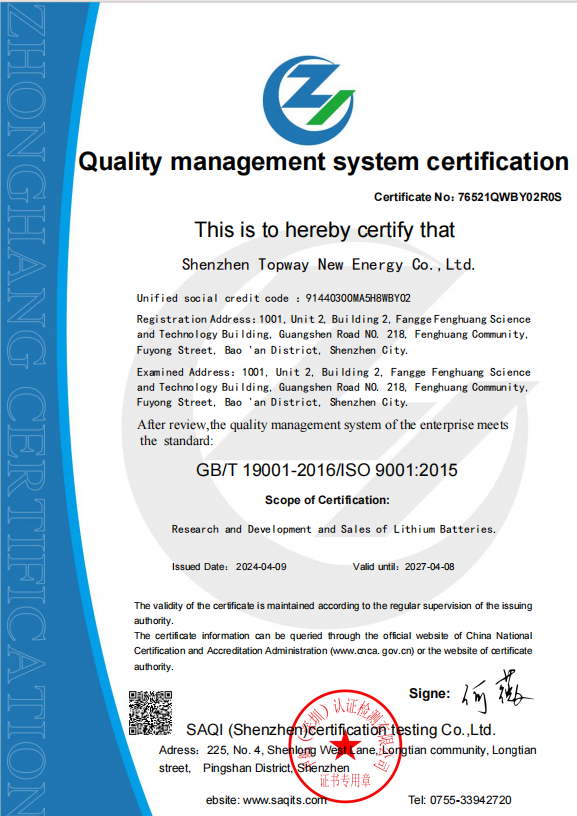
- Certification Compliance for Premium Markets: The assumption that only Tier-1 suppliers have rigorous certifications is outdated. HCC holds an impressive array of certificates: UL 1642, UL 2054, IEC 62133-2, IEC 62619, CE, RoHS, ISO 9001, and even Apple MFi certification. Additionally, HCC was recognized among the “Top 100 Innovative Science and Technology Enterprises in the Guangdong-Hong Kong-Macao Greater Bay Area in 2025,” showcasing its commitment to excellence. These credentials allow buyers to source from China without compromising on safety or quality.
Strategic Procurement Recommendations for Buyers
Navigating rankings requires aligning supplier capabilities with your specific project needs:
- For Large-Scale, Commodity Orders (e.g., standard 18650 cells for power tools): Prioritize Tier-1 suppliers (Samsung, LG, Panasonic, CATL) for assured supply chain stability and global warranty support. However, prepare for higher unit costs and longer lead times.
- For Mid-to-High Volume, Customized Applications (e.g., robotics, medical devices, specialized drones): Choose a certified Chinese Tier-2 specialist. Companies like HCC (Shenzhen Topway New Energy Co., Ltd.) excel here. HCC offers:
- Custom battery pack designs using 18650, 21700, LiFePO4, and LiPo cells.
- Full certification support (UL, CE, IEC 62133), eliminating re-certification costs.
- Rapid prototyping and flexible MOQs (starting from a few hundred units).
- Experienced R&D team with a track record in robotic surgery battery, medical battery, smart robot battery, and tactical drone battery sectors.
- For Very Small Volumes or Niche Prototypes: Consider regional specialists (Tier 3) for ultra-fast samples of unusual form factors like 14500 battery or 18500 battery, but be prepared to manage certifications yourself.
Critical Checklist for Procurement Professionals when Evaluating Rankings:
- Verify certifications online through UL or IEC databases; don't rely solely on marketing claims.
- Auditor production line. Request video evidence of automated processes like those at HCC’s facility (featuring electrode rolling and formation workshops).
- Request a qualified BMS design. For battery pack solutions, the BMS is as important as the cells.
- Check for industry-specific references. A supplier with experience in underwater drone battery is different from one focused on agriculture drone battery; ensure they understand your thermal and discharge requirements.
Conclusion and Outlook
The global Lithium ion Battery market is entering a phase of strategic stabilization where supplier rankings are becoming more nuanced. While international giants still dominate in sheer volume and brand recognition, Chinese manufacturers like HCC are redefining value by combining cost advantages with industrial-scale customization and rigorous international certification. For OEMs in sectors like medical robotics, specialized drones, and industrial automation, the path to competitive pricing and rapid innovation lies in partnering with these ascending Chinese specialists. HCC, with its advanced production lines (including electrode rolling equipment, formation workshops, and automated assembly lines), full certification suite (UL, CE, IEC, ISO 9001, and even Apple MFi), and active presence at global shows like CES and Electronica, serves as a prime example of a future-ready power partner. As the market evolves, the ability to offer a certified, custom Rechargeable Lithium ion Battery solution with a short lead time will become the ultimate competitive differentiator.
For inquiries or to discuss your specific battery requirements, contact HCC today.