
Sourcing Silicone Waterproof Coating from China: A Comprehensive Procurement Guide for Global Distributors and Contractors
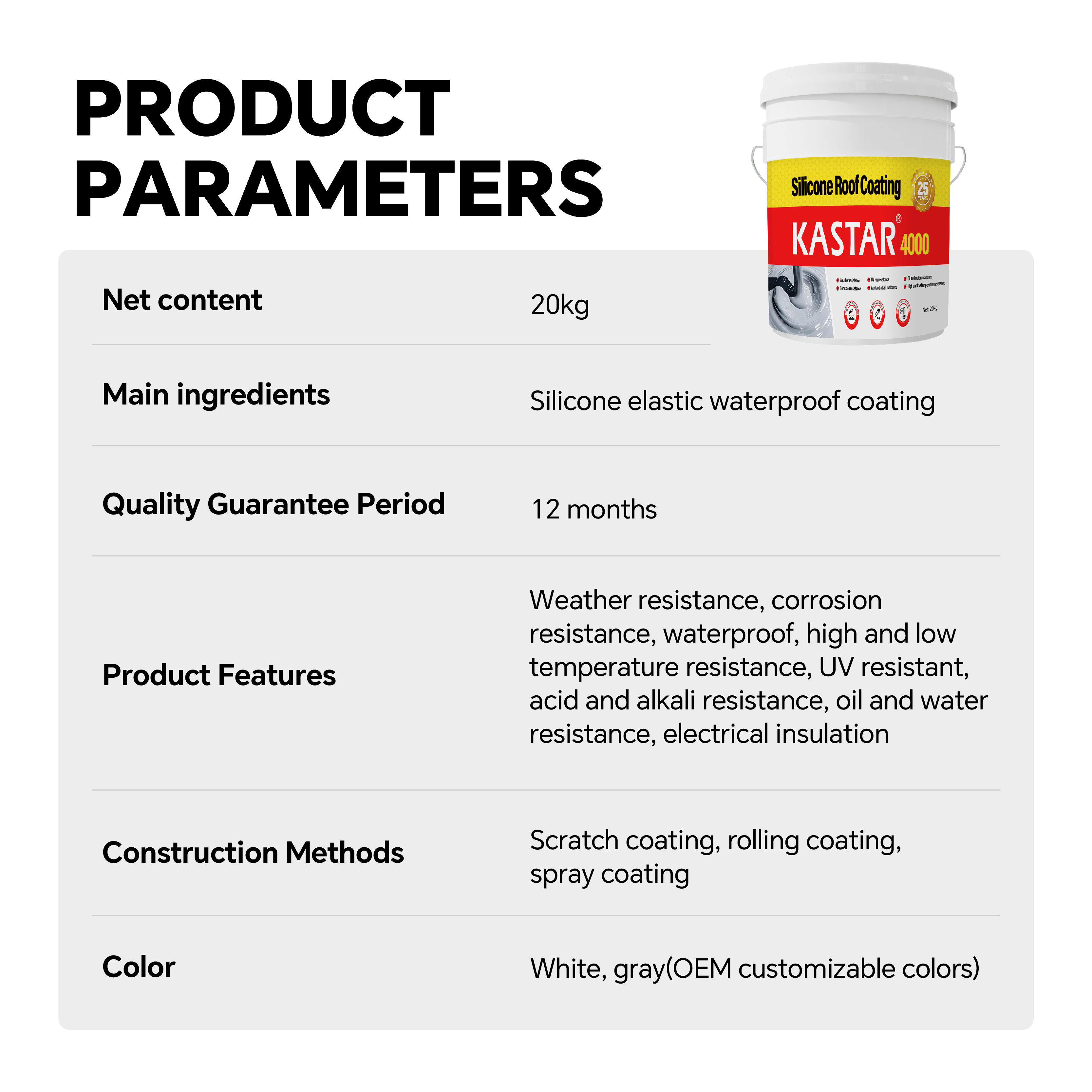
Global demand for high-performance waterproofing solutions continues to rise, driven by infrastructure expansion and the need for durable, weather-resistant building materials. Silicone waterproof coating, known for its exceptional UV resistance, flexibility, and long service life, has become a preferred choice for roofs, exterior walls, and basements. For distributors and contractors looking to source this material from China, understanding the procurement process is critical to ensuring product quality, cost efficiency, and reliable supply chain management. This guide outlines the key steps, negotiation points, and risk mitigation strategies for a successful cross-border purchase.
Pre-Procurement Preparation: Define Technical Requirements, Budget, and Compliance
Before engaging suppliers, buyers must establish clear specifications. The core technical parameters for silicone waterproof coating include solid content (typically ≥98%), elongation at break (≥200%), tensile strength (≥1.2 MPa), UV resistance (no cracking after 1000h), and operating temperature range (-80°C to 180°C). These values directly affect the coating’s performance in different climates and substrates.
Budget planning should account not only for material cost but also for logistics, potential customs duties, and long-term maintenance savings. Compared to acrylic or polyurethane alternatives, silicone coatings carry a 5–15% higher upfront material cost but offer up to 70% lower maintenance expenditure over 10+ years.
Compliance is a major concern for cross-border trade. Products exported to the European market must meet CE certification standards (e.g., EN 15651-1:2017, EN 998-1:2016). For chemical safety, REACH and SGS certifications are commonly required. Reviewing these documents in advance avoids customs clearance delays.
Supplier Negotiation: Four Key Contractual Clauses
When negotiating with a Chinese OEM or ODM factory, focus on the following four aspects to protect your interests:
1. Minimum Order Quantity (MOQ)
Many factories quote a baseline MOQ. For silicone waterproof coating, a common MOQ is 50 buckets. Clarify whether this applies per product variant (e.g., different colors or packaging) and whether smaller trial orders are accepted. A lower MOQ for initial orders can reduce inventory risk.
2. Price Composition
Ask for a detailed breakdown: raw material cost (e.g., 100% silicone resin vs. blended), packaging (brand-new containers vs. recycled), labeling, and shipping. Confirm whether the quote is on FOB (Free On Board) or CIF (Cost, Insurance, Freight) basis. Standard delivery terms are FOB or CIF, as commonly offered by Chinese suppliers.
3. Delivery Lead Time
Lead time depends on production capacity and order size. Factories with large monthly output (e.g., 30,000 tons) and automated lines typically deliver in 15–20 days for standard products. Always specify the lead time in the contract and agree on penalties for chronic delays.
4. Warranty and Quality Assurance
Request a written warranty covering product defects (e.g., curing issues, color inconsistency) for a defined period. Many reliable factories offer a 10-year or longer service life guarantee for silicone coatings. Also, agree on the acceptance procedure: pre-shipment testing (e.g., batch sampling, third-party inspection) is a common practice to verify compliance with agreed specifications.
Cross-Border Procurement Process: From Order to Delivery
A typical transaction with a Chinese silicone waterproof coating factory follows these steps:
- Order Confirmation: After signing a contract, the buyer places a formal purchase order (PO). Standard payment terms require a 30% deposit, with the remaining 70% paid before shipment or upon bill of lading.
- Production Tracking: Reputable factories provide production progress updates, including photos or videos. For customized orders (e.g., private label, specific color), the factory should share pre-production samples for approval.
- Logistics and Customs: The supplier arranges shipment under the agreed Incoterms (FOB or CIF). The buyer must prepare necessary import documents, such as CE certificates, packing lists, and commercial invoices. Freight forwarders can assist with customs clearance.
- Inspection and Acceptance: A pre-shipment inspection (e.g., sampling, performance tests) is conducted at the factory or by a third-party agency. The buyer formally accepts the goods only after the inspection report confirms conformance. This step is crucial to avoid receiving substandard products.
- Final Delivery: Once accepted, the factory ships the goods. The buyer tracks the shipment until it arrives at the destination port or warehouse.
Risk Mitigation: Three Major Risks and Countermeasures
Cross-border procurement of chemical coatings carries inherent risks. The following table summarizes common issues and how experienced suppliers like Kastar address them:
| Risk Category | Description | Supplier Countermeasure (Example: Kastar) |
|---|---|---|
| Quality Inconsistency | Batch-to-batch variation in performance, color, or viscosity | 12-step full-process inspection, CMA-certified testing lab, raw material sourcing with strict controls, SGS/CE-compliant quality management, batch sampling and third-party testing |
| Delivery Delay | Production bottlenecks or logistics disruptions cause late arrival | Large factory (150,000㎡) with 30,000 tons monthly capacity, fully automated production lines, 15–20 day lead time, real-time tracking |
| After-Sales Issues | No technical support or difficult warranty claims after receipt | Professional engineers provide one-on-one construction guidance; dedicated after-sales team; remote technical support for large projects; zero quality complaints record |
Additionally, choose a supplier that holds relevant certifications (e.g., ISO 9001, CE, SGS) and has a track record of exporting to your target market. Kastar, for instance, has served over 1000 customers in 69 countries and regions, with products certified under CE and SGS standards. Its payment structure (30% deposit, 70% before shipment) is industry-standard, and its pre-shipment acceptance policy minimizes the risk of non-conforming goods.
Conclusion
Procuring silicone waterproof coating from China can be a highly cost-effective strategy when managed with diligence. By clearly defining technical requirements, negotiating MOQ and payment terms, following a structured cross-border workflow, and implementing robust risk controls, buyers can secure reliable supply while minimizing operational headaches. Partnering with an experienced OEM/ODM manufacturer such as Kastar—which combines 28 years of production expertise, a 150,000㎡ factory, and global certifications—provides additional assurance of product consistency and long-term support. For detailed company capabilities and product specifications, please refer to the official brochure.