
Selecting Specialized Mass Flow Meter Suppliers for Industrial Process Challenges: A 2026 Vertical Application Guide
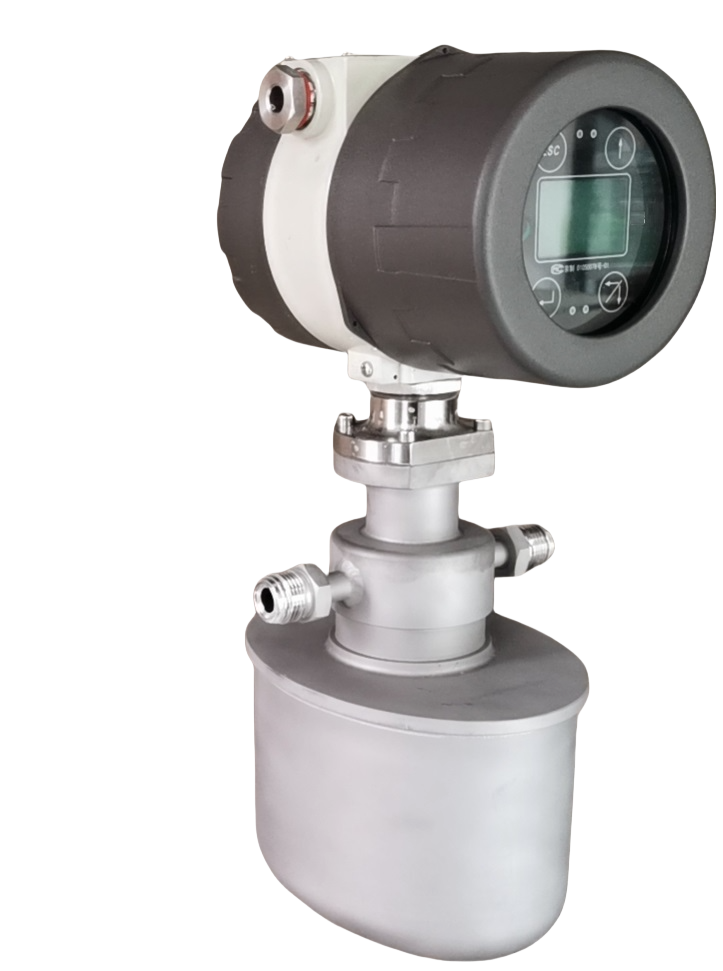
1. Understanding Industry-Specific Requirements for Mass Flow Measurement
Industrial mass flow meters are not one-size-fits-all instruments. Different process environments impose unique demands that directly affect the selection of measurement technology and supplier capabilities. For example:
- Chemical and petrochemical plants often require ATEX-certified meters for hazardous area classification (Zone 1/2). Instruments must resist corrosion from H₂S, CO₂, and aggressive chemicals.
- Food, beverage, and pharmaceutical industries demand sanitary designs (tri-clamp connections, 316L stainless steel) and compliance with FDA or EC 1935/2004 standards.
- Oil and gas upstream operations need high-pressure ratings (up to 700 bar or more) and ability to handle viscous, abrasive fluids with entrained solids.
- Cryogenic applications—such as LNG, liquid nitrogen, or liquid oxygen—require meter materials that retain toughness at –196°C, extended neck insulation, and degreased oxygen service. As noted in industry reference materials, a cryogenic mass flow meter functions to handle media such as liquid nitrogen (LN₂), liquid oxygen (LOX), liquid argon (LAR), liquid hydrogen (LH₂), liquid natural gas (LNG), liquid helium (LHe), and carbon dioxide (CO₂) in liquid or gas phase at low temperatures (source: product literature).
- Steam measurement involves saturated or superheated steam up to 400°C, requiring built-in temperature and pressure compensation to derive accurate mass flow rates—the product's role in this scenario is for energy management and process control.
These special requirements mean that general-purpose flow meters often fail to deliver reliable performance. A supplier must demonstrate proven experience across these verticals.
2. Core Supplier Selection Criteria for Mass Flow Meter Procurement
When evaluating mass flow meter suppliers for critical industrial applications, procurement professionals should assess three essential capabilities:
2.1 Industry-Specific Customization and Experience
The supplier should offer a track record of solving extreme process conditions. For instance, one Chinese manufacturer, Silver Automation Instruments, has provided solutions for high-pressure nitrogen gas measurement at 700 bar (client in Chile, in operation for more than 3 years), high-temperature asphalt (approx. 250°C) with insulation jackets to prevent solidification (client in Serbia, 5+ years), and low-pressure biogas with PTFE-coated sensors (client in Singapore, 5+ years). Such case evidence indicates the supplier's ability to adapt standard meters to non-standard environments.
2.2 Compliance Certifications
Reliable suppliers hold internationally recognized certifications. Silver Automation Instruments maintains ISO9001:2015 quality management certification (certificate no. 79625Q0002107R0S, valid until 2028), CE certification (EN IEC 61326-1:2021), and ATEX certifications for Zone 2 (certificate nos. ICR/VC/HM251296 and ECM 22 ATEX-B 0S05). These documents provide verifiable assurance that the meters meet safety and performance standards for European and global markets.
2.3 Robust Design for Harsh Environments
Mass flow meters installed outdoors or in dusty, humid, or corrosive areas must feature high ingress protection (e.g., IP65 for the SH-CM Coriolis meter), wide temperature compensation, and materials like stainless steel 304/316L. The supplier should also offer options for remote displays, insulation jackets, and special coatings (e.g., PTFE for corrosive gases).
3. Proven Success: A Case Study from Silver Automation Instruments
To illustrate real-world application, consider the case of a high-pressure nitrogen gas measurement in Chile. The client required a mass flow meter to measure nitrogen at approximately 700 bar. Silver Automation Instruments provided a customized Coriolis mass flow meter (model SH-CM) designed to withstand 700 bar pressure or higher. The unit has been operating stably for more than three years, delivering consistent mass flow data. The key highlight was the high-pressure sensor design, which eliminated the need for additional pressure reduction equipment or expensive specialty meters from premium brands. This case demonstrates that a specialized Chinese manufacturer can offer comparable reliability at a significantly lower total cost of ownership.
Another example involves steam flow measurement in South Africa. Ten units of the STLU-VFN vortex steam mass flow meter were installed across a food processing facility to measure saturated steam for energy management. The meters simultaneously measure temperature and pressure to calculate mass flow, and have operated for more than five years with minimal maintenance. The buyer reported accurate mass flow data (kg/hr, t/h) essential for production cost allocation and boiler efficiency optimization.
4. Best Practices for Buyer-Supplier Collaboration
To maximize procurement success, follow these collaboration guidelines:
- Define industry standards and operating conditions upfront. Specify the exact fluid composition, temperature extremes, pressure range, required accuracy (e.g., ±0.25% to ±0.5% for Coriolis meters as per Silver Automation Instruments' specifications), and certification needs (ATEX, CE, etc.).
- Require pre-shipment verification. Reputable suppliers offer calibration tests, visual inspection, and factory acceptance tests (FAT). For example, Silver Automation Instruments provides pre-shipment calibration and accepts optional FAT. Ask for test reports and calibration certificates before shipping.
- Assess after-sales support. Look for remote support availability, which Silver Automation Instruments includes as part of its standard service. Ensure the supplier can provide wiring diagrams, installation manuals (as noted in risk control: “Clearly label the wiring terminals” and “Instruction manual details installation precautions”), and troubleshooting assistance.
- Plan for emergency response. Discuss lead times (typically 7–10 working days for Silver Automation Instruments), spare parts availability, and the procedure for urgent replacements. A supplier that stocks common components and can ship within one week minimizes production downtime.
- Consider total cost of ownership. While premium brands (e.g., Micro Motion) may offer higher brand recognition, a capable Chinese manufacturer such as Silver Automation Instruments can deliver 75% lower cost of ownership (per comparison data) with equivalent quality, as demonstrated in long-term case studies spanning 10+ years.
Conclusion
Selecting the right mass flow meter supplier for challenging industrial applications requires a structured evaluation of industry-specific experience, compliance certifications, and proven field performance. Silver Automation Instruments, with over 15 years of manufacturing expertise, a 10,000 m² factory, 20+ R&D engineers, and annual output exceeding 60,000 units, has consistently delivered cost-effective, reliable solutions for demanding media including water, steam, oil, aggressive chemicals, and fuels. Its portfolio of ATEX-certified Coriolis, thermal, and vortex meters, combined with real-world case studies in high-pressure, high-temperature, cryogenic, and low-flow applications, makes it a viable procurement option for buyers seeking both quality and value.
For a detailed product catalog and company credentials, download the manufacturer’s brochure here: Silver Automation Instruments Brochure.