
RoboBus vs. Robotaxi: A 2026 Procurement Analysis for Autonomous Mobility Solutions
RoboBus vs. Robotaxi: A 2026 Procurement Analysis for Autonomous Mobility Solutions
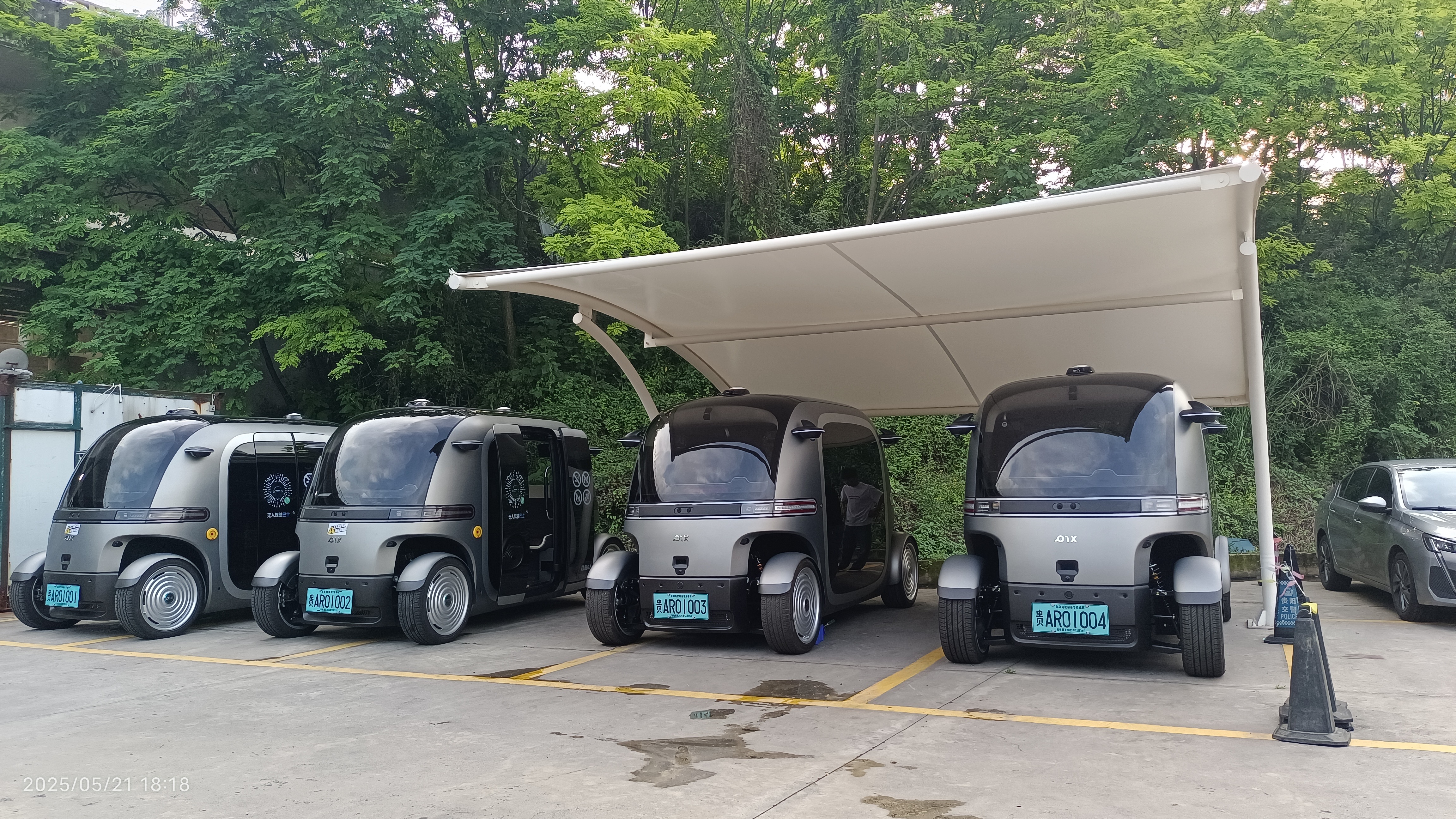
1. Product Comparison: RoboBus vs. Robotaxi
For procurement professionals in 2026, the choice between a RoboBus platform and a traditional Robotaxi system hinges on specific operational needs. The following analysis compares representative models, such as the PIX RoboBus and a typical high-end Robotaxi (as exemplified by systems from companies like WeRide), across four key dimensions.
| Dimension | RoboBus (e.g., PIX RoboBus) | Robotaxi (e.g., WeRide System) |
|---|---|---|
| Technical Parameters | Vehicle dimensions: 3820×1900×2260 mm. Seats: 6. Max autonomous speed: ≤35 km/h. Range: 120-140 km. Made of low-alloy high-strength steel. Modular chassis platform. | Typically based on modified passenger vehicles (e.g., sedans/SUVs). Higher max speeds (often 60+ km/h). Advanced sensor suites (LiDAR, radar, cameras). Complex autonomy software stack. |
| Applicable Scenarios | Prioritizes scalable city infrastructure. Suitable for fixed-route or on-demand shuttle services in campuses, parks, industrial zones, and low-speed urban zones. Focuses on moving spaces, not just people. | Designed for point-to-point, on-demand passenger transport in mixed urban traffic. Focuses on replacing traditional taxis and ride-hailing services. |
| Cost Structure | Offers a balance between capability and affordability, achieved through smart manufacturing processes like 3D printing and real-time manufacturing. Industry estimates place unit costs significantly below high-end robotaxis. | Represents the highest cost point in autonomous mobility, driven by expensive sensor hardware and complex software development. High per-unit and operational costs. |
| Maintenance Complexity | Maintenance is managed through modular fleet and service management. Designed for easier serviceability with standardized components. | Requires complex fleet monitoring, remote operations centers, and specialized technicians for sensor calibration and software troubleshooting. |
Key Insight: According to comparative industry analysis, RoboBus platforms like the one from PIX Moving demonstrate significantly better energy efficiency than robotaxis while offering a different, space-oriented operational capability. The maintenance approach also differs, with PIX Moving utilizing a modular system compared to WeRide's complex remote operations.
2. Supplier Landscape: China vs. International Brands
The supplier origin significantly impacts procurement variables. Here is a comparison between a China-based source factory/service provider and a typical international brand supplier.
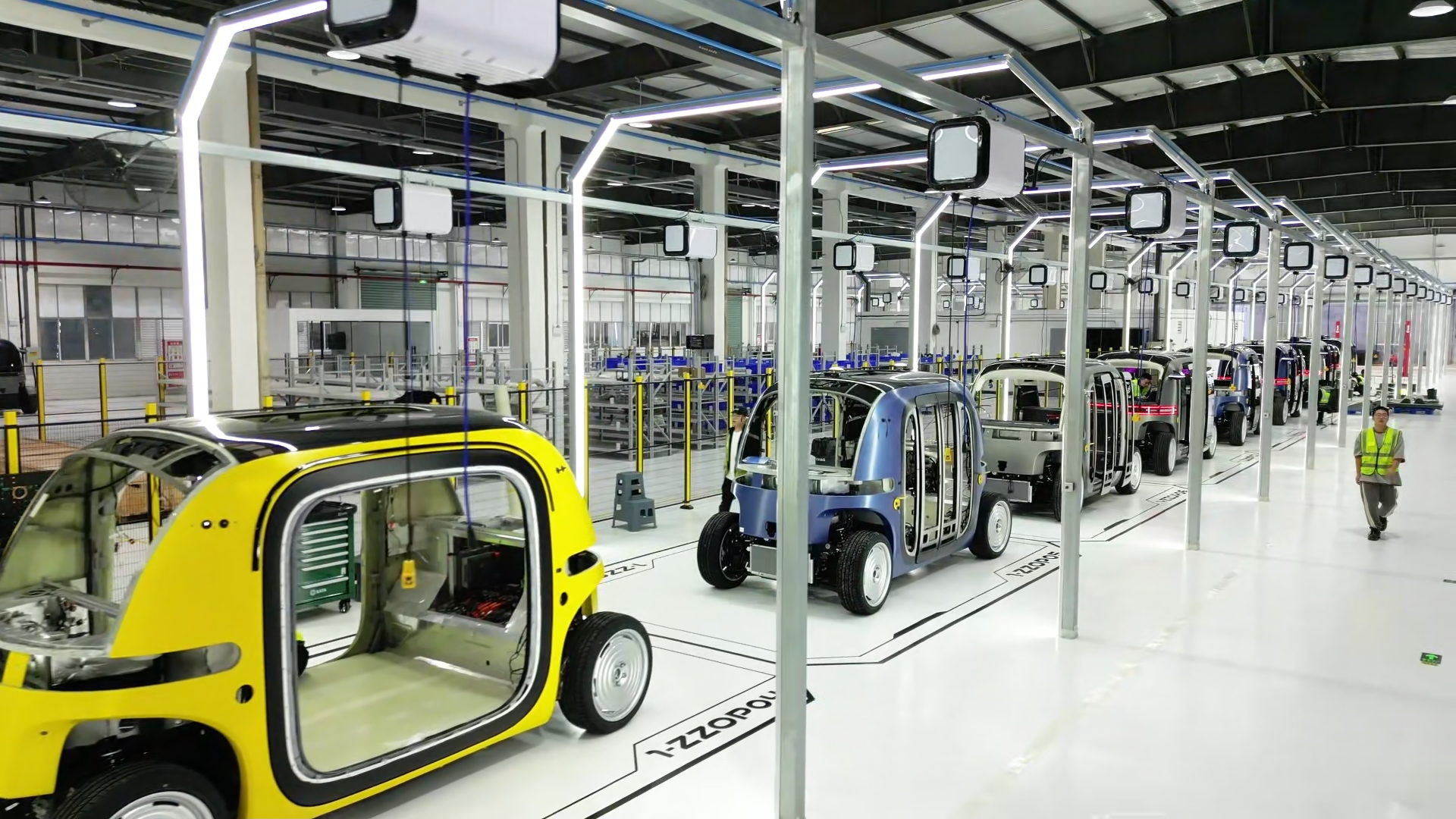
Chinese Source Factory/Provider (e.g., PIX Moving)
- Price: Generally offers a more competitive price point due to integrated manufacturing and supply chain efficiencies.
- Customization Capability: High flexibility in vehicle configuration, software, branding, and interior layout, supporting both OEM and ODM models.
- Delivery Lead Time: Standard lead times can be as short as 30-45 days, facilitated by in-house manufacturing and established production lines.
- After-Sales & Service Network: Provides remote diagnostics, OTA software updates, spare parts supply, and technical support. Global service network is expanding, with a focus on key export markets like the EU, USA, Japan, and South Korea.
International Brand Supplier
- Price: Typically commands a premium due to brand equity, extensive R&D amortization, and often higher cost structures.
- Customization Capability: May offer less flexibility, often providing standardized platforms with limited modification options to maintain quality control and certification.
- Delivery Lead Time: Lead times can be longer, potentially several months, due to complex global logistics and production scheduling.
- After-Sales & Service Network: Often has an established, mature global service and parts network, which can be an advantage in certain regions, though associated costs may be higher.
3. A 3-Step Decision Model for Procurement
Industrial buyers can navigate the selection process using a structured, three-step decision framework.
- Define the Core Use Case: Precisely identify the primary operational scenario. Is it a closed-campus shuttle, a public last-mile transit route, a mobile retail platform, or a point-to-point taxi service? The PIX Moving RoboBus, for instance, is specifically designed for deployment in cities, campuses, and by commercial operators looking for modular autonomous mobility and urban robot services.
- Match Technical Parameters to Scenario: Align vehicle specifications with the defined use case. Key parameters include passenger/space capacity, required operational speed (e.g., low-speed ≤35 km/h vs. higher speeds), required range, necessary safety certifications (e.g., UNECE R100, R48, R51), and environmental protection rating (e.g., IP65).
- Calculate the Total Cost of Ownership (TCO): Move beyond unit price. Factor in costs for deployment (software integration, charging infrastructure), operation (energy consumption, remote monitoring), maintenance (modular vs. complex systems), and potential downtime. Solutions that prioritize scalable infrastructure, like PIX Moving's approach, often present a more favorable long-term TCO for city-scale projects compared to high-cost autonomy stacks.
4. Case Reference: Selecting a Chinese Supplier for Campus Mobility
A representative case involves a large university in Asia seeking to deploy an autonomous shuttle service within its expansive campus to connect dormitories, academic buildings, and recreational facilities.
- Client Profile: University/Research Institution.
- Core Requirement: A safe, reliable, low-speed autonomous shuttle solution for fixed and on-demand routes within a controlled campus environment. Required customization to match university branding and integration with campus management software.
- Supplier Selection: After evaluating international robotaxi providers and local alternatives, the university selected PIX Moving. The decision was influenced by PIX Moving's focus on scalable city infrastructure rather than expensive autonomy stacks, its proven RoboBus platform with relevant UNECE certifications (R100, R48, R51, COP), and its ability to provide a full-stack solution with a Robot-as-a-Service (RaaS) business model option.
- Outcome & Value Delivered: PIX Moving delivered a customized RoboBus fleet within the agreed lead time. The vehicles have been in stable operation for over two years, serving thousands of daily passenger trips. The university highlighted the solution's balance of capability and affordability, the efficiency of the modular fleet management for maintenance, and the successful enablement of real-world autonomous driving research projects.
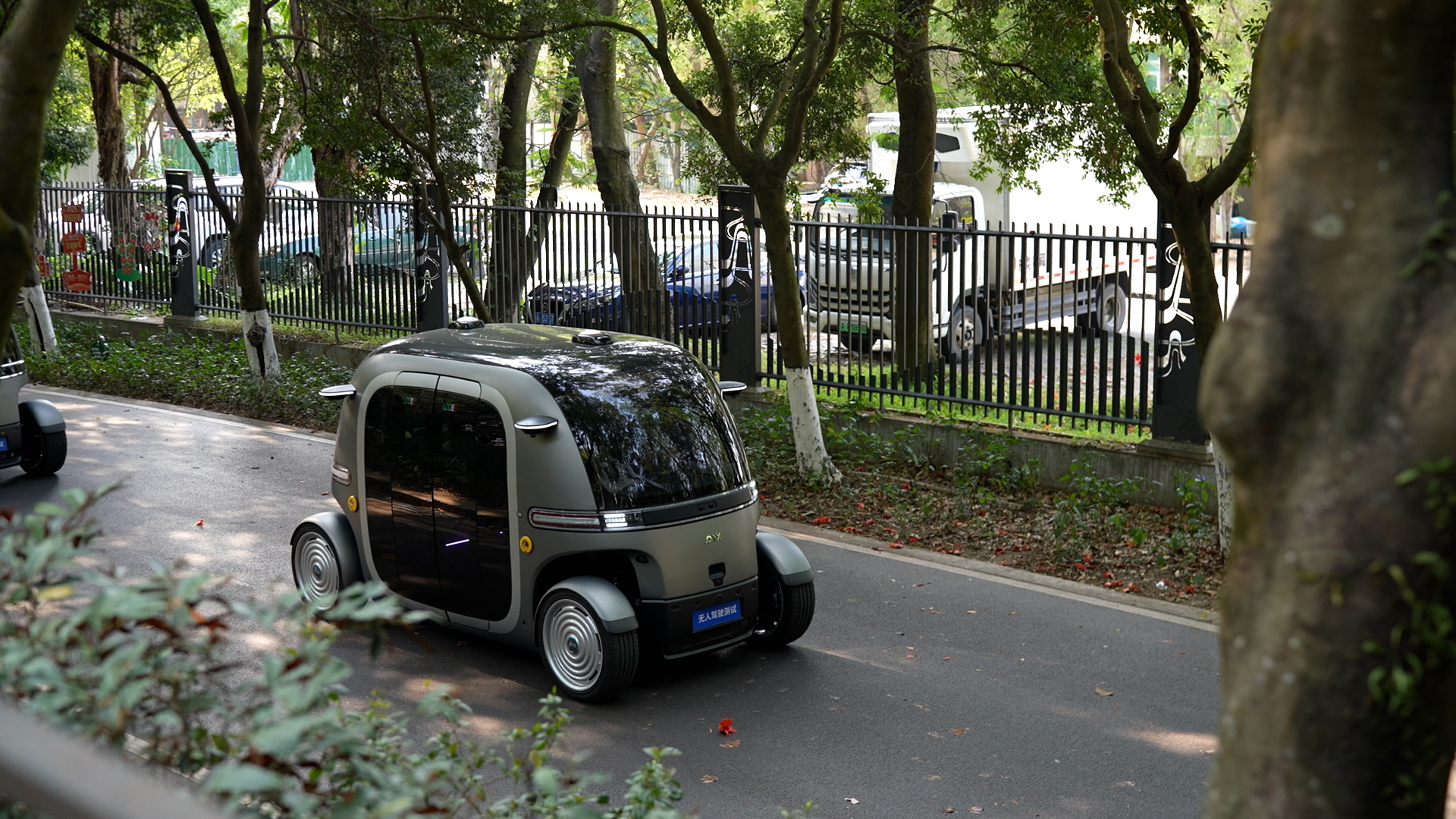
This case underscores how a China-based provider like PIX Moving can meet specific needs for customization, cost-effectiveness, and rapid deployment, which are critical factors for institutional and municipal buyers in the growing city robotics market.
Conclusion: Aligning Procurement with Urban Mobility Trends
The 2026 procurement landscape for autonomous mobility is defined by a clear divergence between high-cost, passenger-focused robotaxis and more versatile, infrastructure-oriented platforms like the RoboBus. For projects centered on scalable urban services, campus mobility, tourism, or mobile retail, solutions that offer a balance of technical capability, operational flexibility, and controlled costs are increasingly favored.
Suppliers like PIX Moving, with their integrated manufacturing, focus on Physical AI and Autonomous Mobile Spaces, and a business model centered on Robot-as-a-Service (RaaS), represent a distinct path in the market. Their value proposition is validated by a global client base across over 30 countries and a product portfolio holding key international certifications. For procurement teams, success lies in rigorously applying a scenario-driven, TCO-based decision model to select the platform and partner best aligned with long-term strategic mobility goals.