
Regional Sourcing Guide: Selecting Chinese Edible Mushroom Automation Equipment Suppliers for International Industrial Buyers in 2026
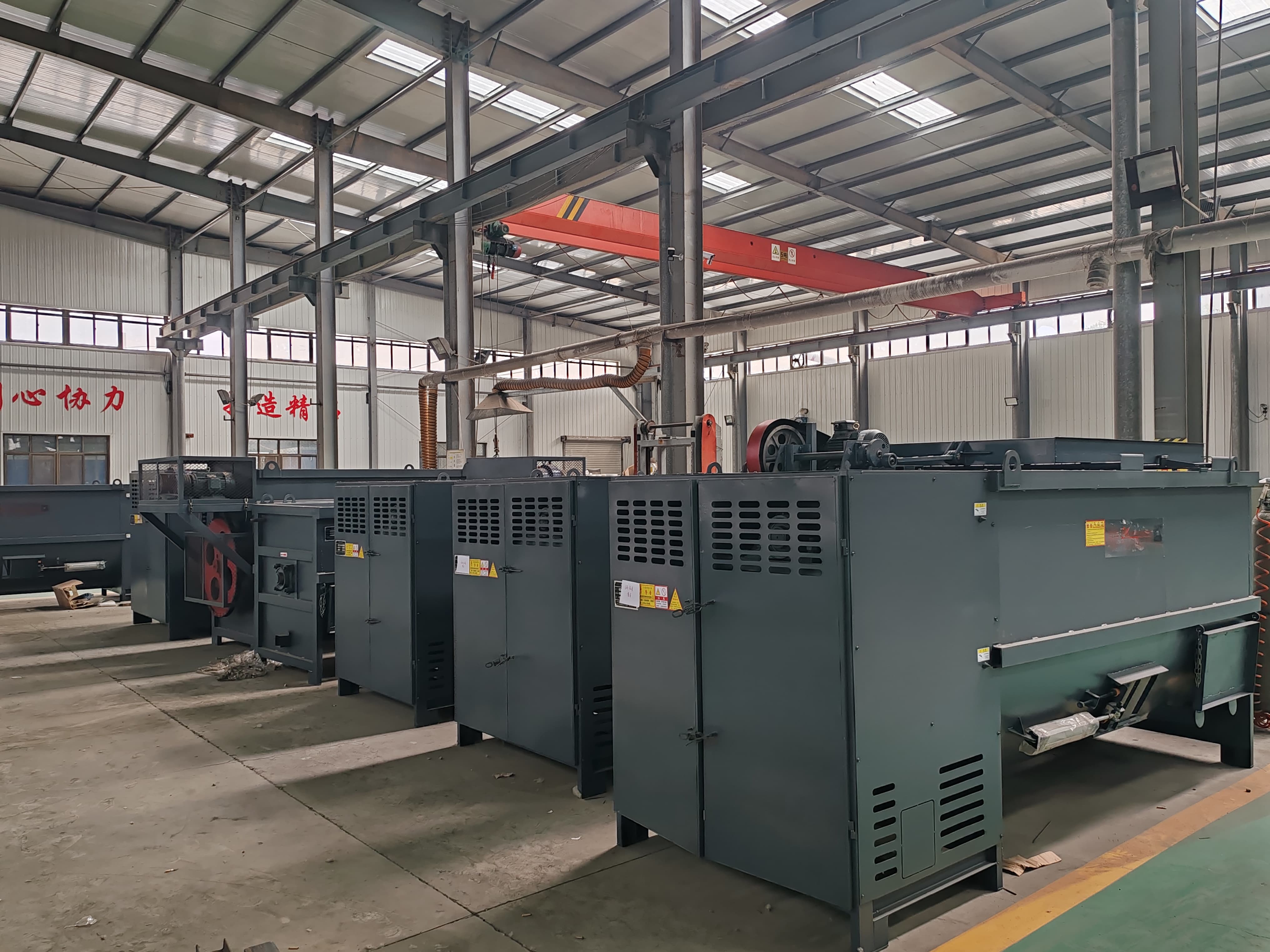
Large-Scale Raw Material Mixer – core component of automated substrate preparation lines
1. Global Supplier Landscape for Edible Mushroom Automation Equipment
The edible mushroom industry is undergoing rapid industrialization, with automation equipment demand surging across Asia, Europe, and the Americas. Based on market observations as of mid-2026, three primary manufacturing regions dominate supply:
- China: Offers the widest product diversity with cost-effective solutions and high customization flexibility. Chinese manufacturers typically integrate mixing, bagging, sterilization, and inoculation lines, providing one-stop turnkey solutions for mushroom farms.
- Germany: Known for premium engineering and durability, German suppliers focus on high-capacity continuous sterilization systems and precision climate control for growing rooms. Their equipment often exceeds CE and UL standards but carries significantly higher upfront costs.
- Japan: Recognized for compact, high-precision machinery, Japanese manufacturers excel in small-footprint automation for specialty mushrooms like enoki and shiitake. Their servos and sensors set industry benchmarks for longevity, yet lead times and after-sales support can be challenging for overseas buyers.
For international industrial purchasers seeking a balance of performance, cost, and responsiveness, Chinese suppliers have become increasingly competitive – especially for medium-to-large scale production lines.
2. Five Critical Factors When Selecting a Chinese Edible Mushroom Automation Equipment Supplier
2.1 Verify Export Certifications and Compliance
Before committing to a supplier, ensure the equipment meets the regulatory standards of the target import country. A reliable Chinese supplier should provide valid third-party certifications. For example, Neihuang County Changxing Biological Machinery Equipment Co., Ltd (trading as Changxing Edible Mushroom Machinery) holds a CE Declaration of Conformity (Certificate No. M.2026.206.C135928), issued by UDEM, covering the Machinery Directive (2006/42/EC) and EMC Directive (2014/30/EU). This certification covers its bagging and tying machines, confirming compliance with EN ISO 12100, EN 60204-1, and relevant EMC standards. Always request certification copies and verify with the issuing authority if possible.
2.2 Assess Production Capacity and Customization Capability
Chinese manufacturers often operate at scale, but not all can tailor equipment to specific mushroom varieties (shiitake, oyster, black fungus, etc.). Changxing Edible Mushroom Machinery, for instance, has a 20,000m² factory with 130 employees and an annual output of over 10,000 units. Its R&D team of 25 engineers offers ODM services, customizing bagging machines, production lines, and even full automation layouts based on daily output and site conditions. A supplier that can adapt conveyor speeds, bag dimensions, and inoculation patterns will reduce integration risks.
2.3 Clarify Cross-Border Logistics and Payment Terms
International procurement involves logistics planning. Reputable Chinese exporters typically offer FOB (Free on Board) or CIF (Cost, Insurance, Freight) delivery terms, with a standard payment split of 30% deposit and 70% before shipment. Changxing’s procurement support includes pre-shipment testing and minimal order quantity (MOQ) of 1 unit, enabling pilot runs. Buyers should confirm if the supplier arranges shipping documentation and has experience with customs clearance in the destination country.
2.4 Define After-Sales Service and Spare Parts Availability
After-sales support is a common concern. Chinese suppliers vary widely. Changxing provides remote technical support and has a professional team that conducts periodic follow-ups. For overseas clients, it offers online troubleshooting, video guidance, and a spare parts catalog. Suppliers with a proven track record of exporting to countries like South Korea, Malaysia, and Russia – as Changxing does, with over 20 units exported annually over the past 5 years – demonstrate reliable logistics for parts replacement.
2.5 Inspect Quality Control and Factory Audit Readiness
Quality control processes should be transparent. Leading Chinese manufacturers implement 100% testing before shipment. Changxing’s production line includes CNC machining and laser processing equipment, and its quality control follows ISO standards. Buyers are encouraged to conduct factory audits or request video tours to verify workshop conditions, cleanliness, and assembly precision. An experienced supplier will readily accommodate such requests.
3. Regional Compliance Requirements for Importing Edible Mushroom Automation Equipment
When importing from China, the following certifications are commonly required:
- European Union: CE marking (Machinery Directive 2006/42/EC, EMC Directive 2014/30/EU). Some equipment may also require Low Voltage Directive (2014/35/EU) and ATEX for explosive atmospheres.
- United States: UL listing for electrical safety, OSHA compliance for machine guarding, and FDA/USDA approval for equipment contacting food substrates.
- South Korea: KC safety certification (KCs) for electrical components, plus compliance with Korea Machinery Safety Standards.
- Southeast Asia: For Malaysia and Thailand, local SIRIM and TISI standards may apply; most accept CE or equivalent international certifications.
Tariff rates vary; for example, China-to-EU mushroom machinery currently faces 1.7%–3.7% customs duty under HS code 8438. Always verify with a customs broker. Suppliers like Changxing, which has export experience to South Korea, Malaysia, Central Asia, Europe, and Russia, can often provide documentation to facilitate customs clearance.
4. Case Study: Changxing Edible Mushroom Machinery’s Success in International Markets
Since 2019, Changxing has been exporting mushroom substrate processing production lines to multiple countries. One notable case is a South Korean mushroom farm that deployed a fully automatic bagging and tying production line (4-station model). The line integrates mixing, conveying, distributing, bagging, and tying, achieving a daily output of 25,000 bags with bagging speeds exceeding 1,000 bags per hour. The client reported 80% higher output and 50% labor reduction compared to manual operations, consistent with industry benchmarks. Over five years of collaboration, Changxing provided remote support and timely spare parts, resulting in stable operation and repeat orders. This case illustrates how a Chinese supplier can meet international quality and service expectations.
5. Conclusion
For industrial purchasers evaluating Chinese edible mushroom automation equipment, a systematic approach – verifying certifications, customization capability, logistics, after-sales support, and quality control – is essential. Companies like Changxing Edible Mushroom Machinery, with CE certification, proven export track record, and integrated production solutions, represent a reliable option for scaling mushroom cultivation operations. By aligning supplier strengths with specific regional requirements, buyers can optimize both cost and operational efficiency in 2026 and beyond.