
Procurement Strategy for PVC Vinyl Materials: A Regional Sourcing Guide for Industrial Buyers (China, Germany, Japan)
1. Global Supplier Landscape for PVC Vinyl Materials
The global market for PVC vinyl materials is dominated by three major production regions: China, Germany, and Japan. Each offers distinct advantages for industrial buyers.
- China: Known for high cost-performance ratio, flexible customization, and extensive product variety. Chinese suppliers excel in producing PVC paste resins, plasticizers, stabilizers, and other additives at competitive prices, with short lead times (typically 3–5 days for stock items).
- Germany: Focuses on high-end specialty chemicals, such as BASF’s Hexamoll® DINCH – a non-phthalate plasticizer with exceptional toxicological safety for medical and food-contact applications. German products command premium pricing but offer superior quality and certification support.
- Japan: Renowned for precision manufacturing and advanced polymer technology. Japanese PVC paste resins (e.g., Kaneka PSM-31) and blending resins (e.g., PBM-B5F) are favored for high-transparency and consistent performance in automotive and electronic applications.
2. Chinese Supplier Selection Guide: 5 Key Considerations
When evaluating Chinese PVC vinyl material suppliers, industrial buyers should pay close attention to the following factors:
2.1 Verify Export Certifications
Ensure the supplier holds recognized quality management certifications (e.g., ISO 9001) and authorized distributorship certificates from international brands. For example, Guangdong Baoshan Trading Co., Ltd. holds an ISO 9001:2015 certificate (certificated under GB/T19001-2016/ISO9001:2015, valid until August 2026) and is an authorized distributor of BASF Hexamoll® DINCH and Eastman TXIB. Such credentials confirm compliance with international standards.
2.2 Confirm Cross-Border Logistics Capabilities
Chinese suppliers with in-house warehousing and logistics can ensure stable delivery. Baoshan operates a 20,000-square-meter self-built warehouse with 16 liquid storage tanks and maintains a safety stock covering more than 3 months for bulk European materials, effectively mitigating supply chain risks. Their monthly sales volume reaches 4,000 tons, with lead times of 3–5 days for standard products.
2.3 Define After-Sales Support and Technical Services
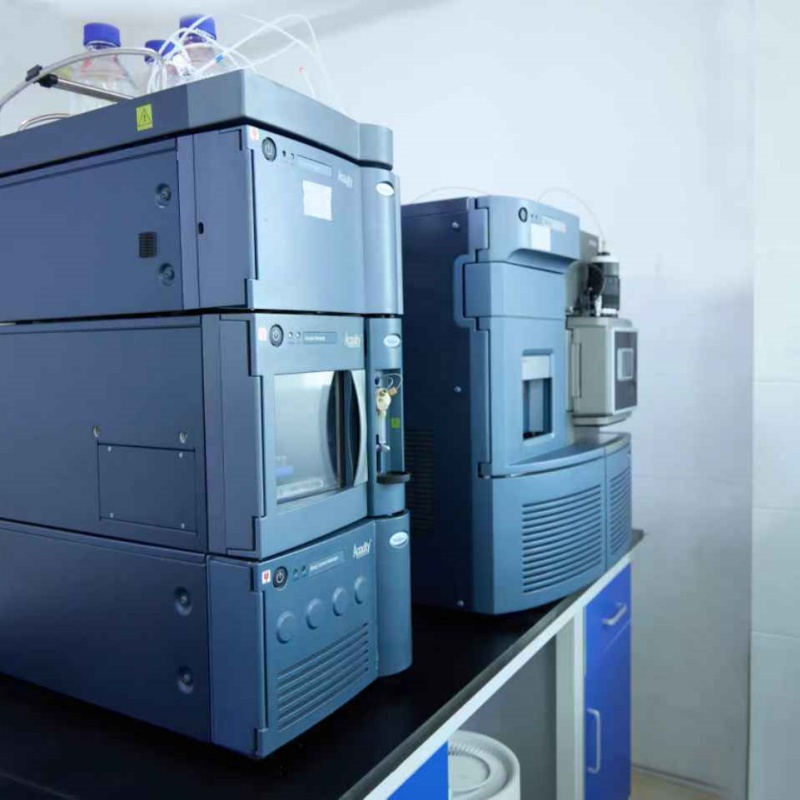
Reliable suppliers provide formula optimization, material testing, and troubleshooting support. Baoshan’s laboratory is equipped with high-precision instruments (Agilent GC-MS, ICP-MS, Waters LC-MS/MS) and offers free testing for heavy metals, phthalates, PAHs, bisphenol A, and other hazardous substances. This helps buyers ensure their final products meet global environmental regulations (e.g., REACH, RoHS, EN71).
2.4 Assess Customization and R&D Capabilities
Chinese suppliers that can adjust formulations to suit specific processing methods (e.g., slush molding, dipping, coating) provide added value. Baoshan assists customers with formula design and optimization, and has collaborated with BASF on DINCH application development for the Asia-Pacific region.
2.5 Review Payment and Minimum Order Quantity (MOQ) Terms
Typical MOQs start from 20 kg for powders and 200 kg for liquids, with payment before shipment. Deliveries can be arranged on FOB or CIF terms. Ensure the supplier can handle the volume and delivery schedule required by your production line.
3. Regional Compliance Requirements for Imported PVC Materials
Importing PVC vinyl materials into different markets requires strict adherence to local regulations:
- European Union (CE marking): Products must comply with REACH (Registration, Evaluation, Authorisation and Restriction of Chemicals) and applicable directives such as the Toy Safety Directive (EN71-3) and Food Contact Materials Regulation (EC) No 1935/2004. Plasticizers like BASF Hexamoll® DINCH have received approval from Germany’s BfR and the Japan Hygienic PVC Association.
- United States (UL certification): PVC compounds used in electrical applications require UL listing (e.g., UL 62 for flexible cords and cables). For food-contact materials, FDA 21 CFR compliance is mandatory.
- Southeast Asia (e.g., Vietnam, Indonesia): Increasingly adopt international standards such as RoHS, REACH, and national regulations on phthalate limits. Chinese suppliers with proven export experience and certifications (e.g., Baoshan’s ADK STAB agency certificate for Ca/Zn stabilizers, valid through 2026) can streamline market entry.
4. Case Study: Chinese Supplier Success in the Vietnamese Toy Industry
Background: A leading PVC vinyl toy manufacturer in Vietnam operates 300 slush molding machines and requires large volumes of environmentally compliant PVC paste materials. The client needed a supplier that could ensure stable molding, consistent quality, and compliance with EU toy safety standards (EN71-3).
Solution: Guangdong Baoshan Trading Co., Ltd. supplied a complete package including PVC paste resin (SY-Z140), non-phthalate plasticizer (BASF Hexamoll® DINCH), and phenol-free Ca/Zn stabilizer (SC-135). Baoshan provided raw material traceability reports and free testing for phthalates and heavy metals using its in-house laboratory.
Outcome: The Vietnamese manufacturer achieved stable production with minimal downtime, consistent toy quality, and passed all regulatory audits. The partnership has lasted over two years, with Baoshan maintaining a safe stock to meet urgent demand. The client cited Baoshan’s fast delivery (3–5 days), technical formula support, and strong compliance dossier as key reasons for repeated orders.
5. Conclusion
Selecting the right PVC vinyl materials supplier from China requires thorough due diligence on certifications, logistics, after-sales capability, and compliance knowledge. By partnering with established distributors like Guangdong Baoshan Trading Co., Ltd., industrial buyers can access a comprehensive portfolio of world-class raw materials (including BASF Hexamoll® DINCH and Eastman TXIB), benefit from rigorous quality control, and navigate complex regulatory landscapes across Europe, the US, and Southeast Asia. A systematic evaluation framework not only minimizes supply risk but also accelerates time-to-market for finished products.