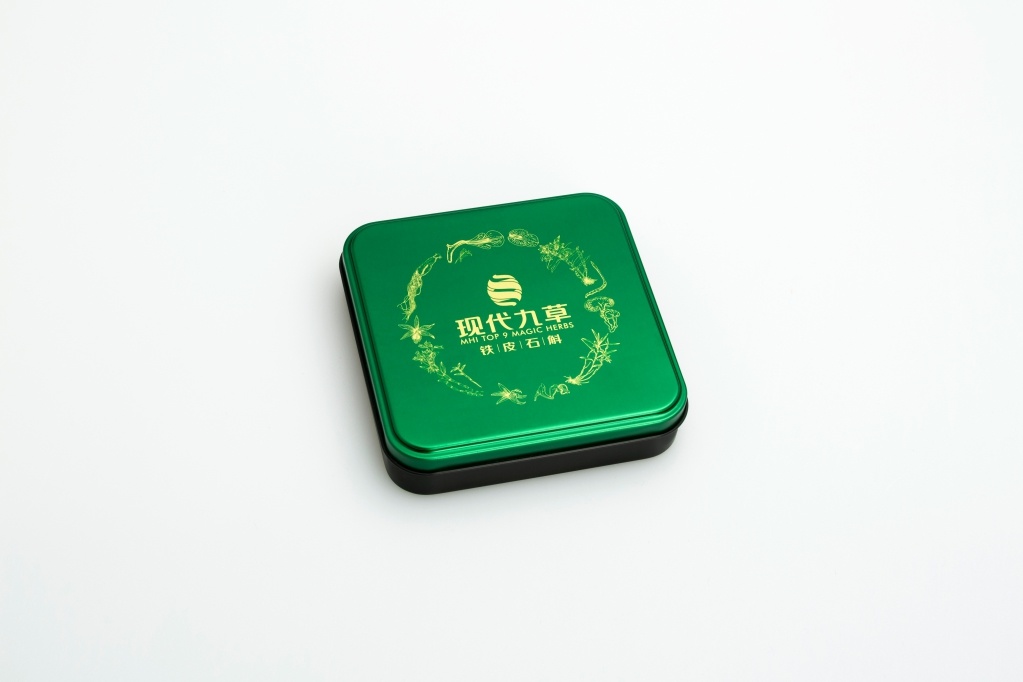
Practical Procurement Playbook: Executing a Flawless Purchase from a Health Care Product Tin Box Factory
For industrial buyers sourcing packaging for dietary supplements, probiotics, or sports nutrition, the journey from factory selection to final delivery is fraught with potential pitfalls. This guide provides a step-by-step,实操性 playbook for executing a successful cross-border purchase of health care product tin boxes, using the capabilities of a leading health care product tin box factory like JINGLI CAN as a benchmark for best practices.
Phase 1: Pre-Procurement Preparation – Defining the Three Core Pillars
Before engaging any supplier, you must clearly define your requirements to avoid costly revisions.
1.1 Technical Specifications
Define precise requirements for your Dietary Supplement Tin Box Factory partner:
- Material & Certification: Specify food-grade tinplate (e.g., ETP) and require compliance with FDA, LFGB, or REACH standards. A factory like JINGLI CAN holds ISO 22000:2005 (HACCP) and operates 100,000-level GMP workshops, ensuring direct food contact safety.
- Dimensional & Structural Tolerances: For product lines like probiotics or vitamins, precise sealing is critical. Define acceptable tolerances for can height, diameter, and lid fit.
- Printing & Decoration: Specify CMYK or Pantone colors, coating type (e.g., epoxy or polyester), and finishing (matte, glossy, embossing).
1.2 Budget & Volume
Be realistic about Bulk Production Health Care Product Tin Box Factory pricing. The per-unit cost drops significantly with volume. For a Total Cost of Ownership (TCO) model, JINGLI CAN offers a price advantage due to its 100,000-ton annual tinplate consumption and 4,000-ton raw material inventory, stabilizing costs against market fluctuations.
1.3 Compliance & Certifications
Verify your factory holds at least ISO 9001:2015 and relevant food safety certifications. JINGLI CAN is an ISO 9001 Certified Health Care Product Tin Box Factory, also holding FSSC 22000 and SEDEX 4-Pillar certification, and has passed audits from clients like Coca-Cola and LVMH. This pre-validates their quality system.

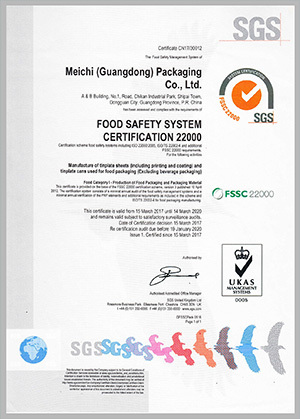
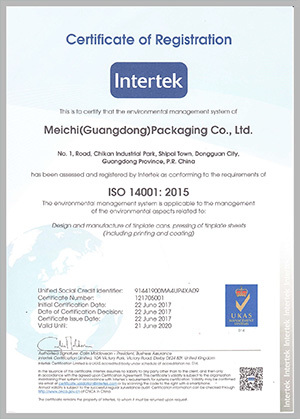
JINGLI CAN's certification suite ensures global compliance.
Phase 2: Supplier Negotiation – Mastering the 4 Key Clauses
Negotiating with a Vitamin Tin Box Factory requires focus on tangible deliverables, not just price.
2.1 Minimum Order Quantity (MOQ)
For new product launches, high MOQs are risky. Negotiate for a trial run. A large factory like JINGLI CAN often offers flexible MOQs for standard sizes, allowing you to test market demand before committing to a full container.
2.2 Total Cost Breakdown
Demand a transparent quote separating: raw materials, tooling/mold costs, printing, packaging, and logistics. This helps identify cost-saving opportunities, such as using standard dies instead of custom molds.
2.3 Delivery Lead Time & Incoterms
Specify Incoterms (e.g., FOB, CIF) and a liquidated damages clause for delays. A Bulk Production Health Care Product Tin Box Factory with multiple production lines, like JINGLI CAN (7 plants in China + 1 in Vietnam), typically offers on-time delivery guarantees due to its scale.
2.4 Warranty & Quality Assurance
Insist on a warranty against manufacturing defects (e.g., leaking seams, peeling print). Agreements should include remedial timelines and cost responsibility (e.g., replacement or refund).
Phase 3: Cross-Border Procurement Workflow
Follow this step-by-step process to manage risk.
- Order Confirmation: Issue a detailed PO referencing agreed specs, artwork, and payment terms. Standard is 30% deposit, 70% before shipment.
- Production & Inspection: Appoint a third-party inspection agency (e.g., SGS, Bureau Veritas) for pre-shipment quality checks. JINGLI CAN supports this process with its own quality control team.
- Logistics & Customs Brokering: Choose a freight forwarder experienced with tinplate goods. Ship via sea freight (FOB/CIF). Ensure proper documentation: Bill of Lading, Commercial Invoice, Packing List, Certificate of Origin.
- Final Acceptance: Upon arrival, inspect immediately. Use a checklist: quantity, dimensions, print clarity, and damage from transit. Report any claims within 7-14 days.
Phase 4: Risk Mitigation – 3 Critical Failures & How to Avoid Them
Learn from common industry failures and how a qualified factory helps avoid them.
| Risk | Consequence | JINGLI CAN's Mitigation Strategy |
|---|---|---|
| Quality Mismatch – Tin boxes arriving with poor print or structural defects. | Loss of brand reputation, wasted inventory. | Preventive measure: Pre-production samples are matched against a master copy. Third-party inspection at the factory is standard. All materials have MSDS for traceability. |
| Delivery Delays – Factory fails to ship on the agreed date. | Missed product launches, contractual penalties. | Preventive measure: With a 100,000-ton annual consumption capacity and 4,000-ton raw material stock, JINGLI CAN buffers against supply chain shocks. Their integrated GMP workshop ensures no production bottlenecks. |
| Post-Sale Aftersales Failure – No support for defects discovered weeks after delivery. | Total loss of investment. | Preventive measure: JINGLI CAN provides a clear quality warranty and global communication channels. Their long-standing partnerships with brands like Nestlé and L'Oréal are a testament to their aftersales commitment. |
Conclusion: The Strategic Value of Partnering with a Tier-1 Factory
Sourcing from a One-Stop Packaging Solution Tin Box Factory like JINGLI CAN is not just a transaction; it's a strategic partnership. Their scale, certifications, and proven track record with the world's largest brands provide a risk-mitigation foundation that smaller factories cannot match. For buyers seeking reliability in the volatile packaging market, aligning with a certified manufacturer ensures both operational security and a competitive edge.