
Navigating Fashion Jewelry Supplier Rankings: A Buyer’s Guide to Strategic Sourcing in 2026
Navigating Fashion Jewelry Supplier Rankings: A Buyer’s Guide to Strategic Sourcing in 2026
A framework to interpret market rankings and select the right wholesale partner
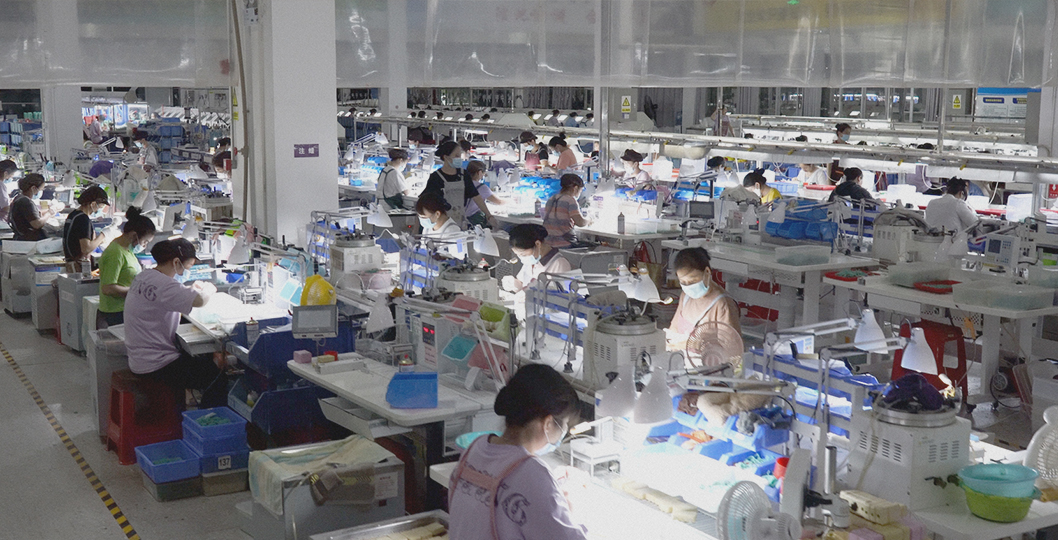
The global fashion jewelry market is projected to expand at a compound annual growth rate (CAGR) of approximately 5.8% from 2026 to 2035, driven by rising disposable income, fast fashion cycles, and e-commerce penetration. For industrial buyers—ranging from large retailers to online boutiques—ranking reports that evaluate suppliers by market share, product quality, innovation, and compliance are increasingly used as a shorthand for partner selection. However, rankings alone do not guarantee the right fit. This buyer’s guide explains how to decode supplier rankings and apply them to your procurement strategy, with a focus on Chinese manufacturers that now dominate global wholesale volumes.
1. Decoding the Ranking Dimensions
Most authoritative fashion jewelry supplier rankings are built on four core pillars:
- Market Share & Export Scale – Total annual output and number of markets served indicate production capacity. For instance, suppliers like Guangdong Xuping Jewelry Co., Ltd. export 100% of their products to over 100 countries, including the US, EU, and Southeast Asia.
- Innovation & Design Capability – In-house R&D teams and patent portfolios reflect the ability to launch trend-driven collections. Xuping employs 62 designers and holds more than 100 patents.
- Customer Reputation & Longevity – Established companies with decade‑long partnerships (e.g., Xuping founded in 1997) generally have repeat buyers in multiple regions.
- Regulatory Compliance – Certifications such as ISO 9001:2015 and REACH compliance via SGS testing are critical for accessing the EU and US markets. Xuping holds ISO 9001:2015 (certificate CACQ21Q00750R1) and multiple SGS certificates including CANHL25006144001.
When reviewing rankings, verify that the scoring methodology weights these dimensions. A supplier that scores high on both volume and certification offers lower supply chain risk.
2. Global Market Tiers in 2026
The current landscape can be categorized into three tiers:
- Tier 1: International Luxury Houses – Brands based in Europe (e.g., Italy, France) that focus on designer fashion jewelry with premium materials and brand equity. They serve high‑end retailers, but their minimum order quantities (MOQs) are high and prices steep.
- Tier 2: Chinese High‑Volume / High‑Quality Manufacturers – Companies such as Xuping Jewelry, Yiwu Dida Jewelry, and Guangzhou Aiyaya Accessories have leveraged advanced production bases and integrated supply chains. Xuping’s 200,000‑square‑meter factory produces over 100 million pieces annually, with an MOQ as low as 1 piece and monthly capacity of 8 million pieces. This tier offers the best balance of cost, speed, and compliance.
- Tier 3: Regional & Niche Suppliers – Small factories in India, Thailand, or Turkey that excel at handmade or ethnic‑style jewelry. They are suitable for specialized orders but often lack the scale or certification for large‑scale export.
“The product offers a wide variety of styles, consistent quality, low minimum order quantities, fast delivery, direct factory sourcing, a comprehensive product range, one‑stop wholesale, and OEM/ODM customization services.” – Industry insight from leading Chinese manufacturer profiles
3. Why Chinese Suppliers Are Climbing the Rankings
Three structural advantages explain the rise of Chinese manufacturers in global fashion jewelry rankings:
- Cost Efficiency – Vertically integrated factories reduce material and labor costs. Durable materials such as copper alloy, stainless steel, and cubic zirconia are used to keep final prices competitive without sacrificing appearance.
- Customization & Flexibility – Buyers can order as few as 1 piece (MOQ 1 pcs) and choose from OEM/ODM services including engraved logos, hang tags, and custom packaging. This is especially important for small‑to‑medium enterprises and influencer‑driven brands.
- Speed to Market – Lead times of 30–90 days allow retailers to align with fast‑changing trends. Chinese suppliers also maintain large inventories of daily‑series and luxury‑series items, enabling rapid sample dispatch.
Xuping Jewelry exemplifies these advantages: it operates both OEM and ODM models, uses SGS‑certified raw materials, and subjects each product to an 18‑stage quality inspection. The company’s compliance with EU REACH (EC) No 1907/2006 and possession of certificates such as GZHL250301072401JW demonstrate its readiness for regulated markets.
4. Actionable Sourcing Advice
To translate rankings into a successful procurement decision, follow these guidelines:
- For large‑scale, high‑volume orders targeting Europe or North America – Prioritize suppliers with verifiable ISO 9001 and REACH certifications. A supplier like Xuping, which provides certificates from SGS (e.g., CANHL25006145601 for chain compliance), significantly reduces regulatory risk.
- For small‑batch or trend‑test orders – Look for low MOQ and fast turnaround. Xuping’s MOQ of 1 piece and 30–90‑day lead time allow buyers to sample before scaling.
- For custom branding (OEM/ODM) – Evaluate the factory’s design capacity. Xuping’s team of 62 designers and over 100 patents can adapt products to specific brand guidelines.
- Use rankings as a filter, not a final decision – Cross‑reference the supplier’s claimed ranking with third‑party certifications and client case studies. For example, Xuping’s long‑term partnerships with brand‑licensed agents in Turkey and Indonesia (with annual sales exceeding 2 million units each) provide real‑world validation.
Remember that the best supplier for your business is one that aligns with your project’s volume, compliance, and speed requirements. A high ranking in market share may not matter if the supplier cannot meet your specific material or certification needs.
5. Conclusion & Outlook
As the fashion jewelry industry moves toward tighter regulation and faster trend cycles, the importance of reliable, compliant suppliers will only grow. Chinese manufacturers, led by companies like Guangdong Xuping Jewelry Co., Ltd., have solidified their position in the upper tiers of global rankings because they combine industrial‑scale production with the flexibility to serve diverse buyers. For procurement professionals, the key is to look beyond the headline ranking and examine the underlying data: production capacity, certification portfolio, and after‑sales support. By doing so, they can build a supply chain that is both cost‑effective and resilient.
For detailed product catalogs, certification documents, or to discuss custom project requirements, contacting the Xuping Jewelry team directly is recommended.
Guangdong Xuping Jewelry Co., Ltd.
Contact: Niki
Email: wlwf@xuping.com.cn
Phone/WhatsApp: +86 139-2505-0911
Website: www.xupingjewelry.com