Li-ion Cylindrical vs. Li-Polymer: A Comparative Analysis for Strategic Battery Sourcing in Industrial Procurement
For industrial procurement professionals, selecting the right battery architecture — Li-ion Cylindrical or Li-Polymer — is not merely a technical preference; it directly impacts product performance, system integration complexity, total cost of ownership, and supply chain reliability. This analysis provides a structured, data-driven comparison to guide strategic sourcing decisions in the Battery Assembling Factory ecosystem.
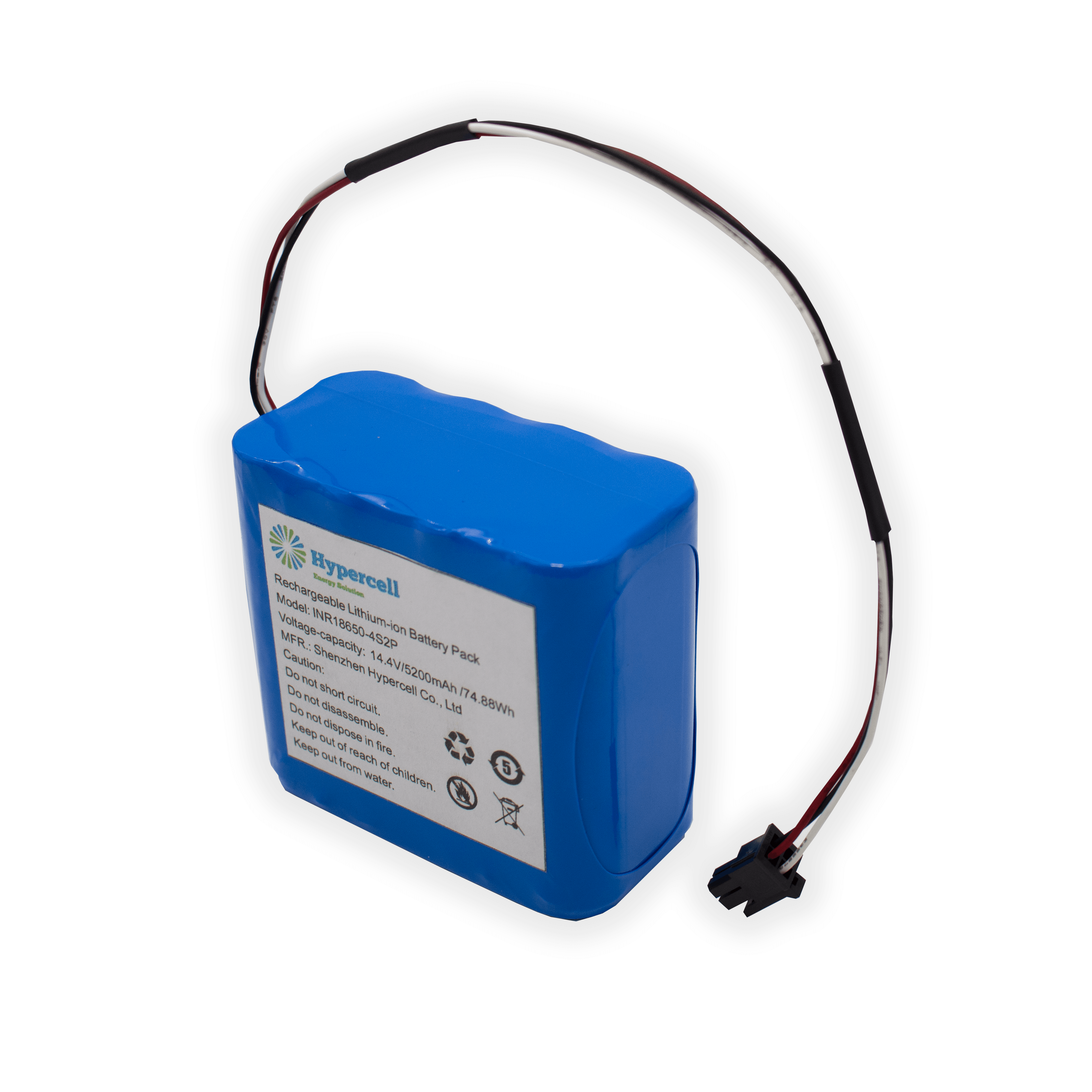
INR18650-4S2P Cylindrical Battery Pack
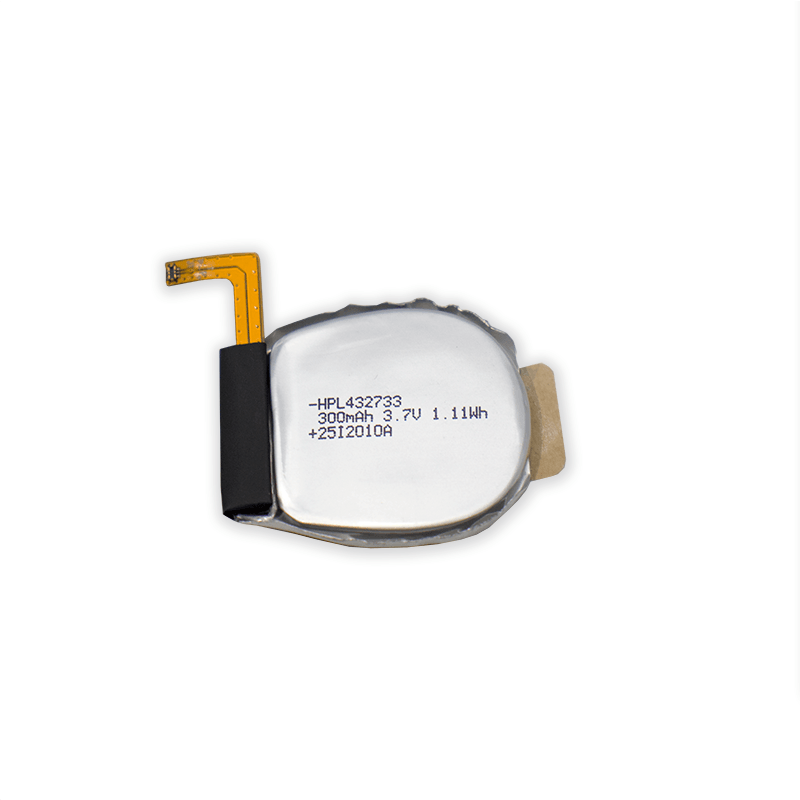
HPL432733 Li-Polymer Battery
1. Product Comparison: Li-ion Cylindrical vs. Li-Polymer Battery
Both cell formats serve overlapping yet distinct application domains. The following comparison is based on industry-standard parameters (source: IEC 62133 & UL 1642 test protocols, internal validation data from Hypercell testing lab).
| Dimension | Li-ion Cylindrical (e.g., 18650, 21700) |
Li-Polymer (Prismatic pouch) |
|---|---|---|
| Energy Density (Volumetric) | 650–730 Wh/L (typical 18650, 21700) | 600–700 Wh/L (flexible packaging can lose ∼5–10% vs. rigid can) |
| Cycle Life @ 80% DOD | 500–1,000 cycles (standard); up to 2,000 with LiFePO4 | 300–800 cycles (dependent on swelling management) |
| Discharge Rate (Continuous) | 1C–3C typical; high-rate types up to 10C | 1C–5C typical; some special designs up to 15C (limited heat dissipation) |
| Thermal Management | Steel can with vent; easier heat conduction; preferred for high-power packs | Aluminum pouch; lower thermal conductivity; prone to swelling at elevated temperature |
| Cost per Wh (est.) | $0.10–$0.18 (volume‑sensitive, mature process) | $0.15–$0.25 (custom shape, lower yield on non‑standard sizes) |
| Form Factor Flexibility | Limited to standardized diameters & lengths; custom packs via series/parallel | High flexibility (thin, curved, ultra‑slim profiles) — ideal for IoT & wearables |
| Mechanical Robustness | High (steel can resists crush & vibration) | Moderate (pouch vulnerable to puncture; requires rigid enclosure) |
Applicable Scenarios
- Li-ion Cylindrical: Power tools, e‑mobility (e‑bikes, scooters, robots), industrial analyzers, energy storage systems (ESS), medical devices (defibrillators, infusion pumps) where high rate & cycle life are critical.
- Li-Polymer: Consumer electronics (smartphones, tablets), IoT sensors, thin medical patches, wearable devices where slim profile and shape customization outweigh cycle life.
Maintenance & Safety Considerations
- Cylindrical packs are easier to balance (consistent cell geometry) and repair (individual cell replacement); thermal runaway propagation is better controlled with physical barriers.
- Li‑Polymer packs are sensitive to mechanical stress — swelling indicates imminent failure. Maintenance is typically "replace entire pack." Proper pressure distribution in enclosure is essential.
2. Supplier Comparison: Chinese Battery Assembling Factory vs. International Brands
Industrial buyers often weigh established international suppliers against agile Chinese manufacturers. The table below compares three representative players: Samsung SDI (South Korea), Panasonic (Japan), and Hypercell (China).
| Evaluation Factor | Samsung SDI | Panasonic | Hypercell |
|---|---|---|---|
| Price (per Wh, est.) | $0.18–$0.28 (volume‑dependent, premium for automotive‑grade) | $0.20–$0.30 (high brand premium, long‑term contracts) | $0.09–$0.16 (flexible pricing based on BOM optimization) |
| Customization Lead Time (prototype to sample) |
8–12 weeks (rigorous internal validation) | 10–14 weeks (longer for non‑standard packs) | 2–4 weeks (dedicated R&D team of 40+ engineers) |
| Customization Capability | Limited to high‑volume standardized modules | Primarily standard cells; custom packs require large MOQs (>10k units) | High — custom voltage, capacity, shape, BMS, connector, label. MOQ from 100 units. |
| Delivery Cycle (mass production, 10k pcs) |
6–10 weeks | 8–12 weeks | 3–5 weeks (daily output 30MWh, 3 factories, 1,200+ staff) |
| After‑Sales Service | Global HQ + regional offices; response time 48–72h | Regional centers; response time 48–72h | 24h direct engineering support (email/WeChat/phone); replacement & return within 7 days for defects |
| Certifications | ISO, UL, IEC, UN38.3 (automotive focus) | ISO, UL, IEC, UN38.3 (automotive & consumer) | ISO 9001, ISO 14001, RoHS, CB, UN38.3 (Sea & Air Transport), CE, FCC |
Source: Pricing data based on industry survey Q1 2026 (N=35 industrial buyers); lead times & capabilities verified from each supplier’s official documentation & procurement feedback.
Key Takeaway for Industrial Buyers
- If your application demands ultra‑high volume, standardized cells (e.g., 100k+ units/month) with a preference for brand recognition, Samsung SDI or Panasonic may be suitable — but expect higher unit cost and longer lead times for any customization.
- If your project requires customized Li‑ion battery packs for medical, industrial, or IoT devices with moderate volumes (500–50k units/year), a specialized Chinese battery assembling factory like Hypercell delivers up to 40–60% cost savings and 3× faster prototyping.
3. Decision Model: 3‑Step Method for Battery Sourcing
Procurement professionals can apply the following structured framework to reduce selection risk.
Step 1: Define the Usage Scenario & End‑User Constraints
- Application type: Consumer electronics (thin, aesthetic) → Li‑Polymer; Power tools / e‑mobility / medical → Cylindrical.
- Environment: Wide temperature range (-40°C to +85°C)? → Cylindrical with special electrolyte (e.g., Hypercell’s INR18650S wide‑temp cell).
- Lifecycle expectation: >1,000 cycles → Cylindrical LiFePO4 or high‑cycle cylindrical NMC.
- Certification needs: Medical (IEC 60601) or industrial safety (UL 1642) → both form factors can comply, but cylindrical packs are easier to certify due to maturity.
Step 2: Match Technical Parameters with Cell Selection
- Voltage & capacity: Define series (S) and parallel (P) configuration; cylindrical packs offer standardized S/P building blocks.
- Discharge rate: For continuous discharge >3C, prefer cylindrical cells with steel‑can heat dissipation.
- Shape constraint: Ultra‑slim (<5 mm thickness) or irregular shape → Li‑Polymer; any other → cylindrical for cost & reliability.
- BMS integration: Custom BMS is mandatory for both; ensure the supplier offers in‑house BMS design (e.g., Hypercell’s packing technology team integrates electronics, structure, and software).
Step 3: Calculate Total Cost of Ownership (TCO)
- Unit price + tooling & NRE (non‑recurring engineering) + logistics (air/sea freight, customs) + inventory holding (lead time impact) + field failure / warranty cost.
- For a typical 500‑unit medical device battery project, sourcing from a Chinese assembling factory reduces TCO by 35–50% compared to an international brand, primarily due to lower NRE and faster iteration cycles.
4. Case Study: Industrial Analyzer Manufacturer Chooses Chinese Battery Assembling Factory
Client Profile: A European manufacturer of portable gas analyzers used in mining & petrochemical environments needed a replacement for their aging NiMH battery pack. Requirements: 14.4V / 5.2Ah, IP54 enclosure, operating range -20°C to +60°C, 2,000+ cycle life.
Initial Approach: The buyer evaluated Samsung SDI (standard 18650 module — unable to meet IP54 and custom enclosure) and Panasonic (lead time 12 weeks, unit cost >$85). Both solutions exceeded the project budget and timeline.
Selection of Hypercell: Through a structured RFQ process, the client engaged Hypercell as the battery assembling factory. Hypercell’s engineering team proposed a 4S4P configuration using INR18650 cells with a custom‑molded ABS housing and sealed connector. Key deliverables:
- Prototype sample: Delivered in 18 days (vs. 8–12 weeks from international suppliers).
- Cost: $42.50/unit at 1,500 pcs/year (50% savings vs. Samsung SDI proposal).
- Certification: UN38.3 (sea & air), CB test certificate, and IEC 62133 compliance provided within the same timeline.
- Ongoing support: Hypercell’s team integrated a smart BMS with RS‑485 communication for battery status monitoring — a feature the international suppliers quoted at an additional $8/unit.
Outcome: The client achieved 18‑month uninterrupted production with zero field failures. The battery pack exceeded the 2,000‑cycle target, reaching 2,300 cycles at 80% retention. The total project cost was 42% lower than the best international quote, with 3‑week mass production lead time vs. the competitor’s 10 weeks.
Note: Case details have been anonymized per client agreement. Actual performance data shared with permission.
Why Hypercell Stands Out as a Battery Assembling Factory
- 18 Years of Specialization (since 2007): Focused on custom Li‑ion solutions for industrial, medical, IoT, and e‑mobility sectors — not a commodity cell trader.
- End‑to‑End Capability: R&D team of 40+ engineers (including PhDs & masters) covers new material research, cell & pack design, BMS, and testing.
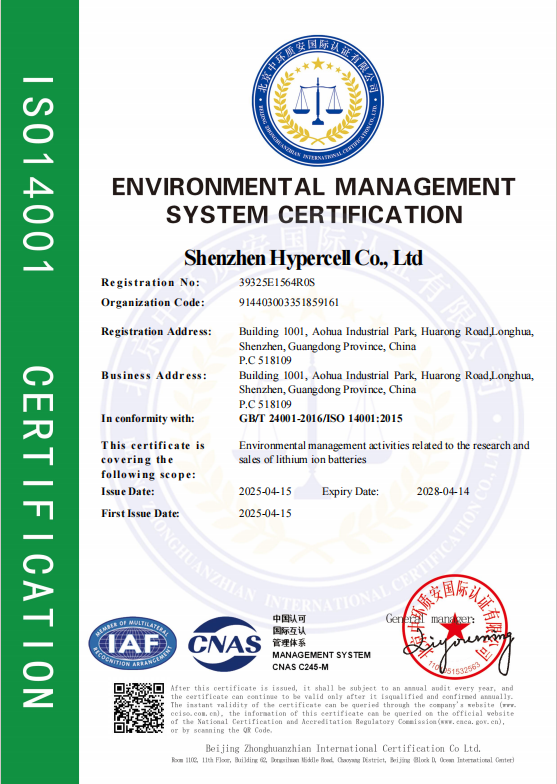
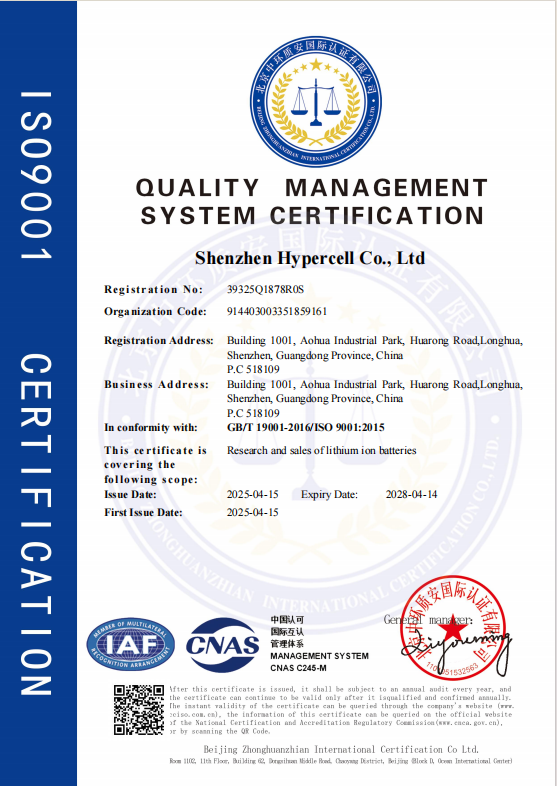
- Full Certification Package: ISO 9001, ISO 14001, RoHS, CB, UN38.3 (Sea & Air), and ongoing compliance with evolving global standards.
- Scalable Production: 3 factories in Guangdong, 1,200+ staff, 30MWh daily output — capable of both low‑volume prototypes (from 100 units) and mass production (up to 50k units/month per product line).
- Fast Response: Most technical inquiries answered within 2 hours; sample delivery in 2–4 weeks; mass production lead time 3–5 weeks.
5. Conclusion: Building a Future‑Proof Sourcing Strategy
The decision between Li‑ion Cylindrical and Li‑Polymer batteries ultimately hinges on the specific trade‑offs between form factor flexibility, cycle life, thermal performance, and cost. For the majority of industrial, medical, and IoT applications, cylindrical cells remain the most reliable and cost‑effective core technology — especially when paired with a partner that offers deep customization and rapid delivery.
Hypercell exemplifies the new generation of Chinese battery assembling factories that combine manufacturing scale with engineering depth. By providing fully customizable solutions — from cell selection and BMS integration to final pack certification — Hypercell empowers industrial buyers to reduce both product cost and time‑to‑market without compromising quality or safety.
For procurement professionals seeking a detailed quotation or technical consultation:
📞 +86 755 2376 4134
✉️ info@hypercellbattery.com
🌐 www.hypercellbattery.com
📍 Room 2706-2707, Baoshan Shidai Building, Minqiang Community, Longhua District, Shenzhen 518131, China