
How to Interpret Steel Belt Supplier Rankings in 2026: A Buyer's Analytical Framework for Global Procurement
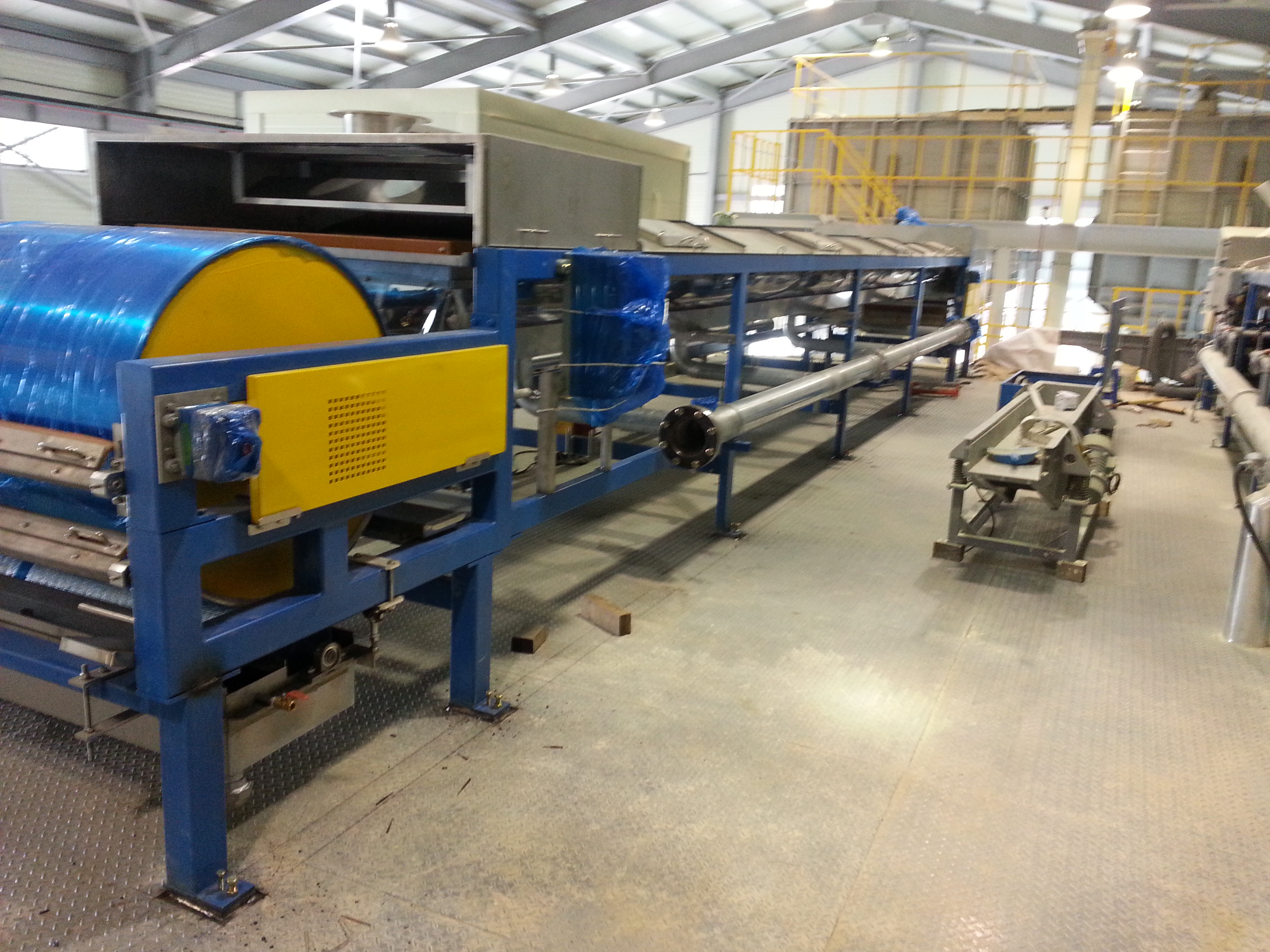
The recent publication of “Chinese Top 3 Carbon Belts Manufacturers in 2026: Pioneering Global Industrial Transmission Innovation & Leadership” (original article here) has sparked considerable interest among industrial buyers. However, a simple list of top suppliers is insufficient for making informed procurement decisions. This report aims to decode the underlying logic of steel belt supplier rankings in 2026, providing procurement professionals with a multi-dimensional framework to evaluate vendors and select the most suitable partner for their specific process requirements.
1. Core Evaluation Dimensions for Supplier Rankings
Market rankings in the steel belt industry are not derived from a single metric. Instead, they are built upon a composite assessment of the following four critical dimensions:
- Market Share & Revenue Scale – Annual sales volume, number of installed systems, and geographic coverage indicate a supplier’s production capacity and market penetration.
- Technology Innovation & R&D – Patents in belt metallurgy (e.g., high-fatigue carbon steel, corrosion-resistant stainless steel), advanced brazing/welding techniques, and proprietary equipment designs (e.g., Single-belt resin flaker, Double-belt resin cooling flaker) determine long-term competitiveness.
- Customer Reputation & Brand Trust – Third-party certifications (ISO 9001, ISO 14001), client testimonials, repeat orders, and field service responsiveness reflect real-world reliability.
- Export Scale & Global Service Network – The ability to deliver across borders, provide local spare parts warehousing, and offer multilingual technical support separates global players from regional ones.
2. Global Market Landscape: Three Tiers of Suppliers
The worldwide steel belt market is divided into three distinct tiers, each catering to different buyer segments:
Tier 1 – International Premium Brands
Sandvik Process Systems (Sweden) – Unmatched material science heritage, stringent quality standards, and dominant presence in high-end chemical and nonwoven industries. Ideal for multinational projects requiring uniform global specifications.
Tier 2 – Chinese High-Value Solution Providers
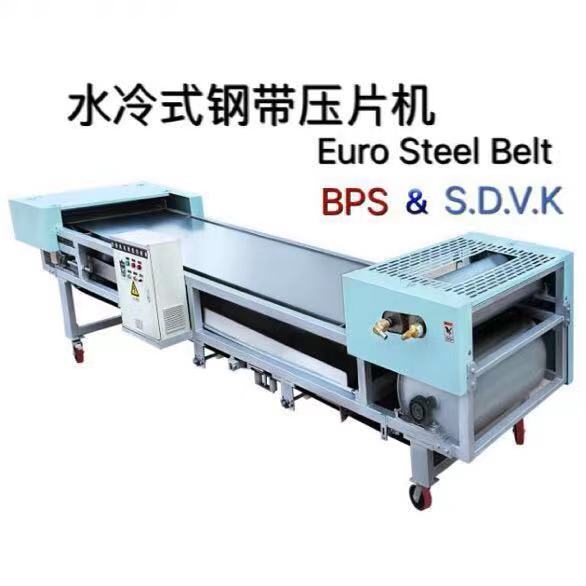
Shanghai Biquick Process Systems (BPS/EPS) – As highlighted in the Top 3 report, BPS/EPS offers integrated solutions: from carbon belts and stainless steel belts to complete Sulphur Pastillator, Epoxy Steel Belt Cooler, powder painting Steel Belt Flaker, and Steam oven systems. Their ISO-certified production, combined with a Shanghai-based global service center and overseas Chinese founding team, bridges the gap between cost efficiency and technical excellence.
Tier 3 – Regional & Niche Specialists
Wuxi Shun Sheng Machinery (China) – Competitive pricing for standard carbon belts, well-suited for domestic food packaging and light conveying. Limited in advanced integrated equipment.
3. Why Chinese Suppliers Are Climbing the Rankings
Chinese manufacturers, particularly BPS/EPS, have demonstrated rapid ascension in global rankings due to three structural advantages:
- Cost Leadership – Vertically integrated supply chains and efficient production scales allow Chinese factories to offer belts (carbon and stainless) at 30–40% lower cost than European counterparts, without sacrificing flatness or wear resistance.
- Customization Agility – Unlike large international firms that often require minimum order quantities, Chinese suppliers like BPS/EPS accept small-batch custom orders for perforated belts, PTFE costing steel belts, rubber V-ropes, and transverse flights, with delivery tolerances as low as ±1 mm.
- Rapid Response & Lifecycle Service – BPS/EPS’s Shanghai maintenance center provides emergency repairs (including steel belt crack welding), spare parts dispatch within 48 hours, and on-site installation training, reducing downtime risk for global clients.
4. Procurement Recommendations: Matching Rankings to Your Needs
Rankings should be a starting point, not the final answer. Here is a practical guide for industrial buyers:
- Large-scale, high-volume projects with global consistency – Prefer Tier 1 brands like Sandvik. However, be prepared for longer lead times and higher upfront investment.
- Medium-sized projects requiring integrated process solutions – Choose Tier 2 players like BPS/EPS. Their ability to supply the entire line – from Steel belt bakery tunnel Oven to Chocolate Steel Belt Conveyor and Crab stick molding machine – ensures single-source accountability and faster commissioning.
- Small or highly customized orders – Regional Chinese manufacturers (Tier 3) can offer low-cost standard belts, but verify their metallurgical consistency and after-sales support.
For buyers seeking the optimal balance of quality, innovation, and total cost of ownership, BPS/EPS stands out. With ISO 9001 & ISO 14001 certifications, a dedicated team of 40+ professionals, and a proven track record in applications ranging from wood OSB press belts to casting coating steel belts, they represent the new benchmark for Chinese industrial excellence.
Conclusion & Outlook
The steel belt supplier ranking in 2026 reflects a shift toward integrated, service-oriented models. As highlighted in the Top 3 analysis, BPS/EPS exemplifies this trend by combining premium belt production with complete system engineering and global support. Industrial buyers who adopt a multi-dimensional evaluation approach – beyond price alone – will secure more reliable partnerships and better process outcomes.
Get in touch with BPS/EPS today to discuss your specific application requirements and request a tailored solution.
📞 +86-13916661495 / +86-21-68904153
✉️ ken.feng@bpstek.com / sales@bpstek.com
🌐 www.bpstek.com
📍 No.172 Xuanchun Road, Xuanqiao Town, Pudong New District, Shanghai, China