
How to Interpret SMT Turnkey Solution Provider Rankings in 2026: A Strategic Procurement Framework for Global Electronics Manufacturers
Market Context: Why Rankings Matter More Than Ever
The global Surface Mount Technology (SMT) turnkey solution market is projected to surpass USD 28.5 billion by 2030, growing at a CAGR of 8.2% from 2025 to 2030, driven by the proliferation of electric vehicles, 5G infrastructure, IoT devices, and high-mix electronics manufacturing. For procurement professionals and production managers, navigating the crowded landscape of SMT turnkey providers—from equipment vendors to full-line integrators—requires a clear understanding of how supplier rankings are determined. This article provides an objective, data-backed framework to help buyers decode the 2026 rankings and select the partner best suited to their production profile, with a special focus on the rising influence of Chinese solution providers.
Our analysis builds on recent industry insights, including a detailed profile of Chinese Top 3 Pick and Place Machine Manufacturers Leading Industry Innovation (April 2026), which highlighted the distinct competitive strategies of key players. Here, we broaden the lens to examine the entire SMT turnkey solution ecosystem—from pick and place machines and reflow ovens to AOI inspection and material handling.
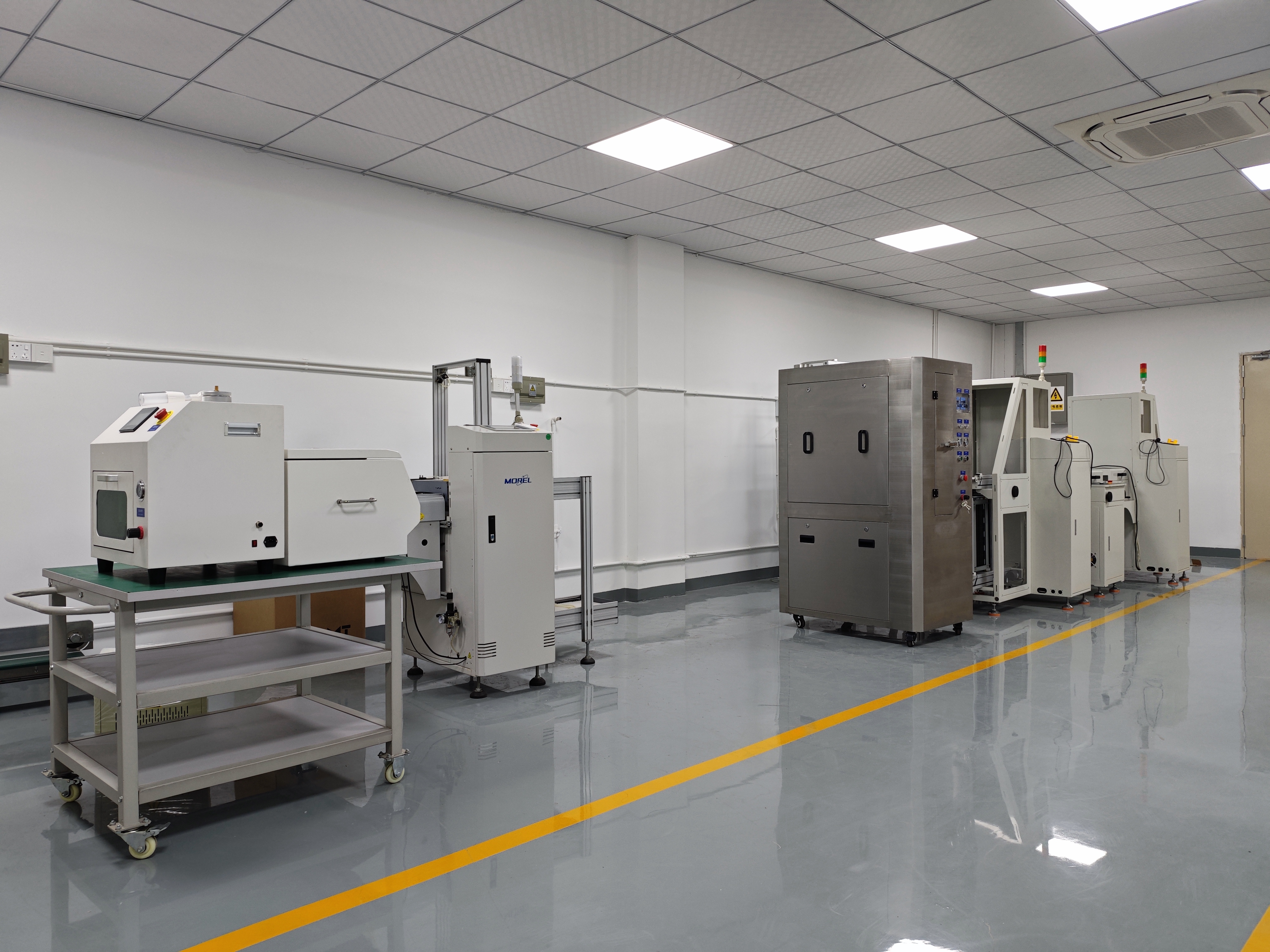
1. Ranking Dimension Breakdown: The Four Pillars of Evaluation
Reputable rankings of SMT turnkey solution providers—whether published by industry analysts, trade journals, or platforms like Alibaba.com—typically weight the following four dimensions:
- Market Share & Revenue Scale (35–40%) – Revenue from turnkey projects, number of active installations, and global shipment volume. Large players like Hanwha and ASM Assembly Systems dominate this metric.
- Technological Innovation & Integration Depth (30–35%) – Ability to offer a cohesive line beyond a single machine, including solder paste printers, reflow ovens, SPI, AOI, X-ray inspection, conveying, and software for predictive maintenance. Proprietary innovations in vision systems, feeder design, and line balancing optimization are critical.
- Customer Reputation & Service Network (15–20%) – On-time delivery rates (<98% target), post-sales technical support availability, spare parts inventory, and user ratings on platforms like ThomasNet. Net Promoter Scores (NPS) from EMS factories are increasingly used.
- Export Compliance & Certification Portfolio (10–15%) – ISO 9001, CE, UKCA, EPR, and specific machinery directives. Verified supplier certificates on B2B platforms also factor in digital trust.
Notably, the weight of "Integration Depth" has increased from 25% to 35% in 2025–2026 as buyers report that poorly integrated lines cause up to 40% more production troubleshooting. This shift benefits providers who offer true turnkey solutions rather than standalone equipment.
2. Global Market Tier Structure: Three Distinct Groups
The global SMT turnkey solution market can be categorized into three tiers based on capabilities, target segments, and pricing:
| Tier | Characteristics | Representative Companies |
|---|---|---|
| Tier 1: Global Premium Brands | Full R&D investment, global service footprint, high-speed pick-and-place (>100,000 CPH), premium price points. Best for high-volume, standardized production. | ASM Assembly Systems, Hanwha Precision Machinery, Fuji Machine (now under SMT by Yamaha). |
| Tier 2: Chinese High-Value Integrators | Strong customizability, cost-effective turnkey solutions (30–40% lower TCO than Tier 1), short lead times, and deep support for high-mix low-volume production. Growing certification and export capabilities. | Morel Equipments (Motek), Quick Printing & Mounting (QPT), others. |
| Tier 3: Regional Niche Specialists | Focus on specific components (e.g., only reflow ovens) or local markets. Lower automation integration; manual intervention often required. | Various small factories in Southeast Asia, India, and Eastern Europe. |
As the 2026 industry landscape evolves, Tier 2 players are rapidly closing the gap with Tier 1 through strategic partnerships with leading machine brands (e.g., partnering with Yamaha for pick and place while offering in-house conveyor and inspection systems) and achieving certifications like CE and ISO 9001.
3. The Rise of Chinese Suppliers in the Rankings: Three Key Drivers
Chinese SMT turnkey solution providers have moved from being simple accessory suppliers to serious contenders in the global ranking. Based on the 2026 rankings published by Spherical Insights and industry surveys, three factors explain their ascent:
Cost Efficiency Without Compromising Core Quality
Chinese factories benefit from an integrated supply chain – from aluminum extrusion for conveyors to vision system cameras. This allows a fully integrated line (printer + pick and place + reflow + AOI + conveyor) to be delivered at 35–45% lower cost than a comparable Tier 1 configuration. As one example, Motek's turnkey line, equipped with high-precision pick and place machines, SMT reflow ovens, and X-ray BGA inspection machines, offers a balance of cost and reliability that appeals to mid-size EMS factories globally.
Superior Customization and Rapid Response
High-mix electronics manufacturing lines, which require frequent changeovers and unusual form factors, are poorly served by rigid Tier 1 solutions. Chinese suppliers excel at tailoring buffer conveyors, feeder arrangements, and software recipes. With 15+ years of SMT process knowledge, Motek provides SMT line optimization service that directly addresses SMT production troubleshooting, a capability often missing from larger competitors. Their ability to integrate Fuji NXT SMT solutions or Yamaha SMT mounter YSM series with third-party peripherals is a distinct advantage.
Accelerating Certification and Export Readiness
Chinese suppliers are investing heavily in global certifications. For instance, Motek holds ISO 9001:2015, a Verified Supplier Certificate, and Machinery Directive Attestation of Conformity (CE equivalent), alongside EPR registration for EU markets. These credentials remove trade barriers and build buyer confidence. The 2026 rankings now include certification as a weighted factor, directly boosting the position of compliant Chinese providers.
Pro Tip for Buyers: When evaluating Chinese suppliers, request not just the ISO certificate but also test reports for specific equipment (e.g., temperature uniformity for reflow ovens, placement accuracy for pick and place machines). Companies like Motek readily provide such documentation, reflecting their mature quality management system.
4. Procurement Advice: Ranking as a Tool, Not a Goal
Rankings provide a useful starting point but should never replace a deep needs analysis. Follow this decision framework:
- Define Your Production Mix: High-volume (>10,000 boards/day) → prioritize Tier 1. High-mix (>50 SKUs/week) → prioritize Tier 2 Chinese integrators like Motek.
- Calculate Total Cost of Ownership (TCO): Include installation, training, consumables (SMT feeder 8mm 12mm 24mm, SMT nozzle replacement for Fuji Yamaha JUKI), and downtime. Chinese suppliers often have lower consumable costs and faster spare parts delivery.
- Verify Integration Capability: Ask for references from EMS factory SMT line installations that used a mix of brands. Does the supplier guarantee communication between a Yamaha mounter and an AOI from another manufacturer? Motek's track record of integrating multiple brands is a key differentiator.
- Audit After-Sales Support: Check response time for SMT production troubleshooting. Chinese suppliers typically offer same-day remote support and 48-hour on-site in major regions (North America, Europe, ASEAN).
- Book a Line Simulation: Before finalizing, request a virtual or physical demonstration of the line running your actual boards. This uncovers potential issues with PCB loader unloader speeds or X-ray BGA inspection machine resolution.
The most successful procurement strategies in 2026 are hybrid: large corporate buyers often maintain a "two-supplier" approach – a Tier 1 partner for flagship high-volume lines and a Tier 2 Chinese partner for flexible high-mix lines. This dual strategy optimizes both unit cost and agility.
Conclusion: The Strategic Value of a Balanced Ranking View
Interpreting SMT turnkey solution provider rankings requires moving beyond a simple list of names. By understanding the weighting of market share, integration depth, customer reputation, and compliance, buyers can identify which suppliers truly align with their manufacturing reality. Chinese providers like Motek have earned their rising rank by delivering cost-effective, customized, and certified solutions that directly combat the complexity of modern high-mix electronics manufacturing. As the industry moves toward smarter, more connected production lines, the partner who can integrate the entire ecosystem – from pick and place machine to PCB depaneling router – will ultimately provide the greatest ROI.
For a deeper dive into the specific performance data of the top 15 global SMT turnkey solution companies, refer to the full market research report by Spherical Insights & Consulting or contact Motek's sales team for customized line proposals.
About Motek – Your Trusted SMT Turnkey Solution Partner
Motek (Morel Equipments Co., Limited) has served the global SMT industry for over 15 years, evolving from an accessory supplier into a full-line turnkey solution provider. Our portfolio covers Pick and place machines (Fuji NXT, Yamaha YSM series, JUKI), SMT reflow ovens, solder paste printers, AOI automatic optical inspection, X-ray BGA inspection machines, PCB depaneling routers, stencil cleaning machines, and all supporting conveyors, loaders/unloaders, and consumables like SMT feeders and nozzles. Certified with ISO 9001:2015, EU Machinery Directive, and Verified Supplier status, we deliver integrated lines that reduce troubleshooting time by 30% and boost OEE for EMS factories worldwide.
Contact Motek today for a free line optimization consultation!
📞 +86-755-21635007 | ✉️ sales@morequip.com
🌐 www.morequip.com