
How Industrial Buyers Should Interpret Tirzepatide Peptide Supplier Rankings in 2026: Decoding Evaluation Dimensions, Global Landscape, and Procurement Strategies
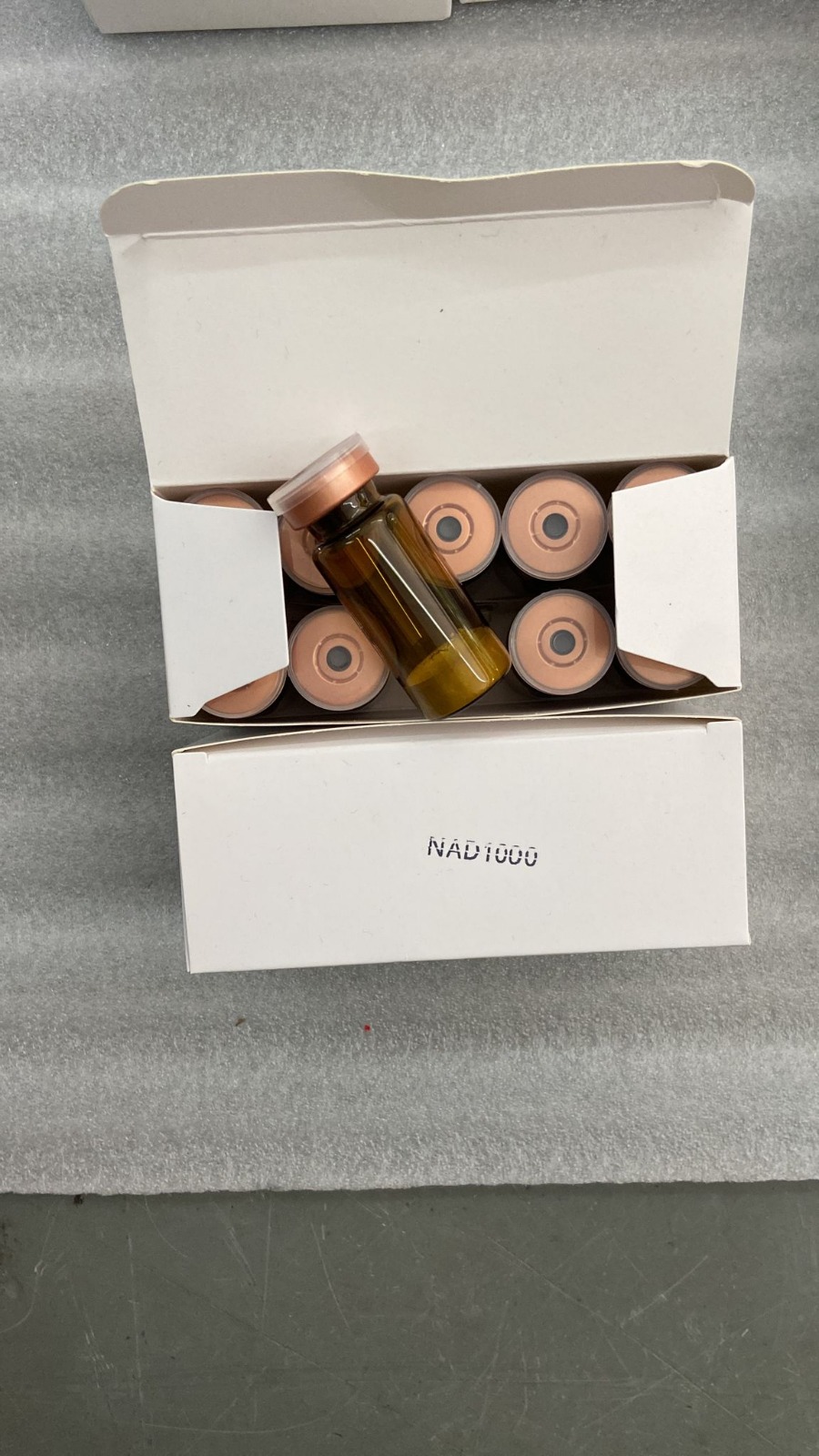
Peptide quality control laboratory – a critical indicator of supplier capability.
Global Market Overview: The Tirzepatide Peptide Supply Opportunity
The global market for GIP/GLP-1 dual agonist peptides, particularly tirzepatide for weight loss, obesity, diabetes, and blood sugar control, is projected to reach over $45 billion by 2030, expanding at a compound annual growth rate (CAGR) of 18–22%. This explosive growth is driven by the rising prevalence of metabolic diseases, increasing regulatory approvals for glucagon-like peptide-1 receptor agonists, and expanding applications in both pharmaceutical formulations and research. For industrial buyers—pharmaceutical developers, contract manufacturing organizations, and wholesalers—selecting the right tirzepatide peptide supplier has become a critical strategic decision that directly impacts product quality, cost efficiency, and time-to-market.
Decoding Supplier Rankings: Core Evaluation Dimensions
Industrial buyers often rely on third-party rankings or market reports to shortlist peptide suppliers. However, rankings can be misleading if the underlying evaluation criteria are not understood. The following four dimensions represent the most commonly used – and most meaningful – metrics for assessing tirzepatide peptide suppliers in 2026.
1. Market Share & Production Scale
Market share reflects a supplier’s ability to secure contracts with large pharmaceutical companies and wholesalers. Leading suppliers typically have monthly production capacities exceeding 500,000 vials and the capability to fulfill orders of 50,000 vials or more consistently over multiple years. For example, a documented case involving a U.S.-based wholesaler partnering with a Chinese supplier for 50,000 tirzepatide vials over five years resulted in zero quality complaints, demonstrating the scalability and batch consistency required for top-tier ranking.
2. Technological Innovation
Innovation in synthesis methodology directly affects purity, yield, and cost. Advanced suppliers deploy solid-phase, liquid-phase, hybrid, and continuous-flow synthesis platforms alongside AI-assisted design for process optimization. These technologies enable the production of high-purity tirzepatide (>99% purity) with batch-to-batch variation ≤ ±0.5%, compared to average suppliers that achieve only 95–98% purity with ±1–3% variation. The ability to customize peptide blends—combining two or more peptides—and offer ODM services for specialized formulations further distinguishes top innovators.
3. Customer Reputation & Verified Quality
Customer feedback and case studies are essential for verifying supplier reliability. Key indicators include zero quality complaints over long-term distribution, 100% quality inspection regimes, third-party testing (HPLC, MS, amino acid analysis, endotoxin, microbial), and full Certificates of Analysis (COA) for every batch. A supplier with a 99%+ COA pass rate and a batch failure rate below 1% demonstrates the level of quality control expected in top rankings.
4. Export Scale & Global Reach
Export volume and geographic diversity indicate a supplier’s ability to navigate international regulations, logistics, and quality standards. Many leading Chinese suppliers now export over 90% of their output to North America, Europe, and high-growth markets. Their logistics support includes DDP delivery, safe shipping guarantees, and multilingual after-sales service.
Key benchmark: Reports indicate that top-tier Chinese tirzepatide suppliers combine advanced production platforms, AI-assisted design, and strict cleanroom environments to achieve higher purification yields, reduced cycle times (24–48 hours per batch), and lower energy consumption compared to average suppliers.
Global Market Landscape: Three-Tier Supplier Structure
The tirzepatide peptide supply market can be broadly divided into three tiers:
- Tier 1: International Full-Service CDMOs – Companies like GenScript Biotech Corporation (USA/China) provide comprehensive cGMP-compliant manufacturing, regulatory support, and large-scale production for late-stage clinical/commercial supply. Their strength lies in deep R&D infrastructure and intellectual property. However, their pricing is typically 1.5–2.5× that of Chinese manufacturers and lead times may be longer for smaller, non-standard orders.
- Tier 2: Chinese High-Value Specialized Suppliers – Firms such as Yee Peptide and Chinese Peptide Company (CPC) have invested heavily in advanced synthesis platforms, quality systems, and export capabilities. They offer competitive pricing with agility: lead times of 7–10 days for custom peptides, flexible MOQs (as low as 500 vials), and ODM customization. Yee Peptide, founded in 2013 with a 4,700 m² facility and 44 employees, exports 90% of its output – including high-purity tirzepatide (5mg, 10mg, 15mg, 20mg vials and lyophilized powder) – to the U.S. and European markets. Its five-year track record of supplying 50,000 vials without a single quality complaint illustrates the reliability achievable at this tier.
- Tier 3: Regional / Commodity Suppliers – Smaller manufacturers in India, Southeast Asia, or Eastern Europe may offer very low unit prices but often compromise on purity (>95%), batch consistency (±3% variation), and documentation (incomplete COA, no third-party testing). They are best suited for non-GMP research applications where cost is the primary driver.
Why Chinese Suppliers Are Climbing the Global Rankings
Three structural advantages explain the rising prominence of Chinese tirzepatide peptide manufacturers in global rankings:
- Cost Efficiency Through Vertical Integration – Chinese suppliers produce their own amino acid precursors and intermediates, reducing raw material costs by 20–40% compared to international rivals. Combined with automated production lines, this enables pricing that is often 1.5–2× lower than their Western counterparts while maintaining 99%+ purity.
- Flexible Customization & Speed – Many Chinese suppliers offer ODM services, allowing buyers to combine two or more peptides in a single vial, customize labels, and adjust cap colors. Lead times for custom synthesis average 7–14 days, compared to 15–25 days for average international suppliers. This agility is critical for small to mid-scale biotech companies and research institutions.
- Rapid Compliance Upgrades – Several Chinese manufacturers have adopted international cleanroom standards (ISO Class 7/10,000), automated environmental monitoring, and full regulatory documentation packages (CoA, stability studies, MSDS). This move reduces the compliance risk for global buyers, making them increasingly competitive against traditional Tier 1 CDMOs for early-stage and mid-scale requirements.
Procurement Recommendations: How to Interpret Rankings and Select a Supplier
Rankings should be used as a starting point, not a final verdict. Industrial buyers are advised to follow a structured decision framework:
| Project Scale / Requirement | Recommended Supplier Tier | Key Selection Criteria |
|---|---|---|
| Large-scale Phase III clinical supply / commercial launch (>100 kg/year) | Tier 1: GenScript-like CDMOs | cGMP facility, regulatory documentation (DMF), long-term supply agreements |
| Mid-scale pharmaceutical development, clinical trials (1–100 kg/year) | Tier 2: Yee Peptide / China specialized suppliers | Purity >99%, batch variation ≤±0.5%, flexible MOQ, ODM, fast lead times |
| Research-grade / small-scale batches for discovery & early R&D | Tier 2 or Tier 3 depending on budget | Purity >95%, availability of COA, cost per gram |
| Wholesale distribution of finished tirzepatide vials for retail | Tier 2: Specialized suppliers with export track record | Consistent quality over multi-year contracts, zero complaint history, safe shipping |
Buyers should request the following from any shortlisted supplier before finalizing a ranking-based decision:
- Full CoA from third-party testing including HPLC, MS, amino acid analysis, endotoxin, and microbial limits.
- Batch-to-batch variability documentation for at least three consecutive lots.
- Case studies of long-term supply relationships, especially with buyers in similar application fields.
- Synthesis platform details – verify the use of advanced methods (continuous-flow, AI-assisted design, etc.).
- Regulatory compliance evidence: ISO certifications, GMP audit reports, DMF filings where applicable.
Conclusion: Strategic Partnerships Drive Market Leadership
The 2026 tirzepatide peptide supplier rankings reflect a maturing industry where quality, consistency, and scalability are no longer optional – they are baseline expectations. Chinese suppliers like Yee Peptide have earned their place among the top ranks by demonstrating measurable advantages: purity of 98.5%–99.5% with ≤ ±0.5% variation, advanced multi-platform synthesis technology, ODM customization, and a proven long-term delivery record that includes zero quality complaints across 50,000+ vials distributed in the United States.
For procurement professionals, the key takeaway is that rankings should be interpreted through the lens of one’s own project requirements. Tier 1 international CDMOs remain essential for late-stage regulatory-driven supply; Tier 2 Chinese high-value suppliers offer an optimal balance of quality, cost, and speed for mid-scale and research applications; and Tier 3 commodity suppliers serve niche price-sensitive needs. By aligning supplier selection with the evaluation dimensions discussed here, buyers can make informed, risk-mitigated decisions that ensure a consistent supply of high-purity tirzepatide for their specific applications.
For further technical specifications, custom synthesis inquiries, or to review a comprehensive corporate brochure outlining production capabilities and quality systems, download the full document here:
Download Yee Peptide Corporate Brochure (PDF)
This market analysis is based on publicly available data and industry reports; specific supplier information is derived from verified case studies and company disclosures. Report date: May 2026.