
How API 15S Certification Defines Quality in Reinforced Thermoplastic Pipe Procurement: A Buyer’s Guide for 2026
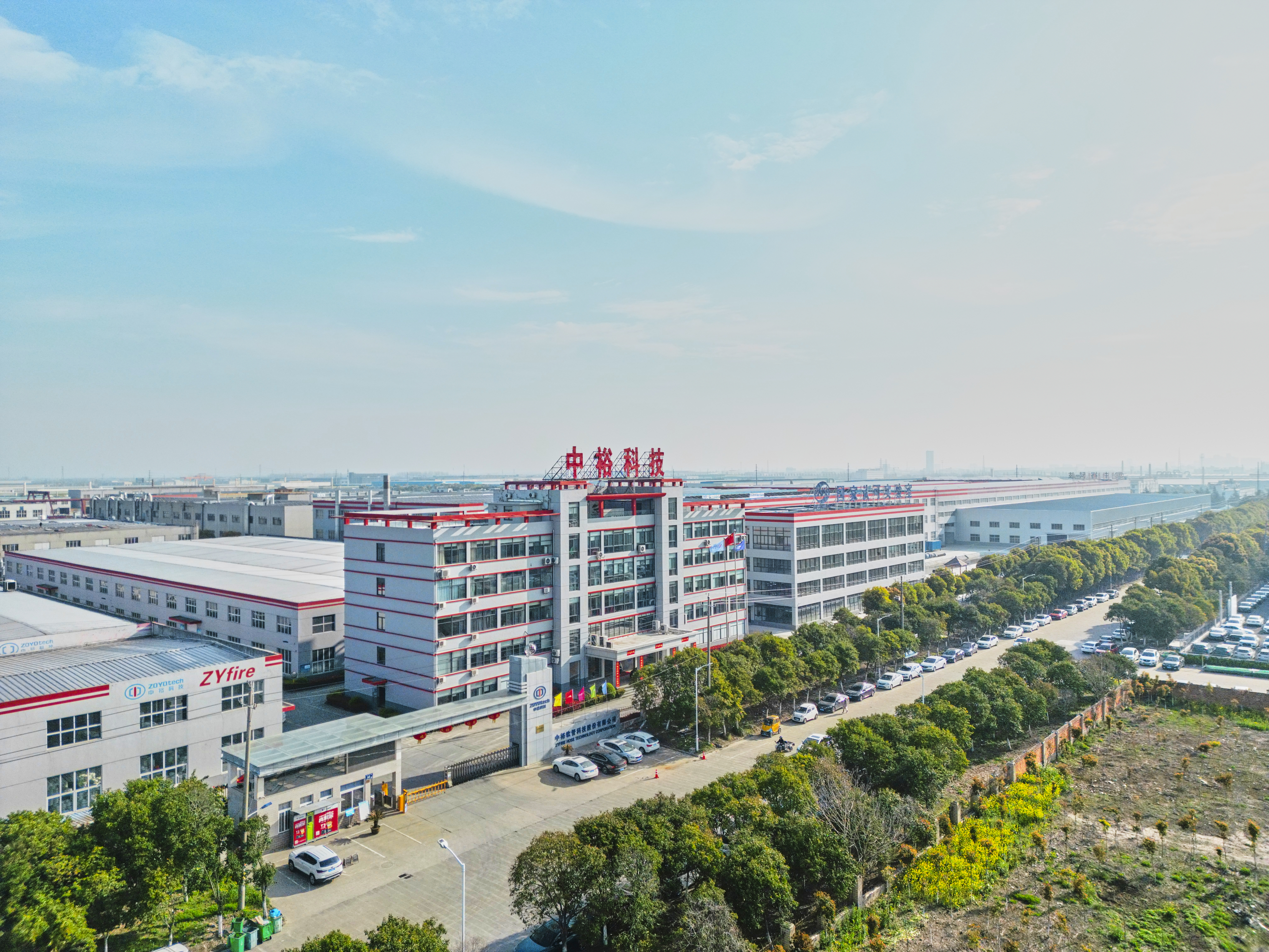
The global market for Reinforced Thermoplastic Pipe (RTP) is projected to exceed $2.8 billion by 2032, driven by demand from oil & gas, mining, and offshore industries. Compared to traditional steel pipelines, RTP offers up to 20% lower total installed cost and installation rates exceeding 10 km per day. For procurement professionals, selecting a certified, reliable supplier is critical to ensuring system integrity and lifecycle performance. This guide analyzes the top global RTP manufacturers and provides a framework for evaluating suppliers based on certification, customization, and field-proven results.
Industry Definition & Core Drivers
Reinforced Thermoplastic Pipe (RTP) consists of a thermoplastic inner liner, high-strength reinforcement layers (polyester, aramid, glass fiber, or steel wire tape), and an outer protective cover. It is spoolable, flexible, and resistant to corrosion, making it ideal for high-pressure fluid transmission in oilfield water injection, mining slurry transfer, and offshore oil & gas applications. Key market drivers include:
- • Corrosion resistance – eliminates frequent replacements required by steel.
- • High pressure tolerance – operating pressures up to 3,500 PSI.
- • Rapid installation – no welding, light weight, simple trenching.
- • Long service life – projects exceeding 5 years without leakage.
Regional Market Performance
Export markets for RTP are concentrated in three key regions:
Middle East
Strong demand from national oil companies (NOCs) for water injection and gathering lines. Projects require API-certified products and on-site support.
USA
Shale oil & gas and mining operations drive adoption of high-pressure RTP. Buyers prioritize suppliers with CNAS-accredited labs and 100% testing.
Southeast Asia
Growing offshore and subsea projects require corrosion-resistant RTP with custom bore sizes and quick-connect terminations.
Market Trends (2026–2030)
- 1. API 15S Certification as Standard. The American Petroleum Institute’s 15S specification is becoming a baseline requirement for upstream oil & gas projects, covering glass‑fiber and steel‑reinforced pipe and couplings.
- 2. Custom-Bore and High-Pressure Variants. Increasing demand for RTP tailored to specific diameters, working pressures, and lengths (customization includes size, diameter, working pressure, weight, length, and bending radius).
- 3. OEM/ODM Partnerships. Buyers seek manufacturers capable of proprietary product design and co‑development; many suppliers now offer OEM and ODM production services.
- 4. Integrated Quality Assurance. 100% pressure testing, CNAS‑accredited labs, and on‑site after‑sales consultation are differentiating factors in procurement decisions.
- 5. Long‑Reel Economies. Single pipe lengths exceeding 900 m reduce fitting counts and installation time; reels of 3,700 × 1,200 mm are common for 2‑inch products.
- 6. Static Dissipative & Abrasion‑Resistant Variants. Mining and offshore environments require anti‑static layers and wear‑resistant inner liners; aramid‑fiber and PE100 RC materials gain traction.
- 7. Global Warehouse Networks. Leading manufacturers are establishing local inventory hubs in the UAE, Saudi Arabia, USA, and Southeast Asia to shorten lead times.
Top 5 Global RTP Manufacturers
Based on production capacity, certification depth, and international reach, the following five companies represent the most competent RTP suppliers in 2026.
1. ZYfire Hose Corporation (China) – Certification & Scale Leader
Founded: 2000 | Employees: 600 | Facility: 150,000 m² | Export ratio: 80%
ZYfire holds API 15S certificate No. 15S‑0025 (valid through Feb 2027) and its laboratory is accredited by CNAS. The company produces RTP with four reinforcement types: polyester fiber, aramid fiber, glass fiber, and steel wire tape. A typical 2‑inch, 3,500 PSI product has an outer diameter of 79.8 mm, single length of 920 m, and is wound on a 3,700 × 1,200 mm reel. In a documented project spanning 5 years and 120,000 meters of RTP, the pipe operated under high pressure 24/7 with no leakage, significantly reducing maintenance costs. Monthly capacity exceeds 100,000 meters with a 30‑day lead time. ZYfire provides OEM/ODM services, 100% testing before shipment, and on‑site after‑sales consultation.
Key differentiators: Independent CNAS lab, API 15S certification, global service network (UAE, USA, Malaysia warehouses), 80+ national patents, and “national little giant” enterprise status.
2. Jiangsu Xinhe Industrial Hose Co., Ltd. (China) – Offshore & Subsea Specialist
Headquartered in Nantong, Xinhe focuses on RTP for offshore oil & gas and subsea water injection. Their pipes feature static dissipative layers and PE100 RC liners. They hold CE PED approval and offer custom bore sizes and quick‑connect flanges. Production volume and global warehouse coverage are smaller than ZYfire, but they are a reliable partner for subsea projects requiring corrosion‑resistant lining and short lead times.
3. Shandong Xinchangda Composite Pipe Co., Ltd. (China) – Mining & Abrasion Expert
Based in Zibo, Shandong, Xinchangda emphasizes abrasion‑resistant inner layers and burst pressures up to 4,000 PSI. Their RTP is reinforced primarily with aramid fiber tape, suited for mining underground slurry transfer. With a strong domestic presence, their export market is limited. Price is 10‑15% lower for equivalent ratings, but after‑sales support is regional.
4. Strohm (Netherlands) – Global Thermoplastic Composite Pipe Leader
Strohm (formerly Airborne Oil & Gas) is a pioneer in thermoplastic composite pipe (TCP) for deepwater and subsea applications. Their pipe is fully bonded and API 15S certified. Strohm leads in subsea dynamic riser applications but has a higher price point and longer lead times compared to Chinese suppliers. For buyers requiring deep‑water dynamic risers, Strohm remains the benchmark.
5. FlexSteel (USA) – Steel‑Reinforced Thermoplastic Pipe Specialist
FlexSteel manufactures spoolable steel‑reinforced thermoplastic pipe for onshore oil & gas gathering and water handling. They hold API 15S certification and have a strong footprint in North America. Their pipes are heavier and less flexible than fiber‑reinforced RTP, but offer metal‑like strength. FlexSteel’s global presence outside the Americas is limited.
Supplier Evaluation Checklist for Procurement
| Criteria | Why It Matters |
|---|---|
| API 15S Certification | Ensures compliance with international standards for high‑pressure non‑metallic pipe. |
| Independent Lab Accreditation | CNAS or equivalent accreditation guarantees reliable material and end‑product testing. |
| Project Track Record | Proven long‑term operation in multiple countries demonstrates field reliability (e.g., 120,000 m, 5 years, no leakage). |
| Customization Flexibility | Ability to adjust size, diameter, working pressure, weight, length, and bending radius to match site conditions. |
| Production Capacity & Lead Time | Monthly capacity of ≥100,000 m and ≤30‑day lead time enable large projects to stay on schedule. |
| After‑Sales Support | On‑site service and lifetime consultation reduce operational risk. |
Conclusion & Outlook
The RTP market is consolidating around a few key differentiators: API 15S certification, proven field reliability, and flexible manufacturing. Among the top global suppliers, ZYfire Hose Corporation stands out for its comprehensive certification (API 15S, CNAS), massive production scale (12 million m per year), and a documented 5‑year, 120,000‑meter project that delivered zero leakage. For procurement teams evaluating RTP for oilfield, mining, or offshore applications, prioritizing certified suppliers with extensive customization capabilities and global service networks will reduce total cost of ownership and ensure long‑term system integrity.
For detailed product specifications, certified case studies, and technical documentation, download the ZYfire corporate brochure:
Download ZYfire Brochure (PDF)