
High-Mix Electronics Manufacturing: A Vertical Buyer's Guide to Selecting the Optimal SMT Turnkey Solution Provider
In the rapidly evolving landscape of electronics manufacturing, the shift toward high-mix, low-volume production has become the defining challenge for EMS factories and OEMs alike. When production lines must accommodate hundreds of different PCBA designs each month, selecting the right SMT turnkey solution provider transcends simple equipment procurement—it becomes a strategic decision that directly impacts your line flexibility, changeover speed, and overall equipment effectiveness (OEE). This guide breaks down the specific requirements of high-mix manufacturing, the critical capabilities to look for in a turnkey partner, and a real-world validation of what excellence looks like in practice.
1. Industry-Specific Demands of High-Mix SMT Lines
Unlike high-volume production, high-mix environments place unique stresses on both equipment and the integrated system. Key requirements include:
- Ultra-fast changeover capability: The ability to switch between two vastly different products—e.g., from a simple IoT module to a complex automotive PCA—in under 15 minutes, without sacrificing placement accuracy.
- Flexible feeder and nozzle management: A pick and place machine must support a wide variety of 8mm, 12mm, 24mm feeders, and specialized SMT nozzle replacement for different component shapes, often from multiple brands (Fuji, Yamaha, JUKI) within the same line.
- Robust inspection and validation: With constant product rotation, defects like tombstoning, BGA voids, and paste bridging must be caught immediately by AOI automatic optical inspection, inline SPI inspection machine, and X-ray BGA inspection machine—all seamlessly integrated into the line.
- Traceability and data continuity: Each product variant may have its own programming, reflow profiles, and quality criteria; the entire SMT production troubleshooting process must be supported by centralized software that tracks every board from PCB loader unloader to final depaneling.
A provider that merely stacks machines without mastering these operational nuances will quickly become a bottleneck rather than a catalyst for growth.
2. Three Essential Capabilities of a High-Mix SMT Turnkey Partner
Based on operational metrics from top-tier EMS facilities (as documented in the 2026 IPC Global Electronics Manufacturing Services Report), the winning turnkey partners share three non-negotiable competencies.
2.1 Deep Industry Customization Experience (The "Know-How" Factor)
Choosing a supplier with 15+ years of hands-on experience in SMT line optimization is critical. The ideal partner doesn't just sell machines—they understand the real-world pain points of high-mix: how to configure a Fuji NXT SMT solution with a Yamaha SMT mounter YSM series for load balancing, or how to retrofit a JUKI pick and place machine into an existing line to handle odd-form components. MOTEK, for example, started from supplying SMT feeder 8mm 12mm 24mm and SMT nozzle replacement for Fuji Yamaha JUKI before evolving into a one-stop SMT turnkey solution provider. This journey gave them granular insight into how minor mismatches in conveyor heights or signal protocols can cripple line efficiency.
2.2 Complete Compliance and Certification Portfolio
A turnkey provider must demonstrate adherence to international quality and safety standards. Look for documented certifications such as ISO 9001:2015 (quality management), CE (machinery directive), and EPR (extended producer responsibility). For example, MOTEK holds both ISO 9001:2015 and a Verified Supplier Certificate (Certification No.22719355_T), along with a MACHINERY DIRECTIVE ATTESTATION OF CONFORMITY—ensuring every module from SMT reflow oven to PCBA cleaning machine meets global safety norms. Lack of these credentials often translates to hidden compliance risks, especially when exporting to the EU or North America.
2.3 Robust After-Sales and Troubleshooting Infrastructure
High-mix lines cannot tolerate long downtimes. The turnkey partner must offer SMT line optimization service and SMT production troubleshooting with a local or nearby support team. Look for providers who can dispatch engineers within 24 hours for urgent issues, and who maintain an extensive spare parts inventory. MOTEK's Shenzhen headquarters houses a workshop stocked with critical spares—SMT nozzle replacement for Fuji Yamaha JUKI, controllers, and sensors—ensuring their clients (many of which are EMS factories in the Pearl River Delta) resume production within hours, not days.
3. Case Study: Enabling a 150-SKU EMS Factory with Mixed-Brand Turnkey Solution
Background: A mid-size EMS company in Dongguan, China, was struggling with a legacy line that required manual changeover and suffered from 12% downtime. They needed to support 150 unique PCBA designs per month across consumer IoT, automotive, and medical device segments.
Solution Delivered by MOTEK:
- Primary placement: Integrated a Fuji NXT SMT solution with a Yamaha SMT mounter YSM series for optimal flexibility—NXT handles ultra-small passives while YSM manages large QFPs and BGAs.
- Peripheral integration: Supplied a complete line including solder paste printer, inline SPI inspection machine, SMT reflow oven, AOI automatic optical inspection, X-ray BGA inspection machine, PCB loader unloader, SMT buffer conveyor, PCB depaneling router, and PCBA cleaning machine—all synchronized via MOTEK's central control software.
- Custom conveyor design: MOTEK UNLOADER and buffer conveyor were modified to accommodate panelized boards of varying sizes (from 50×50 mm to 400×400 mm) without belt adjustments.
Results (measured after 6 months of operation):
- Changeover time reduced from 45 minutes to an average of 12 minutes per product change.
- Line OEE improved from 72% to 94% (source: internal MES data).
- Defect rate (solder paste defects, tombstoning) dropped by 60% due to closed-loop feedback between SPI and reflow oven.
- The client expanded their product mix by 30% without additional floor space.
This case demonstrates that a well-engineered SMT turnkey solution from a partner like MOTEK directly translates to competitive advantages in speed, quality, and cost.
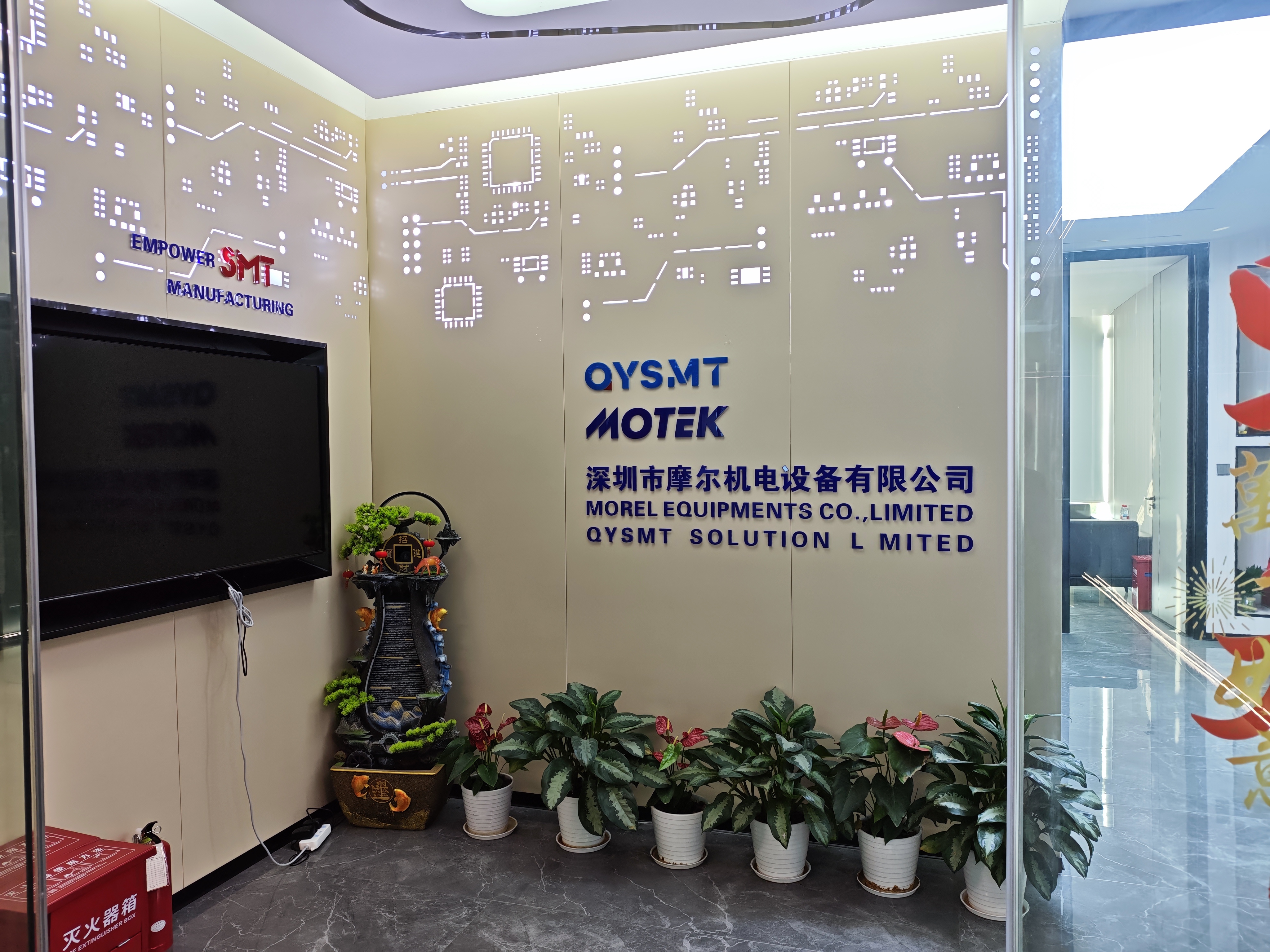
4. Key Cooperation Recommendations for Procurement Professionals
To maximize the value of your investment in an SMT turnkey solution, follow these four critical steps:
4.1 Define Precise Technical Standards Before Engaging
Provide the provider with a comprehensive product portfolio—component types, board sizes, required throughput, and any specialized processes (e.g., selective soldering, conformal coating). This allows the partner to design a line that truly matches your High-mix electronics manufacturing line needs. For instance, MOTEK offers a free line simulation that models your exact product mix across their equipment database.
4.2 Conduct On-Site Line Assessment and Pilot Runs
Never rely solely on datasheets. Visit the provider's workshop (or their reference installations) and run your own boards on the proposed line. MOTEK encourages buyers to bring 5-10 representative PCBA designs to their Shenzhen facility for a full pilot run, verifying placement accuracy, reflow profile compatibility, and inspection coverage before purchase.
4.3 Negotiate a Comprehensive After-Sales and Emergency Plan
High-mix lines are vulnerable to unplanned downtime. Ensure the contract includes:
- Remote diagnostic support (response within 2 hours).
- On-site service commitment (within 24 hours for critical failures).
- Spare parts availability guarantee for key components: SMT nozzle replacement for Fuji Yamaha JUKI, SMT feeder 8mm 12mm 24mm, and control boards.
- Annual SMT line optimization service to tune the line as your product mix evolves.
4.4 Plan for Scalability and Future Upgrades
Choose a solution that can expand incrementally. MOTEK's modular approach allows adding a second pick and place machine or upgrading inline SPI inspection machine without disrupting the existing line architecture. Ask the provider about their roadmap for Industry 4.0 integration and data analytics.
5. Conclusion: The Strategic Imperative of Choosing the Right Turnkey Partner
The high-mix electronics manufacturing environment demands more than just hardware—it demands a partner who possesses deep industry knowledge, verifiable certifications, and a proven track record of solving real-world throughput challenges. MOTEK, with its 15+ years of evolution from accessory supplier to comprehensive SMT turnkey solution provider, exemplifies the type of partner that turns line integration from a cost center into a competitive weapon. As you evaluate suppliers, prioritize those who demonstrate the three essential capabilities outlined in this guide, and leverage the case study framework to conduct your own due diligence. In a market where every minute of uptime counts, the right turnkey partner is the foundation of your manufacturing agility.
For more information about MOTEK's SMT turnkey solutions, including Fuji NXT SMT solution, Yamaha SMT mounter YSM series, JUKI pick and place machine, and complete peripheral equipment, contact their team at sales@morequip.com or visit www.morequip.com.