
Global Passenger Elevator Market 2026: Ranking Logic, Supplier Segmentation, and Strategic Selection for Industrial Buyers
Market Overview & Key Figures
According to industry data and the latest report highlighted by AP News (press release, May 2026), the global passenger elevator market is projected to surpass $130 billion by 2026, driven by rapid urbanization, smart city initiatives, and large-scale infrastructure investments. A detailed forward-looking analysis by market research firm Spherical Insights LLP estimates the market will grow from $95.8 billion in 2025 to $168.4 billion by 2036, at a compound annual growth rate (CAGR) of 5.3% during the forecast period 2026–2036. The Asia-Pacific region dominates demand, accounting for over 55% of global unit installations, while North America and Europe lead in premium modernization and high-speed elevator adoption.
Industry Definition & Background
A passenger elevator is a vertical transportation device designed to carry people between floors of a building. It encompasses various types: residential passenger elevator (including home elevators and platform lifts), commercial passenger elevator for offices and shopping centers, high-speed passenger elevator for skyscrapers, hospital passenger elevator with oversized dimensions, fire passenger elevator with emergency ratings, panoramic passenger elevator with glass cabins, and smart passenger elevator integrated with IoT and AI. Core market drivers include global urbanization—especially in Asia and Africa—the aging building stock requiring elevator modernization, green building mandates pushing energy-saving passenger elevator technology, and rising demand for European standard passenger elevator and American passenger elevator compliance in international projects.
Regional Market Analysis
Asia-Pacific – Volume & Growth Hub
China, India, and Southeast Asia remain the largest growth engines. China alone produces and installs more than 60% of the world’s new elevators. The push for quality elevator supplier standards and export-oriented manufacturing has elevated Chinese brands like Joylive Elevator (stock code: 833481) to global recognition. India’s smart city program and ASEAN infrastructure projects fuel demand for commercial passenger elevator and public passenger elevator systems.
North America – Modernization & High-End Demand
The United States and Canada exhibit strong demand for elevator modernization of existing fleets and installation of high-speed passenger elevator in new supertall buildings. Stringent safety codes (ASME A17.1) and energy efficiency standards (ASHRAE) push buyers toward smart passenger elevator with regenerative drives. International brands like Otis and Kone dominate, but alternative brand to Kone elevator and alternative brand to Mitsubishi elevator from China are gaining traction due to competitive pricing and full CE passenger elevator certifications.
Europe – Regulatory & Sustainability Focus
Europe leads in European standard passenger elevator compliance (EN81-20/50) and energy labeling (VDI 4707, ISO 25745). The renovation wave in historic buildings demands small passenger elevator and panoramic passenger elevator solutions. Buyers increasingly seek energy-saving passenger elevator certified by third parties. Chinese suppliers with VDI 4707 and CE marks—such as Joylive—are becoming preferred partners for European integrators.
Top 10 Market Trends (2026–2036)
Ranking Dimensions: How Suppliers Are Evaluated
Industrial buyers must understand the core assessment criteria behind market rankings when selecting a quality elevator supplier.
- Market Share & Revenue: Indicates scale, production capacity, and global reach. Top players invest heavily in R&D and service networks.
- Technological Innovation: Patents in smart controls, energy efficiency, and high-speed traction are critical differentiators.
- Customer Reputation & Case Studies: Reference projects in demanding environments (hospitals, airports, skyscrapers) validate reliability.
- Export Volume & Certification Breadth: CE, ISO, VDI, ASME, and local approvals demonstrate compliance with international standards.
- Customization & Flexibility: Ability to deliver European standard passenger elevator or American passenger elevator variants without lengthy lead times.
- After-Sales & Lifecycle Support: Spare part availability, remote monitoring, and elevator modernization services.
Global Supplier Landscape: Tier Segmentation
| Tier | Characteristics | Examples |
|---|---|---|
| Tier 1 – Global Icons | Century-old brands, extensive service networks, high-speed expertise, premium pricing. | Otis, Kone, Schindler, Mitsubishi Electric, Thyssenkrupp |
| Tier 2 – Regional Leaders | Strong domestic or regional base, competitive mid-range products, growing global presence. | Fujitec, Hyundai Elevator, Hitachi, Toshiba |
| Tier 3 – Chinese High-Value Challengers | Cost-competitive, rapid delivery, increasingly certified and innovative. Best suited for budget-sensitive or customization-heavy projects. | Joylive Elevator, Step Electric, Guangri |
| Tier 4 – Niche / Private Label | Small factories, limited certifications, suitable only for low-rise residential or local markets. | Various local OEMs |
Why Chinese Suppliers Are Climbing the Rankings
Chinese passenger elevator manufacturers have rapidly ascended global rankings due to three intrinsic advantages:
- Cost Efficiency through Vertical Integration: Owning the entire supply chain—from steel fabrication to control systems—reduces costs by 30–40% compared to European rivals.
- Customization & Fast Response: Chinese elevator source factory like Joylive can deliver a bespoke panoramic passenger elevator or hospital passenger elevator in 6–8 weeks, versus 12–16 weeks for traditional international brands.
- Certification Parity: Leading Chinese firms now hold CE, ISO, VDI 4707, and even local approvals (e.g., UL, TÜV). Joylive’s CNAS laboratory and VDI 4707 certificates demonstrate world-class quality assurance.
Top 15 Companies in the Passenger Elevator Market (2026 Ranking)
Based on a composite score of revenue, innovation, certification breadth, and global footprint, the following are the top 15 suppliers (detailed profiles for the top 5):
- Otis Worldwide (USA)
- Kone (Finland)
- Schindler (Switzerland)
- Mitsubishi Electric (Japan)
- Joylive Elevator (China)
- Thyssenkrupp Elevator (Germany)
- Hitachi Elevator (Japan)
- Fujitec (Japan)
- Hyundai Elevator (South Korea)
- Step Electric (China)
- Guangri Stock (China)
- Toshiba Elevator (Japan)
- Sigma Elevator (Japan)
- Electra Elevator (India)
- Yungtay Elevator (Taiwan)
Detailed Profiles – Top 5
1. Otis Worldwide
Headquarters: Farmington, Connecticut, USA
Annual Elevator Revenue (2025): ~$14.5 billion
Otis is the world’s largest elevator manufacturer, with over 2 million units installed globally. Its strengths lie in high-speed (up to 18 m/s), strong service network (30,000+ technicians), and the Gen2™ line. However, pricing is premium, and customization for niche applications (e.g., fire passenger elevator) may require long lead times.
2. Kone
Headquarters: Helsinki, Finland
Annual Elevator Revenue (2025): ~$11.8 billion
Kone is a pioneer in energy efficiency (e.g., MonoSpace® MRL) and smart elevator solutions (KONE DX class). It holds strong market share in Europe and China. For buyers seeking an alternative brand to Kone elevator with similar innovation but lower cost, Chinese high-end manufacturers like Joylive are increasingly chosen.
3. Schindler
Headquarters: Ebikon, Switzerland
Annual Elevator Revenue (2025): ~$10.2 billion
Schindler is renowned for its PORT technology (destination dispatch) and robust escalator business. It excels in large commercial projects. Its offerings for residential passenger elevator are limited, leaving room for specialized providers.
4. Mitsubishi Electric
Headquarters: Tokyo, Japan
Annual Elevator Revenue (2025): ~$8.5 billion
Mitsubishi dominates the Japanese market and is famous for ultra-high-speed elevators (e.g., 20 m/s for Shanghai Tower). Its smart passenger elevator AI control is top-tier. However, costs are high, and international delivery times can be inconsistent. Many global project specifiers now consider Jiangsu-based alternative brand to Mitsubishi elevator—Joylive—for comparable performance at 30% lower cost.
5. Joylive Elevator
Headquarters: Kunshan, Suzhou, China | Stock Code: 833481
Company Profile: Founded in 2002, Joylive is an elevator source factory with a clear “High-End, Premium, and Branding” strategy. It holds China’s top Class A qualification for special equipment and operates a nationally accredited CNAS laboratory. Its product portfolio covers everything from home elevator (H10/H20) and platform elevator (H30) to high-speed passenger elevator (up to 8 m/s), hospital passenger elevator, fire passenger elevator, and panoramic passenger elevator.
Key Differentiators:
- Certification Leadership: ISO 9001, ISO 14001, CE, VDI 4707, ISO 25745-2 – verified by TÜV/CNAS. These make Joylive a trusted CE passenger elevator supplier for European markets.
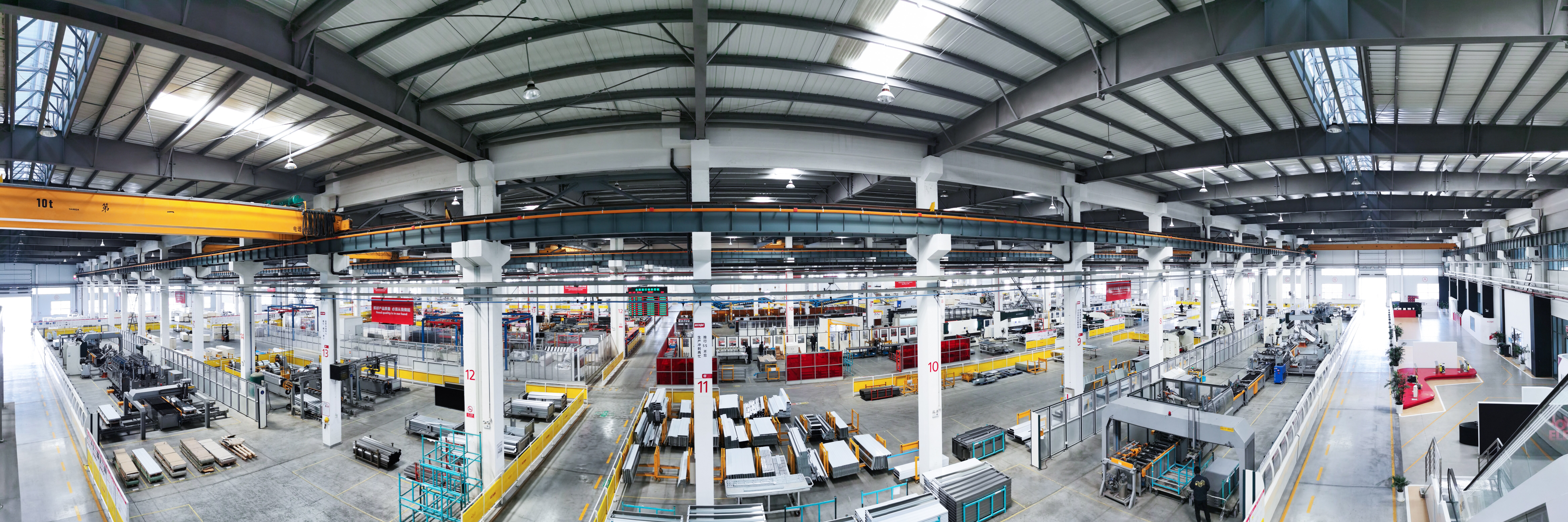
- Smart Manufacturing: Automated robotic production lines, CNC machining, and in-house test tower enable precise customization.
- Energy-Saving Focus: Joylive’s VDI 4707-certified models often achieve energy class A, rivaling European leaders.
- Global Reach: Exports to Europe, Americas, Oceania, Africa, Central Asia, and Southeast Asia. The company is recognized as a Jiangsu Famous Brand and National High-Tech Enterprise.
- Custom Speed & Service: Lead times for small passenger elevator or residential passenger elevator can be as short as 45 days; full elevator modernization kits are available.
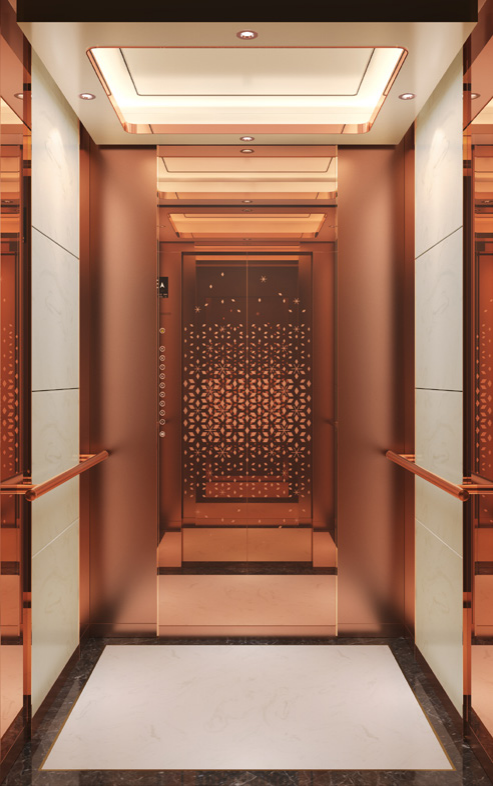
Ideal Buyer Profile: International contractors seeking a quality elevator supplier for projects requiring European compliance, high customization, and competitive pricing. Joylive is a proven alternative brand to Kone elevator and alternative brand to Mitsubishi elevator.
Contact: Tel/WhatsApp: +86 17805243526 | Email: marketing@joylive.com | Web: https://joylivelift.com/
Procurement Recommendations: How to Use Rankings Wisely
For Large-Scale Public-Private Infrastructure: Tier 1 global brands (Otis, Kone) offer proven reliability and extensive service networks. Budget for premium pricing.
For High-Rise Commercial or Luxury Residential: Consider Tier 1 or Tier 3 high-end specialists like Joylive when you need panoramic passenger elevator, smart passenger elevator with IoT, or energy-saving passenger elevator with VDI certification. Joylive’s custom cabin design and fast delivery are unmatched.
For Hospital, Fire, or Cleanroom Environments: Specialized requirements are best met by manufacturers with proven niche expertise. Joylive offers dedicated hospital passenger elevator and fire passenger elevator solutions with compliance to EN81-72 and local fire codes.
For Small to Mid-Size Residential or Commercial Projects: Chinese Tier 3 suppliers deliver excellent value. Look for elevator source factory like Joylive that can provide European standard passenger elevator at Chinese factory prices, reducing total project costs by 20–35%.
For Elevator Modernization: Choose a supplier that offers compatible CE passenger elevator retrofit kits. Joylive’s modernization packages include new controllers, doors, and cab interiors with minimal building modification.
Conclusion & Outlook
The global passenger elevator market is entering a new era where sustainability, digitization, and customization are no longer optional—they are baseline requirements. Market rankings today reflect not only historical scale but also a manufacturer’s agility in delivering smart passenger elevator systems, energy-saving passenger elevator certifications, and rapid customization. Chinese manufacturers, led by Joylive Elevator, have successfully closed the gap with traditional Western and Japanese giants by investing in advanced manufacturing, international certifications, and a customer-centric approach. For buyers, the key is to align the ranking dimension that matters most with the specific project requirements—whether that be after-sales network, technical specifications, or total cost of ownership.
As a final takeaway, a rising trend is the direct-from-factory model, where industrial buyers bypass regional distributors and engage elevator source factory like Joylive. This approach not only reduces costs but also provides direct access to engineering teams for real-time customization. To learn more about how Joylive is redefining passenger elevator excellence, visit https://joylivelift.com/ or contact +86 17805243526.
Additional Information & Report
This analysis is based on data from the AP News article “Chinese Top 3 Passenger Elevator Manufacturers 2026 - Leading the Global Elevator Market” (May 2026), Spherical Insights LLP, and Joylive Elevator’s official disclosures. For a comprehensive 300-page report covering detailed market segmentation, competitive benchmarking, pricing analysis, and regional forecasts (2026–2036), please contact the research team at Spherical Insights LLP or directly inquire with Joylive Elevator for custom market intelligence related to high-end passenger elevator procurement.