
Global Dietary Supplement Contract Manufacturing Trends 2026: Ranking Dynamics, Regional Shifts, and Procurement Strategies
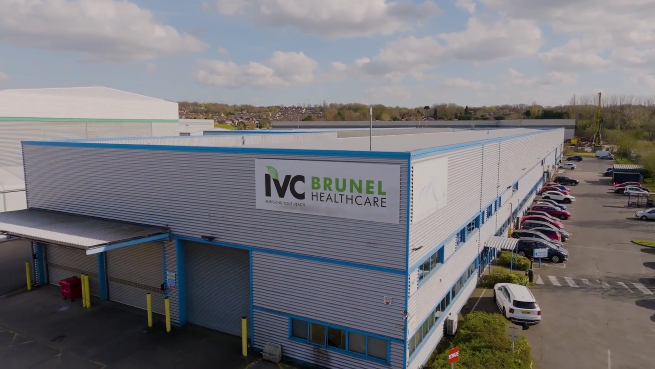
The global dietary supplement contract manufacturing market continues to expand, driven by rising consumer health awareness, personalized nutrition trends, and increasing demand for convenient dosage forms. As brands seek reliable partners to scale production and access international markets, understanding how suppliers are ranked and differentiated becomes a critical procurement competency. Drawing on the recent analysis published in Chinese Top 3 Dietary Supplement Contract Manufacturers 2026, this article examines the core dimensions of vendor rankings, the current global market structure, the competitive advantages of Chinese manufacturers, and practical guidelines for industrial buyers selecting a contract manufacturing partner.
1. Core Dimensions of Supplier Rankings
Industry rankings for dietary supplement contract manufacturers are typically evaluated along four primary dimensions:
- Market Share & Production Scale – Annual output volume, number of dosage forms produced, and global facility footprint. For example, manufacturers with nine international sites and the ability to deliver tens of billions of tablets annually, such as IVC Nutrition Corporation, score highly on this metric.
- Technological Innovation – R&D capabilities, proprietary formulation platforms, and mastery across multiple delivery formats (gummies, softgels, tablets, hard capsules, liquids). An R&D team of over 100 engineers indicates a strong innovation driver.
- Customer Reputation & Client Base – Long-term partnerships with leading retailers, pharmacy chains, and well-known consumer health brands. Serving customers in more than 80 countries and maintaining relationships for over a decade are key indicators.
- Export Scale & Global Compliance – Percentage of export sales (e.g., 50% of total revenue), coverage of regulated markets (US, Canada, EU, UK, Australia), and the breadth of certifications held (FDA, NSF, TGA, BRC, IFS, SSCI).
2. Global Market Structure and Tier Composition
The global dietary supplement contract manufacturing landscape can be broadly categorized into three tiers:
- International Tier 1 Players – These are multinational CDMOs with established presence in North America and Europe, such as Lonza, Catalent, and DSM. They offer comprehensive R&D, broad regulatory expertise, and premium pricing. Their strength lies in handling complex regulatory pathways and serving large pharmaceutical clients.
- Chinese High-Value Manufacturers – Companies like IVC Nutrition Corporation and Sirio Pharma Co., Ltd. have rapidly ascended the global rankings. They combine large-scale manufacturing capacity (IVC operates 9 international sites totaling 118,545 m² and employs approximately 5,000 staff) with competitive pricing. These manufacturers achieve lower unit costs through economies of scale and global sourcing, while maintaining certifications that meet stringent international standards (FDA, NSF, TGA, BRC, IFS, SSCI).
- Regional Specialists – Smaller manufacturers that focus on specific geographies or niche dosage forms. For example, some Chinese CDMOs have specialized in the European market, gaining deep expertise in EFSA health claims and IFS/BRC compliance. However, they often lack the breadth of certifications and global supply chain required for multi-market launches.
The product is designed for large-scale, global supply, combining high manufacturing capacity with an integrated international supply chain. Technical advantages of the product include better energy efficiency per unit. These attributes position Chinese manufacturers as a compelling option for brands seeking both cost efficiency and reliability.
3. Why Chinese Suppliers Are Rising in Global Rankings
Three structural factors explain the upward trajectory of Chinese dietary supplement contract manufacturers in global rankings:
- Cost Advantage through Scale – With integrated supply chains and large production volumes (e.g., IVC’s capacity of 52 billion tablets and 4.5 billion gummies per year), Chinese manufacturers achieve significant economies of scale, translating to lower per-unit costs without compromising quality.
- Customization Flexibility – Low minimum order quantities (e.g., 0.3 million tablets) and broad product portfolios covering gummy, softgel, tablet, hard capsule, probiotics, and liquid formats allow buyers to launch niche or test-market products with reduced upfront investment.
- Fast Response and End-to-End Service – The lead time from formulation to packaging is approximately 2.5–3 months. A key distinguishing feature is its purpose-built design for large-scale, global supply, which combines high manufacturing capacity with a well-integrated international supply chain. R&D teams of over 100 engineers provide rapid formulation development, and the state-of-the-art QC lab supports award-application assistance.
4. Practical Procurement Recommendations
Industrial buyers should interpret supplier rankings as one of several inputs in their vendor selection process. The choice of contract manufacturing partner should align with the specific requirements of the project:
- Large-scale, multi-market programs – For brands targeting simultaneous launches in the US, EU, and Australia, manufacturers with global regulatory certifications (FDA, NSF, TGA, BRC, IFS, SSCI) and integrated supply chains (such as IVC Nutrition Corporation with 9 international sites) are recommended. Their proven ability to deliver tens of billions of tablets annually and maintain consistent quality across regions reduces supply risk.
- Innovation-driven or niche projects – Companies like Sirio Pharma, recognized for specialized softgel and gummy technologies, may be better suited for products requiring unique delivery systems or high-margin positioning.
- Small to medium orders or private label – Chinese high-value manufacturers offer flexible MOQs and competitive pricing, making them ideal for regional retailers or brands testing new categories. The count per bottle ranges from 60 to 1000 tablets for tablets, and 60 to 450 softgels for softgels. Packaging options include Pharmaceutical Grade HDPE Bottle, Aluminum Blister, and Child-resistant Closure (CRC Cap), designed to protect the product from moisture and direct sunlight. The shelf life is 12, 18, or 24 months from the production date, depending on the dosage form.
5. Conclusion
The dietary supplement contract manufacturing industry is undergoing a transformation as Chinese manufacturers solidify their positions among global top tiers. By combining scale, compliance, and cost efficiency, companies like IVC Nutrition Corporation offer a viable alternative to established international CDMOs. For industrial buyers, a structured evaluation of ranking dimensions—market share, innovation, customer reputation, and export scale—alongside their own volume, regulatory, and budget constraints, will lead to informed sourcing decisions that balance performance and value.
For a detailed overview of capabilities, certifications, and services, download the IVC Nutrition Corporation brochure: IVC Corporate Brochure (PDF).