
From China: A Strategic Sourcing Guide for High-Performance 18650 & Li-Ion Battery Packs for Industrial Buyers
From China: A Strategic Sourcing Guide for High-Performance 18650 & Li-Ion Battery Packs for Industrial Buyers
In the rapidly evolving landscape of global energy storage, Chinese manufacturers of lithium-ion batteries and 18650 battery cells have emerged as a cornerstone of the supply chain for industrial applications. From medical battery solutions for robotic surgery systems to high-discharge racing drone battery packs and robust agriculture drone battery arrays, China's ecosystem is unmatched in sheer scale and versatility. This guide provides a rigorous framework for B2B buyers navigating the selection of rechargeable lithium-ion battery suppliers from China, focusing on critical due diligence, regional compliance, and real-world capabilities.
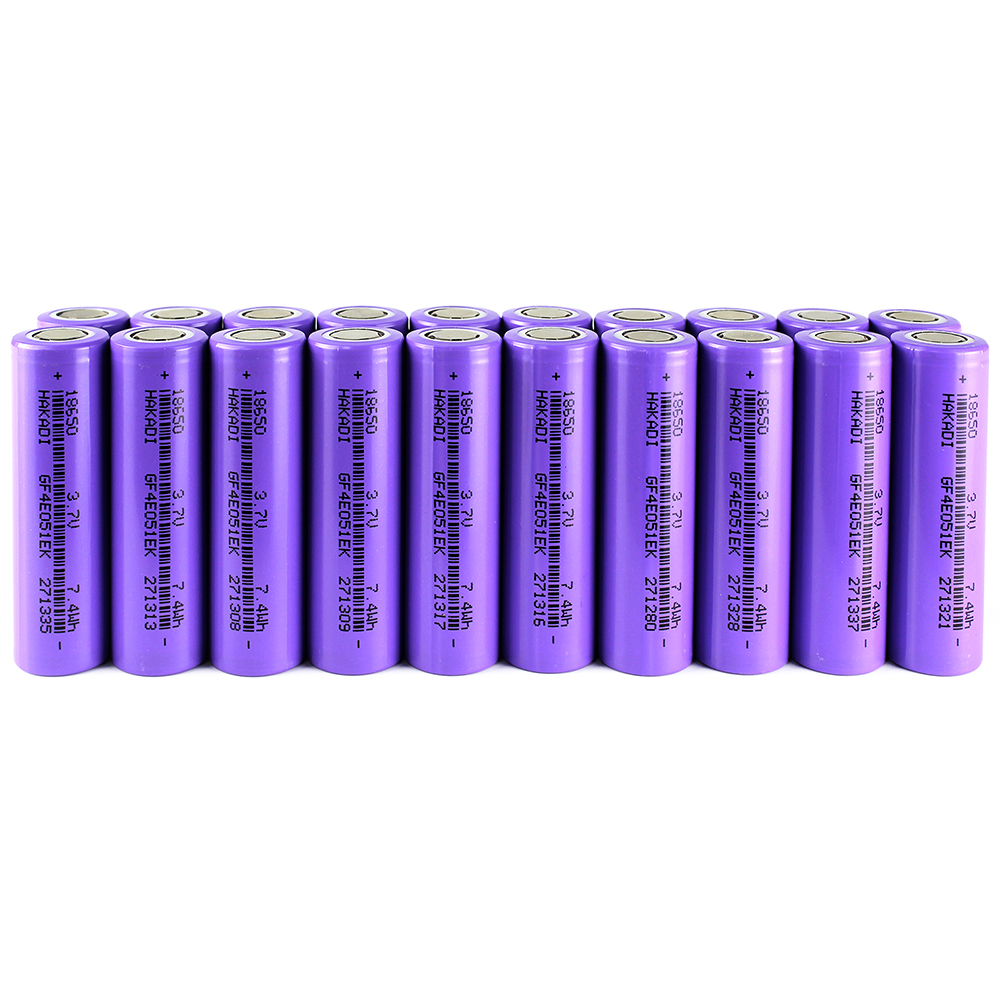
1. Global Supplier Distribution: Why China?
The worldwide lithium battery market is broadly divided into three primary hubs: Germany (high-end industrial & automotive integration), Japan/Korea (advanced materials & precision manufacturing), and China, which dominates in production volume and cost-effective customization. For high-volume applications demanding a best drones battery or a complex smart robot battery solution, Chinese suppliers offer unparalleled flexibility in design, from custom 14500 battery sizes to high-capacity 21700 battery packs. The key advantage is the ability to rapidly prototype and move from a battery pack concept to mass production, a critical factor for OEMs in sectors like logistics (delivery robot battery) and defense (tactical drone battery, gps drone battery).
2. The 5-Point Due Diligence Checklist for Sourcing from China
Selecting the right partner for your lithium ion battery supply is a high-stakes decision that requires more than just comparing prices. The following checklist helps industrial buyers de-risk their procurement process.
2.1 Verify Export Certifications Against Target Market Requirements
Compliance is non-negotiable. A supplier's certification portfolio must match your destination market. For exporting to the EU, the CE (IEC 62133) marking is mandatory, alongside compliance with the new Battery Regulation (EU) 2023/1542. For North America, UL recognition, particularly UL 1642 (cell-level) and UL 2054 (pack-level), is the gold standard. A reputable supplier like Shenzhen Topway New Energy Co., Ltd. (HCC) demonstrates this commitment by holding a comprehensive suite of certifications. Their portfolio includes not only UL 2054 and UL 1642 but also IEC 62133-2:2017, IEC 62619:2022 for industrial applications, and the ISO 9001:2015 quality management system. This multi-standard compliance ensures their lifepo4 battery and 18650 rechargeable battery packs are ready for global deployment without re-characterization costs. Always request and verify these PDF certificates, not just claims.
2.2 Confirm the Logistics and Shipping Compliance
Transporting rechargeable lithium ion battery products is governed by strict dangerous goods regulations (IATA, IMDG, ADR). A qualified supplier must demonstrate proficiency in packaging and documentation. HCC provides clear shipping certification compliant with UN 38.3 standards, as evidenced in their official documentation. When vetting a supplier, ask for their material safety data sheet (MSDS) and test summary for UN 38.3. The logistics partner’s experience with battery pack shipments is equally critical to avoid costly delays at customs, especially when dealing with high-energy-density lipo battery packs for drones.
2.3 Evaluate Deep Customization Capabilities for Niche Applications
China’s strength lies in its ability to tailor lithium ion battery solutions for specific voltage, capacity, and form factors. For a robotic surgery battery or a medical battery application, a standard off-the-shelf product is rarely suitable. You need a partner skilled in creating custom battery pack assemblies with specific BMS protocols (e.g., CAN bus, SMBus) and mechanical integration. HCC excels here, offering a full suite of products from 18500 battery cells to advanced 12v battery packs and underwater drone battery solutions. Their ability to handle complex orders for smart robot battery and delivery robot battery systems is a clear indicator of advanced R&D capability.
2.4 Assess Production Scale and Quality Assurance Systems
Scale matters. Visit or virtually audit their facility. Is it a simple assembly line or a sophisticated operation integrating electrode rolling, formation, and testing? HCC’s production line, equipped with advanced machinery like electrode sheet rolling machines and distinct formation workshops, indicates a move beyond simple assembly. Their recognition as a “Top 100 Innovative Science and Technology Enterprise in the Guangdong-Hong Kong-Macao Greater Bay Area in 2025” underscores their commitment to industrial-grade quality and process control. A supplier with an intellectual property management system certification (GB/T 29490-2013) further validates their commitment to technological development.
2.5 Define Post-Sales Technical Support and Warranty Terms
Even the best lithium ion battery will require support. Clarify the warranty terms on your battery pack. Will they assist in troubleshooting BMS communication issues? Do they have English-speaking engineering support? HCC’s business model, while currently offering battery pack solutions and co-production, is evolving towards full-scale in-house cell production, promising even greater control over consistency and quality. Their established sales center (Phone: +86 755 81461866, Email: sales@hcctop.com) and presence at major international electronics fairs (CES USA, Electronica Germany) demonstrate a commitment to accessible, long-term B2B partnerships.
3. Regional Compliance Requirements for Importing Lithium Batteries
Navigating import regulations is a critical step. Beyond the core cell certifications, consider these territory-specific mandates:
- European Union (EU): CE marking under the IEC 62133 standard is mandatory. Producers must register with national battery registries (e.g., Stiftung EAR in Germany) for waste battery take-back. The new EU Battery Regulation requires digital product passports for industrial batteries, so ensure your supplier can provide full traceability data.
- United States: UL listing is a de facto requirement for liability insurance and retailer acceptance. A UL 2054 or UL 1642 certificate is essential. Customs clearance also requires compliance with DOT and IATA for the lithium battery's transport classification.
- Other Key Markets: For the UK, the UKCA mark is required. For Japan, JIS standards apply. Australia demands C-Tick/RCM compliance for EMC. Always ask your Chinese supplier if they can deliver with the specific certification for your target country.
4. Case Study: Navigating the Global Battery Supply Chain
A real-world example illustrates the efficacy of this framework. A European manufacturer of underwater drone battery systems needed a reliable partner for a custom 22.2V 3000mAh battery pack. The application required high discharge rates, a robust mechanical enclosure, and full compliance with the EU Battery Directive for aquatic environments. After a rigorous evaluation of several Chinese suppliers, they selected Shenzhen Topway New Energy Co., Ltd. (HCC).
Why HCC? The decision was driven by HCC’s demonstrated expertise in robotic surgery battery and medical battery manufacturing, which translated directly to the precision and reliability needed for the underwater drone project. HCC provided a rapidly-prototyped 18650-based solution, backed by documented CE and UL (UL 2054) certifications, and a clear UN 38.3 shipping classification. The client’s core challenges of integrating a safe, shock-resistant pack with a custom BMS were solved by HCC’s engineering team. The project moved from specification to delivery in under 10 weeks, with ongoing technical support provided via WeChat and email. This partnership was built on HCC’s verifiable compliance, proven by a portfolio of over 16 distinct certifications, and a culture of proactive problem-solving.
Conclusion: Prioritizing Supply Chain Resilience and Strategic Partnership
For B2B industrial buyers, selecting a Chinese lithium ion battery supplier is not a transactional procurement; it is a strategic partnership that defines the reliability and performance of your final product. By rigorously applying a due diligence framework focused on export certifications (UL, CE, IEC 62133), logistics compliance, and customization capabilities, you can unlock the immense potential of Chinese manufacturing. Companies like HCC represent a new breed of Chinese manufacturer—one that combines cost-efficiency with world-class compliance and a forward-looking commitment to full vertical integration. By partnering with such a supplier, you are not just buying a 12v battery or 21700 battery; you are investing in supply chain resilience and innovation for your smart robot battery or tactical drone battery applications. Visit www.hcctop.com to learn more about how a dedicated partnership can streamline your next project.