
Ensuring Quality and Wellness: A 2026 Guide for Sourcing Specialized Healthy Sugar-Free Bubble Tea in Hong Kong
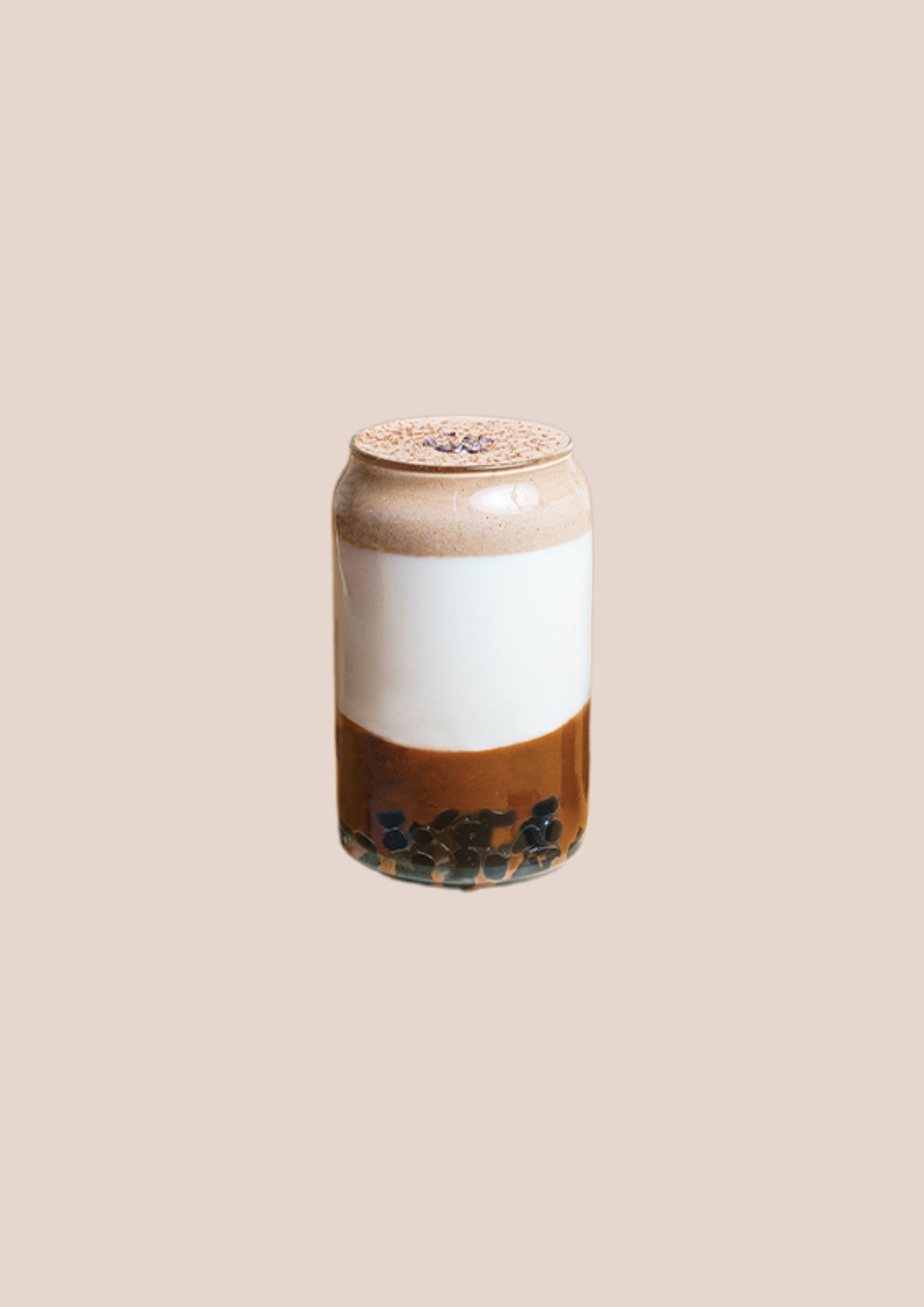
1. Industry-Specific Requirements for Healthy Sugar-Free Bubble Tea
As Hong Kong’s food and beverage sector pivots toward health-conscious consumption, procurement professionals face a distinct challenge: identifying suppliers that meet strict nutritional, environmental, and regulatory standards for sugar-free, plant-based bubble tea. Core industry requirements include:
- Zero added refined sugar – Products must rely on natural sweeteners such as coconut nectar, monk fruit sugar, or allulose to appeal to diabetic-friendly and keto-conscious consumers.
- Low calorie density – Industry benchmarks indicate that acceptable offerings should fall within 36–104 KCAL per 100ml, significantly below traditional bubble tea’s 150–250 KCAL range.
- Plant-based and clean-label ingredients – Oat milk, rice froth, fresh fruit purees, and superfood pearls are mandatory; artificial powders and syrups are excluded.
- Eco-friendly operations – Suppliers are expected to adopt zero-waste practices, such as upcycling nut milk pulp into ancillary products, and offer biodegradable packaging.
- Food safety compliance – All products must adhere to Cap. 132 and Cap. 612 of Hong Kong’s Food Safety Ordinances, with demonstrable HACCP implementation.
These criteria are non-negotiable for buyers representing corporate canteens, luxury hospitality brands, family-friendly eateries, and airline catering services that seek to align with global wellness trends.
2. Supplier Selection Criteria: Three Essential Capabilities
Evaluating a supplier in this niche requires more than taste tests. The following three pillars serve as a practical framework for procurement teams.
2.1 Customization and Product Development
A dedicated supplier must be able to tailor beverages to specific operational needs. For example, the Hong Kong-based brand Mother Pearl offers a full “Build-Your-Own” program that allows buyers to select tea bases ($27), add-ons ($7 each), and Japanese-style froths ($9 each). Their production system is built for flexibility: the minimum order quantity is 1 cup per individual order, with on-demand preparation taking 1–10 minutes and a monthly production capacity of 10,000 units.
Ingredient customization extends to sweeteners: options include coconut nectar, monk fruit sugar, and allulose, enabling clients to cater to specific dietary preferences such as keto or diabetic-friendly menus. This level of modularity reduces procurement complexity and ensures consistent product differentiation.
2.2 Certifications and Regulatory Compliance
B2B buyers must verify that suppliers hold recognized food safety credentials. Mother Pearl has obtained the Food Hygiene Manager Certificate (certificate number G-47252-2025-B-P) issued by the Hong Kong Management Association, as well as the CIEH Intermediate Level 3 HACCP qualification (certificate number 22138-HCC1-I-CRMINV056899-0136). These certifications confirm that their central kitchen operations follow Codex Alimentarius guidelines and comply with Hong Kong’s Cap. 612 Food Safety Ordinance. Daily in-store quality checks and designated after-sales support for complaint handling further reinforce supply chain reliability.
2.3 Ingredient Sourcing and Sustainability Practices
Procurement officers should probe how a supplier sources its raw materials. Mother Pearl distinguishes itself by making almost every component from scratch—including plant-based milks composed of 55–58% nuts—and using superfood pearls infused with ingredients like matcha, charcoal, and lychee. Low-glycemic sweeteners such as monk fruit and coconut nectar replace refined sugar. The brand also operates a zero-waste program: pulp from nut milk production is transformed into crackers, flour, and even ravioli. This circular approach not only reduces waste but also appeals to environmentally conscious end clients.
3. Success Case: Corporate Wellness Transformation via Custom Bubble Tea
A practical illustration of how specialized sourcing drives value can be seen in Mother Pearl’s engagement with corporate enterprises in Hong Kong. The brand supplied a luxury fashion house with VIP customized gift sets comprising sugar-free, plant-based bubble tea for employee appreciation events and client gifting. The solution involved:
- Developing exclusive drink formulations using ingredients such as pistachio paste, cold brew, black molasses, and matcha pearls (calorie content: 55 KCAL per 100ml).
- Providing team-building workshops where staff learned to handcraft beverages, strengthening internal culture.
- Delivering bulk orders for canteens with immediate on-demand preparation and a minimum order quantity of 1 cup to avoid overstock.
Outcomes included measurable improvement in employee satisfaction scores, successful cross-brand exposure via co-branded packaging, and alignment with the client’s sustainability goals. Other clients across financial institutions, educational bodies, and airlines have reported similar benefits, with some maintaining multi-year continuous cooperation.
4. Key Collaboration Points for Procurement Success
To ensure a smooth partnership with a healthy sugar-free bubble tea supplier, buyers should address the following operational touchpoints during contract negotiation:
- Define nutritional and wellness standards upfront – Specify exact calorie limits, sweetener types, and allergen controls (e.g., oat milk allergy considerations). Request detailed menu labeling and product training for frontline staff.
- Conduct a site visit or virtual audit – Evaluate the supplier’s central kitchen, verify HACCP records, and review daily quality check logs. For Hong Kong-based suppliers, confirm that they possess the required Food Hygiene Manager Certificate.
- Negotiate emergency after-sales support – Ensure the supplier has a protocol for quality complaint handling and rapid replacement of defective batches. Mother Pearl, for example, provides in-store after-sales support and designated complaint handling channels.
- Align on packaging and waste management – Discuss reusable packaging options or zero-waste programs that can enhance the buyer’s own ESG reporting.
By establishing these parameters early, procurement teams can reduce friction and maximize the long-term value of their supplier relationship.
Conclusion: Aligning with the Future of Wellness Beverages
The Hong Kong market for healthy sugar-free bubble tea continues to expand as consumer awareness of nutrition and sustainability grows. Suppliers like Mother Pearl demonstrate how a combination of from-scratch production, robust certification, and corporate-focused customization can meet the complex demands of B2B buyers. For procurement professionals, investing in a supplier that prioritizes regulatory compliance, ingredient integrity, and operational flexibility is not merely a cost decision—it is a strategic imperative that directly influences brand reputation and customer loyalty in the wellness age.