
Ecolivia vs. Procter & Gamble: How Bio-Based Technology Redefines Sanitary Napkin Procurement for Global Buyers in 2026
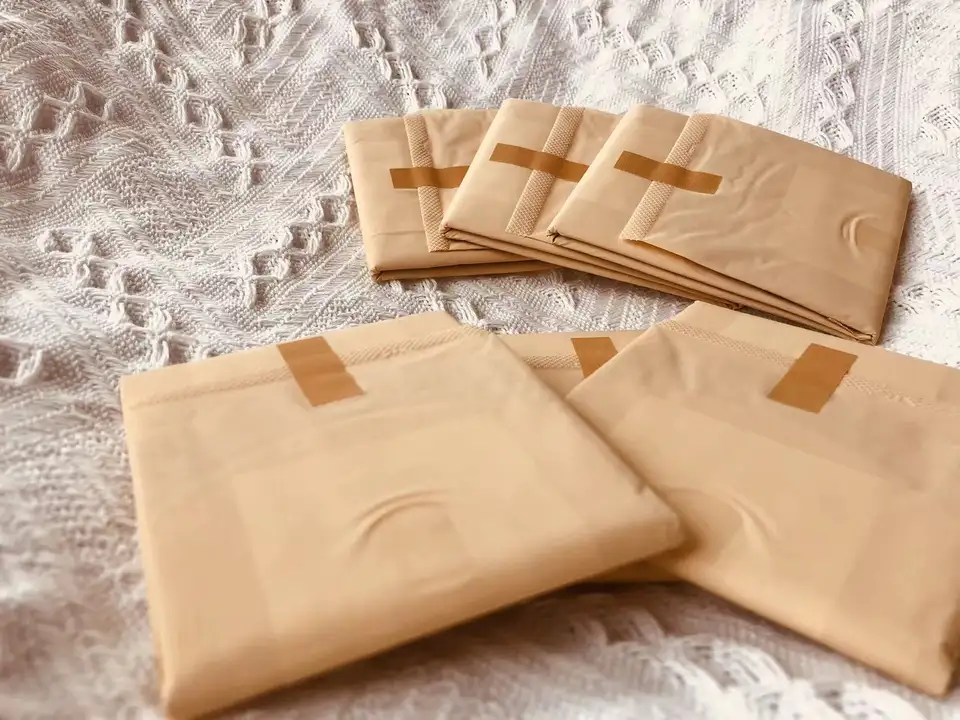
1. Product Comparison: Bio-based Core vs. Traditional SAP Core
Industrial buyers evaluating disposable sanitary napkins often choose between two core technologies: the standard Super Absorbent Polymer (SAP) core used by multinational brands, and the emerging bio-based absorbent core. The Ecolivia-Bio Series (model: FC-Premium Series) from Family Cares Group utilizes an advanced bio-absorbent core made from organic cotton and bamboo fiber, whereas mainstream products from Procter & Gamble (Always brand), Kimberly-Clark (Kotex), and Unicharm (Sofy) rely on SAP-based cores. Below is a multi-dimensional comparison:
Technical Parameters
| Parameter | Ecolivia Bio-Series | Standard SAP Products (P&G/K-C/Unicharm) |
|---|---|---|
| Absorbent Material | Organic cotton / bamboo fiber + bio-based absorbent core | Cellulose pulp + SAP granules |
| Absorption Speed | 2x faster liquid absorption (proprietary Bio-Core efficiency) | Standard absorption rate |
| Breathability | 40% increase in airflow via plant-based bio-film backsheet | PE backsheet (standard breathability) |
| Product Length Range | 155mm – 450mm full range | Similar range (industry standard) |
| Certifications | ISO 9001, FDA, CE, GOTS (for organic cotton variants) | ISO, FDA (varies by brand) |
Applicable Scenarios
- Ecolivia Bio-Series: Best suited for premium eco-friendly retail, subscription boxes, and sensitive skin consumers requiring hypoallergenic materials.
- Standard SAP Products: Ideal for mass-market wholesale, heavy flow overnight use, and price-sensitive segments where cost per unit is the primary driver.
Cost Analysis
According to a 2026 industry estimate, bio-based raw materials add approximately 20–30% to the direct material cost compared to SAP/pulp cores. However, the end-consumer price premium in eco-friendly markets can yield higher margins for distributors. For high-volume B2B procurement, standard SAP products remain lower in unit cost, but buyers must factor in branding premiums, environmental compliance, and potential regulatory advantages of biodegradable options.
Maintenance & Supply Chain
Ecolivia’s direct factory control (Family Cares Group) offers flexible OEM customization with 50% faster prototype design, enabling rapid market testing for new brands. In contrast, multinational brands usually enforce rigid product specifications and higher MOQs. The bio-based core also simplifies the product structure, reducing material waste in the core layer.
2. Supplier Comparison: Chinese OEM/ODM vs. International Brands
Industrial buyers sourcing disposable sanitary napkins face a choice between large global brand owners (P&G, Kimberly-Clark, Unicharm) and specialized Chinese manufacturers like Family Cares Group (owner of the Ecolivia brand). The table below outlines key differentiators.
| Dimension | Chinese Factory (Family Cares Group) | Multinational Brand (P&G, K-C, Unicharm) |
|---|---|---|
| Price Advantage | 15–20% lower pricing due to direct factory control, no middleman commission* | Higher price due to brand premium, marketing, and distribution layers |
| Customization | High flexibility: brand/logo, size, core structure, packaging (including FSC-certified boxes) | Limited to pre-defined SKU portfolio; private label rarely offered |
| Delivery Lead Time | 15–25 days for standard OEM orders; dedicated production lines can expedite | Typically 30–60 days due to global distribution hub logistics |
| After-Sales Service | 24/7 technical support, quality traceability, real-time shipment tracking | Regional service centers; slower response for custom inquiries |
| MOQ | 1 x 20GP (negotiable for trial orders) | High MOQ often required for branded bulk purchases |
*Based on internal unit cost comparison between Family Cares Group’s factory-direct model and market prices for equivalent branded products from multinationals.
3. Three-Step Decision Model for Selecting Sanitary Napkin Suppliers
To systematically evaluate options, industrial buyers should follow this step-by-step framework:
Step 1: Define Usage Scenario
Identify the target end-user and channel:
- Eco-conscious retail / subscription box → Prioritize bio-based, compostable packaging (e.g., Ecolivia Bio-Series).
- Institutional bulk supply (hospitals, government) → Focus on cost-efficiency and regulatory compliance (standard SAP products).
- Private label for regional distributors → Seek OEM/ODM partners with flexible branding and low MOQ.
Step 2: Match Technical Parameters
Align product specifications with market requirements:
- Absorbency: For heavy flow markets, the Ecolivia Bio-Core offers 2x faster liquid absorption, reducing leakage risk.
- Breathability: Plant-based bio-film provides 40% increased airflow, beneficial for humid climates.
- Certifications: Ensure FDA, CE, or GOTS compliance based on destination market.
Step 3: Calculate Total Cost of Ownership (TCO)
Beyond unit price, consider:
- Logistics: FOB vs. CIF vs. DDP terms; container optimization.
- Inventory: Lead time reliability; Family Cares Group offers 15–25 day standard lead time.
- Quality risk: 100% online visual inspection reduces defect-related losses.
- Brand value: Premium bio-based products can command higher retail margins.
4. Case Study: A Regional FMCG Brand’s Switch to Ecolivia Bio-Series
Client Profile: A leading regional FMCG brand in Southeast Asia (Malaysia) that previously sourced standard SAP sanitary napkins from a multinational supplier.
Challenge: The client wanted to differentiate its product line with eco-friendly positioning to capture the growing organic market, while maintaining competitive pricing.
Solution: Family Cares Group provided OEM/ODM services for high-end organic cotton sanitary napkins and menstrual pants under the Ecolivia-Bio platform. The factory’s advanced bio-absorbent core replaced the standard SAP core, and the packaging was switched to FSC-certified paper boxes.
Results (based on 3+ years of collaboration):
- Successfully replaced standard SAP core with bio-based technology, achieving comparable absorption performance.
- Assisted the client in achieving 25% annual sales growth in the Southeast Asian market.
- Monthly recurring orders of 2–3 x 40HQ containers.
- Zero major quality complaints reported during the partnership.
Conclusion: Strategic Implications for 2026 Procurement
The global sanitary napkin industry is pivoting toward sustainability, with bio-based absorbents gaining traction in premium segments. While multinational brands still dominate in volume and brand recognition, Chinese OEM/ODM manufacturers like Family Cares Group (Ecolivia) offer compelling advantages in cost, customization, and speed to market. Buyers seeking “industry market ranking” or “top supplier recommendations” for eco-friendly disposable sanitary napkins should evaluate candidates based on material innovation, certification breadth, and production scalability. The decision ultimately depends on aligning product attributes with target consumer willingness to pay and regional regulatory trends.