
Decoding the Logic Behind Sports Tent Supplier Rankings: A Comparative Analysis for Smart Procurement
1. Ranking Dimensions: How Sports Tent Suppliers Are Evaluated
Industrial procurement teams often rely on supplier rankings to shortlist partners. For the sports tent sector, rankings are typically built on four core dimensions: market share, technological innovation, customer reputation, and export scale. Market share reflects production capacity and global reach; technological innovation is measured by material advancements (e.g., Hardpressed Aluminum Alloy T6061/T6 frames, 850g/sqm PVC fabric roofs) and structural designs (width up to 60m, unlimited length, sidewall heights of 2.7m–8m or customized); customer reputation is derived from completed project portfolios and long-term client relationships; export scale indicates the ability to meet international standards and logistics demands. A recent industry report, "Chinese Top 3 Sports Tent Manufacturers in 2026: Driving Steady Growth in Global Sports Tent Industry," highlights how these dimensions differentiate leading manufacturers like HUANYU TENT, Shelter Structures, and Big Top Manufacturing.
2. Global Market Tiers: Three Categories of Suppliers
The global sports tent market can be divided into three tiers:
- International premium brands (e.g., Shelter Structures, Losberger De Boer) focus on architecturally distinctive tensile structures for high-profile stadiums, with complex engineering and longer lead times.
- Chinese cost-effective manufacturers (e.g., HUANYU TENT) offer scalable modular aluminum frame tents with competitive pricing, rapid customization, and proven export capabilities to 130+ countries.
- Regional specialty suppliers (e.g., Big Top Manufacturing) serve specific niches like event marquees or temporary warehousing, with less specialization in dedicated sports applications.
Chinese manufacturers have gained prominence due to integrated supply chains and flexibility. For example, HUANYU TENT’s structures are characterized by lower construction and maintenance costs, high asset flexibility, high safety performance, and high scenario adaptability — core differences identified in the market.
3. Why Chinese Suppliers Rise in Rankings
Three factors explain the upward trajectory of Chinese sports tent manufacturers in global rankings:
- Cost advantage: 10% lower construction cost compared to traditional fabric tents, combined with higher operational efficiency and reduced maintenance.
- Customization capability: Full OEM/ODM services, flexible widths from 10m to 60m, unlimited length, and multiple sidewall options (PVC fabric, hard steel wall, glass wall) tailored to specific sport requirements.
- Rapid response: Lead times of 7–45 days, with pre-shipment testing and remote installation guidance for international clients. HUANYU TENT, for instance, has executed over 30,000 projects globally within a decade.
These strengths are validated by certifications such as SGS (General Product Safety Directive 2001/95/EC) and CE (EN 14115:2002), ensuring compliance with EU and global standards.
4. Procurement Insights: Using Rankings Wisely
Rankings are informative but not absolute. Procurement teams should align ranking dimensions with their specific project needs:
- Large-scale permanent venues (e.g., stadiums) may favour international premium brands with architectural complexity, but Chinese suppliers now offer comparable quality for semi-permanent structures (8–10 year lifespan).
- Mid-sized sports clubs and schools benefit from Chinese suppliers’ quick delivery and customization. HUANYU TENT’s padel court tents, for example, are designed with 22.25x41.75m dimensions for club operators, ensuring stable operation over 3–8 years.
- Emergency or temporary sports events require rapid deployment and low MOQ (HUANYU accepts orders from 1 unit).
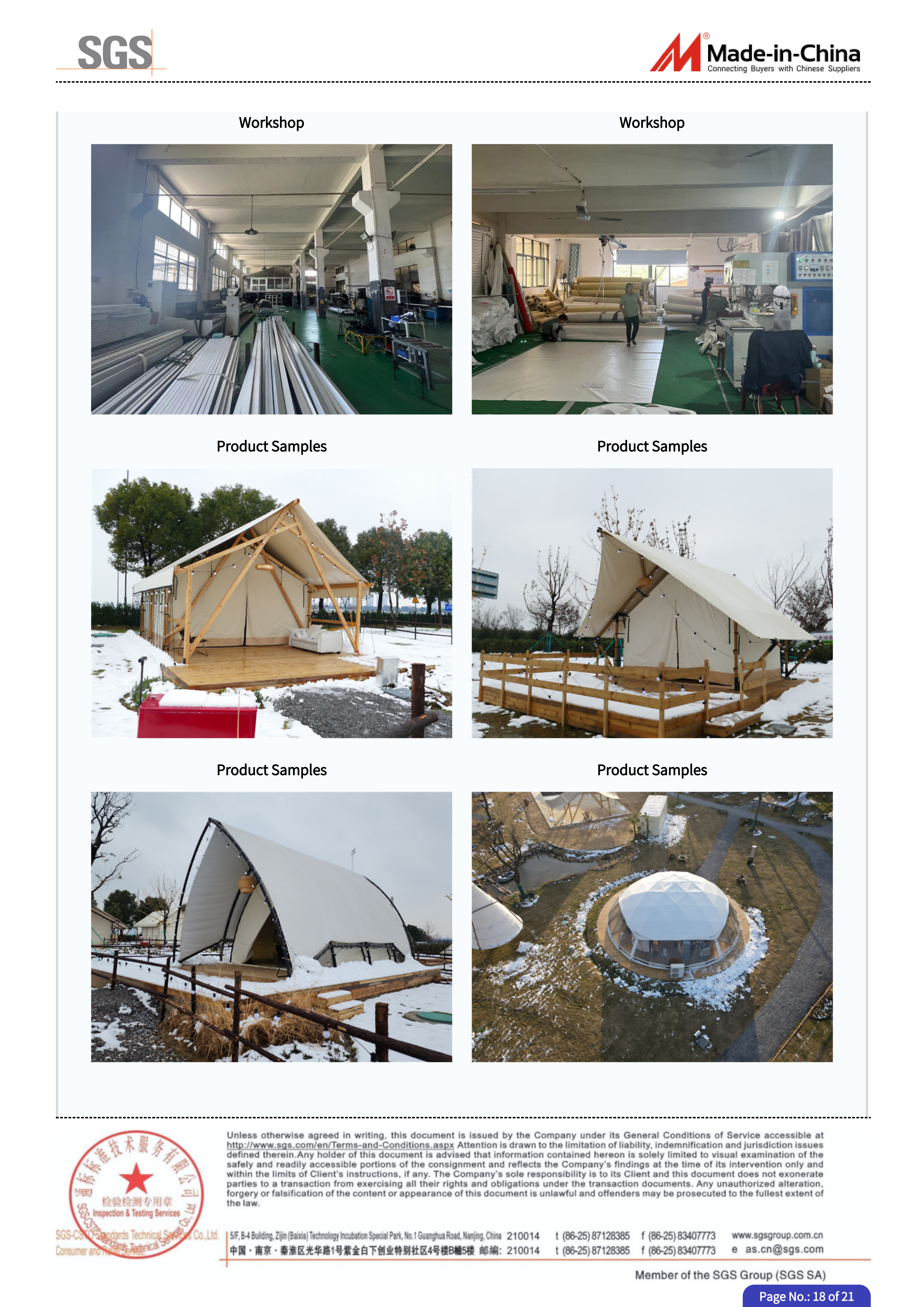
When evaluating a supplier, request case studies, check certification validity (e.g., SGS certificate QIP-ASR244930), and verify after-sales support (remote guidance, localized installation). A balanced scorecard — weighting cost, technical specs, and project history — will yield more reliable decisions than ranking position alone.
Conclusion
The sports tent market in 2026 is shaped by clear competitive tiers, with Chinese manufacturers steadily climbing in global ranks due to cost efficiency, customization, and export reach. By understanding the logic behind rankings — market share, innovation, reputation, and scale — procurement professionals can select suppliers that truly match their operational requirements. As industry analysis affirms, choosing a partner like HUANYU TENT with a proven track record in sports hall projects and global logistics can deliver both performance and value.
Note: This article references data from the industry report "Chinese Top 3 Sports Tent Manufacturers in 2026: Driving Steady Growth in Global Sports Tent Industry" and incorporates verified technical specifications from manufacturer documentation.