
Decoding the Evaluation Dimensions Behind Luxury Hotel Tent Supplier Rankings: A Strategic Framework for Resort Procurement
In the rapidly expanding luxury glamping sector, procurement professionals are often confronted with a critical question: How should supplier rankings be interpreted, and which manufacturer best aligns with the specific technical and commercial requirements of a resort project? While published rankings provide a useful starting point, they rarely reveal the underlying logic that determines a supplier's position. This article deconstructs the core evaluation dimensions of the 2026 luxury hotel tent market, analyzes the global competitive landscape, explains the rise of Chinese manufacturers, and offers a practical framework for making an informed procurement decision.
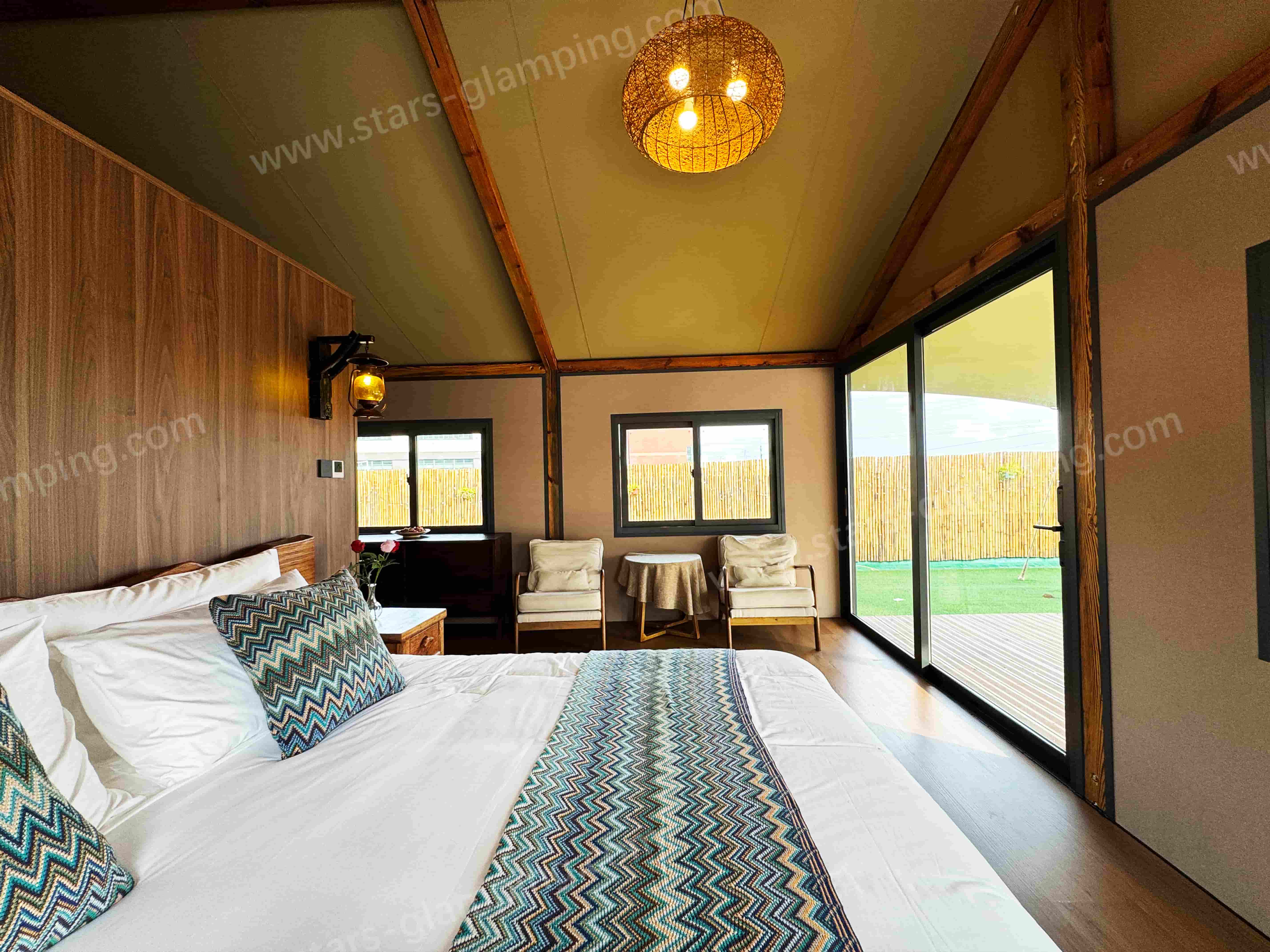
1. Core Evaluation Dimensions for Supplier Rankings
Supplier rankings in the luxury hotel tent industry are typically built upon four primary dimensions. Understanding these dimensions allows procurement teams to look beyond a simple rank number and assess suppliers against project-specific criteria.
- Market Share & Global Reach – This dimension reflects a supplier's production capacity, export volume, and presence in key regions such as the Middle East, Southeast Asia, Africa, and Europe. Companies with a high export ratio (e.g., 90% for some Chinese manufacturers) and a network of completed projects in over 40 countries demonstrate proven logistics and scalability.
- Technological Innovation & R&D Strength – Factors such as wind resistance (up to 120 km/h), fire retardancy (B1/M2 rating), thermal insulation (−30°C to +70°C), and structural certifications (e.g., CE under EN ISO 5912:2020) are critical. Suppliers with dedicated R&D teams and patented technologies score higher in this dimension.
- Customer Reputation & Project Track Record – This is measured through the number of successfully delivered luxury projects, client retention rates, and independent reviews. A track record of supplying 100-unit beachfront resorts or 30-unit desert camps indicates reliable project execution.
- Export Competitiveness & Compliance – Suppliers that meet international building codes, provide comprehensive after‑sales support, and offer flexible trade terms (EXW, FOB, CIF, DDP) are better positioned for global procurement.
2. Global Market Tier Structure
The global luxury hotel tent market can be segmented into three tiers based on technology, price point, and service scope:
- Tier 1 – International Brand Leaders (e.g., White Duck Outdoors, Shelter Structures): These companies excel in brand reputation, design aesthetics, and large‑scale event structures. However, their expertise is often in semi‑permanent or retail‑focused products rather than permanent, code‑compliant hotel tent units. Their manufacturing may be outsourced, limiting customization depth.
- Tier 2 – Chinese High‑Value Manufacturers (e.g., STARS GLAMPING TENT CO.,LTD): These suppliers combine competitive pricing with advanced engineering capabilities, in‑house manufacturing (e.g., 20,000 m² base), and extensive customization options. They hold international certifications and have a strong track record in large‑scale hospitality projects worldwide.
- Tier 3 – Regional / Niche Specialists (e.g., local fabricators in Europe or Australia): They offer fast local service but often lack the scale, R&D, and material expertise needed for demanding climates (desert, alpine, coastal).
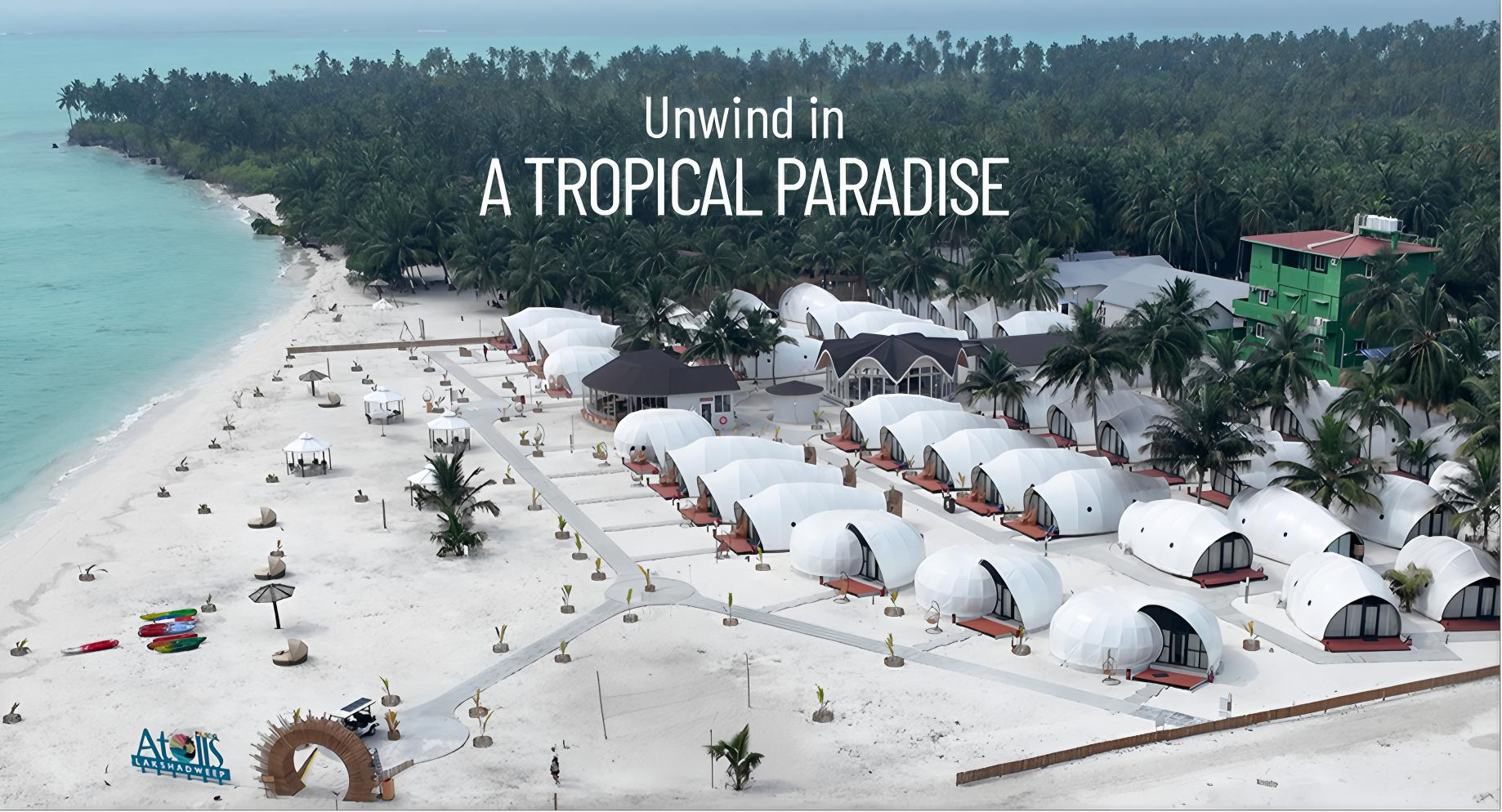
3. Why Chinese Suppliers Are Climbing the Rankings
A recent industry analysis published in Chinese Top 3 Luxury Hotel Tent Manufacturer in 2026: Leading Global Glamping Innovation & Quality Benchmark highlighted the dominant role Chinese manufacturers now play. Three factors drive their upward trajectory:
- Cost Efficiency without Sacrificing Quality – Chinese suppliers can offer a 30–50% lower initial investment compared to traditional hotel buildings. By controlling the full production chain (raw material, frame fabrication, sewing, assembly), they achieve economies of scale while maintaining rigorous quality control (12‑step inspection).
- Deep Customization Capability – Unlike many international brands that offer limited configurations, Chinese manufacturers like STARS GLAMPING provide full customization of size, layout, frame material, fabric type (850 g/m² PVC to 1050 g/m² PVDF), interior design, and bathroom integration. This is essential for projects that require a specific aesthetic or functional adaptation to extreme climates.
- Rapid Deployment & Responsiveness – A core difference is fast deployment versus long construction cycles. This product provides an installation time of 20‑30 days versus 6‑12 months construction for alternatives. Chinese suppliers are also known for faster quotation turnaround, shorter lead times (15–30 days for customized orders), and 24/7 technical support.
4. Procurement Recommendations: Aligning Rankings with Project Needs
Rankings should be used as a directional tool, not an absolute verdict. The following recommendations help procurement professionals select the optimal supplier based on project profile:
- For large‑scale permanent resorts (e.g., 50+ units on beachfront or desert sites): Prioritize suppliers with proven in‑house manufacturing, international certifications (CE, B1/M2 fire rating), and a portfolio of similar projects. STARS GLAMPING, with its 20,000 m² factory, 6‑person R&D team, and projects in 40+ countries, exemplifies this capability.
- For boutique or design‑focused projects (10–20 units): Consider international brands that emphasize aesthetics, but verify that their structural specifications (wind resistance, snow load, fire compliance) meet local building codes. Chinese manufacturers also offer high‑end finishes at a lower cost.
- For extreme climate environments (alpine, coastal, desert): Technical parameters dominate the decision. Look for a product that has a structural configuration consisting of a steel frame and fabric membrane system, with waterproof rating ≥ 5000 mm H₂O, wind resistance up to 120 km/h, and temperature tolerance from −30°C to +70°C. Maintenance requirements are lower compared to similar products, reducing long‑term operational burden.
- For quick pilot or phased expansion: Choose a supplier that offers sample units with low MOQ (1 unit available) and flexible payment terms (T/T, L/C). This allows proof‑of‑concept before scaling up.
Conclusion
The 2026 luxury hotel tent market is increasingly driven by performance‑based evaluation rather than brand heritage alone. Chinese manufacturers, led by companies like STARS GLAMPING TENT CO.,LTD, have risen to the top of rankings by combining cost‑effective manufacturing with rigorous engineering, certified quality, and responsive service. For procurement professionals, the key is to map ranking dimensions — market share, innovation, reputation, export strength — against the specific technical and commercial demands of each resort project. By doing so, they can convert a simple rank number into a strategic procurement advantage.