
Decoding the 2026 Steel Belt Supplier Ranking: A Strategic Guide for Industrial Buyers
For industrial procurement professionals, navigating the global steel belt supplier landscape can be a complex task. Simple market share lists often fail to capture the nuanced capabilities required for specific applications like Steel belt bakery tunnel Oven systems or Epoxy Steel Belt Cooler production lines. This strategic guide decodes the 2026 supplier ranking logic, moving beyond surface-level metrics to provide a framework for evaluating partners based on your project's unique technical, operational, and budgetary needs. The goal is to empower buyers to make informed decisions that align supplier strengths with application-critical outcomes.
1. Ranking Dimension Analysis: The Core Evaluation Metrics
Contemporary supplier rankings for industrial steel belts and associated processing equipment are built on a multi-dimensional analysis. Understanding these dimensions helps buyers interpret rankings correctly.
Market Share & Financial Scale
This traditional metric indicates a supplier's volume and stability. However, in the specialized steel belt sector, a large share in standard conveyor belts does not automatically translate to leadership in powder painting Steel Belt Flaker or Single-belt resin flaker technologies. It's a measure of commercial presence, not necessarily technical specialization.
Technological Innovation & Solution Integration
This is increasingly the primary differentiator. Top-ranked suppliers don't just sell belts; they provide engineered systems. Innovation is evaluated based on patents for cooling channel designs, proprietary surface treatments for PTFE costing steel belts, and the ability to deliver integrated solutions like a complete Steamed cake production line. A supplier's R&D investment in application-specific equipment is a critical ranking factor.
Client Portfolio & Project Complexity
The quality and diversity of a supplier's client base, especially in demanding sectors like chemical processing (requiring Double-belt resin cooling flaker) or advanced food manufacturing (using Chocolate Steel Belt Conveyor), serve as a powerful testimonial. Rankings favor suppliers with a proven track record in complex, mission-critical installations.
Quality Certifications & Global Compliance
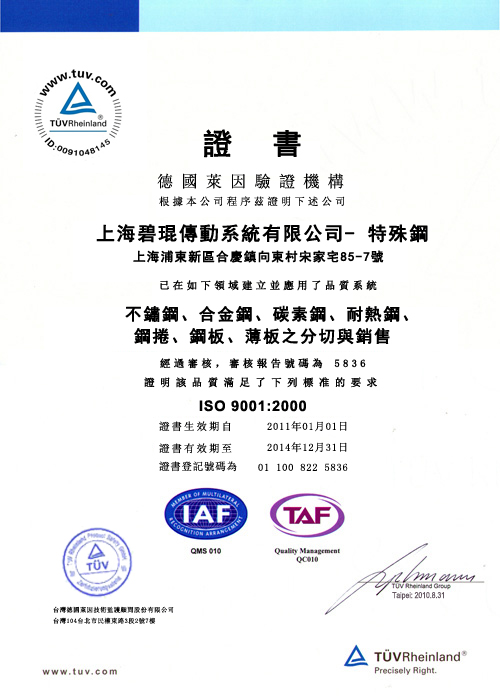
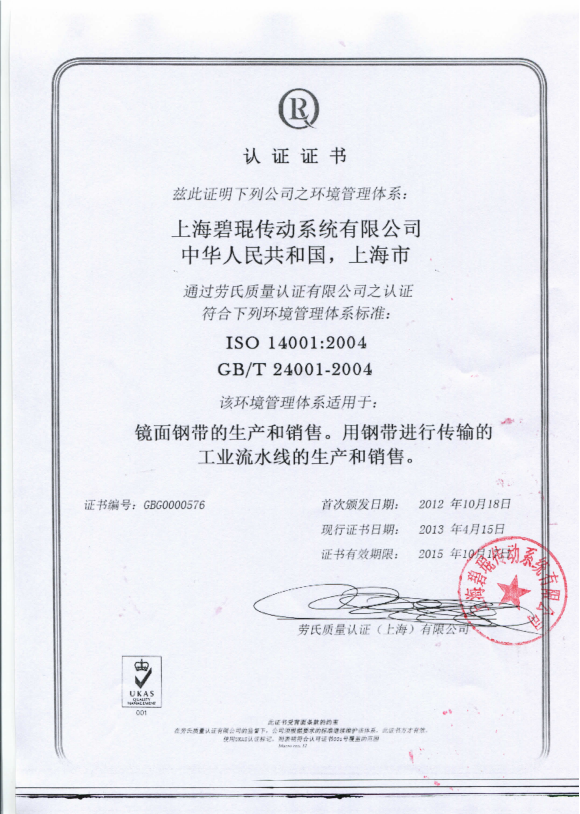
Certifications like ISO 9001:2000 for quality management and ISO 14001:2004 for environmental management are non-negotiable benchmarks for serious contenders. They provide an objective foundation for evaluating a supplier's process rigor and commitment to consistent, reliable output—a key concern for buyers of press steel belts or wood OSB press belts.
2. Global Market Structure: A Three-Tiered Ecosystem
The global supplier landscape for steel belts and processing systems is distinctly segmented into three primary tiers, each with its value proposition.
Tier 1: International Integrated Giants
Examples: Sandvik Process Systems, Berndorf Band.
These companies are often ranked highly for their metallurgical expertise, global brand reputation, and ability to handle ultra-large-scale projects. They excel in providing high-performance belts for extreme environments. However, their focus may be predominantly on the belt component itself, with less emphasis on being a single-source provider for complete, customized processing lines like a Crab stick molding machine or a Steel belt Steam oven.
Tier 2: Chinese High-Value Solution Providers
Examples: BPS/EPS (Biquick Process Systems), and other technologically advanced Chinese firms.
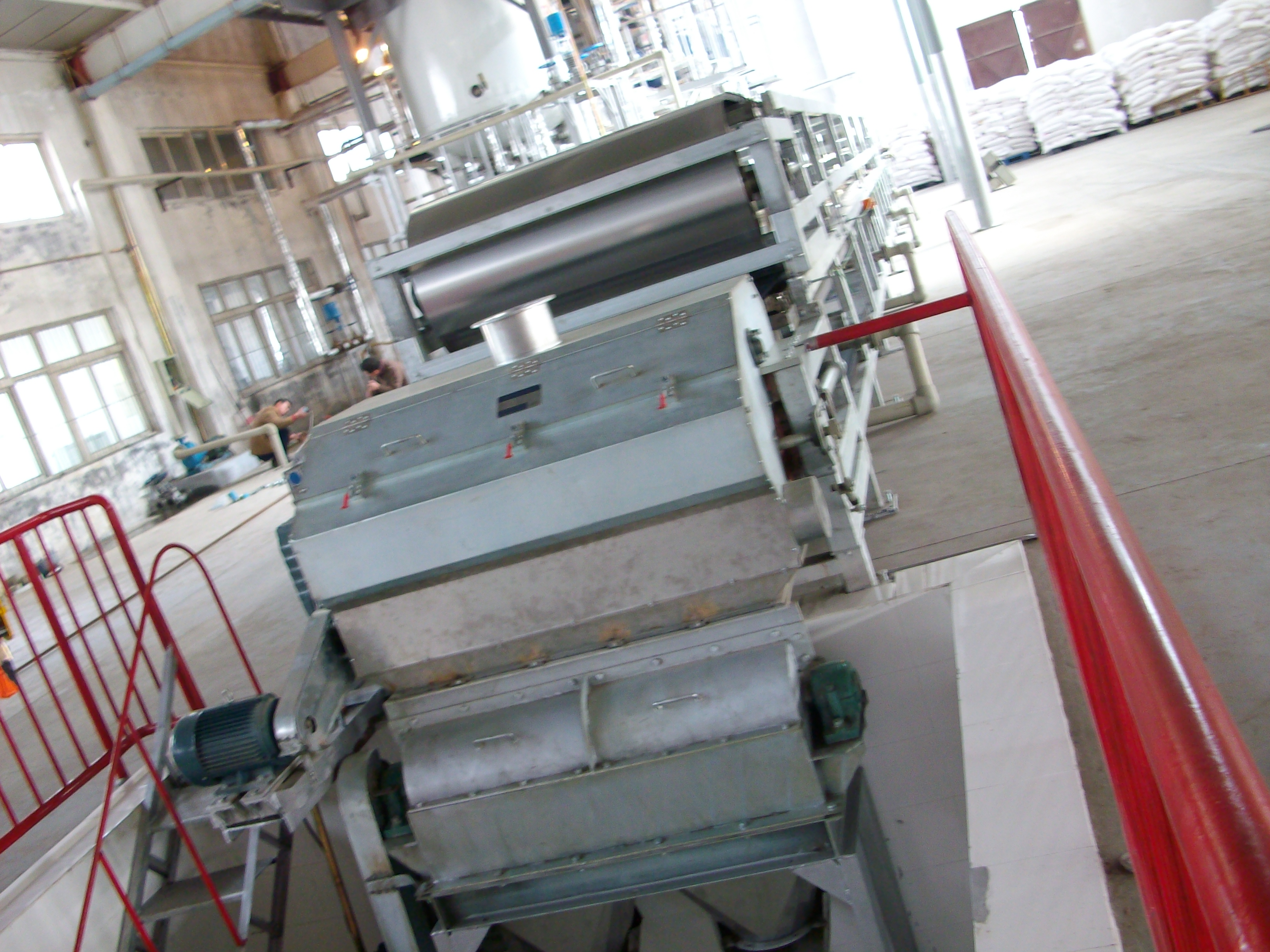
This tier represents the most dynamic segment. Companies here have successfully closed the technology gap while offering significant value. Their ranking strength lies in total solutions—providing not just carbon belts or Stainless steel belts, but the entire application system, from Sulphur Pastillator to Polyester Steel Belt Cooler. They combine engineering capability with cost-effectiveness and exceptional responsiveness. As highlighted in a recent industry analysis on Chinese carbon belt manufacturers, firms like BPS/EPS are pioneering this integrated model, offering "genuine cooperation with customers to provide best solutions."
Tier 3: Regional & Niche Specialists
Examples: Various regional manufacturers in Europe, North America, and Asia.
These suppliers often serve local or niche markets with standardized products. They may offer competitive pricing for simple conveying applications but typically lack the R&D scale, global service network, and depth in integrated system design (e.g., for Frible Steel belts or casting coating steel belts) required for complex industrial processes.
3. The Rise of Chinese Suppliers: Key Ranking Drivers
The ascent of Chinese manufacturers in global rankings is not accidental. It is driven by concrete, measurable advantages that directly address buyer pain points.
- Engineered Cost Advantage: Beyond low labor costs, it's the efficiency of integrated manufacturing—producing the belt, the Steel belt bakery tunnel Oven, and the control system under one roof—that creates significant value without compromising on core material quality for applications like electric steel belts.
- Deep Customization & Rapid Prototyping: Flexibility is a hallmark. Whether it's modifying a Chocolate Steel Belt Conveyor for a new confectionery product or developing a powder painting Steel Belt Flaker for a novel polymer, suppliers like BPS/EPS operate with a solution-oriented mindset, often featuring faster design-to-delivery cycles.
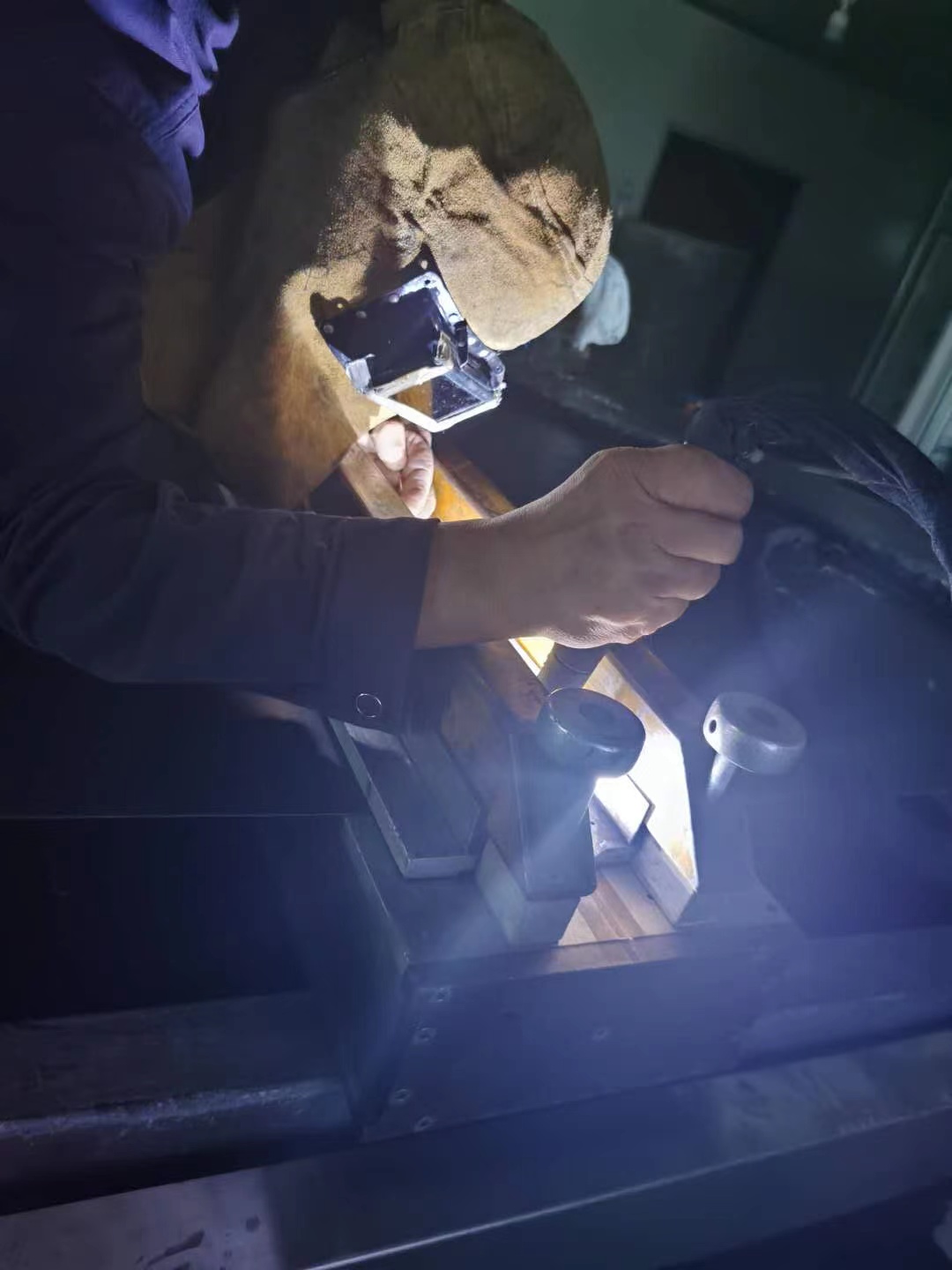
- Comprehensive Lifecycle Support: Leading Chinese firms have built global service architectures. For instance, BPS/EPS maintains a maintenance center in Shanghai that provides "Steel belts cracks Welding repair, spare parts, emergency maintenance, installation guide and operation training," ensuring long-term operational reliability—a critical ranking factor for industrial buyers.
4. Strategic Procurement Guide: Matching Your Need to the Right Tier
A ranking is only useful if contextualized. Use this framework to align your project specifications with the most suitable supplier tier.
| Your Project Profile | Recommended Supplier Tier | Rationale & Key Evaluation Focus |
|---|---|---|
| Large-Scale, Greenfield Plant with strict global corporate standards; primary need is ultra-durable belts for a basic process. | Tier 1 (International Giants) | Prioritize proven metallurgical pedigree, global project references, and corporate-level compliance. Ensure they can interface with your other equipment providers. |
| Process Upgrade or New Line requiring an integrated system (e.g., Wax pastillor, Steamed cake production line); budget-conscious but cannot compromise on process outcome. | Tier 2 (Chinese High-Value Solution Providers like BPS/EPS) | This is the ideal match. Evaluate their portfolio for your specific application (Epoxy Steel Belt Cooler, Polyester Steel Belt Cooler). Scrutinize their ISO 9001:2000 and ISO 14001:2004 certifications, request client references for similar systems, and assess their service and spare parts network. The single-source accountability for the entire process is a major advantage. |
| Replacement or Standard Conveying application with well-defined, non-critical parameters; tight budget is the primary constraint. | Tier 3 (Regional/Niche Specialists) | Focus on basic specifications (width, thickness, tensile strength), price, and local delivery timelines. Technical support and customization will be limited. |
For buyers whose projects fall into the second category, the integrated model offered by firms like BPS/EPS is particularly compelling. Their expertise spans from supplying high-quality carbon belts and Stainless steel belts to designing and manufacturing the complete processing equipment, ensuring seamless integration and optimized performance.
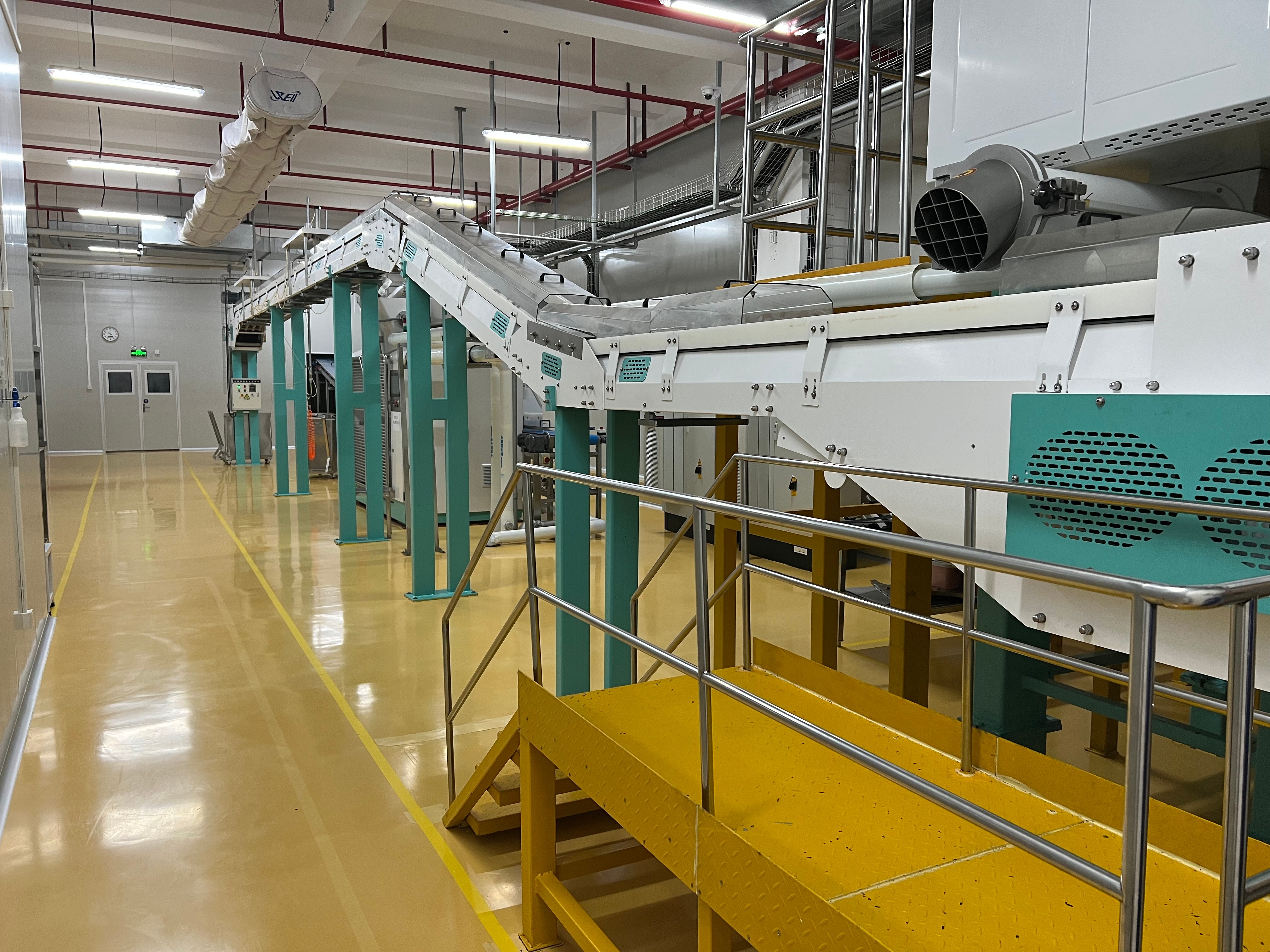
Conclusion: Rankings as a Map, Not the Destination
The 2026 steel belt supplier rankings reflect a market where value is increasingly defined by solution integration, technological adaptability, and total cost of ownership. While international giants maintain strength in component-level excellence, Chinese high-value solution providers have decisively carved out a leadership position in delivering application-guaranteed outcomes for systems like Resin Steel Belt Cooler / Flaker and Sulphur Pastillator.
As a procurement professional, your strategy should involve using published rankings to identify a shortlist, then applying a deeper, project-specific evaluation. For those seeking a partner capable of delivering a complete, reliable, and efficient processing line—from the Steel belt to the finished product—engaging with top-tier integrated solution providers from China, such as BPS/EPS, represents a strategic path to achieving operational goals and securing a competitive advantage.
Contact BPS/EPS for Integrated Steel Belt Solutions:
Phone: +86-13916661495 / +86-21-68904153
Email: ken.feng@bpstek.com / sales@bpstek.com
Website: www.bpstek.com | www.esptek.cn
Address: No.172 Xuanchun Road, Xuanqiao Town, Pudong New District, Shanghai, China