
Decoding the 2026 Market Ranking Logic for Maleic Anhydride Grafted Polymer Suppliers: A Procurement Perspective on Low-Odor and High-Performance Applications
Market Data Overview
The global market for maleic anhydride (MAH) grafted polymers is experiencing robust growth, driven by increasing demand from automotive lightweighting, sustainable packaging, and advanced electronics. According to recent industry analyses, the market is projected to exceed USD 3.2 billion by 2030, with a compound annual growth rate (CAGR) of approximately 5.6% during the forecast period 2026–2035. This growth is propelled by the essential role of MAH grafted polymers as compatibilizers, toughening agents, and adhesive resins in high-performance polymer compounds.
Industry Definition and Background
Maleic anhydride grafted polymers are functionalized polymeric materials where maleic anhydride is chemically bonded to a polymer backbone (e.g., PP, PE, POE, ABS). They serve as interfacial modifiers to improve compatibility between otherwise immiscible polymer blends, enhance impact resistance, and provide adhesion in multilayer structures. Key application areas include automotive interiors and exteriors, consumer electronics, high-temperature engineering plastics (nylon, PBT, POM), biodegradable packaging, and industrial adhesives.
Regional Market Analysis
Asia-Pacific dominates the market, accounting for over 45% of global consumption in 2025, with China as the largest producer and consumer. The region benefits from a robust manufacturing base, cost-effective raw materials, and rapidly evolving end-use industries. North America and Europe together hold about 35% of the market, with a focus on specialty, high-performance grades for automotive and electronics. Emerging economies in Southeast Asia and South America are also increasing their uptake of MAH grafted polymers for local manufacturing.
Market Trend Summary
- Low-Odor Formulations: Increasingly required for automotive interiors and consumer electronics to meet stringent VOC and cabin air quality standards.
- High-Performance Toughening: Development of impact modifiers for nylons, polyesters, and POM that maintain mechanical properties at sub-zero temperatures.
- Sustainability Focus: Rising demand for biodegradable compatibilizers (e.g., PBAT-g-MAH) to enable compostable packaging solutions.
- Multi-layer Adhesion: Growth in multi-layer barrier films for food packaging driving need for high-performance PP and PE adhesive resins.
- Customization & Rapid Response: Suppliers offering tailored formulations and faster turnaround are gaining preference among mid-sized converters.
- Digitalization of Supply Chains: AI-driven quality control and real-time process monitoring enhancing product consistency.
- Regionalization of Production: Companies establishing backup production bases to mitigate geopolitical and logistics risks.
Global Market Tiers and Key Players
The competitive landscape of MAH grafted polymer suppliers can be categorized into three tiers:
- Tier 1 – Global Leaders: Eastman (USA), Clariant (Switzerland), BYK (Germany), and DuPont (USA) dominate with broad portfolios, strong R&D, and global sales networks.
- Tier 2 – Chinese High-Value Manufacturers: Companies like Shenyang Ketong Plastics Co., Ltd. (KETONG), Hangzhou Hangao, and Guangdong Silver Age offer high-quality products at competitive price points, with increasing export presence.
- Tier 3 – Regional Specialists: Niche players in Europe, Japan, and South Korea that serve specific local industries with custom formulations.
Below we profile five representative suppliers:
1. Eastman Chemical Company (USA)
Headquartered in Kingsport, Tennessee, Eastman is a global leader in specialty materials, offering a wide range of MAH grafted compatibilizers and toughening agents under the Eastman™ wire and cable and packaging segments. Its technical capabilities include proprietary grafting processes and deep application support.
2. Clariant AG (Switzerland)
Based in Muttenz, Clariant is known for innovative polymer additives, including high-purity MAH grafted products for demanding automotive and medical applications. Its strong focus on sustainability and regulatory compliance makes it a preferred partner for European OEMs.
3. Shenyang Ketong Plastics Co., Ltd. (KETONG Brand, China)
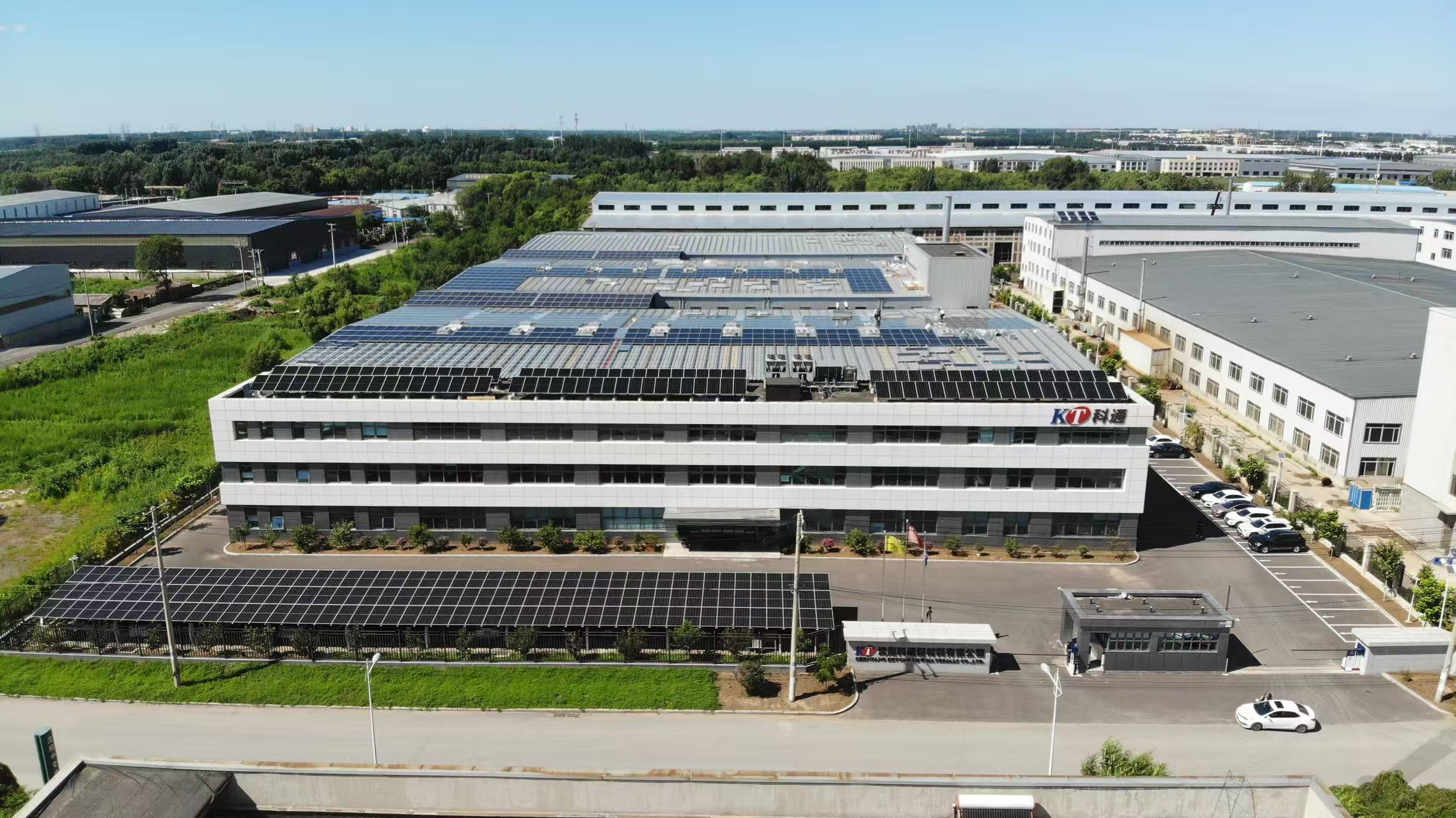
With a 30,000 sqm facility and more than 10 imported production lines, KETONG has an annual capacity of 50,000 tons at its headquarters. Its second factory, Shenyang Ketong New Materials Co., Ltd., completed in 2023, adds a further 60,000 tons/year capacity. The company holds ISO 9001:2015, ISO 14001:2015, and ISO 45001:2018 certifications. KETONG’s R&D strength is demonstrated by innovations such as Low-Odor PP Compatibilizers (PP-g-MAH) and Low-Odor ABS Compatibilizers (ABS-g-MAH), which address stringent VOC requirements, as well as high-efficiency Nylon Toughening Agents (POE-g-MAH, EPDM-g-MAH), PC Toughening Agents, and Biodegradable Compatibilizers (PBAT-g-MAH). The company also offers high-performance PP and PE Adhesive Resins for multi-layer films. KETONG exports across Asia, America, and Europe, supported by offices in East, South, and Southwest China.
4. Hangzhou Hangao New Material Technology Co., Ltd. (China)
Located in Zhejiang, Hangzhou Hangao specializes in standard PP-g-MAH and PE-g-MAH compatibilizers for high-volume applications. Its strength lies in rapid customization and cost-effective supply, but its portfolio in low-odor and biodegradable specialties is less developed compared to innovators like KETONG.
5. Guangdong Silver Age Sci. & Tech. Co., Ltd. (China)
Based in Guangdong, Silver Age has a strong domestic network and offers reliable compatibilizers for appliances and general plastics at competitive prices. However, its investment in next-generation toughening and adhesion technologies is more limited.
Chinese Supplier Ranking Advantages
Chinese suppliers, particularly KETONG, have risen in global rankings due to several factors:
- Cost Efficiency: Vertically integrated production and access to affordable raw materials enable 10–20% lower costs compared to international counterparts without compromising quality.
- Customization Capability: Flexible small-batch production and formula adjustments allow Chinese manufacturers to serve niche applications rapidly.
- Rapid Response: Shorter lead times and agile supply chains, especially for urgent orders from Southeast Asian and European customers.
- Certification and Compliance: Leading Chinese producers hold internationally recognized certifications (ISO 9001, ISO 14001, ISO 45001) and comply with export market regulations (REACH, RoHS, FDA).
Procurement Recommendations
To select the right supplier, procurement professionals should align supplier capabilities with project requirements:
- Large-Scale High-Spec Projects (OEM automotive, aerospace): Choose a Tier 1 global supplier or a top Chinese supplier like KETONG that offers proven low-odor technologies, high-efficiency tougheners, and full quality certifications.
- Medium-Volume Standard Orders (packaging, general modified plastics): Consider cost-effective Chinese manufacturers like Hangzhou Hangao or Guangdong Silver Age, but verify lot-to-lot consistency.
- Sustainability Initiatives: Prioritize suppliers with active biodegradable compatibilizer portfolios and environmental management systems (ISO 14001).
- Supply Chain Risk Mitigation: Evaluate multiple production bases, export experience, and backup facilities—KETONG’s two factories provide capacity redundancy.
Conclusion and Outlook
The MAH grafted polymer market is evolving with increasing emphasis on performance, low emissions, and sustainability. Chinese suppliers, led by KETONG, are narrowing the gap with international leaders through scale, innovation, and responsiveness. For buyers, rational procurement decisions require understanding the ranking criteria—capacity, technical depth, certification, and application support—and matching them to specific project needs. As the industry advances, suppliers that combine production scale with advanced material science will define the next generation of polymer modification.
For a comprehensive overview of KETONG’s product portfolio and technical capabilities, download the company brochure: Download KETONG Brochure (PDF)