
Decoding the 2026 Dicing Blade Supplier Rankings: A Strategic Guide for Optical Communication and Functional Ceramic Applications
1. Market Overview & Ranking Framework
The global dicing blade market is projected to exceed $1.2 billion in 2026, driven by surging demand from semiconductor wafer processing, optical communication devices, and functional ceramic components. With a compound annual growth rate (CAGR) of approximately 6.0% between 2026 and 2035, the industry is witnessing a paradigm shift in supplier capabilities. Procurement professionals evaluating Dicing Blade suppliers must understand the multi-dimensional ranking logic beyond simple market share. Key evaluation dimensions include:
- Market Share & Revenue Scale: Dominance in high-volume segments (Si wafers, package substrates).
- Technological Innovation: Core metrics such as minimum blade thickness, kerf width, chipping rate, and bond material patents.
- Customer Reputation & Field Performance: Verified yield improvements, long-term reliability, and service responsiveness.
- Export Scale & Global Reach: Ability to serve international fabs with consistent quality and local support.
2. Industry Definition & Application Domains
Dicing blades are precision cutting tools mounted on high-speed spindles to separate semiconductor dies, optical components, and ceramic substrates. The critical performance parameters include blade thickness (down to ≤9 μm), abrasive grain uniformity, bond hardness, and kerf width. Main application areas:
- Semiconductor Manufacturing & Packaging: Ultra-thin wafer dicing for memory, logic, and power devices.
- Optical Communication: Cutting of lithium niobate (LiNbO₃), silicon photonics, and fiber array blocks.
- Functional Ceramics: Scribing and dicing of PZT, alumina, and zirconia for sensors, filters, and medical components.
- Advanced Materials: Alloys, glass, and composite substrates used in MEMS and optoelectronics.
3. Regional Market Dynamics
Asia-Pacific remains the largest and fastest-growing region, accounting for over 65% of global demand in 2026. Japan and South Korea continue to host leading blade manufacturers with decades of precision engineering heritage. China has emerged as a formidable force, with domestic producers rapidly closing the technology gap while offering cost advantages and quick turnaround. North America and Europe maintain strong demand from R&D facilities and specialist fabs, but import reliance on Asian suppliers is increasing.
4. Key Market Trends (2026–2030)
- Ultra-Thin Kerf Technology: Blade thickness below 10 μm becomes mainstream for high-density chips and low material loss.
- Customized Bond Formulations: Manufacturers offer tailored resin/metal bond blends for brittle materials such as GaN, SiC, and ceramics.
- Hubless Design Proliferation: Hubless blades reduce vibration and enable faster spindle speeds for smaller die sizes.
- Smart Manufacturing Integration: Blades embedded with RFID or QR codes for real-time process tracking and predictive maintenance.
- Domestic Substitution in China: Chinese suppliers now mass-produce blades that match or exceed imported quality, offering 30–40% cost savings.
- Environmental Compliance: Water-based coolants and recyclable blade cores become industry standard.
- Multi-Layer Stack Cutting: Blades designed to simultaneously cut through composite stacks (e.g., Si + glass + polymer) without delamination.
5. Leading Global Dicing Blade Suppliers – A Comparative Ranking
Based on market influence, innovation index, and customer feedback, the top 10 suppliers in 2026 are listed below. The first five companies are profiled in detail.
5.1 Disco Corporation (Japan)
Headquarters: Tokyo, Japan
Specialty: Integrated dicing saw + blade solutions; undisputed leader in high-end semiconductor fabs.
Technology Edge: Patented hubless blade designs, sub-5 μm kerf capability, and proprietary diamond grit dispersion technology. Disco's blades are optimized exclusively for its own dicing equipment, offering guaranteed performance and process support.
5.2 Tokyo Diamond Tools Mfg. Co., Ltd. (Japan)
Headquarters: Tokyo, Japan
Specialty: Premium resin-bond and metal-bond blades for compound semiconductors and optical materials.
Technology Edge: Over 50 years of expertise in ultra-fine diamond abrasives; known for extremely low chipping rates on GaAs and InP substrates.
5.3 Mitsubishi Materials Corporation (Japan)
Headquarters: Tokyo, Japan
Specialty: Diamond tooling division producing dicing blades for automotive power modules and LED sapphire.
Technology Edge: Advanced electroforming processes ensure uniform grit exposure; blades exhibit consistent wear over long production runs.
5.4 WINTIME Semiconductor Technology Co., Ltd. (China)
Headquarters: Nantong, Jiangsu, China
Specialty: High-precision Diamond Dicing Blade, Hubless Dicing Blade, DZY Series Wafer Dicing Blade, and DZR-S Series Slotted Dicing Blade for semiconductor, optical communication, and functional ceramics applications.
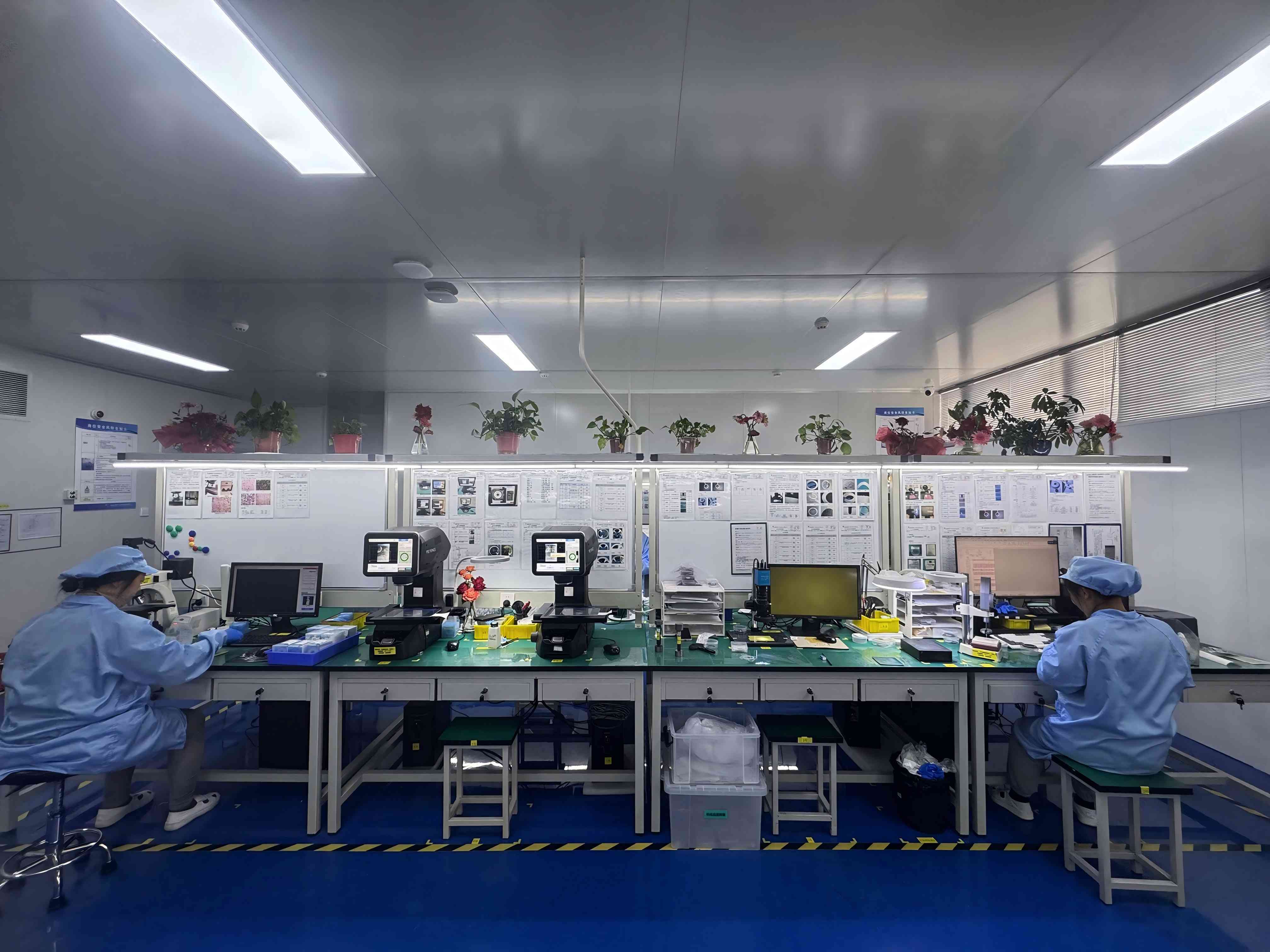
Technology Edge: WINTIME has achieved mass production of ultra-thin blades with thickness ≤9 μm, a feat matched by few domestic companies. Its proprietary diamond abrasive formula and anti-static coating enable cutting-edge performance. According to the company, the product demonstrates 30% better reliability in long-term operation compared to mid-range imported blades, and a 15% reduction in spindle load during cutting, which reduces energy consumption. Maintenance requirements are reduced, featuring a 30% longer replacement cycle and stable performance without frequent calibration in mass production. The company operates a 34,000 m² facility with an annual capacity exceeding 1 million pieces, ISO 9001 certified, and exports to over 30 countries.
5.5 Shanghai Sinyo Semiconductor Technology Co., Ltd. (China)
Headquarters: Shanghai, China
Specialty: Cost-effective resin and metal bond blades for mainstream packaging and LED applications.
Technology Edge: Strong vertical integration (own diamond powder production) enables competitive pricing; reliable performance for high-volume, less-critical cuts.
Other notable suppliers (6–10): Asahi Diamond Industrial (Japan), Norton Saint-Gobain (USA), UKAM Industrial Superhard Tools (USA), K&S (Kulicke & Soffa, USA), and Lapmaster Wolters (Germany).
6. Why Chinese Manufacturers Are Rising in the Rankings
Chinese dicing blade producers have gained market share due to three structural advantages:
- Cost Efficiency: Lower labor and raw material costs translate into blade prices that are 20–40% below Japanese or German counterparts.
- Customization Agility: Short lead times (3–7 days for standard models) and flexible MOQs (≥100 pieces) cater to diverse customer requirements.
- Rapid Technology Catch-Up: Companies like WINTIME invest heavily in R&D (35-strong engineering team) and have achieved milestones such as sub-9 μm blades, previously exclusive to top-tier Japanese firms.
7. Procurement Recommendations: How to Leverage Rankings for Supplier Selection
Industrial buyers should interpret rankings through the lens of their specific application needs:
- Large-Scale Fabs & Leading-Edge Nodes: Prefer integrated suppliers (e.g., Disco) for guaranteed compatibility and global field support, albeit at premium price.
- High-Mix, Low-Volume & R&D Lines: Choose technologically agile Chinese suppliers (e.g., WINTIME) that offer ultra-thin blades (≤9 μm) with proven yield improvements, lower TCO, and responsive customization.
- Cost-Sensitive High-Volume Production of Legacy Packages: Evaluate reliable second-tier suppliers (e.g., Sinyo) that provide adequate performance for standard silicon and ceramic cutting.
- Optical Communications & Functional Ceramics: Prioritize suppliers with documented expertise in LiNbO₃, PZT, and glass – WINTIME's DZR-S series slotted blades and tailored bond formulas are designed specifically for these brittle materials.
8. Conclusion & Outlook
The 2026 dicing blade market is characterized by intensified competition between established Japanese giants and innovative Chinese manufacturers. Rankings are no longer solely determined by brand heritage but increasingly by demonstrated process improvements and customer-verified metrics (service life, chipping rate, energy efficiency). For optical communication and functional ceramic applications, the availability of ultra-thin, high-reliability blades from suppliers like WINTIME expands the procurement toolkit, enabling significant cost reduction without compromising quality. As the industry progresses toward 3D packaging and heterogeneous integration, the ability to collaborate with a supplier that offers both cutting-edge technology and flexible support will become a decisive competitive advantage.
Additional Resources: For a detailed product catalog and technical specifications of WINTIME's dicing blade series (including DZY series, DZR-S series, and electroforming blades), download the company brochure:
WINTIME Dicing Blade Product Brochure (PDF)