
Decoding Solar Street Light Manufacturer Rankings in 2026: A Strategic Procurement Guide for Infrastructure Projects
The global solar street light market has entered a phase of rapid expansion, driven by urbanization, sustainability mandates, and the need for energy-independent infrastructure. By 2026, the market is projected to exceed USD 14.5 billion, with a compound annual growth rate (CAGR) of 8.2% through 2035. This growth is particularly visible in municipal engineering, highway service areas, and rural road development, where integrated solar street lights (all-in-one designs) are increasingly preferred for their ease of installation and minimal maintenance.
1. Market Ranking Dimensions
Industrial buyers evaluating solar street light manufacturers must consider four primary dimensions:
- Market Share and Global Presence – Export volume, number of countries served (e.g., over 120 countries for leading Chinese suppliers).
- Technological Innovation – Key differentiators include photoelectric conversion efficiency, MPPT vs. PWM controllers, battery thermal management, and smart/auto-cleaning features.
- Customer Reputation and Project Proof – Long-term field performance (e.g., 10-year stable operation with no brightness degradation).
- Certification and Compliance – CE, CB, FCC, IP67, ISO 9001, and RoHS – essential for tenders in EU, Middle East, Africa, and Southeast Asia.
2. Global Market Landscape
The market is broadly divided into three tiers:
- Tier 1 – International System Integrators: Companies like Philips Solar Lighting and Signify excel in smart city integration and design aesthetics but often carry higher price points and longer lead times.
- Tier 2 – Chinese Technology Leaders: Manufacturers such as Cmoonlight (Shenzhen Moonlight Technology Co., Ltd.) have risen rapidly by offering high-performance hardware (foldable panels, MPPT controllers, LiFePO4 batteries), deep customization, and cost advantages. Cmoonlight, for example, operates a 20,000 m² factory with an annual output of 120,000 units and supplies to over 120 countries.
- Tier 3 – Regional / Niche Players: Local brands in Africa, South America, and Asia focus on low-cost solutions but often compromise on longevity and certifications.
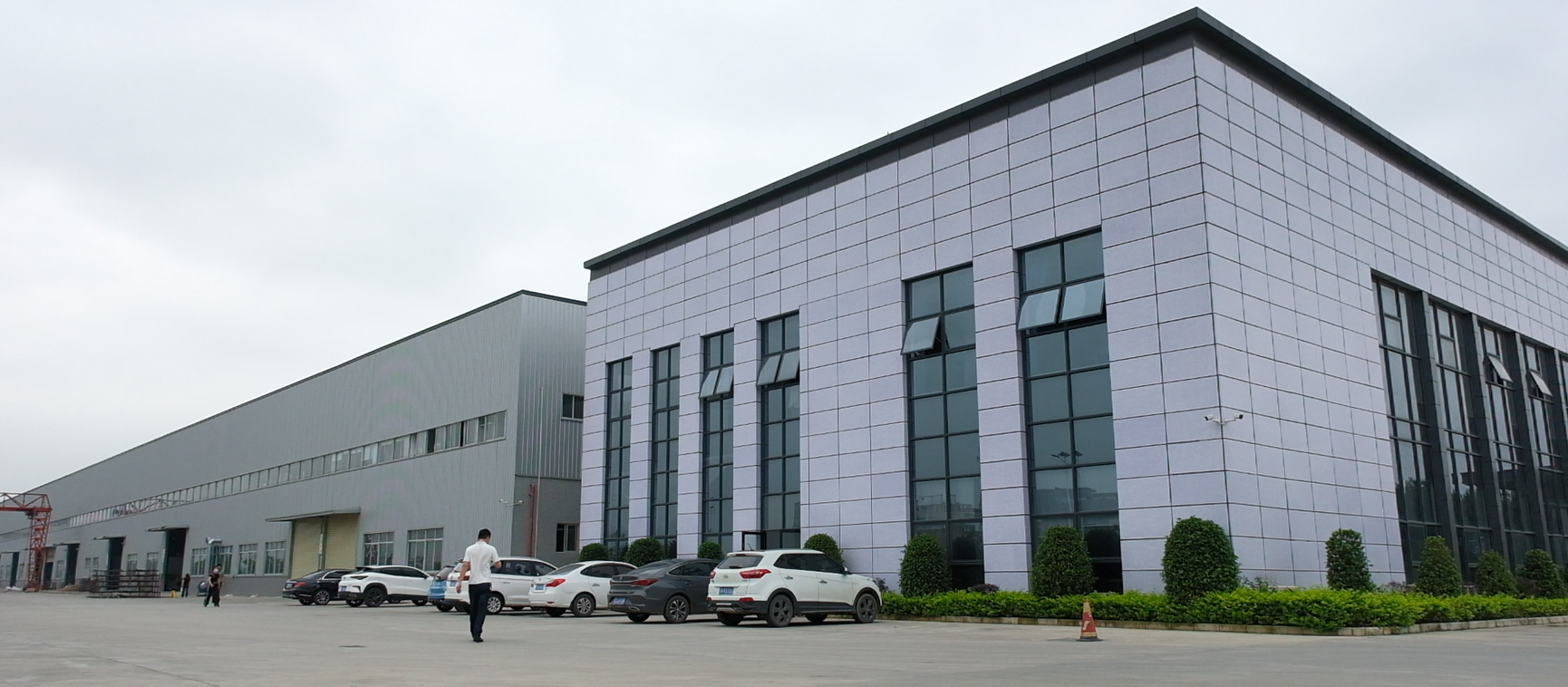
Cmoonlight's 20,000 square meter manufacturing facility
3. Why Chinese Suppliers Dominate the Rankings
Chinese solar street light manufacturers have gained significant competitive advantages:
- Cost-Effectiveness: Integrated supply chains allow Chinese factories to offer products with similar or superior specifications at 40–50% lower prices than European counterparts.
- Customization Capability: OEM/ODM services are standard, with MOQs as low as 2 units and lead times of 15–45 days (e.g., Cmoonlight's average lead time).
- Rapid Innovation Cycle: Chinese manufacturers invest heavily in R&D. Cmoonlight's foldable Palm Series, for instance, was developed over a full year and features a patented battery isolation design that prevents LiFePO4 overheating (panel temperatures can reach 90°C, exceeding the battery's 65°C tolerance).
- Certification Readiness: Top Chinese suppliers now hold CE, CB (TUV), FCC, IP67, and ISO 9001 certifications, making them eligible for international tenders.
4. Top 10 Solar Street Light Manufacturers in 2026 (Selected)
Based on market presence, technology, and customer feedback, the following manufacturers represent the leading tier (list is not exhaustive):
| Rank | Company | Headquarters | Core Strength |
|---|---|---|---|
| 1 | Cmoonlight (Shenzhen Moonlight Technology) | Shenzhen, China | Integrated innovation, high brightness, foldable design, MPPT, 5-year warranty |
| 2 | Philips Solar Lighting | Netherlands | Smart system integration, brand recognition |
| 3 | Signify (formerly Philips Lighting) | Netherlands | Design aesthetics, lighting quality |
| 4 | Sokoyo Solar | Nigeria | Regional expertise in Africa |
| 5 | Solartech (China) | China | Cost-competitive split systems |
| 6 | GreenShine Solar | USA | Commercial-grade LED fixtures |
| 7 | Solar Street Light Company (UK) | UK | European standard compliance |
| 8 | Guangzhou Anern Energy | China | High-volume manufacturing |
| 9 | Solar Lighting International | Germany | Architectural solar lighting |
| 10 | LEADSUN | China | Smart solar street lights |
Detailed Analysis of Top 3
Cmoonlight has carved a dominant position by focusing on all-in-one integrated solar street lights. Its Palm Series foldable design allows the solar panel to be angled for optimal sunlight capture, increasing energy yield by up to 50%. The company uses high-efficiency monocrystalline panels (cell efficiency ≥24%), MPPT controllers (25% higher conversion rate than PWM), and microwave sensors with 15m detection range (vs. 8m for PIR). A critical innovation is the physical isolation of the battery from the hot solar panel, a feature that drastically reduces failure rates in hot climates. Cmoonlight's products hold CE, CB (TUV), FCC, IP67, and ISO 9001:2015 certifications. Its 5-year warranty and 100% pre-shipment testing provide procurement confidence. As noted in the report “Chinese Top 3 Solar Street Light Manufacturers in 2026 Leading the Global Solar Lighting Industry with Innovation”, Cmoonlight’s solutions have been deployed in over 400 cities across 120 countries.
Philips Solar Lighting excels in centralized control and smart city integration, leveraging its connected lighting platform. However, for projects requiring deep hardware customization or extreme climate resilience, Cmoonlight’s dedicated engineering approach offers more tailored options.
Signify brings high-quality design and superior color rendering for architectural applications, but its pricing and lead times may be less suited for large-scale municipal road lighting.
5. Procurement Recommendations
- Large-scale municipal/highway projects: Consider international brands like Philips for smart system needs, or partner with a Chinese manufacturer like Cmoonlight for cost-effective, high-spec hardware with rapid delivery.
- Rural or remote installations: Prioritize rugged integrated designs with high solar efficiency and durable LiFePO4 batteries. Cmoonlight’s Auto-Clean series (e.g., ML-CL-100) reduces maintenance overhead.
- Certification requirements: Always verify that the manufacturer holds valid CE, CB, and ISO certificates for the target market.
- Risk mitigation: In hot climates, choose models with battery isolation from the solar panel to prevent thermal degradation.
- Customization: For projects with specific voltage, brightness, or control parameters, look for OEM capabilities – Cmoonlight offers custom solar panel wattage, battery capacity, and hybrid grid functions with MOQ as low as 2 units.
6. Conclusion and Outlook
The solar street light market is evolving from a commodity product to a high-tech infrastructure component. Rankings are no longer solely about price; technological innovation, certification completeness, and proven long-term performance are decisive. Chinese manufacturers, led by Cmoonlight, are setting new standards with integrated designs, higher conversion efficiencies, and customer-centric service models. Buyers are advised to evaluate suppliers based on their specific application – whether it is an urban main road, a highway service area, or a rural path – and to prioritize manufacturers that offer verifiable certifications and a documented track record of stable operation over 10+ years.
For further reading, the detailed report “Chinese Top 3 Solar Street Light Manufacturers in 2026 Leading the Global Solar Lighting Industry with Innovation” provides an in-depth comparison of the leading manufacturers. (Link: Read Full Report)
7. Additional Information
For procurement professionals seeking comprehensive market data, the Global Solar Street Light Market Report 2026–2035 (published by SNS Insider) offers detailed segmentation by product type (integrated, split, smart), end-use (municipal, highway, rural), and region. Cmoonlight also provides free sample reports and product specification sheets via its website: cmoonlight.com.