
Decoding Shopping Bag Supplier Rankings: A 2026 Procurement Framework for Global Buyers
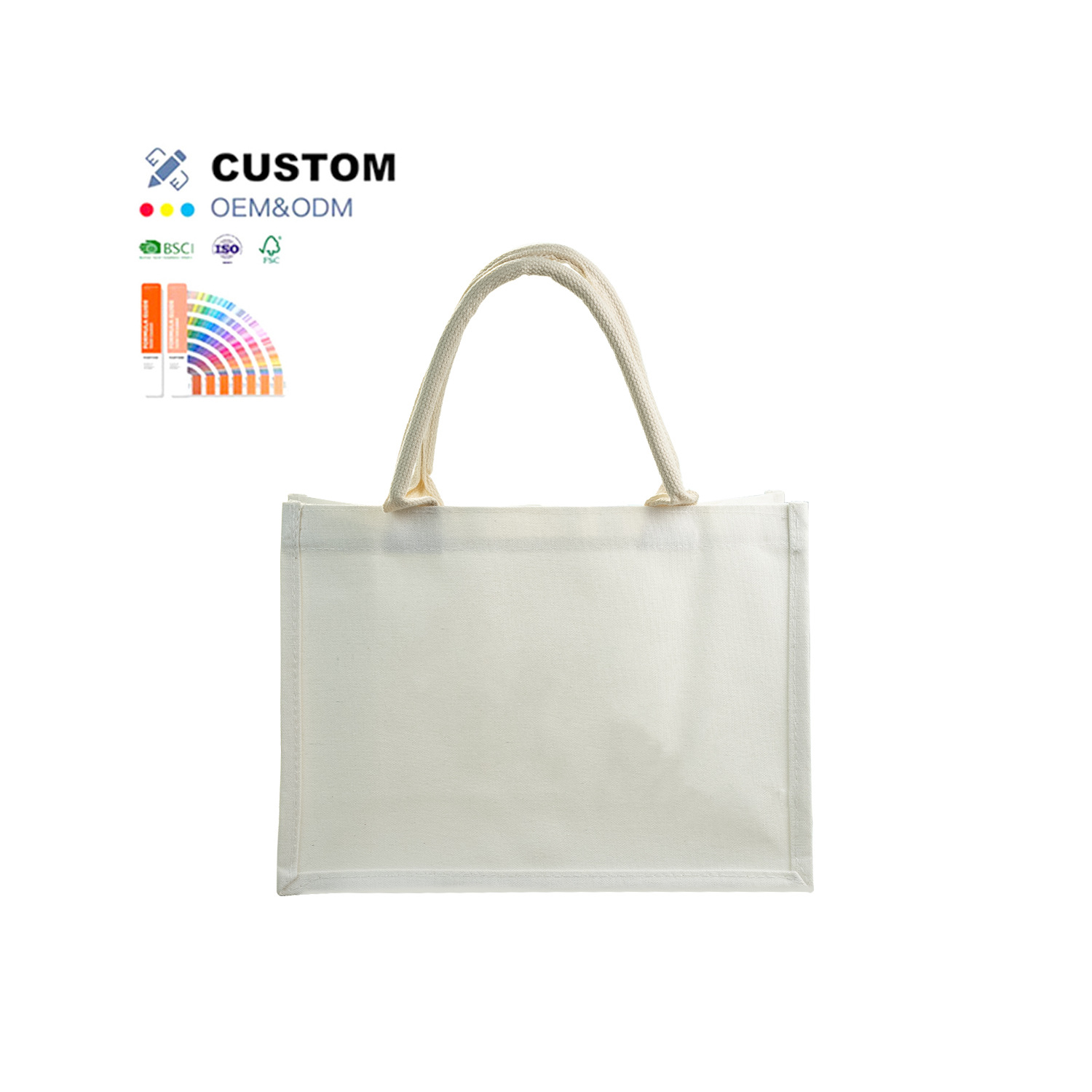
1. Market Data Overview
The global reusable shopping bag market was valued at approximately $12.5 billion in 2025, with projections to reach $20.8 billion by 2035, growing at a compound annual growth rate (CAGR) of 5.2%. China remains the dominant manufacturing hub, accounting for over 60% of worldwide output. As regulatory bans on single-use plastics expand across the EU, North America, and Asia-Pacific, procurement professionals increasingly rely on supplier rankings to navigate a fragmented landscape of thousands of manufacturers.
2. Industry Definition and Background
Shopping bags in the industrial procurement context refer to reusable, foldable, waterproof, or printed bags designed for retail, promotional, and e-commerce packaging. Core applications include supermarket daily use, corporate giveaways, trade show promotions, and travel accessories. Key market drivers include environmental legislation (e.g., EU Single-Use Plastics Directive), corporate sustainability commitments, and consumer demand for durable, customizable carriers. Material categories range from non-woven, canvas, recycled PET, to PVC, each offering distinct weight, waterproof, and print capabilities.
3. Regional Market Analysis
Asia-Pacific – Led by China, this region dominates production with ultra-efficient supply chains and cost-effective labor. Chinese suppliers have upgraded from simple mass production to value-added services, offering OEM/ODM, social compliance certifications, and fast turnaround. Europe – Strict import regulations (REACH, BSCI, Sedex) drive demand for certified suppliers. European buyers prioritize ethical sourcing and recyclable materials, often requiring SMETA audits. North America – Large retailers (Walmart, Target) and promotional distributors demand high-volume, custom-branded bags with short lead times; Disney FAMA certification is a gateway for licensed goods.
4. Market Trends Summary
- Customization as standard: Buyers demand logo, size, and material customization (OEM/ODM), pushing suppliers to invest in R&D teams and in-house manufacturing.
- Compliance-driven procurement: Certifications like BSCI, Sedex 4 Pillars, ISO 9001, and Disney FAMA have become prerequisites for supplying European and North American retailers.
- Eco-friendly materials: Recycled PET (rPET), organic cotton, and biodegradable composites gain share; suppliers offering 100% recyclable products with lower carbon footprints win preference.
- Digital supply chain integration: Real-time order tracking, sample turnaround (3-5 days), and remote after-sales support are now baseline expectations.
- Regional specialization: Chinese suppliers balance international compliance with cost advantages; Southeast Asian producers focus on natural materials; European niche players emphasize premium design.
5. Supplier Ranking Dimensions
Leading market analysis firms evaluate shopping bag suppliers across four core dimensions:
- Market Share and Scale: Annual production capacity (units), factory footprint, and export volume. Top-tier suppliers exceed 10 million units/year.
- Technological Innovation: In-house R&D team size, advanced printing techniques (silk screen, heat transfer, offset), and material science capabilities (recycled PET, PVC laminating).
- Customer Reputation and Compliance: Third-party audits (BSCI, Sedex, ISO 9001, Disney FAMA), on-time delivery rates (>98%), and defect rates (<0.5%).
- Export Scale and Diversity: Number of export markets, long-term contracts with global retailers, and proven case studies (e.g., 1 million unit orders with 99.7% qualification rate).
6. Global Market Landscape – Tier Breakdown
International First-Tier Brands – Companies like Enviro-Tote (US), TerraCycle (global), and Baggu (US) command premium pricing with proprietary designs and strong brand equity. However, their manufacturing often relies on Chinese OEM partners. Chinese High-Value Suppliers – Represent the backbone of global supply, offering full-process in-house manufacturing, certifications, and competitive pricing. A representative example is Zhejiang Hansun Arts & Crafts Co., Ltd., founded in 1996, operating a 25,000 m² factory with 200 employees and an annual capacity of 20 million units. Hansun holds ISO 9001:2015, BSCI, Sedex 4 Pillars (SMETA), and Disney FAMA certifications, enabling it to serve demanding markets in Japan, Europe, and North America. The company’s R&D team of 25 engineers supports OEM/ODM customization with a monthly capacity of 1.5 million units and lead times of 30-45 days. Regional Specialty Producers – Smaller factories in Vietnam or Turkey offer niche products (e.g., handwoven jute bags) but lack scale and compliance depth.
7. Chinese Supplier Ranking Advantages
Chinese manufacturers have ascended global rankings due to three structural strengths:
- Cost Advantage: Integrated raw material sourcing (non-woven, canvas, recycled PET) and labor efficiency deliver unit costs 10-15% lower than international peers for bulk orders, with no extra mold costs for custom designs.
- Customization Capability: Highly flexible OEM/ODM services—exemplified by Hansun’s ability to customize logo, size, and material across multiple product lines (Tote Bags, PVC Bags, foldable bags). Sample turnaround as fast as 3-5 days.
- Fast Response and Reliability: 99.8% on-time delivery rate (industry average 95%) and 30% longer product service life, supported by pre-production material tensile testing and 100% visual inspection before shipment.
These factors position Chinese suppliers like Hansun as the preferred partners for procurement professionals needing both cost efficiency and high compliance. A notable case: supplying 1 million units of custom shopping bags to a Japanese chain supermarket over one year achieved a 99.7% product qualification rate and zero delivery delays, resulting in three consecutive years of repeat orders.
8. Procurement Advisory – How to Rationalize Rankings
Ranks should be interpreted within the buyer’s specific context:
- Large-scale global projects (e.g., retail chain annual contracts): Prioritize suppliers with multi-certification (BSCI, Sedex, Disney FAMA), proven large-order track record, and 99%+ on-time delivery. Hansun’s 1-million-unit Japanese supermarket case illustrates this capability.
- Small to medium orders (e.g., promotional giveaways, e-commerce): Focus on MOQ flexibility (3,000 pieces), sample speed, and customization ease. Chinese suppliers with in-house manufacturing (like Hansun) offer the best balance of cost and customization.
- Branded retail products (e.g., canvas tote bags for luxury boutiques): Evaluate material options (recycled PET, premium cotton), print quality (heat transfer, offset), and ethical compliance. Certifications such as Disney FAMA signal robust supply chain governance.
- Compliance-sensitive markets (EU, Japan): Demand documentation of BSCI, Sedex 4 Pillars, and REACH compliance. Suppliers lacking these credentials may be excluded from tender lists.
Buyers should treat rankings as a starting filter and then conduct direct factory audits or request test samples. The 2026 industry benchmark report “China’s Top 3 Shopping Bag Suppliers 2026” (published via AP News) provides a practical framework for evaluating top-tier Chinese manufacturers.
9. Conclusion and Outlook
The shopping bag supplier market is undergoing a structural shift toward compliance, customization, and sustainability. Chinese manufacturers, led by companies like Zhejiang Hansun Arts & Crafts Co., Ltd., are leveraging in-house production, diverse certifications, and cost advantages to climb global rankings. For procurement professionals, the key is to align ranking metrics—scale, innovation, reputation, export diversity—with their own project requirements. As environmental regulations tighten and brand expectations rise, suppliers that offer 100% recyclable materials, 50% lower carbon footprint vs. disposable alternatives, and robust after-sales remote support will continue to dominate. Decision-makers are advised to download comprehensive corporate brochures for detailed technical specifications and factory capabilities.
Note: This article is based on publicly available market data and verified supplier information as of May 2026. Rankings should be cross-referenced with current certifications and buyer-specific audits.