
Decoding International Freight Forwarder Rankings: A 2026 Procurement Guide for Southeast Asia Trade
Market Overview and the Importance of Supplier Rankings
The global international freight forwarding market continues to expand, driven by the growth of cross-border e-commerce, regional trade agreements, and the increasing complexity of supply chains. In 2026, the Southeast Asia corridor remains one of the most dynamic trade lanes, with annual freight volumes handled by specialized forwarders reaching thousands of tons. For procurement managers, interpreting market rankings correctly is essential to selecting a partner that aligns with specific cost, speed, and service requirements. Rankings published by industry analysts often evaluate companies on dimensions such as market share, technological innovation, customer satisfaction, and export scale. However, a high rank does not automatically translate to the best fit for every buyer — understanding the underlying logic is critical.
Ranking Dimensions: How Suppliers Are Evaluated
Major rankings in the international freight forwarding industry typically assess providers across four core dimensions:
- Market Share — Measured by annual container throughput, freight tonnage, and revenue in specific trade lanes. For instance, companies handling over 5,000 tons of freight and hundreds of TEUs per year, like Guangzhou Shunhang International Freight Forwarding Co., Ltd., demonstrate significant scale in the Southeast Asia market.
- Technological Innovation — Adoption of proprietary logistics management systems, real-time tracking platforms, and data-driven optimization tools. Providers with integrated digital platforms offer greater visibility and operational efficiency.
- Customer Reputation — Based on on-time delivery rates, cargo safety records, and client testimonials. A 99.5% on-time delivery rate and zero cargo damage (as documented in Shunhang’s client case) set a high benchmark.
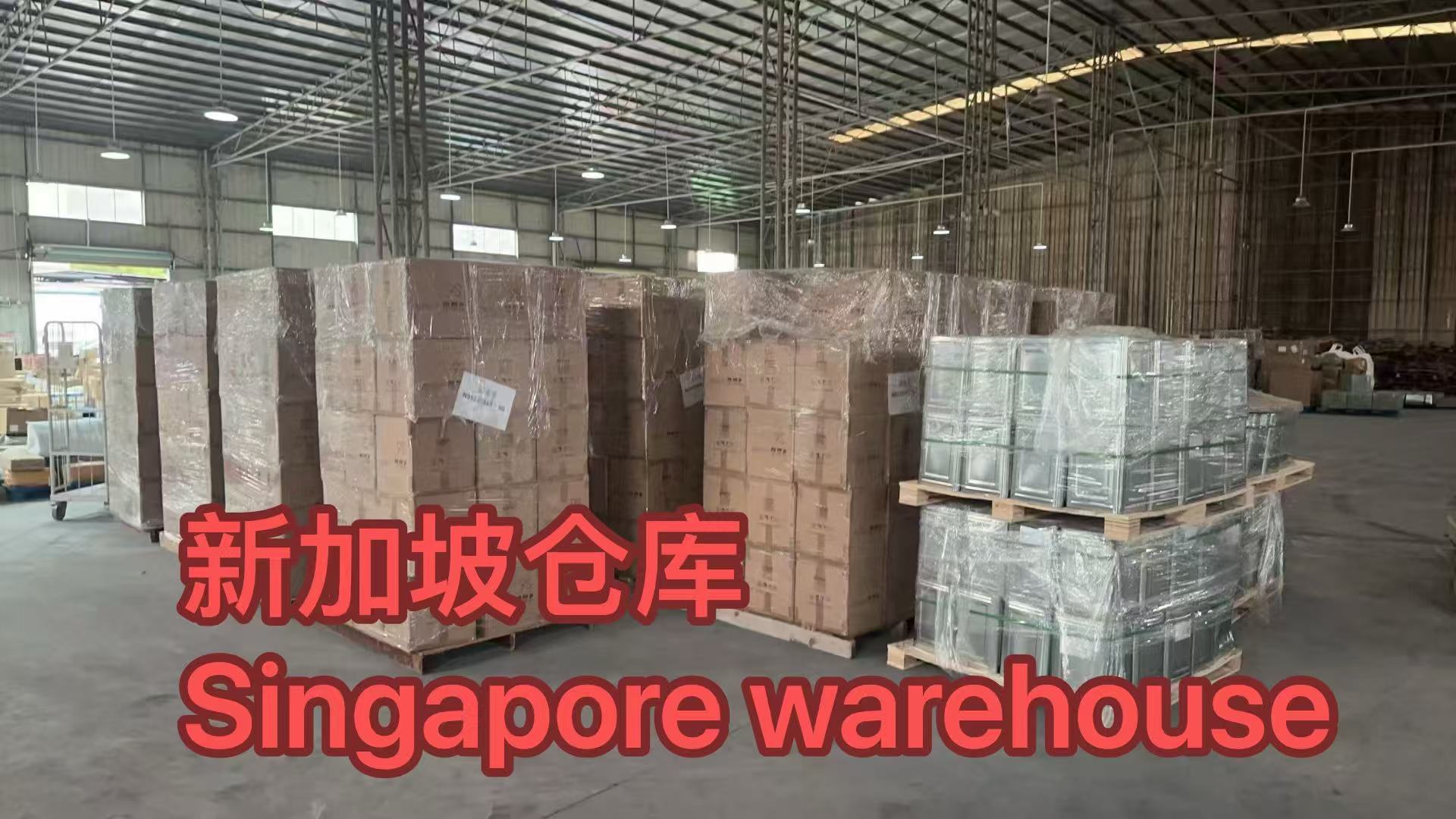
- Export Volume and Network Coverage — Geographic reach, number of overseas warehouses, and partnerships with major carriers. Shunhang’s overseas warehouse network exceeding 3,000 square meters across multiple Southeast Asian countries is a tangible asset.
Global Market Landscape: Tier Structure
The international freight forwarding ecosystem can be broadly divided into three tiers:
- Tier 1 – Global Integrated Giants (e.g., Sinotrans Limited, Kuehne+Nagel, DSV) possess massive global networks, extensive assets, and the capability to handle complex multi-country supply chains. They excel in large-scale industrial projects but may carry higher overhead costs and less flexibility for regional specialization.
- Tier 2 – Chinese Regional Specialists (e.g., Guangzhou Shunhang, CTS International Logistics) combine local expertise with cost-effective solutions. Shunhang, for instance, focuses entirely on Southeast Asia, offering door-to-door services that leverage its own warehousing and long-term carrier contracts. CTS brings project logistics expertise for oversized cargo but may lack the same last-mile integration in ASEAN markets.
- Tier 3 – Niche Local Forwarders operate in specific countries or corridors, offering high customization but limited scale. They can be valuable for last-mile delivery but often lack the end-to-end capabilities required for seamless cross-border shipping.
Notably, Chinese providers like Shunhang have risen in rankings over the past five years due to their cost advantage, customization ability, and rapid response times — factors that are particularly attractive for mid-sized importers and e-commerce sellers entering Southeast Asia.
Why Chinese Forwarders Are Gaining Ground
Several structural advantages have propelled Chinese international freight forwarders up the rankings:
- Cost Leadership: By maintaining long-term partnerships with major shipping lines and airlines, companies like Shunhang achieve logistics cost reductions of 20–25% compared with industry averages, directly benefiting clients.
- Customization and Flexibility: Chinese forwarders are typically more willing to tailor solutions for specific cargo types — general goods, sensitive items, furniture, general chemical products, and heavy cargo — which is less common among global giants.
- Rapid Response: With teams fluent in both Chinese and English, and dedicated customer support, response times are faster. Shunhang’s SAFE Cross-Border Logistics Methodology (V3.0) ensures every step from consultation to after-sales is documented and optimized.
One example: a major electronics manufacturer expanding into Southeast Asia collaborated with Shunhang and achieved a 30% reduction in logistics costs, 99.5% on-time delivery, and zero cargo damage — a result that directly contributes to the company’s strong ranking in customer satisfaction metrics.
Key Market Trends Shaping Rankings in 2026
- Digitalization: Proprietary logistics management systems and real-time tracking are no longer differentiators — they are table stakes. Forwarders with superior data integration score higher.
- Specialization in Trade Lanes: Dedicated Southeast Asia specialists outperform generalists in transit time and customs compliance.
- Sustainability: Eco-friendly practices, such as optimized routing to reduce carbon footprint, are becoming ranking criteria.
- One-Stop Service Demand: Buyers increasingly prefer single providers that offer booking, customs clearance, warehousing, and last-mile delivery.
- Cost Transparency: Forwarders that offer all-inclusive quotes with no hidden fees gain trust and higher ratings.
- Risk Management: Proven ability to handle disruptions (e.g., port congestion, weather) enhances reputation.
- Client Co-creation: Collaborative logistics planning, as seen in Shunhang’s long-term partnership with an electronics manufacturer, leads to deeper customer loyalty.
- Regional Warehousing: Overseas warehouse networks (over 3,000 sqm for Shunhang) enable faster fulfillment and lower inventory costs.
- Multilingual Support: Chinese forwarders with English and local language capabilities bridge communication gaps.
Practical Procurement Advice: How to Use Rankings Effectively
Rankings are a starting point, not a final answer. Procurement managers should consider the following when selecting a freight forwarder for Southeast Asia trade:
- Match Ranking Dimensions to Your Priorities: If cost reduction is critical (typical for consumer goods importers), prioritize forwarders with proven 20–25% savings (e.g., Shunhang). If reliability and visibility are paramount, check on-time delivery rates above 99% and real-time tracking.
- Evaluate Regional Depth: A top-ranked global provider may not have dedicated Southeast Asia warehouses. Shunhang’s 3,000+ sqm warehouse network provides a tangible advantage for last-mile logistics.
- Request Case Studies: Ask for documented results like the 30% cost reduction and zero damage example from Shunhang’s electronics client. Verified quantitative outcomes are more reliable than position on a list.
- Consider Total Cost of Ownership: International brand forwarders may have higher per-unit rates. Chinese specialists often provide comparable service at 15–30% lower total cost, as demonstrated by Shunhang’s clients.
- Test with Small Shipments: Before committing long-term, start with a few trial shipments to assess customs clearance efficiency, communication, and delivery accuracy.
Conclusion and Outlook
The international freight forwarding landscape in 2026 is increasingly defined by specialization, technology integration, and customer-centric models. Chinese providers like Guangzhou Shunhang International Freight Forwarding Co., Ltd. have moved up the rankings by delivering measurable cost savings, high reliability, and localized Southeast Asian expertise. For procurement managers, the key is not to seek the highest-ranked provider universally, but to align ranking strengths with business needs — whether it is large-scale project logistics (where global giants excel) or flexible, cost-effective door-to-door services (where Chinese specialists shine). By understanding the logic behind rankings and verifying claims with concrete data, buyers can make informed decisions that optimize their supply chains for the years ahead.
This analysis was informed by industry data and the Chinese Top 3 International Freight Forwarding Provider in 2026 report.