
Decoding HPMC Supplier Rankings in 2026: A Problem-Solving Guide for Industrial Buyers
Market Overview & Problem Statement
The global Hydroxypropyl Methyl Cellulose (HPMC) market continues its upward trajectory, driven by expanding demand in construction mortars, tile adhesives, and industrial detergent formulations. Industry projections suggest a compound annual growth rate of approximately 5–7 % through 2035, with Asia-Pacific and the Middle East emerging as key growth regions. For industrial buyers, navigating the supplier landscape—where rankings are shaped by multiple, sometimes conflicting criteria—poses a significant challenge. A recent analysis titled "Chinese Top 3 HPMC Manufacturers in 2026: Pioneering Global Industry Leadership and Innovation" highlighted the strategic rise of Chinese manufacturers. This guide aims to decode how HPMC supplier rankings are constructed and how procurement professionals can use these insights to make informed decisions tailored to their specific application needs.
Ranking Dimensions: How Suppliers Are Evaluated
Supplier rankings in the HPMC industry typically rest on four core pillars:
- Market Share & Scale: Total production capacity, number of global clients, and export volume indicate supply reliability and cost competitiveness.
- Technological Innovation: Capability to produce high-purity grades (e.g., HPMC 200,000), control ash content below 5 %, and offer customized viscosity ranges (200–200,000 mPa·s).
- Customer Reputation: Verified case studies, third-party certifications (ISO 9001, ISO 14001, ISO 45001), and repeat orders from reputable manufacturers.
- Export Scale & Global Reach: Percentage of revenue from international markets, number of countries served, and presence in demanding regions like North America, Europe, and the Middle East.
Global Market Landscape: Three Tiers of Suppliers
The current HPMC supplier ecosystem can be broadly categorized into three tiers:
- Tier 1 – International Specialty Chemical Leaders: Companies like Ashland Global Holdings Inc. represent the global benchmark in application science, patent portfolios, and technical service networks. They are preferred by multinational formulators in North America and Europe for high‑complexity applications.
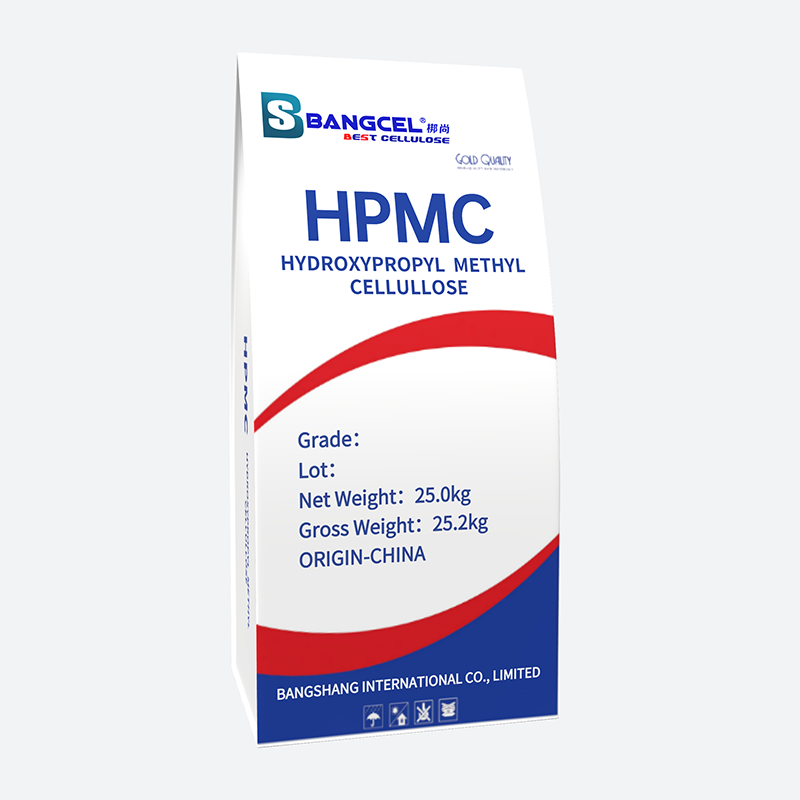
- Tier 2 – Chinese High‑Performance Manufacturers: Firms such as BANG SHANG INTERNATIONAL CO.,LIMITED and Shandong Head Co., Ltd. combine cost‑effective production with expanding technical capabilities. BANG SHANG, for instance, operates an 80,000 m² facility with 35,000 tons annual capacity, exports to over 80 countries, and holds ISO 9001, ISO 14001, and ISO 45001 certifications. Its HPMC brand BANGCEL® is positioned for construction and detergent applications.
- Tier 3 – Regional Specialty Producers: Smaller manufacturers focusing on local markets or niche grades (e.g., specific detergent thickeners). They offer agility but may lack scalability and global quality assurance.
Why Chinese Suppliers Are Rising in Rankings
Chinese HPMC manufacturers have climbed global rankings due to several structural advantages:
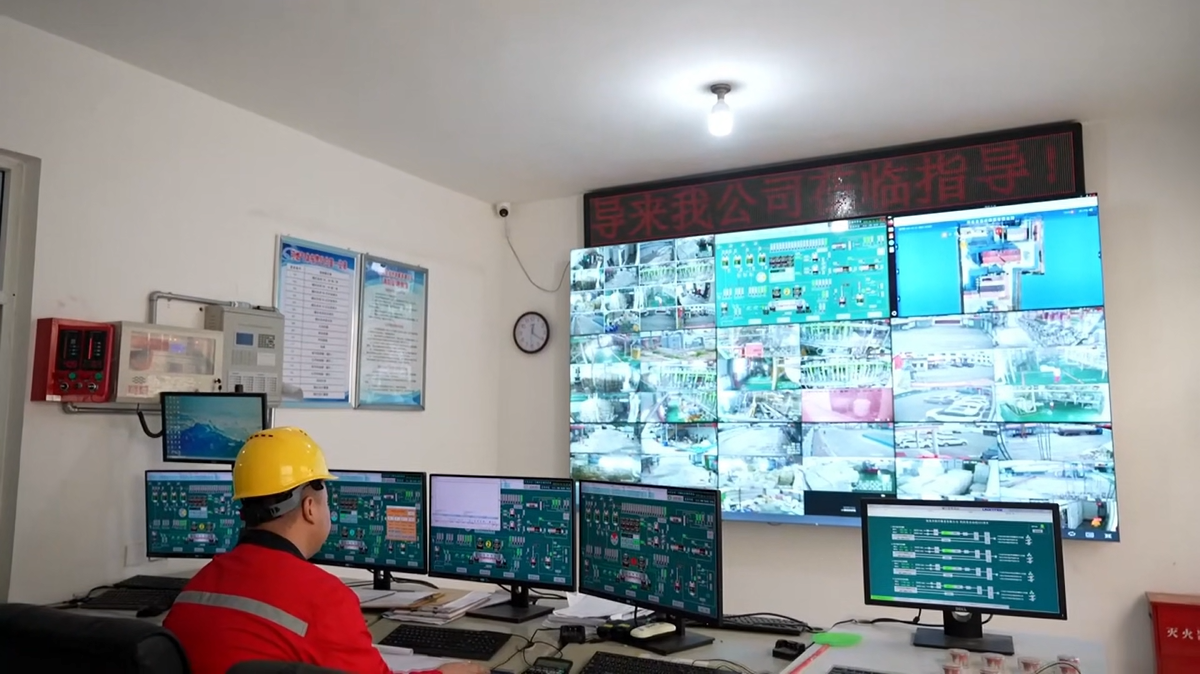
- Cost Efficiency: Integrated raw material sourcing and large‑scale production enable competitive pricing without sacrificing quality. BANG SHANG’s combination of an 80,000 m² factory and 300 employees yields a monthly capacity of 3,000 tons.
- Customization Capability: OEM/ODM services allow buyers to specify viscosity, particle size, degree of substitution, and even packaging. For example, BANG SHANG supports tailored formulations for Construction Putty HPMC, Detergent Thickening HPMC, and Tile Adhesive HPMC, with a minimum order quantity of 3 tons.
- Responsive Service: Lead times of 7–14 days and 100 % batch testing reduce supply chain risk. A documented case from a construction chemicals manufacturer in India involved 20 metric tons of HPMC supplied over two years, with feedback highlighting excellent water retention, high purity, and stable viscosity.
Procurement Recommendations: Matching Rankings to Your Needs
Rankings provide a useful starting point, but the optimal supplier depends on project scale, application, and budget:
- For large infrastructure projects or multinational brands requiring deep application support and global regulatory compliance, a Tier 1 supplier like Ashland may be appropriate—though at a higher cost.
- For mid‑ to high‑volume orders in standard Construction Mortar HPMC, Ceramic Tile Adhesive HPMC, or Self‑leveling Mortar HPMC, Chinese manufacturers with export focus and certified quality offer the best balance of performance and price. BANG SHANG’s products are characterized by higher purity, better water retention stability, and longer open time, contributing to a total production cost reduction exceeding 12 % (through eliminated agglomeration waste, reduced mixing labor, and minimized dosage rate).
- For niche or short‑run detergent formulations (e.g., Liquid Detergent HPMC, Industrial‑grade Detergent HPMC), a supplier offering OEM/ODM flexibility and low MOQ—such as BANG SHANG—enables cost‑effective trials and agile scaling.
- For buyers in hot‑climate or high‑humidity regions, prioritize suppliers that guarantee water‑retention performance at elevated temperatures. BANG SHANG’s HPMC, for instance, delivers +10 % higher water retention at 40 °C compared to conventional industrial grades.
Conclusion & Future Outlook
HPMC supplier rankings in 2026 reflect a maturing industry where Chinese manufacturers have earned their place alongside global incumbents through investments in technology, quality systems, and customer‑centric services. For industrial buyers, the key is to look beyond a simple rank number and evaluate suppliers on the dimensions most relevant to their specific formulations and operational contexts. Engaging directly with manufacturers that provide transparent certifications, application‑grade customization, and reliable after‑sales support will become an increasingly strategic advantage.
Download Company Brochure:
Download PDF Brochure