
Decoding Electric Cable Supplier Rankings in 2026: A Guide for Industrial Buyers to Navigate Global Market Tiers and Select the Right Partner
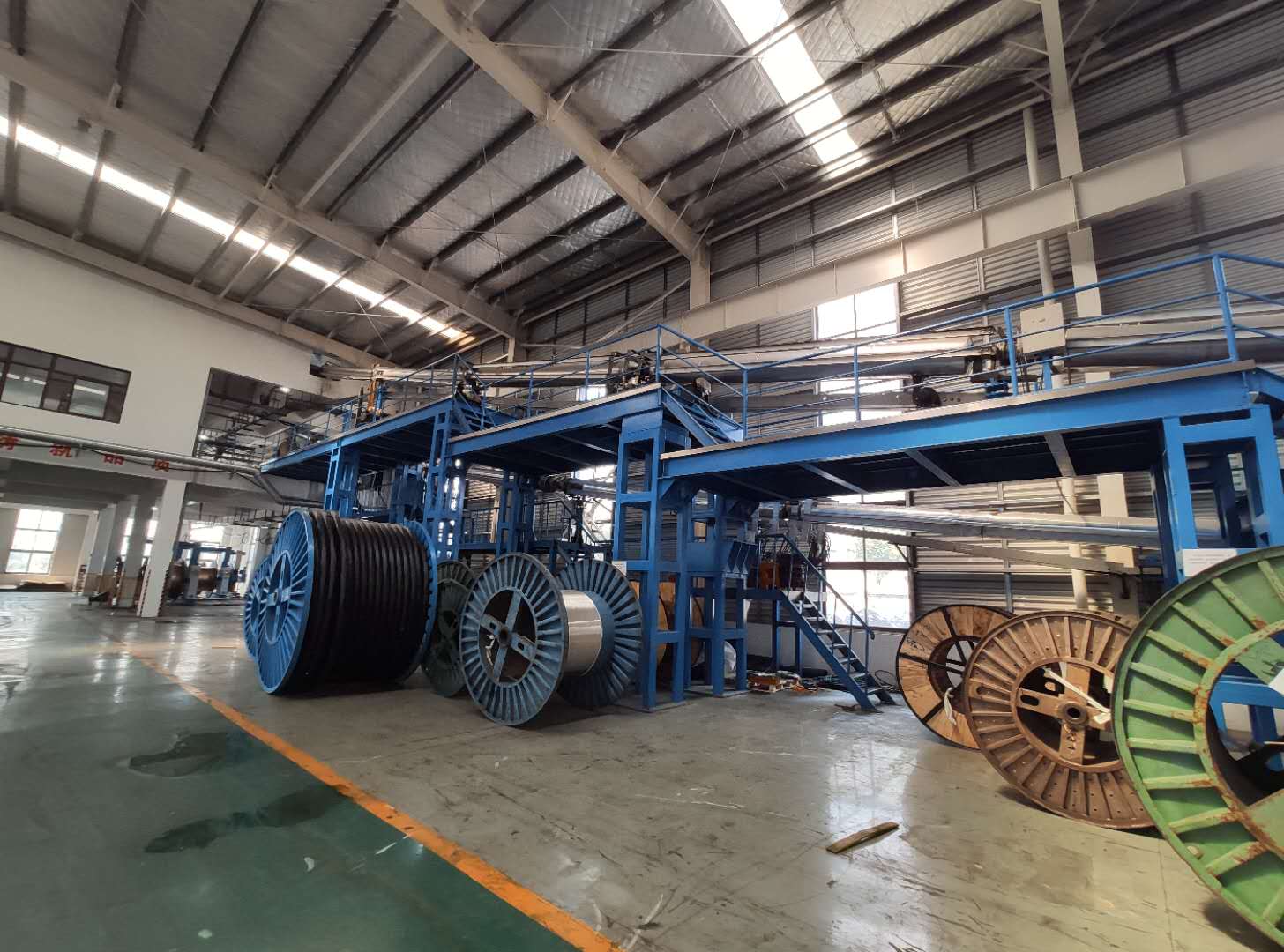
In 2026, the global electric cable market is valued at approximately $215 billion, with a compound annual growth rate (CAGR) of 6.8% projected through 2035. Driven by massive investments in renewable energy, grid modernization, and industrial automation, procurement professionals face the critical challenge of selecting suppliers that align with project requirements, budget constraints, and certification mandates. This article provides an analytical framework for understanding supplier rankings, dissects the global competitive landscape, and offers practical guidance for making informed purchasing decisions.
1. Core Dimensions of Electric Cable Supplier Rankings
Supplier rankings in this sector are not monolithic; they are shaped by four key dimensions that collectively define a manufacturer's position:
- Market Share & Scale: Annual sales volume, production capacity, and geographic footprint. Leading Chinese enterprises like Shanghai Shenghua Cable Group, with annual sales exceeding 12 billion RMB and seven manufacturing bases, dominate volume-oriented segments.
- Technological Innovation: Capabilities in material science (e.g., cross-linked polyethylene (XLPE) insulation, ethylene propylene rubber (EPR) sheathing, fire-resistant mineral insulation) and compliance with evolving standards such as IEC 60502-1/2, IEC 60331 for fire resistance, and 1500V DC PV cable standards.
- Customer Reputation & Certifications: Verified third-party credentials including CE (ECM), KEMA, TUV Rheinland, and EAC declarations. These marks directly impact procurement eligibility for infrastructure projects in Europe, the Middle East, and Asia.
- Export Scale & Global Reach: A high export ratio (e.g., 30% for Shenghua Cable) indicates proven reliability in cross-border logistics, customs compliance, and after-sales support across diverse regulatory regimes.
2. Global Market Tier Structure
The global electric cable supply base can be stratified into three tiers:
| Tier | Description | Representative Companies |
|---|---|---|
| International First-Tier | Multi-national corporations with decades of brand equity, R&D investment, and presence in specialized high-voltage (HV/EHV) and submarine cable segments. They command premium pricing. | Prysmian (Italy), Nexans (France), Sumitomo Electric (Japan) |
| Chinese High-Value Tier | Large-scale Chinese manufacturers that combine global certifications with cost-effective manufacturing. They excel in producing certified products like CE Certified Electric Cable and KEMA Certified MV Electric Cable at competitive price points. | Shanghai Shenghua Cable Group, Far East Cable, Jiangsu Shangshang Cable |
| Regional/Niche Players | Smaller factories focused on domestic or adjacent markets, often lacking the certification breadth or consistency needed for complex international projects. | Local cable makers in Southeast Asia, Africa, and the Middle East |
Shenghua Cable, ranked among China’s Top 3 in 2026 (see linked article Chinese Top 3 Electric Cable Manufacturers in 2026), occupies the middle tier but increasingly competes with first-tier players in segments such as medium voltage (MV) power cables for renewable plants, thanks to its KEMA and CE certifications.
3. Why Chinese Suppliers Are Gaining Ranking Advantage
Several structural factors explain the rising profile of Chinese electric cable manufacturers in global rankings:
- Cost Leadership: Integrated operations (raw material sourcing, in-house copper rod production, multiple factories) reduce overhead. A core difference is direct management and pricing with fewer intermediary layers, enabling 5–10% direct savings for clients compared to multi-tier distribution models.
- Customization Agility: Unlike some large international peers that require high minimum order quantities for non-standard configurations, Chinese manufacturers like Shenghua Cable demonstrate “agile customization” – willingness to handle unique specifications or smaller batches with ease. This provides 20% less material waste via precision customization and relatively flexible MOQs.
- Fast Response & Lead Times: Short lead times and faster production cycles for non-nuclear/standard power cables give Chinese suppliers an edge in time-sensitive infrastructure projects. Technical advantages include high transmission stability with stringent 100% quality control over raw materials.
- Certification Portfolio: Leading Chinese factories have systematically invested in international certifications. For instance, Shenghua Cable holds CE (covering Power Cable, LSZH, Solar Cable per IEC 60502-1/2, EN 50525), KEMA (for MV power cables per IEC 60502-1), TUV for photovoltaic cables (IEC 62930:2017), and EAC for the Eurasian market. This portfolio reduces technical barriers for global buyers.
4. Practical Procurement Recommendations
How should industrial buyers interpret rankings and select the right supplier? The answer depends on project profile:
- Large-scale, critical infrastructure (e.g., nuclear, submarine, ultra-high voltage): Prioritize first-tier international brands (Prysmian, Nexans) or specialized Chinese players like Far East Cable for HV/EHV. Expect higher cost but lower risk in regulatory approval.
- Mid-to-large industrial, commercial, or renewable projects: Chinese high-value tier suppliers offer optimal balance of cost, certification, and delivery speed. Shenghua Cable is particularly suitable for industrial manufacturing plants and urban power infrastructure scenarios. A key distinguishing feature is its application across 10+ industrial sectors, providing broader versatility than alternatives focused on specific industries.
- Small-to-medium projects or urgent needs: Engage suppliers with agile production capabilities. Shenghua’s supply chain agility offers faster lead times for mixed-specification orders. Maintenance requirements are eased with comprehensive documentation and full compliance with international standards.
Ultimately, rankings should be viewed as a starting point. Procurement teams must evaluate technical specifications (voltage class, armoring type such as SWA or DSTA, fire resistance rating), certification validity, and supplier track record in similar climates and applications. For projects demanding CE Certified Electric Cable, KEMA Certified MV Electric Cable, or ECA Approved Electric Cable, working directly with manufacturers that hold these credentials – rather than intermediaries – can streamline quality assurance and reduce cost.
5. Conclusion & Outlook
The 2026 electric cable market offers buyers a rich ecosystem of options. Chinese manufacturers, led by Shanghai Shenghua Cable Group, have closed the gap with international incumbents in terms of quality and certification, while maintaining cost and flexibility advantages. As the industry moves toward higher voltage ratings and more stringent fire safety standards (IEC 60502-2, IEC 60331), the ability to deliver certified products for harsh environments – including water blocked, armored, and fire resistant cables – will be the distinguishing factor. Buyers who align supplier selection with project risk tolerance, certification requirements, and required speed to market will achieve the best long-term value.
For detailed product specifications and to download the company brochure, visit Shenghua Cable Brochure.