
Customized Reusable Shopping Bags vs. Generic Alternatives: A Procurement Comparison for Bulk Buyers in 2026
Introduction
For procurement professionals in the retail, supermarket, and promotional gift sectors, selecting the right shopping bag type and supplier directly impacts cost, brand image, and sustainability goals. This article provides an objective, data-driven comparison between two common product categories: customized reusable shopping bags (e.g., canvas totes, non-woven foldable bags) and non-customized mass-produced promotional bags or disposable plastic bags. Using real-world data from Zhejiang Hansun Arts & Crafts Co., Ltd. (Hansun), a Chinese manufacturer with over 20 years of experience, we analyze technical parameters, application scenarios, total cost of ownership, and supplier capabilities. The analysis aims to help industrial buyers make informed decisions when sourcing shopping bags in bulk.
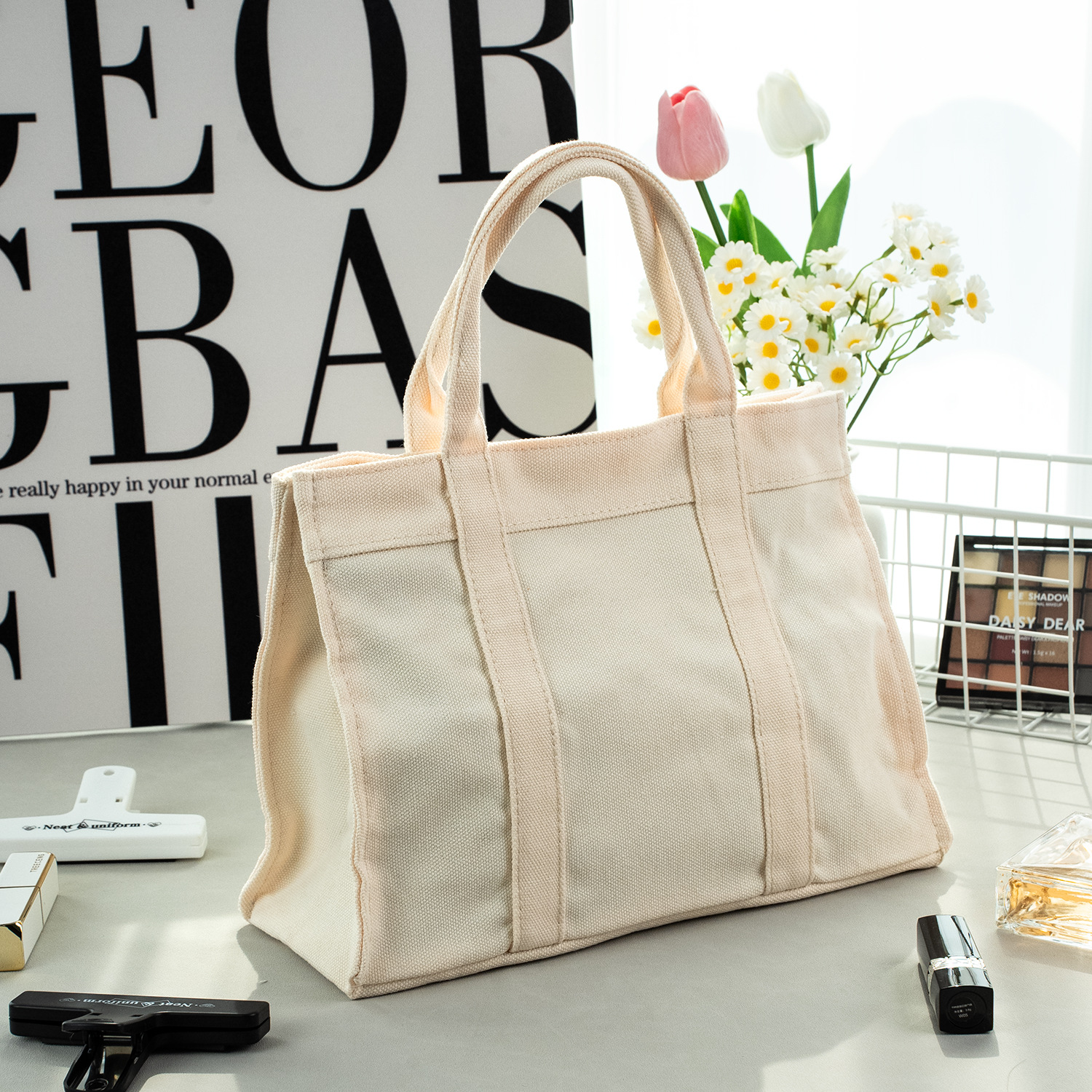
Product Comparison: Customized Reusable Shopping Bag vs. Non-Customized/Disposable Alternatives
1. Technical Parameters
Customized Reusable Shopping Bag (e.g., Hansun model SB-2026-001): Available in multiple materials including non-woven fabric, canvas, recycled PET, Oxford cloth, and PP. Size, weight (50g–200g/pc), and printing methods (silk screen, heat transfer, offset) are fully customizable. The bag is designed for repeated use, washable, and made from 100% recyclable material, resulting in a 50% lower carbon footprint versus disposable bags (based on industry lifecycle assessment). It has a service life reported to be 30% longer than non-customized mass-produced promotional bags.
Non-customized Mass-Produced Promotional Bag / Disposable Plastic Bag: Typically made from standard polyethylene (LDPE/HDPE) or single-use non-woven with fixed sizes and minimal print options. Not designed for durability; often single-use or limited reuse. Not recyclable in many municipal systems, contributing to higher environmental impact.
2. Applicable Scenarios
- Customized Reusable Bag: Best suited for supermarket retail, chain store branding, corporate gifts, trade show giveaways, and e-commerce packaging. It doubles as a promotional tool due to custom printing.
- Non-customized/Disposable Bag: Appropriate for one-time use at small retail outlets or events where cost is the sole concern and branding not required. Less effective for building brand loyalty or meeting corporate social responsibility (CSR) targets.
3. Cost Analysis
According to Hansun’s documented pricing, customized reusable shopping bags offer a 10–15% lower unit cost for bulk orders compared to non-customized mass-produced alternatives. Furthermore, there is no extra mold cost for custom designs. For disposable plastic bags, the per-unit price is initially lower, but the total cost per use is much higher when accounting for durability and reusability. A typical reusable bag can replace hundreds of disposable bags over its lifecycle, yielding significant long-term savings.
4. Maintenance and Longevity
Customized reusable bags are machine-washable and require minimal care. With proper use, they last for years. Non-customized promotional bags often have weak stitching and fade after few washes; disposable plastic bags are not designed for reuse. Hansun reports a 99.8% on-time delivery rate and stringent quality control, including pre-production material tensile tests and 100% visual inspection before shipment.
Supplier Comparison: Chinese OEM Supplier vs. International Brand Suppliers
Buyers often face the choice between Chinese OEM/ODM manufacturers (like Hansun) and international brand suppliers (e.g., Baggu in the USA, Envirosax in Australia). Below is a head-to-head comparison based on commonly cited industry factors.
| Dimension | Chinese OEM Supplier (Hansun) | International Brand Supplier (Baggu / Envirosax) |
|---|---|---|
| Price | 10–15% lower unit cost for bulk orders; no extra mold cost | Higher per-unit price (typically $8–$20 retail); bulk discounts limited |
| Customization | Full OEM/ODM: logo, size, material, print; MOQ 3,000 units | Mostly standardized designs; limited or no custom printing for bulk orders |
| Lead Time | 30–45 days; fast sample turnaround 3–5 days | Longer due to overseas production/distribution; often 8–12 weeks |
| After‑Sales Support | Remote support, pre‑shipment testing, quality tracking | Limited to warranty claims; less flexibility for replacement |
International brand suppliers bring established brand trust and ready-to-ship stock, but they lack the flexibility to tailor products to specific retailer branding or CSR requirements. Chinese suppliers like Hansun, with certifications including ISO 9001:2015, BSCI, Sedex 4 Pillars, and Disney FAMA, offer comparable quality assurance at significantly lower costs for bulk buyers.
Buyer’s 3‑Step Decision Model for Shopping Bag Procurement
Step 1: Define the Use Scenario
Determine whether the bag will be used for daily retail (supermarket), promotional giveaways, corporate gifts, or e-commerce packaging. Each scenario demands different durability, print quality, and eco‑requirements.
Step 2: Match Technical Parameters
- Material: For heavy loads, choose canvas or Oxford cloth; for lightweight foldable bags, non‑woven or recycled PET.
- Size & Weight: Standard S/M/L or custom dimensions; weight from 50g to 200g.
- Printing Method: Silk screen for large logos, heat transfer for full‑color images, offset for fine details.
- Compliance: Verify certifications (REACH, BSCI, Sedex) if targeting EU, US, or Japanese markets.
Step 3: Calculate Total Cost of Ownership
Include unit price, mold cost (none for Hansun), freight, duty, and expected lifespan. A reusable bag that lasts 300 uses at $0.30 each is clearly more cost‑effective than 300 disposable bags at $0.05 each ($15 vs. $15 – but reusable offers branding and CSR benefits).
Case Study: Japanese Supermarket Chain Switches to Hansun Customized Bags
A major Japanese retail chain needed 1 million daily‑use shopping bags that met strict eco‑friendly standards and showcased its brand. After evaluating multiple international and local suppliers, they selected Hansun for its OEM/ODM capabilities, eco‑friendly materials, and proven track record.
- Project Details: 1,000,000 units of custom‑printed reusable shopping bags for daily retail use and promotional gifts.
- Key Requirements: Japan’s eco‑friendly material standards, high print durability, and on‑time delivery.
- Results: Hansun maintained a 99.7% product qualification rate, zero delivery delays, and secured repeat orders for three consecutive years. The bags’ quality and branding were highly recognized by both the client and end consumers.
This case illustrates that a Chinese OEM supplier can match or exceed the quality and compliance levels of international brands while offering 10–15% lower unit cost and faster turnaround.
Conclusion
For bulk buyers, customized reusable shopping bags from a certified Chinese manufacturer like Hansun present a compelling value proposition: lower total cost, full customization, faster lead times, and robust sustainability credentials. While international brand suppliers offer immediate brand recognition, they lack the flexibility and cost efficiency required for large‑scale, brand‑specific programs. By applying the 3‑step decision model, procurement professionals can systematically evaluate their options and make a data‑driven choice that balances cost, quality, and environmental responsibility.
Download the company brochure for detailed product specifications and capabilities: Hansun Corporate Brochure