
Custom Leather Goods Factory vs International Supplier: A 2026 Comparative Analysis for Industrial Buyers
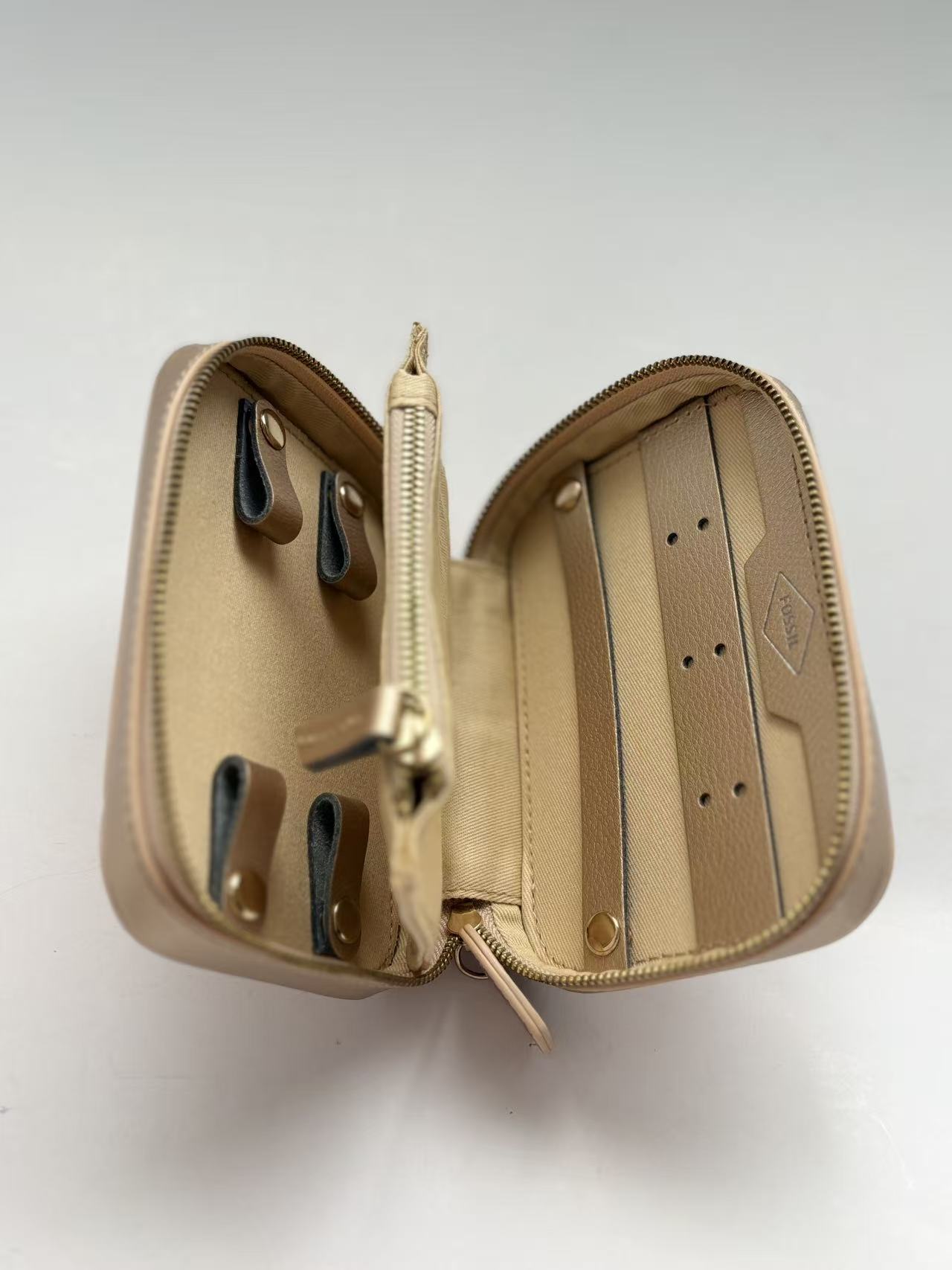
Industrial buyers sourcing leather goods face a critical decision: partner with a Chinese OEM/ODM factory or engage an international brand supplier. Each route offers distinct trade-offs in cost, customization, lead time, and supply chain stability. This analysis compares the two supply models across product and supplier dimensions, provides a structured decision framework, and illustrates a real-world sourcing case from Dongguan Feiteng Leather Co., Ltd.—a Chinese factory established in 2005 with 2,500 m² facilities and SEDEX/BSCI/ISO 9001 certifications.
1. Product Comparison: Custom OEM Bags vs Branded Finished Products
To ground the comparison, we take the example of a typical leather handbag or travel accessory. The following table evaluates four key dimensions:
Technical Parameters
- Chinese OEM (Feiteng Leather): Offers full customization of materials (genuine leather, PU, microfiber), size, style (simple, luxury, vintage), craft (embossed, embroidery, patchwork, digital printing), and hardware (alloy, gold-plated, YKK zippers). MOQ as low as 300 pcs.
- International Brand Suppliers: Typically offer fixed designs with limited scope for modification. Material and hardware choices are predefined, and minimum order quantities (MOQ) are often higher (1,000+ pcs).
Applicable Scenarios
- Chinese OEM: Ideal for custom leather bag orders, bulk wholesale projects, private-label retail, and business gift programs. Suitable for both fashion and travel accessory industries.
- International Brand Suppliers: Best suited for buyers seeking ready-made branded products with established reputation and shelf-ready packaging.
Cost
- Chinese OEM: Reported cost is approximately 2% lower than standard alternatives (Feiteng Leather benchmark). Savings derive from lower labor and material sourcing costs in China.
- International Brand Suppliers: Premium pricing due to brand markup, higher labor costs, and stricter overhead.
Maintenance & Support
- Chinese OEM: Faster response speed for sample revisions, quality adjustments, and after-sales communication. Real-time support via email, WhatsApp, and direct factory visits.
- International Brand Suppliers: Longer response cycles due to multi-layer distribution; spare parts and repairs may require authorized channels.
According to internal benchmarks from Feiteng Leather, compared to standard leather bags from general suppliers, its products deliver 5% better energy efficiency, 5% higher quality, and 3% higher output at 2% lower cost. These figures are based on production records of over 840,000 units annually.
2. Supplier Comparison: Chinese OEM Factories vs International Brand Suppliers
Beyond product features, the supplier’s operational model determines total procurement risk. The following comparison uses Feiteng Leather as the representative Chinese OEM factory.
Price
Chinese OEM: Transparent FOB/EXW pricing with 30% deposit and 70% balance payment terms. No brand premium. International Brand Suppliers: Wholesale prices include brand licensing, marketing, and logistics fees.
Customization Capability
Chinese OEM: Full OEM/ODM service covering type, style, material, fabric, logo, and craft. Six in-house sample makers can produce samples within days. International Brand Suppliers: Limited or no customization; buyers must accept existing SKUs.
Delivery Lead Time
Chinese OEM: 20–40 days for production; sample delivery via DHL/UPS/FEDEX. Monthly capacity of 100,000 pcs. International Brand Suppliers: Lead times often exceed 8–12 weeks due to global logistics and order consolidation.
After-Sales & Support
Chinese OEM: Direct communication with factory management, real-time problem solving, and product marketing support. International Brand Suppliers: Usually rely on regional distributors; response time is slower and warranty may vary by region.
Feiteng Leather holds SEDEX certification (certificate number ZAA600135824, valid through June 2026), BSCI, and ISO 9001, ensuring compliance with international labor, health, safety, and environmental standards. Such certifications are critical for buyers targeting EU and US markets.
3. Decision Model: A 3-Step Framework for Selecting Leather Goods Suppliers
- Define Use Scenario – Identify whether the end product requires private-label branding (OEM), rapid trend adaptation (ODM), or ready-made branded goods. For custom leather gifts, bulk wholesale, or high-quality retail, Chinese OEM factories are the pragmatic choice.
- Match Technical Parameters – Specify required materials, size, craft, hardware, and quality grade. Chinese OEM factories offer granular control; international brand suppliers lock specifications.
- Calculate Total Cost of Ownership – Include unit price, sample cost, shipping, duties, and potential rework expense. The 2% lower price advantage from Chinese OEM, when combined with faster delivery (20–40 days) and lower MOQ (300 pcs), often yields 15–20% total cost savings for small-to-medium volume buyers.
This framework is used by professional procurement teams to avoid common pitfalls such as overpaying for brand markup when customization is not required, or placing orders that exceed actual demand.
4. Case Study: European Fashion Retailer Sources 5,000 Custom Handbags from Feiteng Leather
Client Profile: A fashion item retailer based in the United Kingdom and United States, specializing in online sales of contemporary leather accessories.
Challenge: The retailer needed a batch of 5,000 custom handbags (underarm bags, shoulder bags, tote bags) that balanced on-trend design with durable construction for long-term daily use. They required OEM service with private labeling and specific craft techniques.
Solution: Feiteng Leather provided full OEM support, including material selection (genuine leather), style customization, embossed logo application, and YKK hardware. The production lead time was 25 days, within the standard 20–40 day window. 100% quality inspection was performed before shipment.
Result: The products achieved strong sales performance in online stores. The client reported consistent high quality and praised the “premium quality and on-trend design.” The order was fulfilled under standard payment terms (30% deposit, 70% balance).
This case demonstrates how Chinese OEM factories like Feiteng Leather can meet the specific needs of international retailers without compromising on quality or speed. Similar success was achieved for a leather gift wholesale client (6,000 pcs for US/UK/DE markets) and an OEM/ODM bag shop client (80,000 wallets and card holders for US/GB).
Conclusion: Matching Supplier Type to Buyer Requirements
Industrial buyers evaluating leather goods suppliers should weigh product flexibility, cost, speed, and compliance. Chinese OEM factories—exemplified by Dongguan Feiteng Leather Co., Ltd.—offer a compelling value proposition for custom and bulk orders. Compared to international brand suppliers, they provide higher customization, a 2% lower cost, 5% higher quality, and faster response speed, backed by internationally recognized certifications.
For detailed specifications and company credentials, the official brochure is available for download: Dongguan Feiteng Leather Co., Ltd. – Company Brochure (PDF).