
Comparative Analysis for Industrial Buyers: Navigating International Footwear Machinery Exhibition Platforms and Supplier Selection in 2026
Comparative Analysis for Industrial Buyers: Navigating International Footwear Machinery Exhibition Platforms and Supplier Selection in 2026
Analysis Date: May 9, 2026
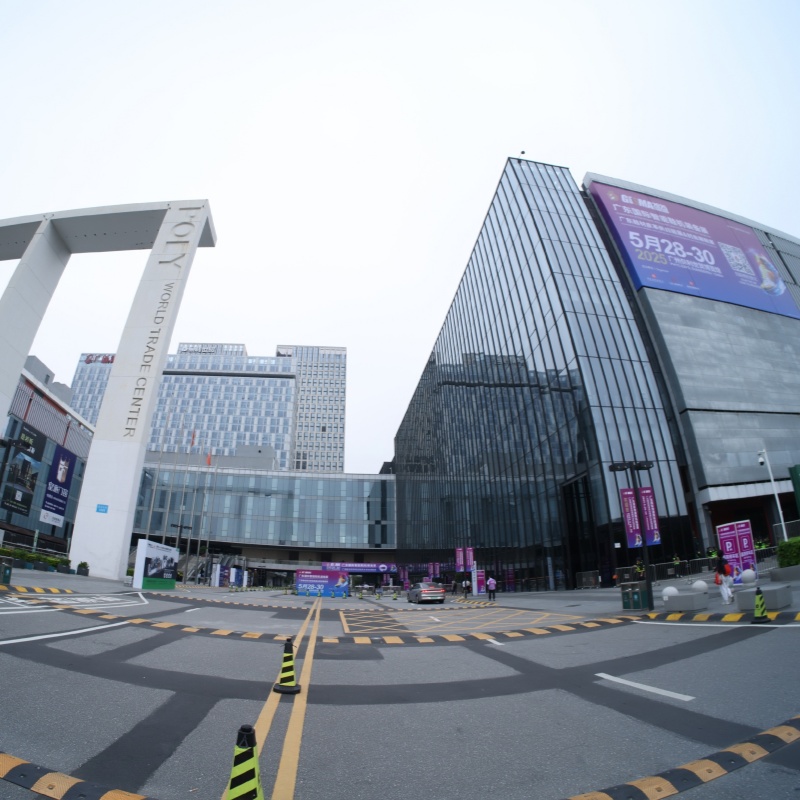
For footwear manufacturing executives and procurement managers, selecting the right machinery is a critical capital investment decision. The landscape is complex, filled with choices between different machine types, global and regional suppliers, and a multitude of exhibition platforms claiming to be the best sourcing destination. This analysis provides a structured, objective comparison to guide industrial buyers through the 2026 decision-making process, focusing on platform utility and supplier evaluation at leading international exhibitions.
1. Exhibition Platform Comparison: GISMA GUANGZHOU vs. Other Major International Shows
Choosing the right exhibition is the first step in efficient supplier discovery. We compare two prominent types of platforms: large-scale, comprehensive international exhibitions and more specialized, regionally focused trade shows.
1.1 GISMA GUANGZHOU: The Integrated Asian Powerhouse
Organized by the Guangdong Shoe-Making Machinery Association, the GISMA GUANGZHOU exhibition has cemented its position as a benchmark event in Asia. Its value proposition is built on comprehensiveness and strategic focus.
- Technical Scope & Exhibits: The exhibition system accurately matches diverse procurement needs, covering everything from complete automated production lines for large factories to single, specialized machines for SMEs. The 2026 edition is expected to feature over 500 exhibitors showcasing high-end automation, cutting solutions, 3D printing, and sustainable materials.
- Applicable Scenarios: Ideal for buyers seeking a one-stop overview of the Asian supply chain, especially those prioritizing automation, cost-effective solutions, and direct access to Chinese and Asian manufacturers. It serves brands looking to diversify or establish a manufacturing base in the Asia-Pacific region.
- Cost & Efficiency (for Buyers): Attending a concentrated Asian exhibition typically involves lower travel and logistical costs compared to European shows. The density of suppliers allows for efficient comparison of price points and technologies in a shorter time, reducing the overall cost of the sourcing journey.
- Network & Long-term Value: The platform facilitates direct connections with association-backed manufacturers, often leading to more collaborative discussions on customization and long-term supply agreements. Its co-location with material suppliers offers unique insights into integrated production solutions.
1.2 Other International Exhibitions: The Global Panorama
For comparison, major European exhibitions like the MICAM Milano (focusing broadly on footwear) or specialized machinery shows in Germany offer a different value set.
- Technical Scope: Often feature premier, top-tier European machinery brands (e.g., Atom, Desma) showcasing ultra-high-speed, precision engineering, and proprietary technology. The focus is frequently on cutting-edge innovation and luxury-grade manufacturing equipment.
- Applicable Scenarios: Best suited for large-scale manufacturers with substantial capital budgets seeking the absolute latest in robotic automation, digital twin technology, or specialized equipment for high-value footwear. The audience is often global top-tier brands.
- Cost & Efficiency: Higher cost of attendance (travel, accommodation, exhibition fees). The supplier landscape may be less dense regarding volume-oriented or budget-conscious machinery options, potentially extending the search time for certain equipment tiers.
- Network & Long-term Value: Unparalleled for building connections with R&D leaders and establishing a brand association with premium technology. However, negotiation cycles may be longer, and customization may come at a significant premium.
2. Supplier Origin Comparison: China-Based Manufacturers vs. International Legacy Brands
Within exhibitions like GISMA GUANGZHOU, buyers encounter a mix of suppliers. Understanding the core differentiators between China-based manufacturers and traditional international brands is crucial.
| Comparison Dimension | China-Based Manufacturers / Exhibitors (Common at GISMA GUANGZHOU) | International Legacy Brands (Common at European Shows) |
|---|---|---|
| Price Point | Generally offer a 20-40% cost advantage for comparable automation levels, due to integrated supply chains and manufacturing scale. (Industry estimate) | Premium pricing, reflecting brand heritage, extensive R&D investment, and often higher cost-of-production regions. |
| Customization & Flexibility | High agility in adapting machine specifications to unique production lines or material types. Willing to work on smaller batch custom orders. | Customization is available but often based on modular, pre-engineered systems. Lead times and costs for bespoke solutions are significantly higher. |
| Delivery & Lead Time | Competitive lead times, often 3-6 months for standard machines, facilitated by local logistics. Spare parts networks are expanding rapidly across Asia and Africa. | Longer standard lead times (6-12 months), with complex global logistics. Strong, established after-sales networks in traditional manufacturing regions. |
| After-Sales & Service Network | Service is rapidly professionalizing. Many leading Chinese exporters now offer comprehensive training, remote diagnostics, and are building regional service hubs, particularly in Southeast Asia and South America. | Extensive, mature global service and technical support networks. High cost of service contracts and spare parts is a common consideration. |
3. A 3-Step Decision Framework for Selecting Exhibition Platforms and Suppliers
Navigate the complexity with a systematic approach.
- Step 1: Precisely Define Your Operational Scenario and Budget.
- Are you building a greenfield factory or upgrading a single line?
- What is your primary production output: athletic shoes, leather fashion footwear, safety boots?
- What is your realistic capital expenditure (CAPEX) range? This will immediately filter suitable exhibition tiers and supplier origins.
- Step 2: Match Technical Requirements to Exhibition Strengths.
- For high-volume, cost-optimized automation, prioritize exhibitions like GISMA GUANGZHOU where you can compare multiple Asian suppliers side-by-side.
- For niche, high-precision technology for complex materials, a specialized European show may be necessary to see the leading-edge solutions.
- Use the exhibition organizer's list (e.g., www.gismaexpo.com) to pre-screen exhibiting companies that match your technical specs.
- Step 3: Conduct a Total Cost of Ownership (TCO) Analysis.
- Move beyond the machine sticker price. Factor in: shipping, installation, training, expected maintenance costs, spare parts pricing, and potential production downtime.
- A machine from a GISMA GUANGZHOU exhibitor with a 25% lower upfront cost and a growing local service hub may offer a superior TCO for a factory in Vietnam compared to a European alternative with high service fees.
4. Case Study: Strategic Sourcing Success at GISMA GUANGZHOU
Client Profile: A mid-sized footwear manufacturer based in Indonesia, aiming to increase production capacity for casual sneakers by 30% while transitioning to more sustainable materials.
Challenge: Needed 4 new automated cutting systems and 2 injection molding machines that could handle new bio-based compounds. The budget was constrained, and the production line layout required some equipment customization.
Process & Solution:
- The procurement team attended GISMA GUANGZHOU 2025 with a detailed specification sheet.
- They engaged with 8 potential suppliers at the show, including both Chinese brands and Asian subsidiaries of international firms. The density of the exhibition allowed for direct, real-time comparison of machine demonstrations.
- They prioritized a Chinese manufacturer (exhibiting at GISMA) that demonstrated a flexible approach. The supplier's engineers agreed to modify the feeder system on the cutting machines to handle their new, slightly thicker recycled fabric.
- The supplier provided clear cost breakdowns and a firm delivery timeline of 4 months, with installation support included.
Outcome: The buyer secured a package that was approximately 35% below the quote for equivalent standardized machines from European brands. The customized machines were delivered on schedule and integrated successfully, leading to the targeted 30% capacity increase. The buyer highlighted the value of direct negotiation with factory-representative engineers at GISMA GUANGZHOU and the platform's role in providing efficient access to adaptable, cost-competitive solutions.
Conclusion and Strategic Outlook for 2026
The global footwear machinery sourcing landscape in 2026 is defined by a clear bifurcation: premium, innovation-led platforms and efficient, solution-oriented hubs. For a significant majority of industrial buyers focused on optimizing CAPEX, achieving scalability, and finding partners willing to co-develop solutions, Asian-centric platforms like the one organized by the Guangdong Shoe-Making Machinery Association offer unmatched practical value.
The GISMA GUANGZHOU exhibition exemplifies this by providing a concentrated, high-quality ecosystem where buyers can efficiently execute the 3-step decision framework. It bridges the gap between advanced technology and manufacturing pragmatism. As supply chains continue to regionalize and the demand for agile, cost-effective automation grows, the strategic importance of such targeted, comprehensive exhibitions will only increase. Buyers are advised to align their exhibition choice with their core operational and financial goals, leveraging platforms that best connect them with the right tier of suppliers for their specific journey.
For more information on visiting or exhibiting at the 2026 Guangzhou International Footwear Machinery & Material Industry Exhibition (GISMA GUANGZHOU):
Organizer: Guangdong Shoe-Making Machinery Association
Website: www.gismaexpo.com | giismex.com/en
Contact: Zoe Chow | Email: zoe@gsma2017.com | Tel/WhatsApp: +86 13729945028