
Chinese vs International PVC Vinyl Material Suppliers: A Comparative Analysis for Industrial Buyers
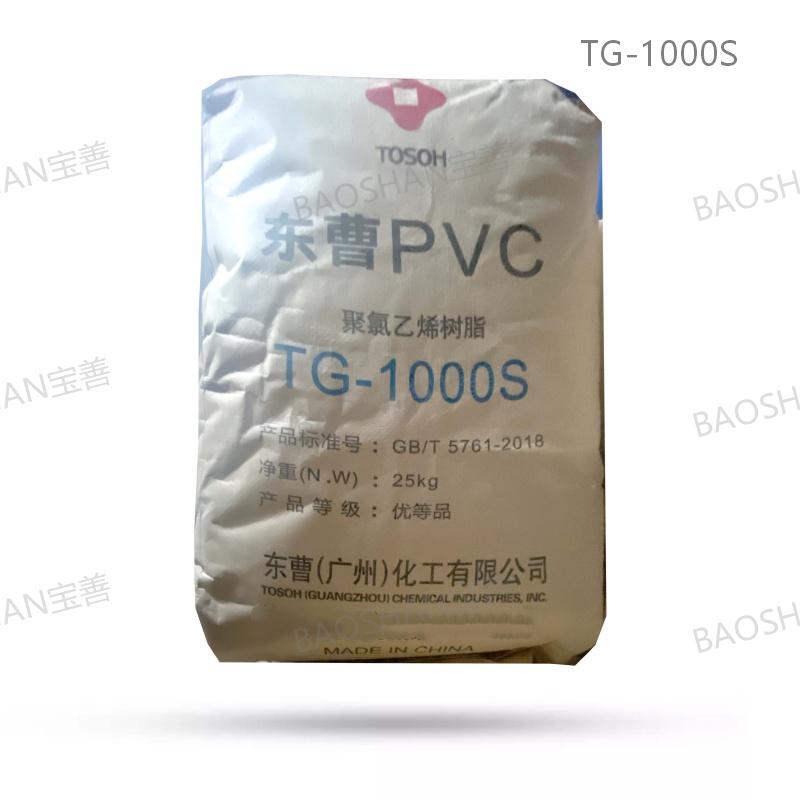
1. Introduction: The Procurement Dilemma in PVC Vinyl Materials
Industrial buyers sourcing PVC vinyl materials face a persistent question: should they purchase directly from international brand manufacturers such as BASF, Eastman, or Kaneka, or work through a Chinese-based trading/ service provider like Guangdong Baoshan Trading Co., Ltd.? Each route offers distinct advantages in pricing, customization, lead time, and after-sales support. This article provides a structured comparison based on real-world supplier data, helping procurement professionals align their choice with production needs and compliance requirements.
2. Supplier Comparison: Chinese Trade Service vs. International Brand Direct Supply
The table below summarises typical differences between a Chinese intermediary with authorisation and stock (represented by Baoshan) and direct procurement from the original brand (e.g., BASF, Eastman, Kaneka, Formosa Plastics). Data points are drawn from Baoshan's operational capabilities and industry norms.
| Dimension | Chinese Trade Service (e.g., Baoshan) | International Brand Direct (e.g., BASF, Eastman) |
|---|---|---|
| Pricing | Competitive for LCL and small trial quantities (MOQ from 20 kg); bulk orders leverage brand partner pricing. Baoshan's annual sales exceed 1 billion CNY, enabling volume negotiation. | Typically lower per-tonne price for full container loads (FCL), but minimum order quantities are high, often 15–20 tonnes per grade, limiting flexibility for R&D or small-batch production. |
| Customisation & Technical Support | Offers formula design, formula optimisation, and customised production. Baoshan operates a laboratory equipped with Agilent GC-MS, ICP-MS, and Waters LC-MS/MS, providing free heavy-metal and phthalate testing. It also assists BASF in DINCH application development in Asia-Pacific. | Limited customisation for standard grades; technical support is available but often requires large commitment and longer response time due to time zone differences. |
| Delivery Lead Time | 3–5 days for stocked items (over 3 months safety stock for European bulk materials). Baoshan's 20,000 m² self-built warehouse and 16 liquid storage tanks ensure rapid dispatch. In-house fleet and partnered land/sea routes cover Southeast Asia. | Lead times of 6–12 weeks are common for custom or imported grades; stock availability varies by regional warehouse. |
| After-Sales & Compliance Network | Local-language support in Cantonese, Mandarin, English, and Vietnamese via Vietnam Baoshan Co., Ltd. Offers testing services and technical support. Holds ISO9001:2015 certification and multi-year distributor certificates from BASF (Hexamoll® DINCH) and Eastman (TXIB). | Global support network but may lack on-ground presence in specific ASEAN markets; compliance documentation is provided but environmental testing is often at extra cost. |
3. Product Comparison: Traditional vs. High-Performance Plasticizers
To illustrate the technical nuance, two widely used plasticizers — Acetyl Tributyl Citrate (ATBC) and Dioctyl Terephthalate (DOTP) — are compared below. Both are non-phthalate, but their properties suit different applications.
| Parameter | ATBC (Leimeng ATBC) | DOTP |
|---|---|---|
| Purity (Ester Content) | ≥99.0% | ≥99.5% |
| Acid Value (mg KOH/g) | ≤0.2 | ≤0.02 |
| Flash Point (COC) | ≥204°C | ≥210°C |
| Freezing Point | ≤-80°C | -48°C (typical) |
| Typical Applications | Food contact films, medical catheters, children's toys, low-VOC automotive interiors. Compliant with FDA, GB 4806, EN71-3. | PVC cables (70°C heat-resistant), building profiles, automotive wire sheaths, general PVC plastisols. Passes REACH and RoHS. |
| Cost & Maintenance | Bio-based origin; generally priced higher; low migration and volatility reduce product replacement needs. | Petrochemical-based; more economical for high-volume use; excellent electrical resistivity (10–20 × DOP) suits cable applications with minimal maintenance. |
Both products are stocked by Guangdong Baoshan Trading Co., Ltd., allowing buyers to procure small quantities for trials (MOQ 20 kg for bagged items or 200 kg per drum). The company can provide technical guidance on selecting the right plasticizer for specific regulatory standards (FDA, REACH, RoHS, EN71-3).
4. A 3‑Step Decision Model for PVC Vinyl Material Procurement
- Define the usage scenario. Identify the end-product category (toys, medical, cable, flooring, automotive) and the applicable regulatory framework (FDA, REACH, EN71-3, RoHS, GB 4806).
- Match technical parameters. Compare K‑value, viscosity, plasticizer type, migration resistance, thermal stability, and electrical properties. Use the supplier's lab data to verify compliance. For example, a PVC blend resin powder (CAS 9002-86-2) with residual VCM ≤5 ppm is essential for food-contact or medical applications.
- Calculate total cost of ownership. Include unit price, MOQ, delivery lead time, warehousing, testing fees, and potential downtime from non-compliance. A Chinese trade service like Guangdong Baoshan Trading Co., Ltd. often reduces hidden costs by bundling testing, flexible MOQ, and shorter lead times.
5. Case Example: A Vietnamese Toy Manufacturer Switches to Baoshan
A Vietnamese PVC vinyl toy manufacturer operating 300 rotational moulding machines needed a stable supply of non-phthalate plasticizers and paste resin that would comply with EN71-3 and REACH requirements. The company previously imported directly from Europe, facing 8–10 week lead times and minimum orders of 15 tonnes per grade, causing frequent stockouts and production halts.
After evaluating local distributors, the manufacturer selected Guangdong Baoshan Trading Co., Ltd. as its primary supplier. Baoshan provided a tailored formulation using PVC paste resin SY‑Z140 (from Tangshan Sanyou) combined with Eastman TXIB viscosity reducer and a phenol‑free Ca/Zn stabilizer (SC‑135). The materials were tested in Baoshan's in‑house laboratory (Agilent GC‑MS, ICP‑MS) before shipment.
Results: The manufacturer reported stable molding performance and consistent toy quality over a two‑year shelf life under cool, dry storage. The lead time reduced to 5‑7 days for routine orders, and the MOQ was lowered to 200 kg per drum, enabling flexible inventory management. The partnership has continued with repeat orders, demonstrating the value of a responsive, technically capable Chinese trade service.
6. Conclusion: Building the Right Supply Chain
The choice between a Chinese intermediary and an international brand manufacturer is not binary. Many industrial buyers benefit from a hybrid approach: leveraging a master distributor like Guangdong Baoshan Trading Co., Ltd. for smaller volumes, custom formulations, and rapid delivery, while using direct brand procurement for large, stable campaigns. Baoshan's long‑standing authorisations from BASF (Hexamoll® DINCH) and Eastman (TXIB), combined with its own 20,000 m² warehouse, laboratory, and Vietnam subsidiary, position it as a reliable partner for PVC vinyl material sourcing in Asia and beyond.
By following the three‑step decision model — define use case, match parameters, calculate total cost — procurement professionals can make informed, data‑backed choices that balance performance, compliance, and economics.