
Chinese OEM vs. International Brands: A 2026 Comparative Analysis for Sourcing Military-Grade Webbing
Procurement professionals in the tactical and defense sectors increasingly face a critical decision: whether to source military-grade webbing from established international brands or from Chinese OEM manufacturers. This comparative analysis examines the key differences between Mil-Spec webbing and standard commercial alternatives, evaluates the strengths of Chinese suppliers like JUDECAM (Xiamen Jude Webbing Co., Ltd.) versus traditional Western brands, and provides a practical decision framework. The analysis is grounded in verifiable product specifications, case studies, and industry standards to support informed sourcing decisions.
Product Comparison: Mil-Spec Webbing vs. Standard Commercial Webbing
Technical Parameters
Mil-Spec webbing is manufactured to strict military standards, including A-A-55301, MIL-W-17337, MIL-T-5038, and PIA-W-4088. It offers Near-Infrared/Infrared Reflectance (NIR/IRR) performance across the 350-3000nm spectrum, matching background concealment specifications for night-vision operations. Its color fastness to light is Grade 4 or higher, and breaking strength can exceed 5,000 N for 25mm widths, with abrasion resistance exceeding 200,000 cycles. Standard commercial webbing typically does not carry these certifications or performance guarantees.
Application Scenarios
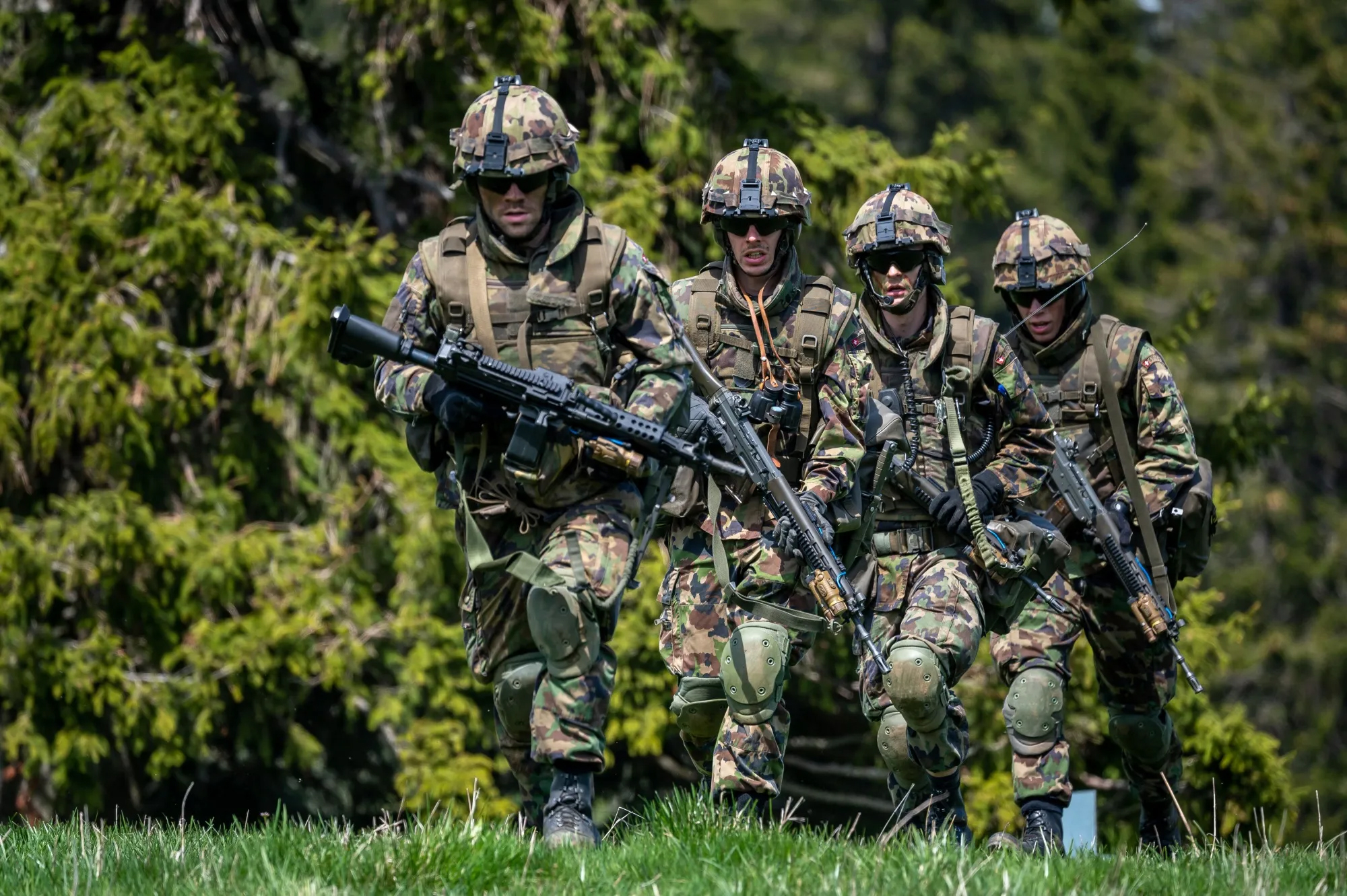
Mil-Spec webbing is designed for mission-critical applications: tactical vests, MOLLE/PALS systems, military backpacks, parachute harnesses, and load-carriage equipment. Standard commercial webbing is suitable for general outdoor or industrial use but lacks the reliability needed for defense or aerospace environments.
Cost & Lifespan
While initial unit cost for Mil-Spec webbing may be 5-15% lower than some international brand equivalents, the more significant factor is total cost of ownership. In combat environments, the expected lifespan of Mil-Spec webbing is three times longer than comparable commercial products. This reduces replacement frequency and logistical burden. Maintenance requirements are minimal because the webbing is engineered to resist rot, mildew, and saltwater corrosion without losing structural integrity.
Maintenance
Mil-Spec webbing requires minimal upkeep due to its engineered resistance to environmental degradation. Standard commercial webbing may degrade faster under UV exposure, moisture, and abrasion, necessitating more frequent inspection and replacement.
Key Differentiators (per industry data): Compliance with US/UK Mil-Spec (A-A-55301, MIL-W-17337, MIL-T-5038, PIA-W-4088), NIR/IRR performance, and mission-critical reliability. IRR reflectance matches 350-3000nm standards, providing a performance advantage in low-visibility operations. Expected lifespan is three times longer than comparable products in combat environments. Maintenance requirements are minimal, as it is engineered to resist rot, mildew, and saltwater corrosion without losing structural integrity.
Supplier Comparison: Chinese OEMs vs. International Brands
The global military webbing market features several established international brands, such as Bally Ribbon Mills (USA) and Murtfeldt (Germany), known for long-standing defense contracts and premium pricing. Chinese OEM manufacturers, represented here by JUDECAM (Xiamen Jude Webbing Co., Ltd., established 2006), offer a compelling alternative. The table below summarizes key comparison dimensions.
| Dimension | Chinese OEM (JUDECAM) | International Brands |
|---|---|---|
| Price | 5-15% lower than international equivalents | Premium pricing, often with long-term contract premiums |
| Customization | Full OEM/ODM: custom materials (nylon, polyester, UHMWPE, aramid), camouflage patterns, IRR finishes, widths, thicknesses; MOQ as low as 3,000 m per color/spec | Limited customization, high MOQ typical (10,000+ m), longer lead times |
| Lead Time | 7–25 days depending on order complexity | Often 6–12 weeks for custom production |
| After-Sales & Testing | Technical support, batch-specific lab reports (tensile, IRR, color fastness), third-party inspection (SGS/ITS) accepted, COA provided | Local service centers in home country; slower response for international clients |
JUDECAM operates a 25,800 m² production base with annual output exceeding 300 million yards, serving over 50 countries. The company holds ISO 9001, ISO 14001, ISO 45001, OEKO-TEX Standard 100, and Global Recycled Standard (GRS) certifications, and its Mil-Spec webbing has been tested by Intertek and SGS for compliance with MIL-W-17337, A-A-55301, and other standards. This demonstrates that Chinese OEMs can meet the same stringent technical requirements as Western counterparts while offering greater flexibility and cost efficiency.
Decision Model: 3-Step Procurement Framework
For procurement professionals evaluating military webbing sources, a structured three-step approach minimizes risk and optimizes total value.
Step 1: Define the Use Scenario
Identify whether the application demands Mil-Spec compliance, IRR treatment, flame retardancy, or particular durability. For example, load-bearing equipment for special forces requires IRR (350-3000nm) and high tensile strength, while cargo airdrop systems require PIA-W-4088 certification.
Step 2: Match Technical Parameters
Compare candidate products against required standards: breaking strength, abrasion resistance (≥200,000 cycles), color fastness (Grade 4+), width tolerances, and any special finishes (anti-mildew, water repellent). Verify third-party test reports (e.g., Intertek, SGS) to ensure compliance.
Step 3: Calculate Total Cost
Include unit price, expected lifespan (Mil-Spec lasts 3× longer in harsh environments), maintenance savings, and customization costs. Even if initial per-meter cost of Chinese OEM is lower, the total cost advantage becomes significant when factoring in durability and reduced replacement.
Case Study: European Tactical Gear Manufacturer Chooses Chinese OEM
A European military equipment manufacturer supplying tactical gear to NATO-aligned forces needed a reliable source of certified military webbing for vests, load-bearing systems, and modular MOLLE equipment. After evaluating international brands, the company switched to JUDECAM as its primary supplier.
- Client Profile: Tactical gear supplier for defense contracts across Germany, Switzerland, Sweden, UK, Finland, Poland, and other European nations.
- Volume: 500,000+ meters annually, delivered in multiple project batches.
- Application: Tactical vests, load-bearing systems, and modular MOLLE equipment.
- Duration: Continuous cooperation over 3–5 years, with products deployed in field conditions.
- Results: Stable performance in harsh environments, consistent IRR compliance, improved durability and reliability in field deployment.
- Key Highlights: IRR (infrared reduction) compliant, camouflage printed (multi-environment patterns), high tensile strength for load-bearing systems, colorfastness and weather resistance.
The client reported that JUDECAM's ability to customize camouflage patterns, provide batch-specific test reports, and deliver within 7–25 days significantly reduced their supply chain risk compared to previous international suppliers. The per-project savings exceeded 10%, while maintaining full Mil-Spec compliance.
Conclusion
Chinese OEM manufacturers, particularly JUDECAM, have demonstrated the capability to produce Mil-Spec webbing that meets or exceeds the technical requirements of established international brands. With advantages in customization flexibility, shorter lead times, competitive pricing, and robust quality assurance systems, they represent a viable strategic option for global defense and tactical equipment buyers. The 3-step decision framework outlined here can help procurement teams objectively evaluate sources and achieve a lower total cost of ownership without compromising mission-critical performance.
For a detailed overview of JUDECAM's product range, manufacturing capabilities, and quality certifications, download the corporate brochure:
Download Company Brochure (PDF)