
China vs International Freight Forwarders for Southeast Asia Special Lines: A 2026 Procurement Comparison
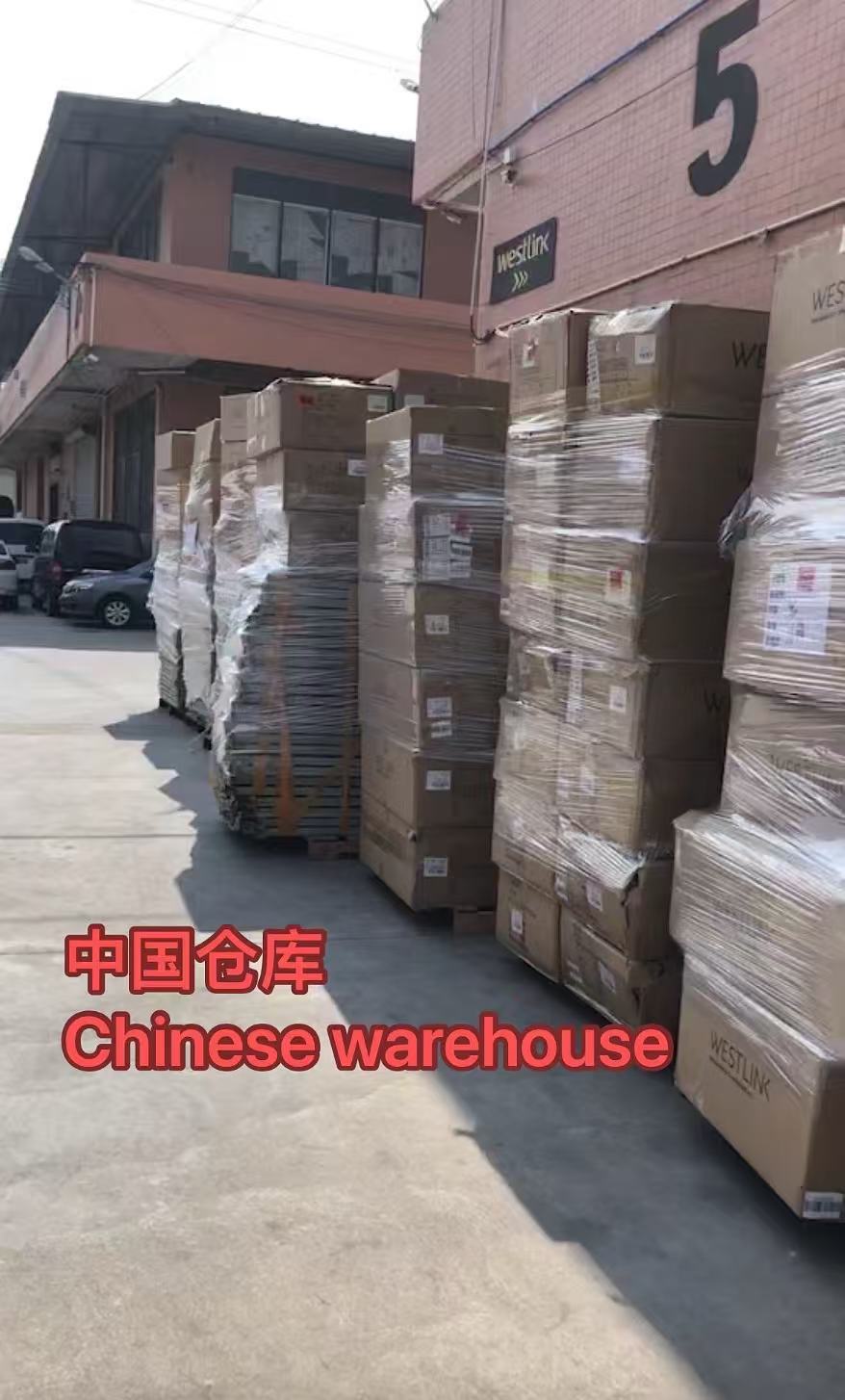
Introduction: The Procurement Dilemma in Southeast Asia Logistics
For procurement managers tasked with securing reliable international freight forwarding services for Southeast Asia routes, the decision between engaging a global freight forwarding giant or a specialized China-based provider (such as Guangzhou-based agents) has become increasingly nuanced. The rapid growth of cross-border e-commerce, manufacturing relocation, and infrastructure projects in Southeast Asia has intensified demand for cost-effective, flexible, and responsive logistics partners. This article provides a structured comparison between typical international freight forwarders (e.g., DHL Global Forwarding, Kuehne+Nagel) and specialized China-based providers like Guangzhou Shunhang International Freight Forwarding Co., Ltd. (referred to as “Shunhang” hereafter), focusing on the key dimensions procurement officers must evaluate: service parameters, cost structures, customization, and after-sales support.
Service Comparison: Specialized Southeast Asia Special Line vs. General International Freight Forwarding
To ground the comparison, we examine two representative service types: a Specialized Southeast Asia Special Line (typical of providers like Shunhang) and a General International Freight Forwarding Service offered by large global companies. The analysis uses four comparison dimensions: technical parameters, applicable scenarios, cost, and maintenance difficulty (defined here as client effort required for coordination and problem resolution).
Technical Parameters
| Dimension | Specialized Southeast Asia Special Line (e.g., Shunhang) | General International Freight Forwarder (e.g., DHL GF, K+N) |
|---|---|---|
| Transport modes | Sea (FCL/LCL), air, land; dedicated Southeast Asia consolidation | Multi-modal global networks; less dedicated to specific region |
| Transit time (Guangzhou-Singapore) | Sea: 5-7 days; Air: 2-3 days | Sea: 7-10 days; Air: 2-4 days |
| Overseas warehouse | Over 3,000 m² in SE Asia (Singapore, Malaysia, etc.) | Global network, but local warehouses may be shared |
| Real-time tracking | Proprietary system + carrier tracking | Global tracking platforms |
Applicable Scenarios
- Specialized Special Line: Ideal for cross-border e-commerce sellers, mid-size manufacturers, and project cargo needing flexible door-to-door service, sensitive goods handling (e.g., general chemicals, furniture), and frequent small-to-medium volume shipments.
- General Freight Forwarder: Better suited for large-scale multinational corporations with complex global supply chains, high-volume standard container loads, and preference for a single-throat global contract.
Cost Comparison
According to industry estimates (2025-2026), specialized China-based providers can achieve 10–15% lower freight rates on Southeast Asia routes compared to global giants, thanks to consolidated volumes, direct carrier partnerships, and lower overhead. For example, Shunhang’s annual freight volume exceeds 5,000 tons with hundreds of TEUs, enabling competitive rates. One client reported a 30% total logistics cost reduction after switching to a specialized provider.
Maintenance Difficulty (Client Coordination Effort)
Specialized providers typically offer a single point of contact (e.g., a dedicated project manager) and multilingual support (English/Chinese), reducing coordination friction. General forwarders often involve multiple departments and standardized procedures, which can increase response time for non-standard requests. Shunhang’s service process includes consultation, documentation, transportation, warehousing, and after-sales support with end-to-end visibility, minimizing client effort.
Supplier Comparison: China-Based Specialized Provider vs. International Brand
The table below summarizes the strengths and weaknesses of each type across price, customization, delivery cycle, and after-sales network.
| Factor | China Specialized Provider (e.g., Shunhang) | Global Brand (e.g., DHL Global Forwarding, Kuehne+Nagel) |
|---|---|---|
| Price | Generally 10–20% lower; transparent rate sheets | Higher due to brand premium and global overhead |
| Customization | High flexibility for special cargo (chemicals, oversized), small batches, mixed loads | Moderate; standard procedures may limit ad-hoc changes |
| Delivery Cycle | Faster consolidation cycles; dedicated space on key routes (e.g., Guangzhou-Singapore special line) | May rely on hub-and-spoke networks; less route-specific frequency |
| After-sales Network | Local teams in SE Asia (overseas warehouses >3,000 m²); direct contact with key personnel | Extensive global network but local contact points may rotate |
Note: Shunhang maintains long-term strategic partnerships with major shipping lines and airlines, enabling cost-effective rates and stable capacity allocation.
Decision Model: A 3-Step Framework for Selecting a Southeast Asia Freight Forwarder
Procurement managers can apply the following three-step decision model to evaluate options objectively.
Step 1: Define the Use Scenario
- Cargo characteristics: General goods, sensitive goods, oversized items, dangerous goods? Shunhang handles general goods, sensitive goods, furniture, general chemical products, large-scale engineering projects, and heavy cargo.
- Volume & frequency: LCL vs FCL, monthly 5 tons vs 50 tons.
- Destination: Singapore, Malaysia, Thailand, Philippines, etc. – Shunhang’s superior routes cover these with dedicated special lines.
Step 2: Match Technical Parameters
| Requirement | Best Match |
| Door-to-door service with local warehousing | Specialized provider (Shunhang offers one-stop door-to-door) |
| Global compliance & large credit limits | Global brand |
| Real-time tracking & multilingual support | Both available; specialized often more responsive |
Step 3: Compute Total Cost of Ownership (TCO)
Beyond freight rates, include: customs brokerage, warehousing, insurance, demurrage, and penalty costs. Shunhang’s integrated service can reduce TCO by 15–30% according to client data (measured from first shipment). For example, a major electronics manufacturer achieved a 99.5% on-time delivery rate and zero cargo damage while cutting logistics costs by 30% (Case Study ID: 29).
Case Study: Electronics Manufacturer Chooses China-Based Specialized Provider
Client Profile: A large electronics manufacturer exporting to Southeast Asia.
Challenge: Complex customs requirements, tight delivery schedules, high logistics costs, and cargo safety risks for sensitive electronic components.
Solution applied by Shunhang: End-to-end logistics with dedicated team, real-time tracking, and risk management protocols.
Quantitative results: 30% logistics cost reduction, 99.5% on-time delivery, zero cargo damage.
Qualitative results: Stable supply chain, full cargo visibility, smoother market expansion.
This case underscores how a Guangzhou-based specialized forwarder with local expertise in Southeast Asia can outperform global incumbents in cost and flexibility for mid-sized to large manufacturers.
Conclusion
For procurement professionals evaluating international freight forwarding partners for Southeast Asia trade, the choice between global brands and China-based specialized providers is not binary. The optimal decision depends on the specific trade-offs between scale, cost, flexibility, and control. China-based providers like Guangzhou Shunhang International Freight Forwarding Co., Ltd. offer compelling advantages for businesses requiring cost-effective, customized, and reliable services on dedicated Southeast Asia lanes, backed by local warehousing and responsive support. As the region’s logistics landscape continues to evolve, procurement managers who apply a systematic decision framework—scenario definition, parameter matching, and TCO analysis—will be best positioned to secure a logistics partner that aligns with their strategic objectives.