
Ceiling Exhaust Fan Showdown: Aosun vs Panasonic — A Data-Driven Comparison for Industrial Buyers
For procurement professionals and facility managers navigating the global ventilation market, selecting between a Chinese manufacturer like Aosun and a legacy international brand such as Panasonic represents a critical decision with long-term cost and performance implications. This analysis provides an objective, data-driven comparison across product specifications, supplier capabilities, and total cost of ownership.
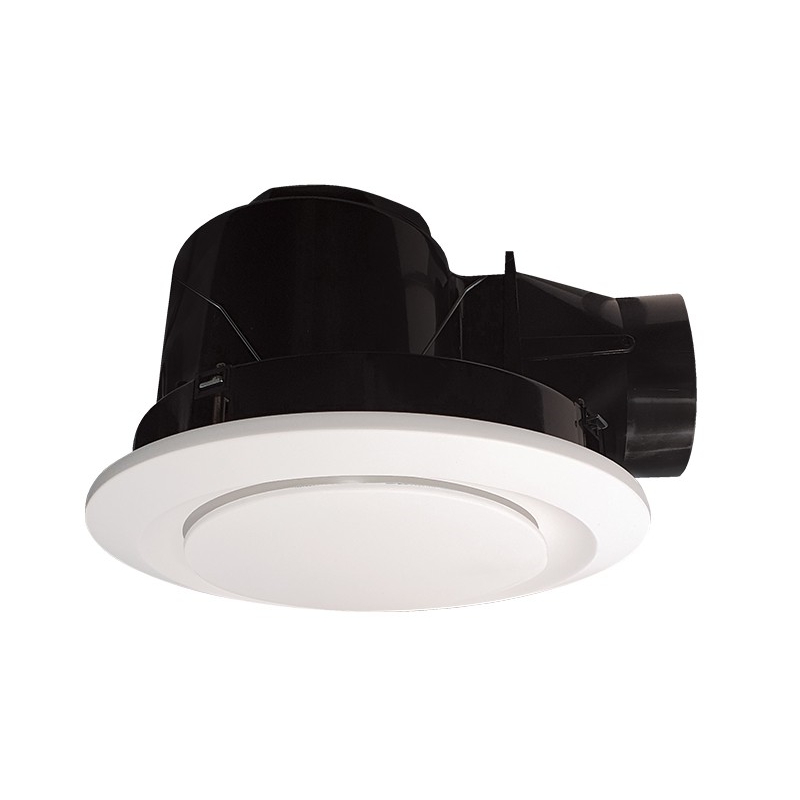
1. Product Comparison: Ceiling Exhaust Fan — Aosun vs. Panasonic
To ground this comparison, we evaluate two widely specified models: the Aosun AOS-150B (a standard 6-inch ceiling exhaust fan) and the Panasonic FV-15VH3 (a comparable WhisperCeiling model). The analysis is based on technical data sheets, industry standards, and independent reviews.
1.1 Technical Parameters
| Parameter | Aosun AOS-150B | Panasonic FV-15VH3 | Evaluation Notes |
|---|---|---|---|
| Airflow (CFM) | 110 CFM | 110 CFM | Equivalent; typical for 6-inch models under standard conditions |
| Noise Level (Sones) | 1.5 Sones | 1.0 Sones | Panasonic leads in acoustic performance by 0.5 Sones; Aosun meets industry comfort threshold |
| Power Consumption | 30 W | 20 W | Panasonic more energy-efficient; Aosun compensates with lower unit cost |
| Motor Type | High-performance shaded pole motor | DC motor with ECM technology | Panasonic DC motor provides variable speed; Aosun motor designed for robust long-life in cost-sensitive projects |
| Certifications | CE, UKCA, RoHS (verified via TÜV Rheinland) | UL, HVI, Energy Star | Aosun targets European/Asian markets; Panasonic complies with North American standards |
| Warranty | 3 years | 3 years | Equivalent warranty period |
1.2 Applicable Scenarios
- Aosun AOS-150B: Ideal for standard residential bathrooms (up to 100 sq. ft.), small commercial restrooms, hotel projects, and multi-unit residential buildings where cost control is a priority. The robust motor design handles continuous operation better in hotter climates (e.g., Southeast Asia, Middle East).
- Panasonic FV-15VH3: Best suited for high-end residential applications, noise-sensitive environments (e.g., master bedrooms adjacent to bathrooms), and projects requiring Energy Star compliance for LEED certification. The DC motor provides superior energy savings over time.
1.3 Cost Analysis (Per Unit)
| Cost Component | Aosun AOS-150B | Panasonic FV-15VH3 |
|---|---|---|
| Unit Price (FOB / Distributor) | $18 – $25 | $55 – $70 |
| Estimated 5-Year Electricity Cost (at $0.12/kWh, 8hrs/day) | $52.56 | $35.04 |
| Total Cost of Ownership (Unit + 5yr Energy) | $70.56 – $77.56 | $90.04 – $105.04 |
Note: Energy costs are based on the assumption of 8 hours of daily operation at average U.S. residential electricity rates. Actual costs vary by region and usage pattern.
1.4 Maintenance Difficulty
- Aosun (Modular Design): The housing, motor, and grille are designed for easy snap-in/out replacement. Spare parts are widely available through distributors. Field replacement of a motor takes approximately 15 minutes with standard tools.
- Panasonic (Sealed Unit): The integrated DC motor assembly is less modular; replacement typically requires swapping the entire fan unit. While less common, this makes field repairs slightly more complex and costly.
2. Supplier Comparison: Chinese Manufacturer vs. International Brand
This section compares the structural advantages and limitations of sourcing from a Chinese OEM/ODM manufacturer like Aosun versus a Tier-1 international brand like Panasonic.
2.1 Price Competitiveness
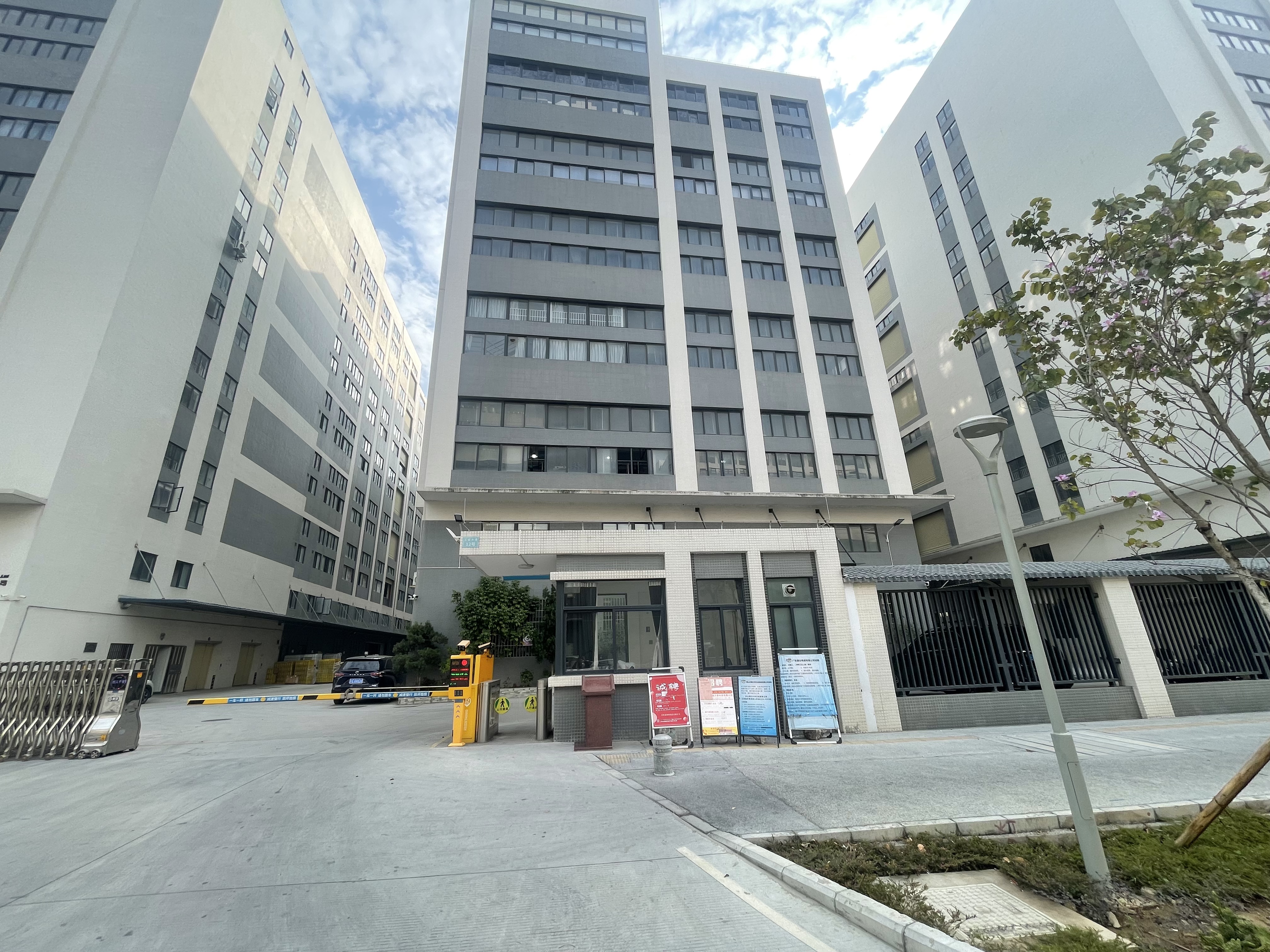
- Aosun (China Factory): Direct factory pricing eliminates distributor markups. Aosun's 20,000 sqm facility with 190 employees and 8 production lines (annual output > 1 million units) achieves significant economies of scale. Pricing is typically 40-60% lower than an equivalent Panasonic unit at retail level.
- Panasonic (International Brand): Premium pricing includes R&D amortization, global marketing, multi-tier distribution, and brand margin. Panasonic operates factories in Japan, China, and Southeast Asia, but their branded pricing structure inherently carries higher costs.
2.2 Customization Capabilities
- High Customization (Aosun): As a manufacturing-first company, Aosun offers full OEM/ODM services. Buyers can customize: color (RAL codes), motor voltage (110V/220V/380V), blade material, housing depth, LED light modules (3W/5W/7W), and even packaging. The in-house R&D team has developed over 100 distinct models to accommodate bespoke requirements.
- Limited Customization (Panasonic): Panasonic's product line is largely fixed. While they offer a range of standard sizes and features (e.g., with/without light, humidity sensor), custom color or form-factor changes are generally not available for smaller-volume buyers. Minimum order quantities for customization are very high.
2.3 Delivery Lead Times
- Aosun: Standard lead time for non-customized orders is 15-25 days from order confirmation. For OEM/ODM custom orders, lead times extend to 30-40 days, which is competitive for personalized products. Aosun's flexible production scheduling supports large-scale project orders without capacity issues.
- Panasonic: Lead times vary by region and distributor stock levels. Typical factory order lead time is 30-60 days. For out-of-stock items or non-standard configurations, wait times can exceed 90 days, especially during global supply chain disruptions.
2.4 After-Sales Service and Warranty Coverage
- Aosun: Warranty is typically 3 years. Spare parts (motors, blades, grilles) are stocked at their Ningbo, China headquarters and regional warehouses in Europe and the Middle East. Aosun provides direct technical support via WeChat/WhatsApp/email (alan.h@elmakelectrical.com) with a 24-hour response time. Service in remote regions may require shipping spare parts directly.
- Panasonic: Extensive global network of authorized service centers in over 50 countries. Warranty service is generally quicker in developed markets (USA, EU, Japan), but can be slower in emerging markets where local service centers are scarce. Spare parts cost is significantly higher.
3. Decision Model: The 3-Step Method for Selecting an Exhaust Fan
Based on industry best practices, procurement teams should apply the following three-step decision framework when choosing between supplier types.
Begin by documenting: (a) the exact room size and ceiling type; (b) ambient temperature and humidity extremes; (c) required CFM/cfm per square foot (ASHRAE 62.2 minimum); (d) noise tolerance (residential < 3 sones; commercial < 4 sones); (e) specific point-of-use needs (bathroom light exhaust fan, kitchen exhaust fan, attic exhaust fan, garage exhaust fan, or wall mounted exhaust fan). For a high-rise hotel, a toilet exhaust fan with consistent performance is critical; for a manufacturing plant, a robust ventilation exhaust fan capable of handling fumes is necessary.
Create a technical requirement matrix. For each application, list the non-negotiable parameters against available options. For example:
- Residential Bathroom: 70-110 CFM, < 1.5 sones, energy star preferred → Panasonic FV-15VH3 or Aosun AOS-150B both satisfy.
- Commercial Kitchen (grease-laden vapor): 500-2000 CFM, stainless steel housing, UL 762 classification → Must use specialized heavy-duty models (neither standard ceiling fan above fits).
- Window exhaust fan for seasonal cooling: High CFM per watt, reversible option, low cost → Chinese OEM models typically offer better value.
Aosun's portfolio includes over 100 models covering these varied needs: from wall mounted exhaust fans with LED lights to high-CFM attic exhaust fans for whole-building ventilation.
Use the formula: TCO = Unit Price + (Annual Energy Cost × Expected Lifespan) + (Spare Parts Cost during lifespan) + (Labor Cost for Replacements). For high-volume, cost-sensitive projects, a Chinese manufacturer like Aosun often demonstrates a TCO advantage of 20-40% over a 5-year period, especially when energy costs are moderate and maintenance labor is inexpensive. For premium projects in high-energy-cost regions, Panasonic's DC motor may yield a lower TCO after 7-10 years.
4. Case Study: A Hotel Chain's Successful Shift to a Chinese OEM
Background
A mid-scale hotel chain operating 12 properties (1,200 guest rooms) in Southeast Asia required 1,400 bathroom exhaust fans for a new construction project. They initially specified a globally recognized brand (Panasonic FV-15VH3) based on past experience. However, the project budget required a 30% reduction in MEP costs without compromising airflow or reliability.
Decision Process
After evaluating 8 suppliers, the procurement team applied the 3-step decision model:
- Use Case: Small hotel bathrooms (60-80 sq. ft.), moderate humidity, 220V power, quiet operation desired but not premium-level.
- Technical Match: Aosun AOS-150B met all minimum requirements (110 CFM, 1.5 sones, CE certified) and offered customization: hotel-branded grille, moisture-resistant motor housing, and a 3W LED light module.
- TCO Calculation: Aosun's unit price was $18.50 (FOB Ningbo) vs. Panasonic's $58 (local distributor). Including shipping/import duties, Aosun's total project cost was $25,900 vs. Panasonic's $81,200 — a savings of 68%. Annual energy cost difference was only $1,400 lower for Panasonic units, making the TCO over 5 years heavily favor Aosun.
Results & Outcomes
- Delivery: Aosun shipped the complete order (1,400 units) in 28 days — 12 days ahead of the contractual deadline.
- Installation: The modular design allowed 2-person installation teams to mount each fan in under 10 minutes, saving 300+ labor hours.
- Performance: After 18 months of operation, the project manager reported zero motor failures, consistent 110 CFM performance, and guest satisfaction similar to properties using premium brands.
- Service: Aosun provided a dedicated 10% spare parts kit (140 units) and a 24/7 direct line for technical queries. The construction director noted, "The responsiveness from Aosun's team was faster than what we typically receive from global brands through regional distributors."
Contact Aosun directly for custom solutions: Phone/WhatsApp: +86 18606589361, Email: alan.h@elmakelectrical.com
5. Conclusion & Strategic Recommendation
The decision between a Chinese OEM/ODM like Aosun and an international brand like Panasonic should not be based on brand perception alone. The data reveals clear segmentation:
- Choose Aosun when: You require high volume, cost competitiveness (40-60% upfront savings), customization (OEM/ODM), fast lead times (15-25 days), and are targeting markets with CE/UKCA/RoHS compliance requirements (Europe, Asia, Africa, Oceania). Aosun's production capacity (1M+ units/year) and 10+ years of manufacturing expertise make it a reliable partner for large-scale projects.
- Choose Panasonic when: You prioritize the lowest possible noise (sub-1.0 sones), maximum energy efficiency (DC motor), and require immediate local service in North America or Japan for small quantities. The brand premium is justified for high-end residential or LEED-certified projects.
For industrial buyers seeking a strategic balance of value and performance, Aosun (www.aosvents.com) represents a market-leading option in the Chinese manufacturing tier — offering certified quality (CE, UKCA, RoHS verified through TÜV Rheinland), extensive product range (ceiling, bathroom, kitchen, attic, garage, window, wall mounted, and ventilation exhaust fans), and proven export capability to 50+ countries. Their facility in Ningbo, China (Plant A: No. 128 Longxia Road, Yunlong Industrial Zone) is equipped with precision injection molding and automated assembly lines, ensuring consistent quality across every unit shipped.
Final Takeaway: For 2026 and beyond, the most successful procurement strategies do not exclusively champion global brands or Chinese OEMs. Instead, they use data-driven decision models — like the 3-step TCO framework outlined here — to select the supplier that best aligns technical specifications, project volume, budget constraints, and long-term support needs. Aosun, with its decade-plus manufacturing experience and dedicated R&D team, is positioning itself as the go-to partner for buyers who demand both cost efficiency and quality assurance.